

REAL WAR AND WAR THROUGH SANCTIONS
Ukraine has been unlucky to find itself in the epicentre of a geopolitical redivision of the world
Author: Irina XALTURINA Baku
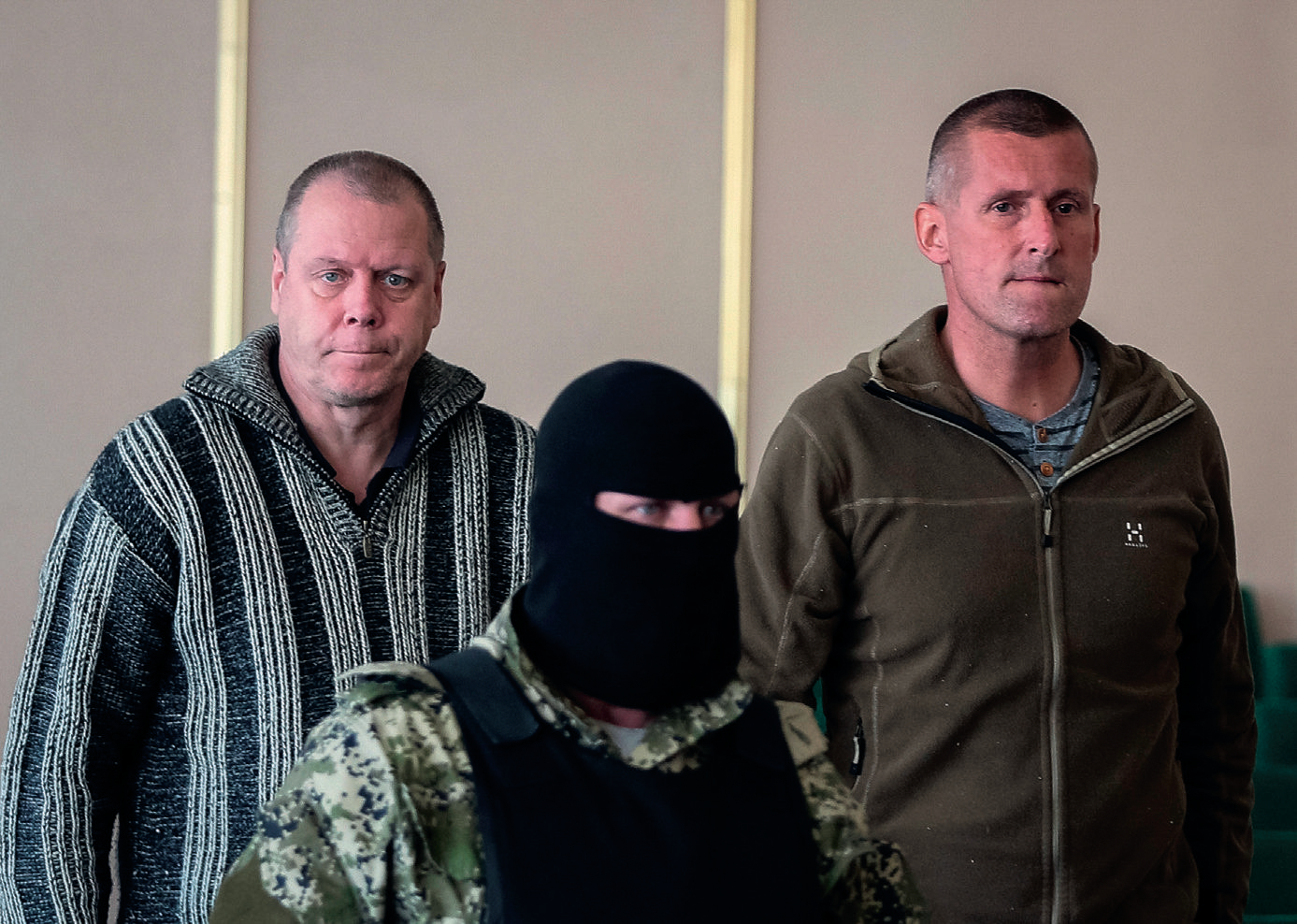
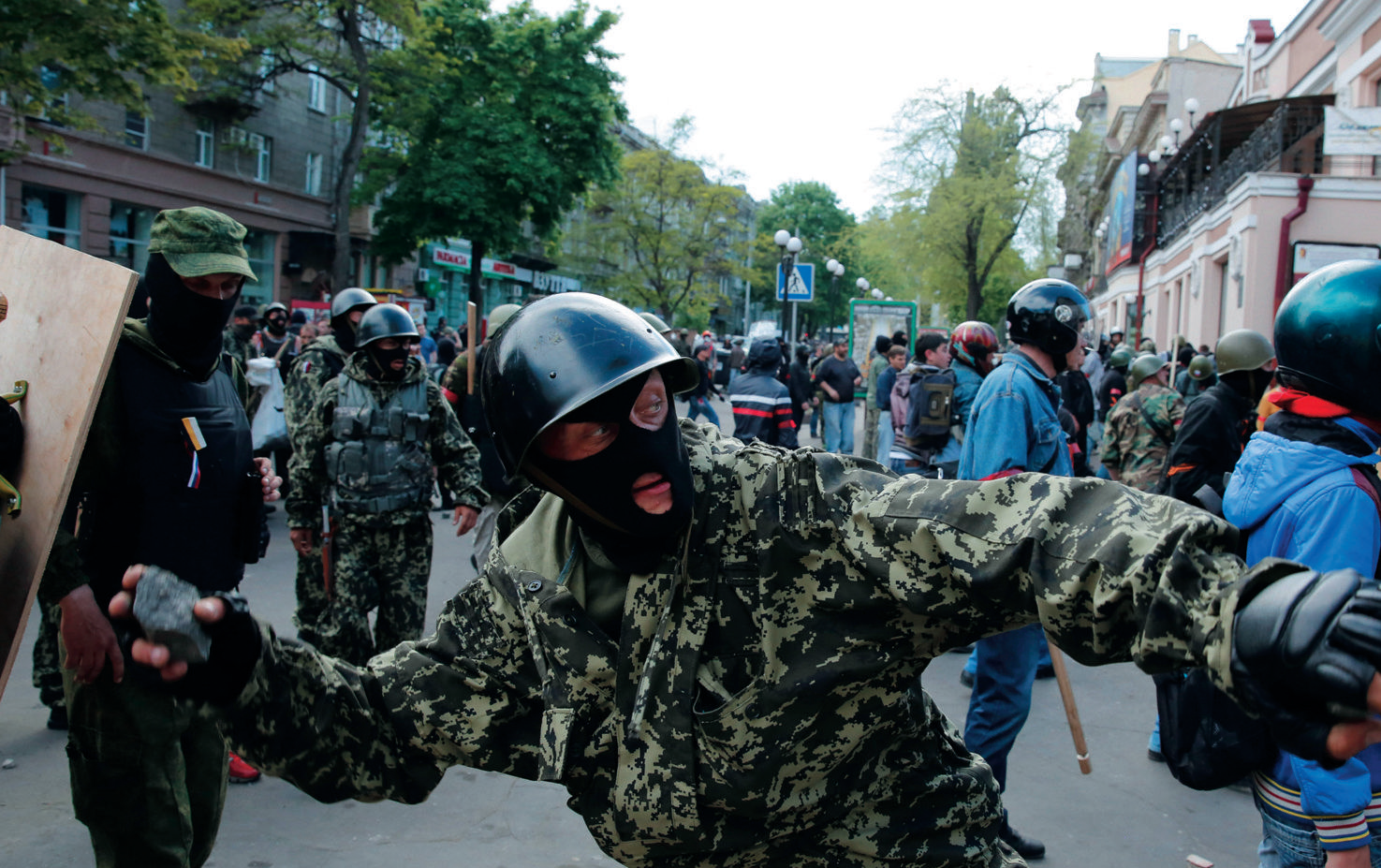
The presidential election in Ukraine, scheduled for 25 May, is up in the air. South-eastern regions are continuing to refuse to recognize the legitimacy of the incumbent Ukrainian authorities in Kiev and are insisting on their own political scenario. For example, representatives of the "Donetsk people's republic" are preparing for a referendum on 11 May on the self-determination of Donbass. From time to time, reports come in from Luhansk , Kharkiv, Kramatorsk and Donetsk about "seizure of administrative buildings", "clashes" and "firing on roadblocks": the country has effectively fallen into a state of civil war. As was immediately clear, the Geneva agreements signed earlier have proven to be mere words.
News from the front
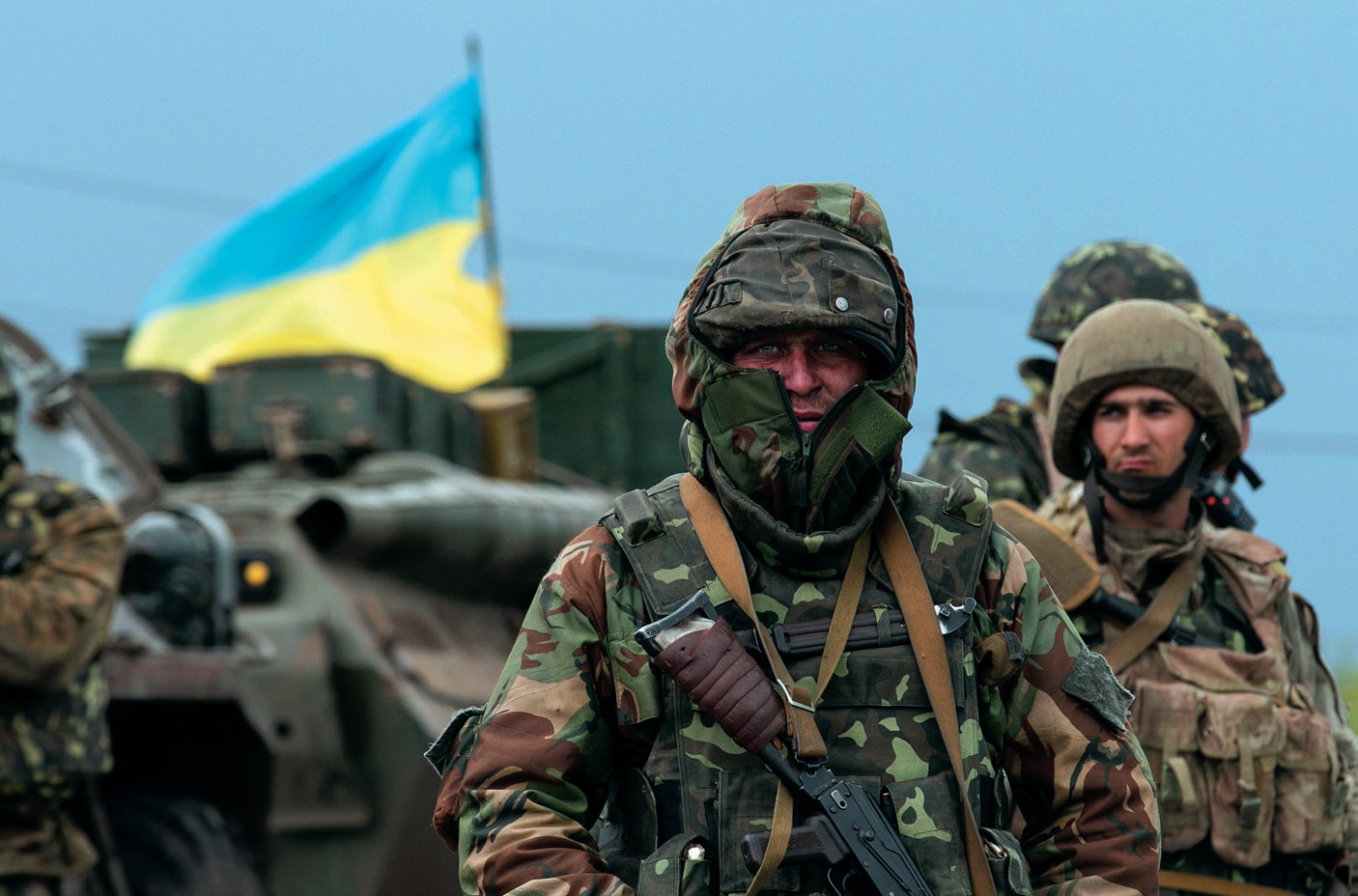
At the time of writing this material, the latest "news from the front" were reports related to the storming of Slovyansk. Kiev described the developments as "the active phase of the antiterrorist operation (ATO) in the Slovyansk-Kramatorsk area" being carried out by "units of the Interior Ministry, the National Guard and the Armed Forces". The operation aims to "free hostages, liberate administrative buildings, disarm the rebels, and restore the normal functioning of infrastructure in the city". The head of the Ukrainian Security Service, Valentyn Nalyvaychenko, is leading the special operation because, it is noted, Ukrainian Interior Minister Avakov "failed the first stage of the ATO". This is a serious confrontation, and news reports coming from south-eastern Ukraine are now really very similar to reports from the Middle East - Syria or Iraq. What is more, a few days before phase two of the ATO, the authorities conducted night-time exercises in Kiev itself, which involved checking bomb shelters and sources of water for the civilian population.
The incumbent Ukrainian authorities fear open invasion by the Russian army. Kiev and also Western countries and the NATO leadership say from time to time that Russian troops need to be moved away from the border with Ukraine. At the same time, Moscow is saying that Kiev is using "punitive measures against its own people". Moscow also believes that behind the crisis in Ukraine are the USA and the EU. "When first steps were taken, the USA preferred to keep a low profile but has now come out to the forefront in resolving the crisis, and this shows that they were the ones who originally headed this process," said Russian President Vladimir Putin.
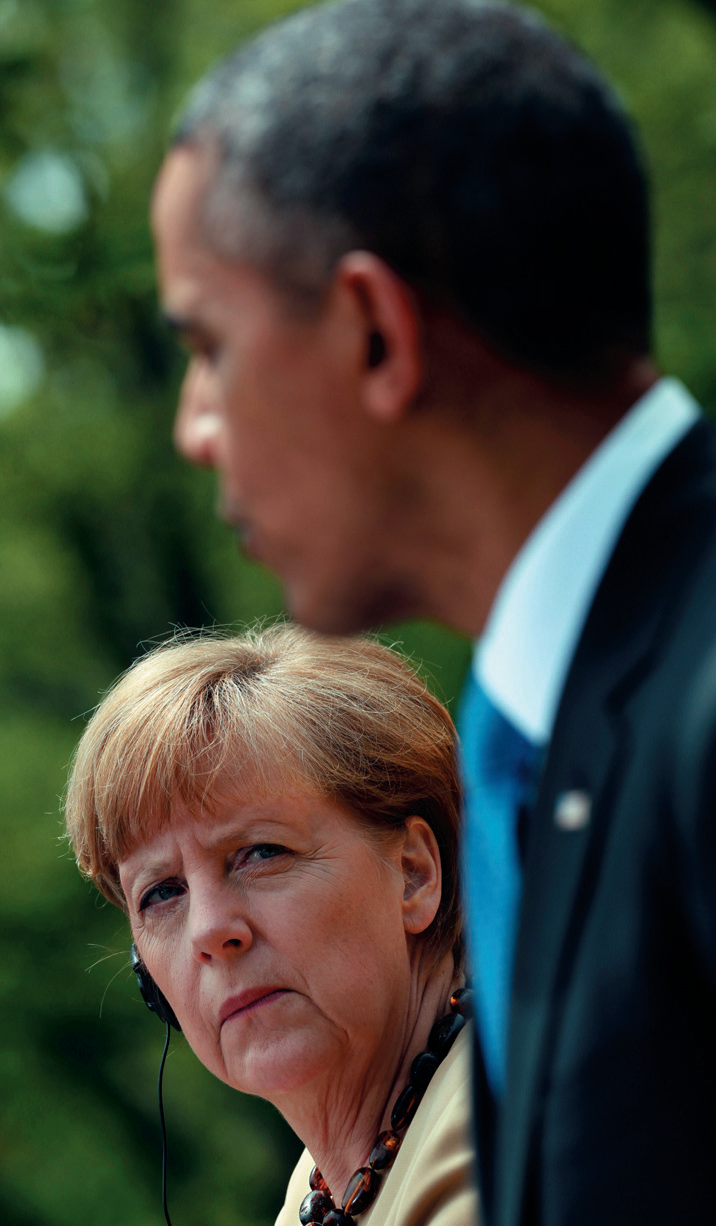
Everyone has long given no reaction to the fact that the domestic political crisis in Ukraine is viewed as a matter of course that is a part of the confrontation between Russia and the West, and more precisely, between Russia and the United States. Albeit, just a few months ago, comments like "this is an internal affair of Ukraine" could be heard time and again. Now "the internal affair of Ukraine" has brought back to life not only the lexicon but also fairly specific actions of the times of the "Cold War". NATO Deputy Secretary-General Alexander Vershbow has said that Russia's policy is compelling the alliance to begin to view the country not as a partner but as an adversary. The West is confident that "the Baltic countries may become a tempting target for Putin if he succeeds in destroying Ukraine". Therefore, NATO has decided to triple the number of fighter planes to protect the Baltics, a group of NATO ships have arrived in the Lithuanian port of Klaipeda and in Estonia, and Britain has sent a 100-strong infantry unit. Although everyone has somehow unanimously forgotten about Iran, plans related to US missile defence in Europe may also receive a new impetus.
It seems to be clear to everyone that traditional war between Russia and the United States is impossible. However, arguments put forward to prove the impossibility are somehow too live and worrying - not the philosophical vague argument "simply because it cannot be" but specific reasons such as "lack of a supply system and the remoteness of main NATO bases from Ukraine's borders" and lack of unanimity within the alliance. However, if you give it a think, you can see that the Ukrainian crisis may actually spur NATO - which was established 65 years ago as the main US-European tool to confront the Soviet Union - and give it "second wind", increase its budget, unite it, and maybe even expand its ranks.
As for Russia, according to observers, Moscow does not seek an open confrontation, because unlike the developments in Crimea, involvement in what is happening in south-eastern Ukraine enjoys much less support from the population. In addition, Russia has something to concentrate on. According to media, Putin's meeting with his counterparts from Kazakhstan and Belarus in Minsk on 29 April, during which the leaders of the three countries discussed the Treaty on the Eurasian Economic Community (EAEC), was clearly not smooth...
No, nobody seeks war, but it is actually under way already. RIA Novosti has reported a representative of the leadership of the Slovyansk self-defence as saying that "members of the militia who use walkie-talkies have come across English words several times while on the air". He believes that this is "direct proof of the involvement of foreign nationals in the anti-Slovyansk punitive operation being conducted". Meanwhile, the Kiev authorities believe that the three Ukrainian helicopter gunships downed using man-portable air-defence systems "indicates that it is not 'peaceful protesters' that are acting against soldiers in Donetsk Region but well-trained professional subversive groups that are equipped with state-of-the-art weapons".
In the captivity of sanctions
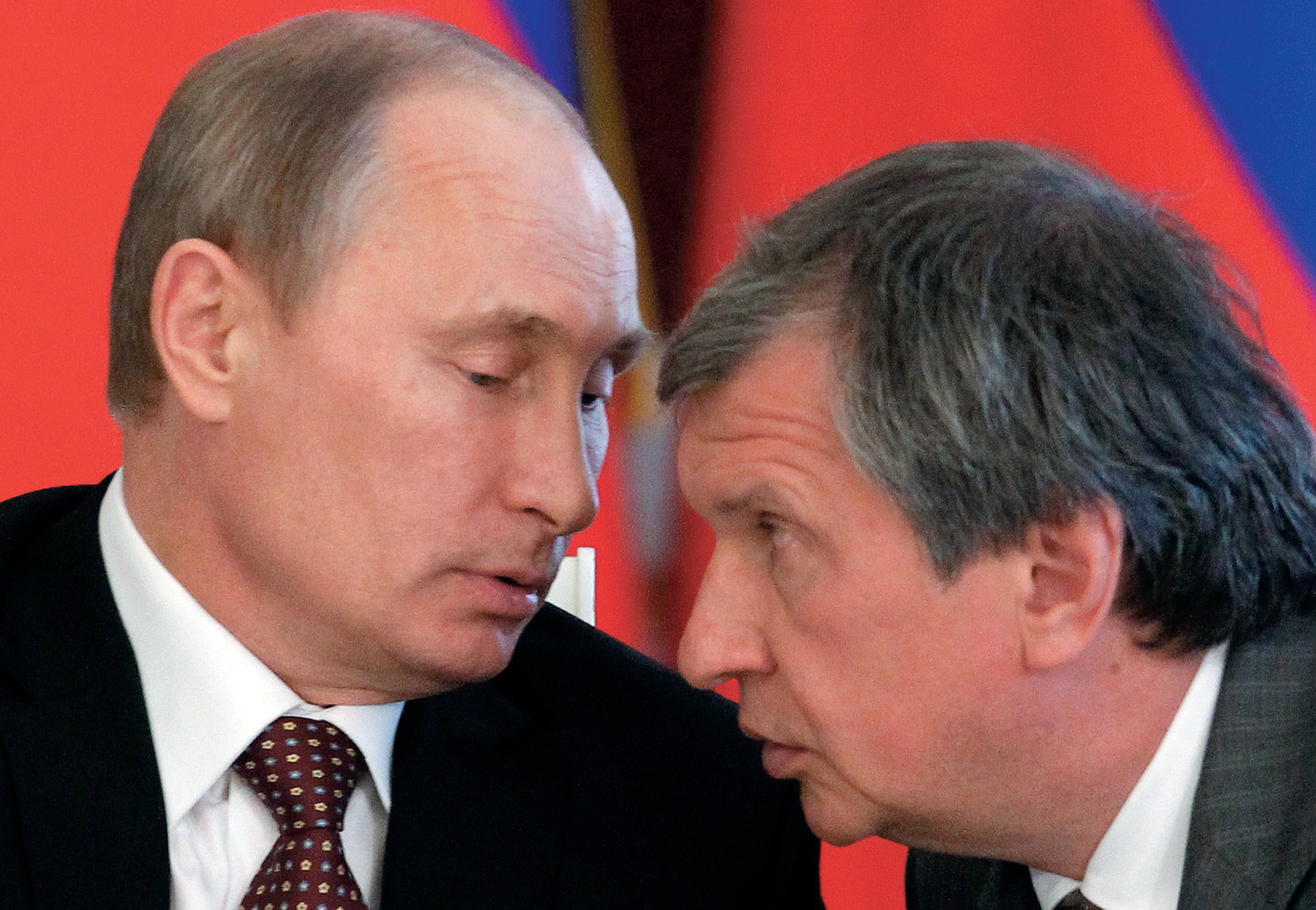
War through sanctions is also in full swing. The USA is gradually tightening financial punitive measures against Russia. The Americans are actively recalling the experience of past years, such as the Jackson-Vanik Amendment of 1974, which forbade the use of the most favoured nation concept in trade, issuance of loans and loan guarantees. Russian officials and companies, including , for example, Igor Sechin, the head of Russia's largest oil company Rosneft, continue to get in the modern "black list" of the US Department of the Treasury. US IT companies, including Microsoft, Oracle, Symantec and Hewlett-Packard (HP), have announced terminating their cooperation with banks and companies against which the US authorities have imposed sanctions.
And if Russia's initial reaction were ironical smiles and "a campaign by ordinary Russians to counter Obama personally", which widely unfolded in social networking websites, then now with each day it is increasingly more painful for Russia to smile. The USA is well aware of its strengths and of what happens to individuals and legal entities who are denied access to "the USA's global financial system". Russia's difficulties at the hand of the USA can be talked about in economic and financial terms but a layman is unlikely to understand a report that says that Russian companies "are having to refuse initial public offerings" or that rating agencies have lowered the credit rating of the Russian Federation. However, if difficulties emerge regarding the use of bank cards and once habitual foreign goods get out of sight or pensions decrease, Washington's hand will immediately be felt in every street in Russia.
It is also alarming that Russia does not seek to respond to the West - apart from the civil actions against Obama nothing has been done to repay the Americans in their own coin. Everything is where it has been - from transit to Afghanistan to McDonald's fast food restaurants. For the time being Russia will not apply retaliatory sanctions against the West, said Russian President Vladimir Putin.
However, Europe, where many countries are heavily dependent on Russian hydrocarbons and are tied with Russia by trade interests, is not so quick with sanctions as the United States. Major corporations, such as Germany's BASF and Siemens, Italy's Eni, and Britain's BP, are particularly not in a hurry. As European Commissioner for Industry and Entrepreneurship Antonio Tajani put it, Europe is not America and it has no shale gas, so any action to impose sanctions against Russia will cause a very great damage to European companies. The Wall Street Journal even published an article titled "Give Putin a chance", in which the president of Germany's Institute for Economic Research, Hans-Werner Sinn, says that "the annexation of Crimea was definitely a violation of international law" but "the West triggered the crisis in Ukraine" by making overtures to Georgia, Moldova and Ukraine. Sinn suggests that "a free trade agreement should be concluded with Russia and the Ukraine as part of a new international agreement on Ukraine's future".
At the same time, Russia is trying to find a solution in the East - it is actively exploring export markets in the countries of the Asia-Pacific region. Next month, Putin will visit Shanghai, where he will meet his Chinese counterpart Xi Jinping. Simultaneously, Russia intends to take part in a naval exercise with China, named "Joint Sea-2014". Russian and Chinese hardware will appear very close to the disputed Senkaku (Diaoyu) Islands, concerning which the United States supports Japan.
Against this backdrop, the IMF has approved the allocation of 17bn dollars to Ukraine. But with a caveat. "If the central government de facto loses control over the eastern part of its country, the programme will require a revision," an IMF report says. However, it all depends on the angle of view - as Ukrainian media explain, the "revision" will actually be towards increasing the aid.
After all, Ukraine has yet to somehow solve the issue with Russian gas - on 17 May, Moscow intends to make a final decision on transferring Ukraine to a pre-paid billing system. Naftohaz Ukrayiny already on 1 May refused to pay Gazprom 11.4bn dollars for non-received gas, proposing to settle the disagreements through negotiations, and if this option failed, to turn to the Stockholm Arbitration Institute. Things may go as far as the termination of transit to Europe, something that is highly undesirable for Brussels, which is believed to unofficially control the International Monetary Fund. It is noteworthy that earlier US Secretary of State John Kerry had made a surprise announcement. Namely, he criticized the EU for its vision of the situation in Ukraine. The US diplomat believes that the association agreement became "an East-West tug of war". "Some folks in Europe made mistakes. This should not have happened," John Kerry lamented.
What does this speak of? Ukraine is sandwiched between the interests of not only Russia and the West, but also the United States and Europe. It is clear that Ukrainians will not manage to find a way out of the situation on their own - alas, but the term "failed state" is now quite applicable to Ukraine. Moscow, Washington and Brussels are meant to help Kiev, but one gets the feeling that disagreements among them are just beginning to enter an active phase. Ukraine has been unlucky - it is on its territory that another economic and geopolitical redivision of the world is taking place.
RECOMMEND:
 558
558

