

TORY AND WIGS: HAND IN HAND
13-year Labor rule ends in Britain
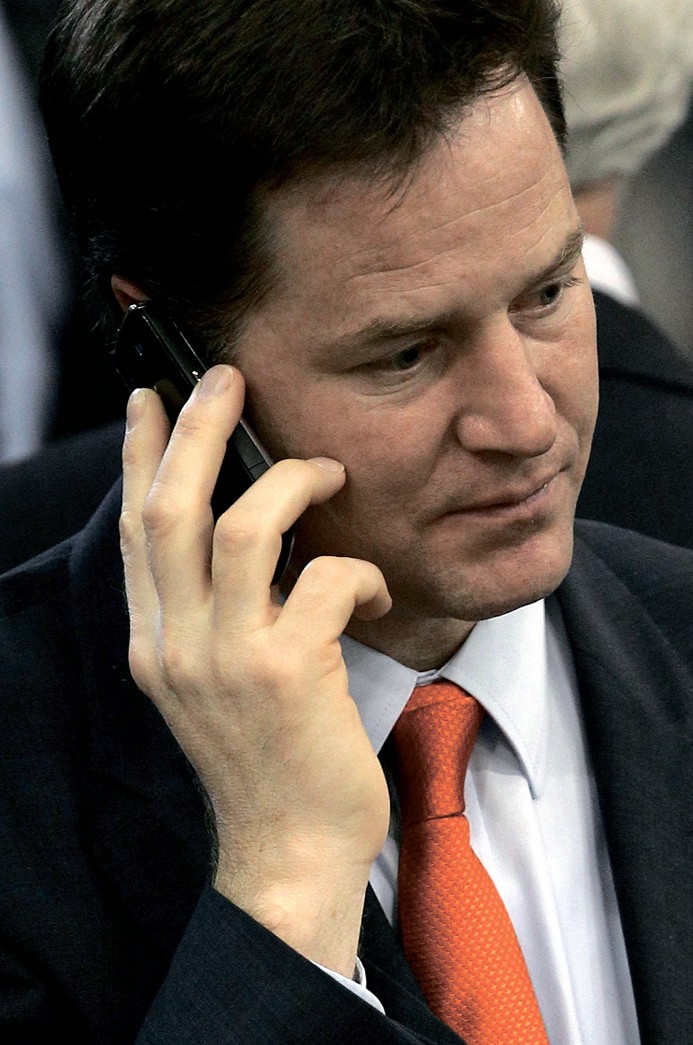
Author: Natiq NAZIMOGLU Baku
There is a new government at the foggy Albion. It has been formed by conservatives and liberal democrats on a coalition basis. This brings the 13-year Labour rule at 10 Downing Street to an end.
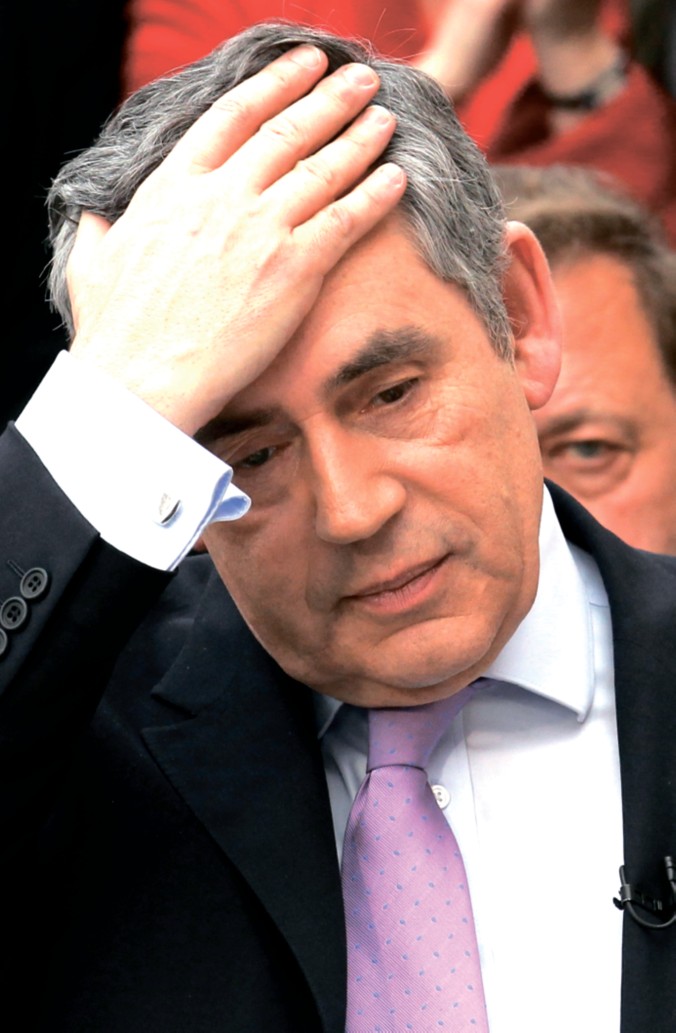
Brown leaving …
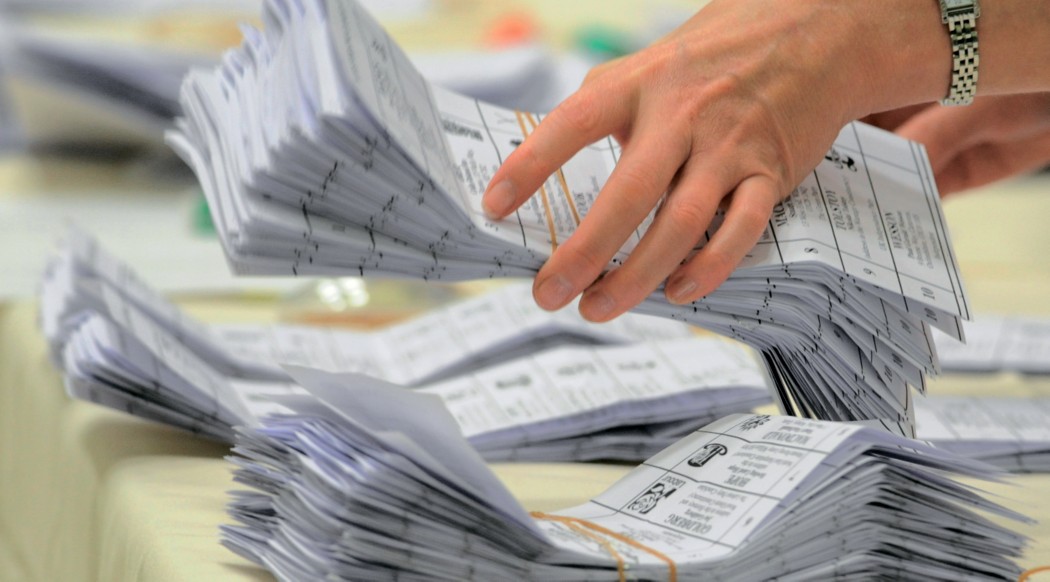
Parliamentary election in Great Britain has ended in the Tory victory. Of 650 seats in the House of Commons conservatives have received 306, only 20 seats short to have the absolute majority in parliament, the Labour party got 258 and Lib Dems 57. A total of 28 seats were shared by other parties. For instance, a candidate from the green party has reached parliament for the first time ever.
The election was destined to end the Labour cabinet led by Gordon Brown, who the British media labeled as "the most unpopular prime minister in British history". This may be an exaggeration but the Labour leader's popularity was considerably affected by the global financial recession, the implications of which were experienced by many UK citizens, and the row over unjustified expenses of Gordon Brown's fellow party associates.
However, the Tory victory wasn't convincing enough for all ministerial portfolios to be awarded to representatives of one party.
Therefore, in a situation of the so-called "suhungnded Parliament", the need emerged for forming a UK cabinet on a coalition basis. If the coalition government talks had failed, the parliament would have been dissolved and a new election scheduled. Therefore, Gordon Brown preferred to seize this possibility, minute as it was, of keeping his party in power. By stating his recognition of the Lib Dems' right to discuss the prospect of forming a government with conservatives, Brown was sending the message that he himself was open to coalition talks with Lib Dems. He even supported the wigs' demand to reform the British electoral system and to conduct a referendum on the first-past-the-post system. The point is that in the run-up to the election the popularity ratings of Lib Dems, led by young and charismatic Mick Clegg, looked quite attractive. But the result of the vote was barely reassuring for the wigs. Of course, the unfavorable outcome for Lib Dems was largely preconditioned by the fact that they haven't been in power for 90 years and voters couldn't entrust the country to people inexperienced in public administration, especially at the time of a crisis. Still, the main reason for the wigs' failure was the election law. If seats in the British parliament had been distributed in proportion to the votes cast in the country, Lib Dems could have counted on at least 140-150 MP seats with the present level of backing. However, the first-past-the-post system, whereby MP mandates are awarded to those winning the vote in constituencies, gives advantage to the parties organizing effective work on the spot.
Anyhow, Brown's attempts to reach an agreement with Clegg were not successful. On seeing the impossibility of forming the ruling coalition with Lib Dems, Brown decided to resign. Shortly after tendering resignation from the post of the prime minister and Labour party leader, Brown went to the Buckingham Palace to submit his resignation to Queen Elizabeth II and recommend that the formation of a new government be entrusted to the conservative party leader David Cameron.
…And here comes Cameron
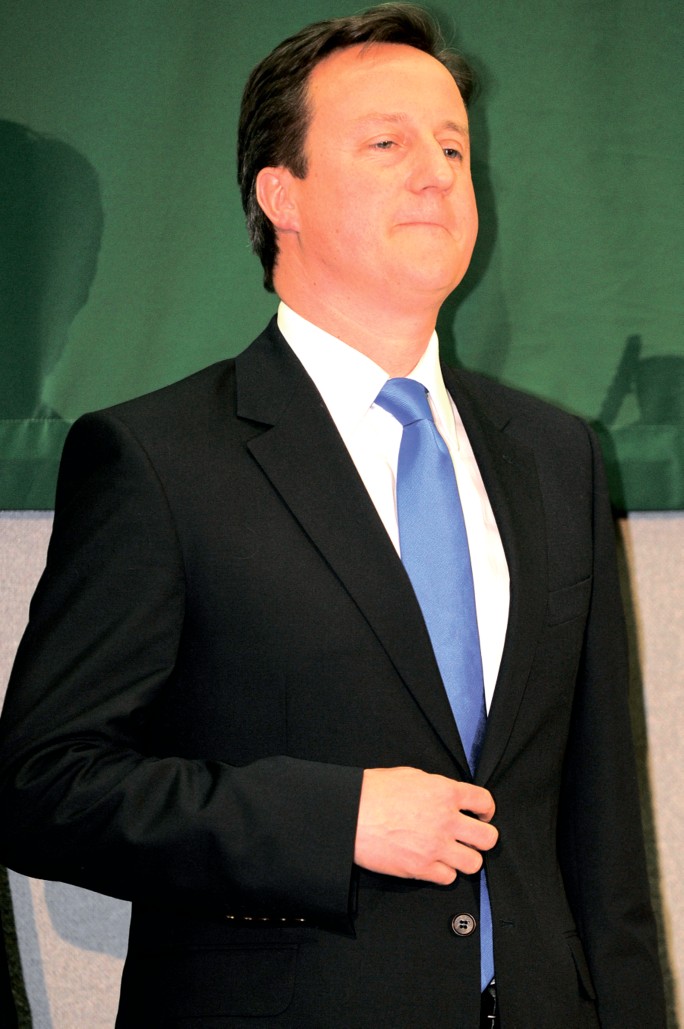
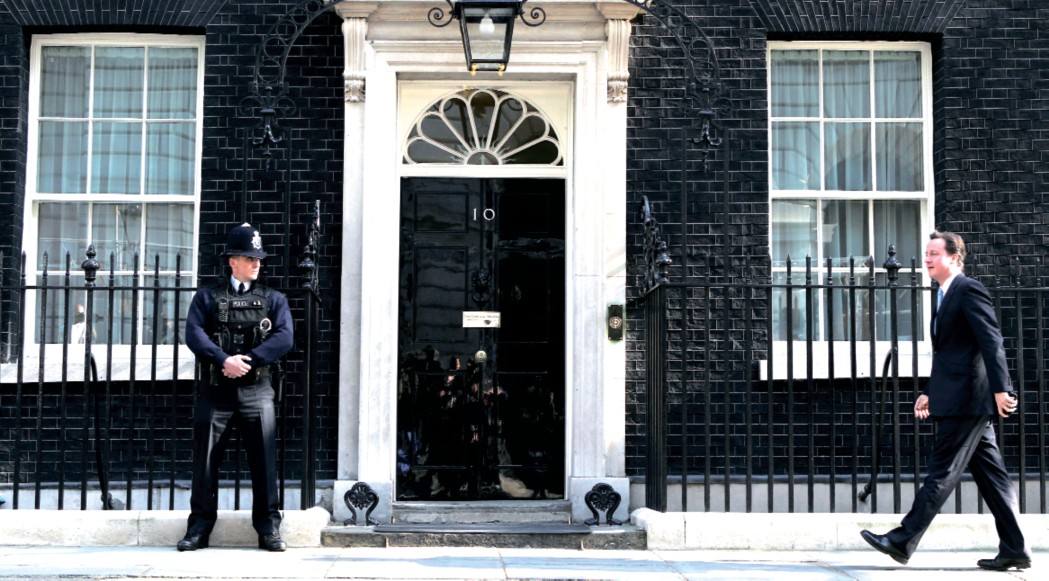
The Tory leader has become a new British prime minister after answering an expressive "yes" to the traditional question of the Queen "Will you form a new administration?" David Cameron becomes the 75th head of the British government and the 12th prime minister under Queen Elizabeth II. In fact, Winston Churchill was the first head of her government.
Cameron, 43, is the youngest British prime minister since 1812. He is Tory to the marrow of bones. He is the descendant of King William IV Hanover (1830-1837) and is related to the ruling Windsor dynasty. He has graduated from prestigious Eton College and Oxford University. His wife is aristocrat Samantha Sheffield, a descendant of King Carl II Stewart (1660-1685). The couple of have two children, while in September Mr. and Mrs. Cameron expect a third child in September.
In his political activity, David Cameron advocates views traditional for conservatives. He is a supporter of family values, maximum liberty for the private enterprise, tax cuts and strengthening of Britain's international positions. At the same time, Cameron is considered to be a conservative of new making: he is a supporter of a developed social security system, has no problem with riding a bicycle to go to work and likes rock music.
In his first public appearance as prime minister, Cameron stated his intention to form a strong and stable coalition with Liberal Democrats. The wig leader Nick Clegg has become deputy prime minister. The coalition cabinet will include a total of five Lib Dem ministers, while about 15 will be part of the cabinet staff. Ministerial portfolios have already been awarded to Vince Cable (business secretary), Danny Alexander (state secretary for Scotland), Chris Huhne (secretary for the environment). Liberal Democrat David Lewis has been appointed as secretary of the treasury (i.e. first deputy finance secretary).
Conservatives formed the basis of the new British cabinet. Namely, William Hague (foreign secretary), George Osborne (chancellor of the exchequer), Liam Fox (defense secretary) and Teresa May (home secretary). It is worthy of note that the cabinet will also include three Tory leaders of different times. Besides the incumbent party leader, David Cameron who has led the Conservative Party since 2005, these are William Hague (1997-2001) and Ian Duncan Smith (2001-2003), who has become the secretary for labor and pensions.
Coalition gets down to business
When reaching a coalition agreement, Conservatives and Lib Dems made a number of concessions to each other. Cameron's biggest concession was a consent to the nationwide vote on rejecting the first-path-the-post system and introducing a proportional ballot system. In exchange, Lib Dems will have to put up with the plans to "speed up" the campaign against Britain's budget deficit. The wigs have agreed to adopt an emergency budget together with the Tory within 50 days, whereby public expenditure would be reduced by 6 billion pounds. Also, Clegg's party is ready to give up the demand to introduce the so-called "mansion tax" and will not insist on an amnesty for illegal migrants. The new cabinet's program also envisages the introduction of a limit on the number of immigrants from outside the EU.
As is evident, the new government's economic agenda proceeds from the current crisis. Britain realizes that the budget deficit which has affected a number of European states is not a feature of several economies, but a manifestation of common problems. Hence the desire of the Conservative and Lib Dem coalition to develop a financial policy proceeding from the crisis on the one hand and, on the other, to prevent an adverse impact of European decisions on the British economy.
It is not by chance that David Cameron has already been labeled an anti-European politician. And there are grounds for that. A year ago Cameron was opposed to the ratification of the EU's main document - the Lisbon agreement. Today, already as prime minister, he warns that London will not converge with Brussels, will not introduce the euro and will not reassign its authority to European bodies. The agreement between Conservatives and Liberal Democrats to conduct a referendum if Britain is offered to pass on to the European Union the right to make decisions on some domestic affairs is evidence of that.
Cameron's foreign policy does not appear likely to be full of surprises. Britain will continue to play the role of the closest US ally. Therefore, London's policy in the Afghan, Iraqi and Iranian issues will be determined accordingly. Cameron's policies with regard to Russia promises to be quite interesting. He has not been very popular in Russia since 2008 when he condemned Moscow's actions during the August war in South Ossetia and even traveled to Georgia to support President Saakashvili. Cameron also banned Russian oligarchs to shop in London in punishment for Moscow's policy in the Caucasus. However, as prime minister Cameron is likely to be more reserved, even over the issue such as Russia's conduct on post-Soviet territory.
RECOMMEND:
 733
733

