

IN EXPECTATION OF A "NEW DAWN"...
Those who predicted the imminent collapse of Iraq are losing
Author: Irina KHALTURINA Baku
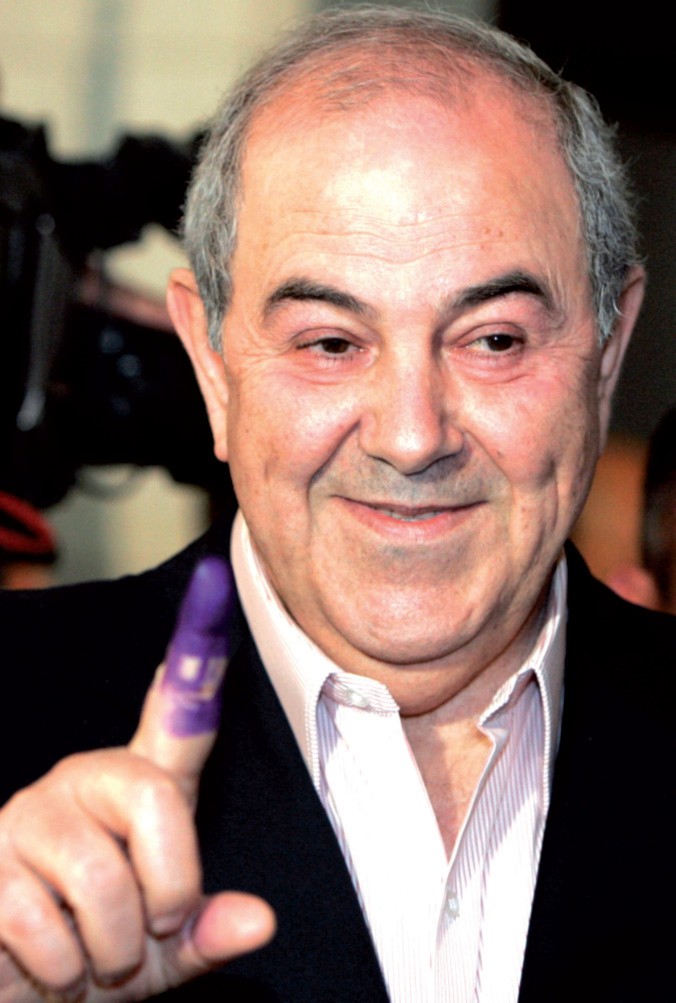
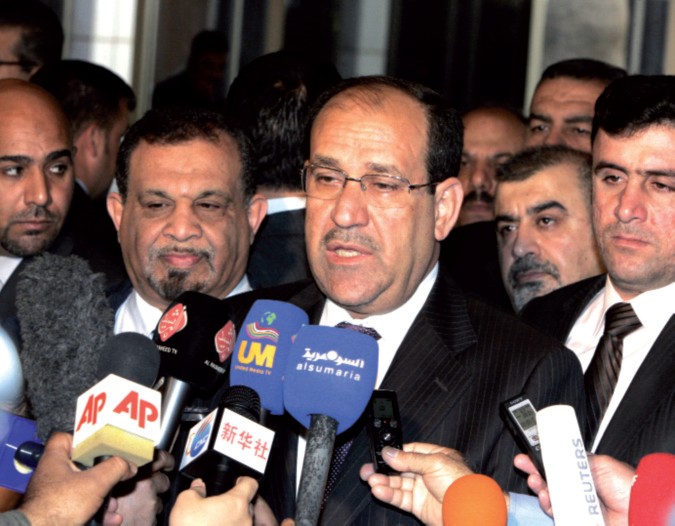
The 7 March parliamentary elections took on an interesting turn in Iraq. During the counting of votes, the State of Law bloc, headed by Prime Minister Nuri al-Maliki, and the Al-Iraqiyyah secular liberal-patriotic bloc of ex-Prime Minister Iyad Allawi, ran neck and neck in the rank of leader. And in this situation it does not matter which of them will eventually keep the advantage. The main thing is something else - the rivals of the Al-Iraqiyyah bloc cannot count on political dominance in any case.
Allawi's success is noteworthy in itself as this politician (ex-premier of the first transitional government) does not want to associate himself with any ethnic or religious groups. For Iraq, which has been torn apart by sectarian and ethnic groups for several years, this means a lot. Suffice it to mention that Allawi, like the current Prime Minister al-Maliki, is a Shiite, but he has managed to win the support of the Sunnis and Kurds. This politician also says that oil revenues should be distributed fairly among all Iraqis, regardless of religion or ethnicity. Allawi also demonstrates his willingness to implement a policy of national consensus.
However, the votes cast for Al-Iraqiyyah imply that Iraqis are tired of uncertainty and violence, which eventually turn out badly for Sunnis, Shiites and Kurds. Allawi, evidently, has the support of the most educated Iraqis, regardless of their religious affiliation, and these people understand that the absence of at least some semblance of national reconciliation could lead to the continuation of the exhausting war of all against all, and even to the disintegration of Iraq.
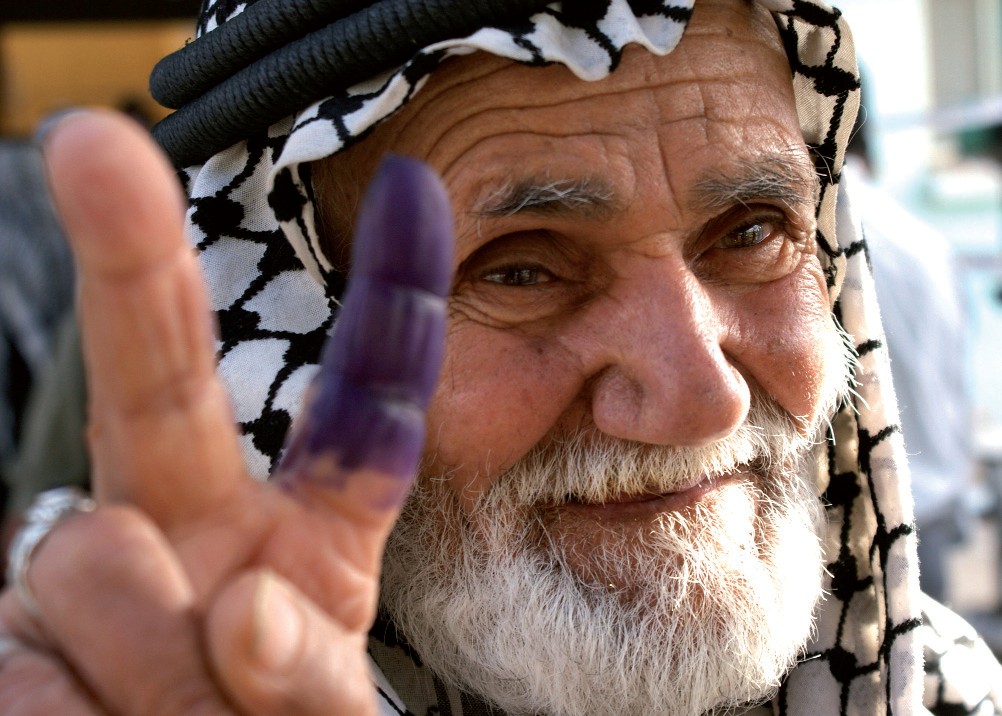
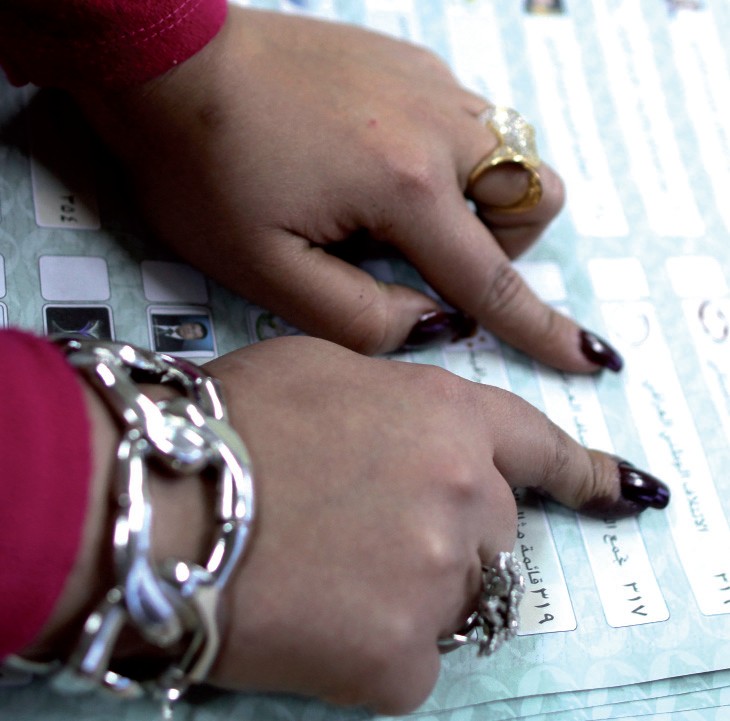
The current parliamentary elections are second in a row after the fall of Saddam Hussein in 2003. The turnout was more than 62 per cent (in northern Iraq, where most Kurds live and where the security situation is much better than in the whole country, the turnout was 80 per cent). The Sunnis, who were a privileged minority until the overthrow of Saddam Hussein, boycotted the elections in 2003, and as a result, were completely removed from the government. But in 2010, they wisely decided to do otherwise and actively participated in the voting.
Meanwhile, there is no doubt that Allawi suits the US much more than Prime Minister Nuri al-Maliki. After all, sectarian or ethnic disunity is precisely the main reason why the White House, despite all its promises and bravado, feels uneasy about leaving this country. In addition, Allawi is known for his criticism of Shiite parties who are loyal (there are different views as to how far this loyalty goes) to Iran. Washington, as you know, fears all the time that against the background of the events surrounding its nuclear programme, Tehran will begin to interfere in Iraqi affairs more and more actively.
It is thus hardly surprising that al-Maliki's coalition has accused Washington and Riyadh of interfering in the electoral process in Iraq (?!) in order to prevent the State of Law bloc from forming a government. It turned out that the prime minister's bloc is leading in Baghdad, Basra and the Shiite provinces in southern and central Iraq, but in all the Sunni provinces, the State of Law coalition did not make it even into the top three, while Al-Iraqiyyah was able to gain a foothold in the top three in six Shiite provinces.
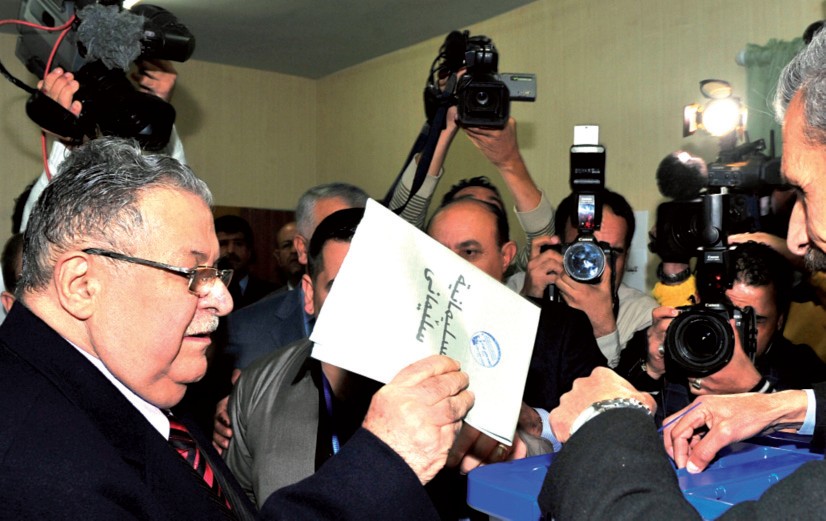
As a result, Nuri al-Maliki and President Jalal Talabani, arguing that there was vote-rigging, demanded a nationwide recount. In their view, the electoral commission "must respond to these demands in order to maintain political stability and avoid a deterioration of security in the country." However, according to Faraj al-Haydari, chairman of the Independent High Electoral Commission (IHEC) of Iraq, Nuri al-Maliki's request cannot be accepted. "If someone doubts, believing that there are errors or mistakes somewhere, let them notify us about them at specific polling centres, not across Iraq," said al-Haydari. It is noteworthy that earlier - before the news of his opponent's success - al-Maliki, speaking on television, described the cases of fraud as very insignificant...
Meanwhile, the Iraqi National Alliance (the Alliance of Shiite parties), which includes the Shiite religious parties, including followers of radical Shiite imam Muqtada al-Sadr, takes third place.
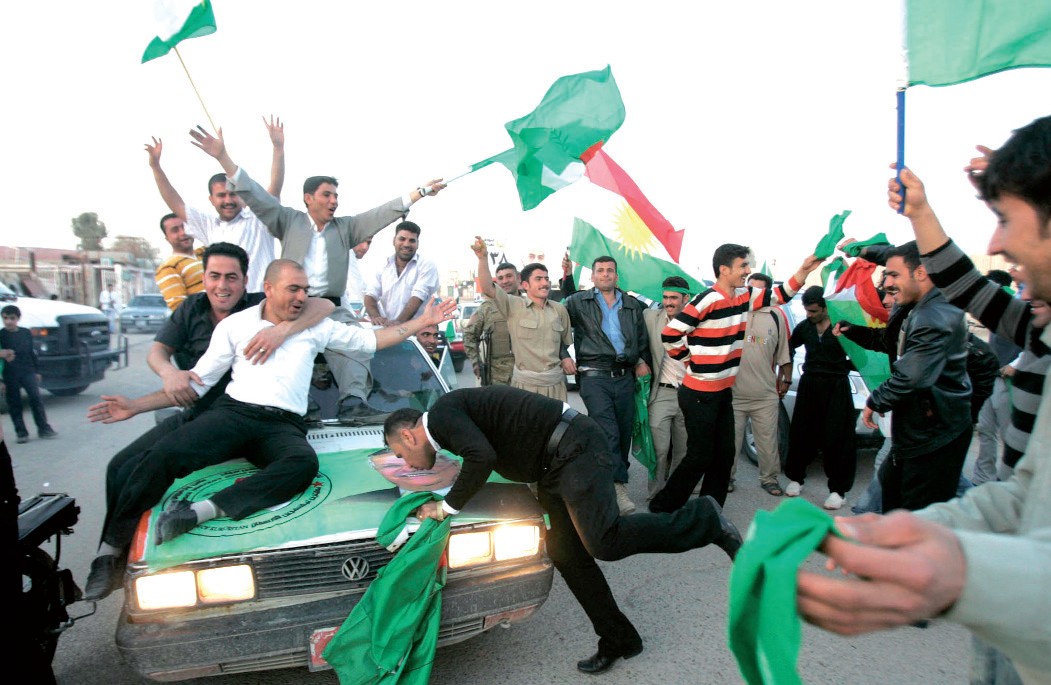
The two leading Kurdish parties, united in the Kurdistan bloc, also crossed the expected threshold and are likely to be able to claim 38 seats in parliament. This is less than in previous elections, so Kurdish Jalal Talabani's interest in the recount is understandable. The Kurds will certainly have their say later - during the formation of the coalition and the government, they will demand certain benefits instead.
Many observers predict that the establishment of a coalition in the 325-seat Iraqi parliament will not be easy. The winner will have to negotiate with other parties, and this process could drag on for months.
It is also clear that under any scenario, Iraq is most likely to get a new prime minister. It seems that even the Shiites are not happy with Al-Maliki, though he is regarded as their representative. The current head of the Iraqi cabinet is a hardliner, and many do not like the fact that he is becoming increasingly dictatorial. But many of his followers are disappointed with the concrete results of the government's work in the economy, not to mention security. Despite the increased security measures, the elections in Baghdad were accompanied by several terrorist attacks, which killed 38 people and injured dozens.
It is noteworthy that apart from Allawi, Muqtada al-Sadr won over some of al-Maliki's supporters. That's to say moderate Shiites began to gravitate to Allawi, while those who hold radical views defected to al-Sadr. He himself is probably not too delighted with al-Maliki who did a lot to "pacify" militants of the Mahdi Army in his time.
Al-Sharq al-Awsat wrote on a possible successor to al-Maliki before. The newspaper spoke about 40-year-old Muhammad Ja'far Baker as-Sadr - the son of the founder and spiritual leader of the Islamic Dawa Party (Al-Dawa) and cousin of Muqtada al-Sadr... Al-Dawa, headed by Nuri al-Maliki, is the linchpin of the State of Law bloc, and the parties of this coalition are unlikely to be happy with the results of last month's parliamentary elections.
However, the post of Iraqi prime minister is most likely to be taken over by a neutral figure who will suit all the political blocs of the country.
Meanwhile, there are serious concerns that violence could escalate during the formation of the coalition in the country. And that could undermine everything the Americans have achieved in Iraq. We cannot rule out new outbreaks of sectarian confrontation, as well as the strengthening of Iraqi al-Qaeda.
And this once again highlights the question of what can await Iraq after the departure of the Americans. For example, The American Conservative says that "a growing number of wise men in Washington urge the Obama administration to change its plans and abandon the full withdrawal of US troops from Iraq by the end of 2011." "It has already been reported that alarmed Gen Ray Odierno, the commander of the US forces in Iraq, is speaking of Plan B to postpone the agreed withdrawal of all combat troops from Iraq, which is scheduled to be completed by August. He pointed to a possible escalation of political instability and violence," the newspaper writes.
A possible "slowdown" in the withdrawal of American troops in the event of a "significant deterioration" in the situation in the country was also mentioned by the Pentagon chief Robert Gates, while Vice President Joe Biden seems to be reflecting on how to explain to the Americans and the world community the presence of "combat units" which will remain in Iraq after the "withdrawal" of the main forces. At the same time, The Wall Street Journal writes that "the US should begin a discussion about long-term military partnership with Iraq after 2011, especially due to the fact that the country will not yet be in a position to defend itself by that time." So, perhaps, the Iraq saga is not yet over for the United States. Robert Gates, for example, has sent out a notice to rename the US military operation in Iraq - from 1 September 2010, the former name "Iraqi Freedom" will be changed to "New Dawn". According to the Pentagon chief, changing the name of the operation should indicate a serious adjustment to the goals and objectives of the American military presence in Iraq...
At the same time, we can say, of course, that the Americans will stay in Iraq to control its hydrocarbon deposits. But on the other hand, for the time being the US troops are really the only force that can prevent the Iraqis from sliding into full-scale violence again. Washington itself asked for this role, and currently, its spending on the war in this Middle Eastern country overshadows all the other economic and geopolitical benefits.
By the way, paradoxical as it may sound, we can assume that everything happening in Iraq now could lead to the emergence of someone like Saddam Hussein - a kind of next generation controlled dictator. Experts increasingly recall that Hussein managed to prevent heterogeneous Iraq from falling into the abyss of religious and ethnic wars (at the same time, his methods are tactfully ignored) and that at some point, he could find common ground with the White House, especially after the Islamic Revolution in Iran...
One reassuring thing is that the political process in Iraq is under way, and those who foretold the imminent collapse of this country are losing. In any case, there is still hope for a "new dawn".
RECOMMEND:
 655
655

