

WHEN THE ALLY IS TO BLAME
US urges Israel to make difficult but necessary choices
Author: Natiq NAZIMOGLU Bakua
The Middle East crisis has, apparently, reached a climax. The Israeli government's decision to build Jewish settlements in East Jerusalem has provoked a situation from which a return to peace talks seems almost impossible.
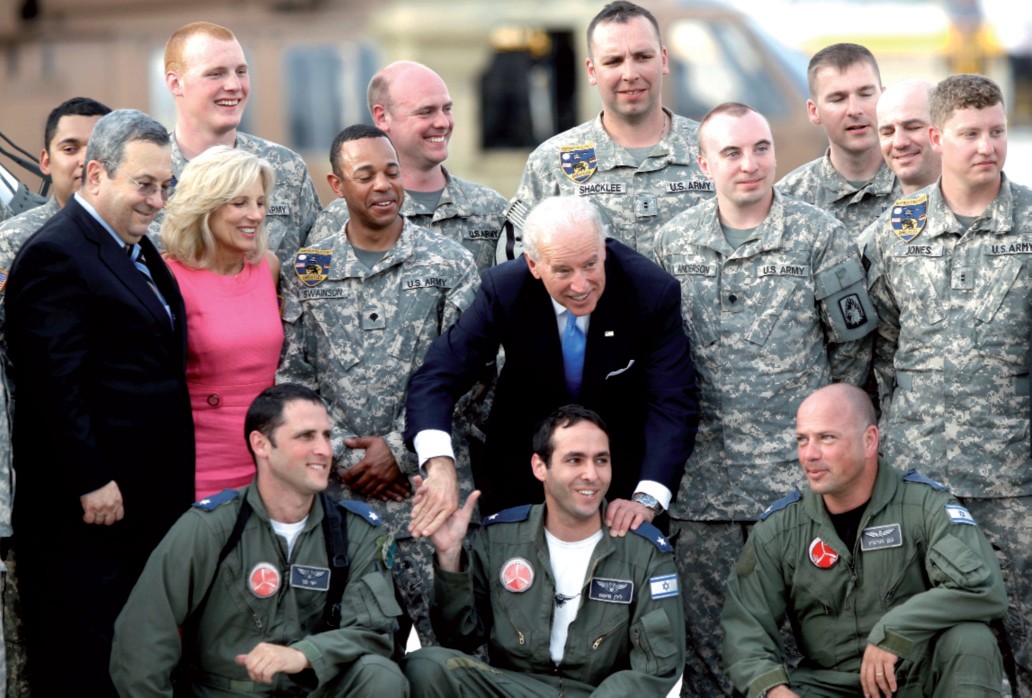
In fact, the beginning of March was very promising for the Middle East peace process. Earlier in the month, the region was visited by US Vice President Joseph Biden, who said after meetings with the Palestinian and Israeli sides, that the negotiations terminated after Tel Aviv's military operation in Gaza Strip in late 2008 - early 2009 had resumed.
However, the prospect of peaceful dialogue suddenly dissipated after Israel announced the construction of 1,600 housing units in the Jewish quarter of Ramat Shlomo in the north-east of Jerusalem, which is considered Palestinian territory. This decision was made public at a time when Joe Biden was visiting Israel.
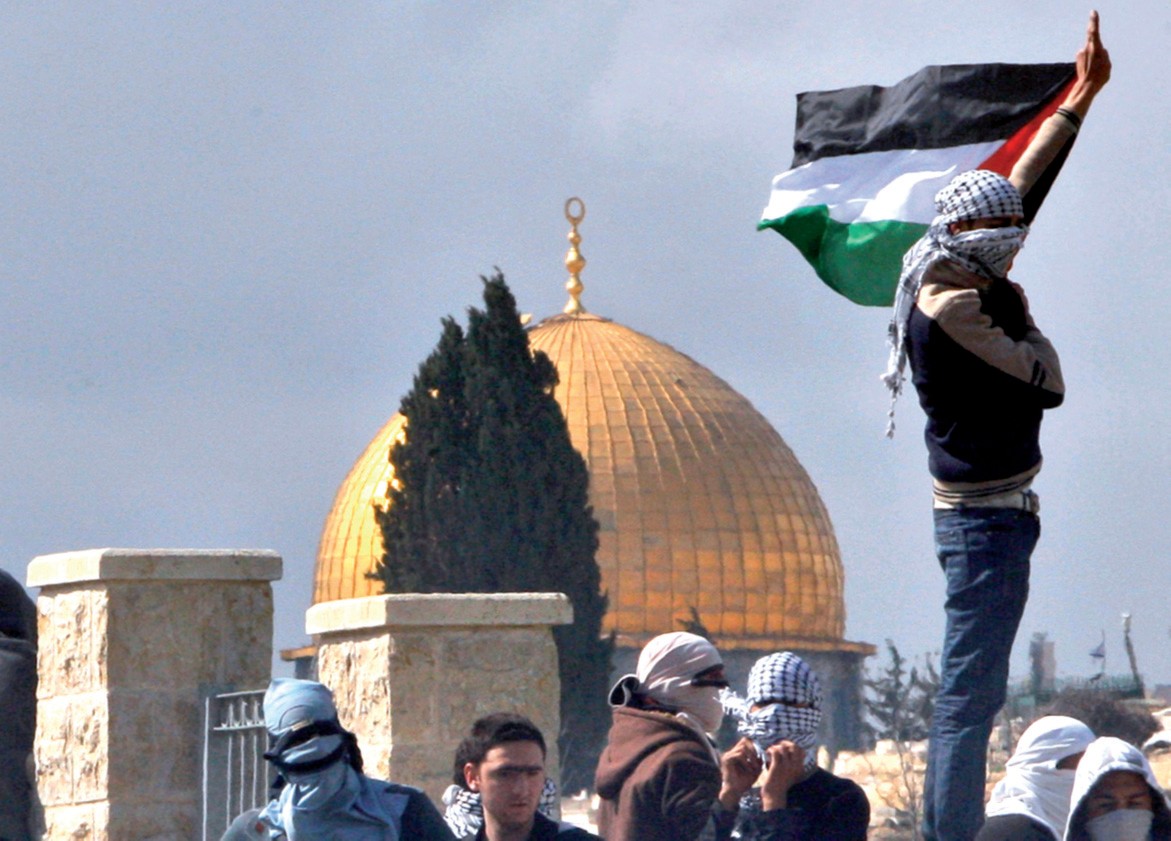
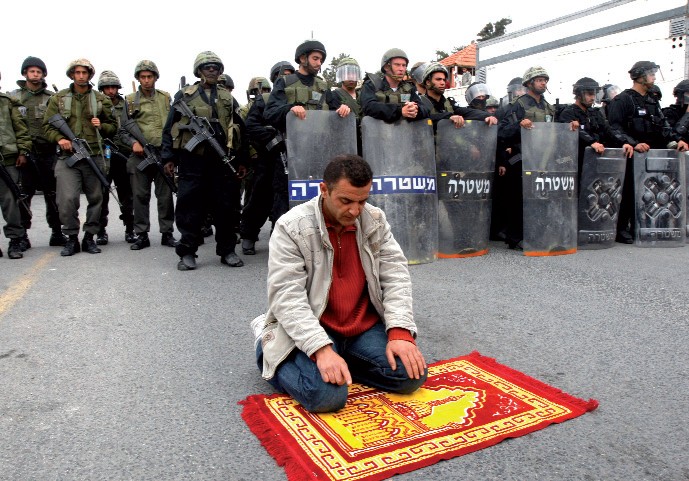
The Palestinian reaction to the announcement of another Israeli settlement in East Jerusalem showed that there can be no talk of peace negotiations yet. Subsequent events took a course familiar to the Middle East conflict. The Palestinians fired rockets into southern Israel, while the Jewish state launched air strikes against the Gaza Strip. Again, there were human casualties...
The international community strongly condemned yet another escalation of the Middle East conflict. The primary responsibility was placed on Israel. Israel's political decisions frustrated even their ally - the United States. Things reached such a point that US Secretary of State Hillary Clinton expressed serious concern about the fate of bilateral US-Israeli relations. A serious statement was issued by the chief of Central Command of the US Armed Forces, General David Petraeus. Not hiding his resentment of Tel Aviv's actions, he noted that the Middle East conflict creates problems for the United States in the region and creates even greater danger for US Army soldiers in Asia.
Washington's criticism of Israeli policies allows us to talk of a possible crisis in relations between the two traditional allies. US President Barack Obama hastened to note the steadfastness of US-Israeli friendship, adding that there can be differences, even between friends. However, the seriousness of these differences was demonstrated by the succeeding visit of Israeli Prime Minister Benjamin Netanyahu to the United States.
Washington made it clear that it insists on its peace plan for the Middle East conflict, which provides for the establishment of a Palestinian state in the near future and ensures Israel's security through the normalization of its relations with Arab countries. But the Americans are not satisfied with the fact that Israel is creating obstacles to the implementation of this plan, building illegal settlements for Jews on territory considered part of a future Palestinian state. Therefore, the US is trying to convince the Israelis that the final status of Jerusalem should be determined by the negotiations on a Middle East settlement. But the resumption of negotiations is impossible in a situation in which Jewish settlements continue to be built in East Jerusalem.
Half an hour before the meeting between Obama and Netanyahu in the White House, the US administration demanded that Israel explain another settlement plan, namely the construction of 20 new housing units for Jews in the Sheikh Jarrah area of East Jerusalem. Following the meeting of the two leaders, the US State Department limited itself to a statement that President Obama had invited Prime Minister Netanyahu to consider concrete steps "to build confidence between the US and Israel".
A more complete confirmation of the US position was reflected in Hillary Clinton's speech to a conference of the American Israel Public Affairs Committee in Washington. Calling again for a settlement of the Palestinian-Israeli conflict based on the principle of "two states for two peoples", she noted that "new construction in East Jerusalem or the West Bank undermines that mutual trust and endangers the proximity talks that are the first step towards the full negotiations that both sides say they want and need." Clinton believes that Israel needs to make difficult but necessary choices if it wants peace with the Palestinians.
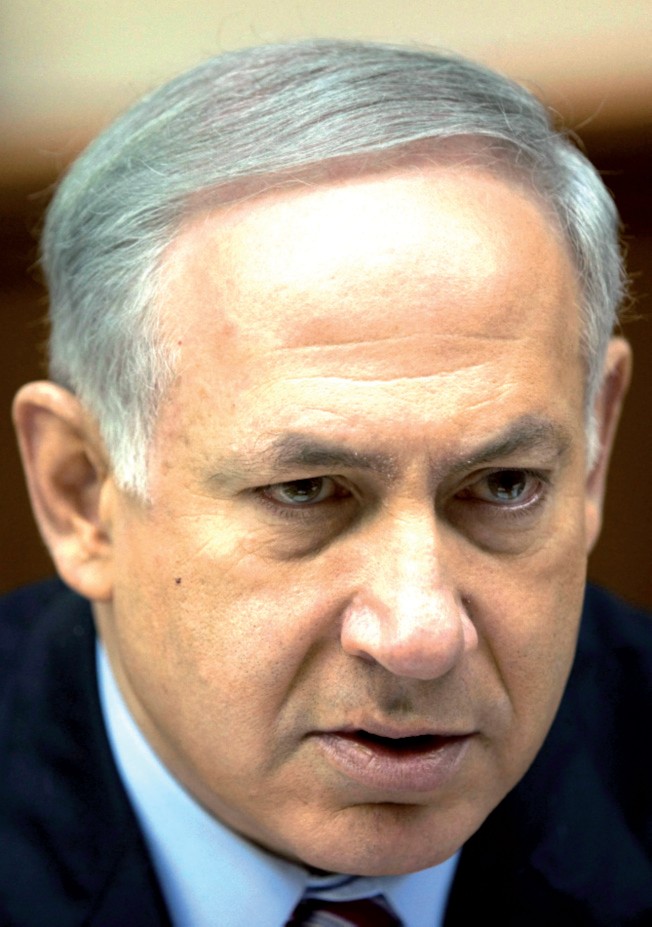
However, Netanyahu's speech at the same conference clearly showed that the Israeli leadership thinks a little bit differently. In any case, the Israeli prime minister made it clear to the US authorities that he would not give up on the idea of expanding Jewish settlements in East Jerusalem. "The Jewish people were building Jerusalem 3,000 years ago and the Jewish people are building Jerusalem today. Jerusalem is not a settlement. It is our capital," said Netanyahu.
Thus Israel continues to consider Jerusalem, including Arab areas occupied during the 1967 war, to be its "single and indivisible" capital. But according to international law, East Jerusalem, like the West Bank, belongs to the occupied territories, whose status should be determined in peace negotiations between the parties to the conflict. Therefore, the international community is accusing Israel, which is building settlements in territories whose status is still uncertain, of violating international law. Such violations can no longer be ignored, even by the United States - a superpower which has for many decades blocked the adoption of measures condemning Israeli policies in international organizations. As a result, Israel is the only country in the world whose actual capital, Jerusalem, is not recognized by any other country.
Yes, the Israeli leadership is willing to hold direct talks with Palestinian Authority Chairman Mahmud Abbas. However, Israel proposes negotiations without conditions, while the main condition is that Israel should give up the policy of illegal resettlement. The Palestinian side cannot recognize what Israel considers to be entirely consistent with its "historical legacy". As a result, there is a situation of no return to peace, which can only be reversed if Israel accepts what Hillary Clinton called "difficult but necessary choices".
The other members of the Middle East Quartet - the UN, EU and Russia - are also encouraging the Israelis to make this choice. At their latest meeting in Moscow, they also called for an immediate resumption of peace talks between Israel and the Palestinian Authority. The "Quartet" of Middle East peace process sponsors expressed determination to secure the proclamation of a Palestinian state within two years.
The international mediators made it clear, directly or indirectly, that the further deterioration in the Middle East conflict threatens, above all, the interests of Israel itself. Without progress in negotiations with the Palestinians, it is more and more difficult to curb growing anti-Israeli sentiment in the Muslim world. It is significant that Saudi Arabia recently made a statement calling on the "Quartet" to demand an explanation from the Israeli leadership about "the violation of international law and ignoring the will of the international community." Riyadh accuses the Israeli government of flagrantly violating the rights of Arabs and Muslims in Jerusalem and urges the international community to exert pressure on Israel to force it to "stop all unilateral actions that are contrary to the peace process."
Apparently, the world has reached consensus about the main threat that the Arab-Israeli conflict poses to the global order. The point is that it provokes a clash of civilizations and represents a great threat to the future of mankind. Barack Obama's recognition of differences with Israel and the sensational statement by General Petraeus prove that such a very bleak prospect is not at all in the interests of the United States, which positions itself as a leading force in the international security system. However, the further deterioration in the Middle East conflict brings this prospect forward, contributing to the spread not of only anti-Israeli, but anti-American, sentiment in the Muslim East. After all, the US is Israel's main ally and guarantor of its security. But this semi-official status of the United States is not entirely consistent with the goals that the new American administration has set itself - namely, to raise the international prestige of the United States and to establish good relations with Muslim countries, some of which are active and potential allies of the superpower.
Torn between the two strategic objectives - the defence of Israel and friendship with the Muslim world, Washington decided to influence its ally. This is not surprising, because pressure on enemies of the ally is pointless in a situation in which the latter allows itself to be blamed for the spread of the conflict.
RECOMMEND:
 671
671

