

THE END OF THE TERRORIST ERA?
Öcalan’s Disarmament Call May Mark a Turning Point in Ending Kurdish Terrorism in Türkiye
Author: NURANI
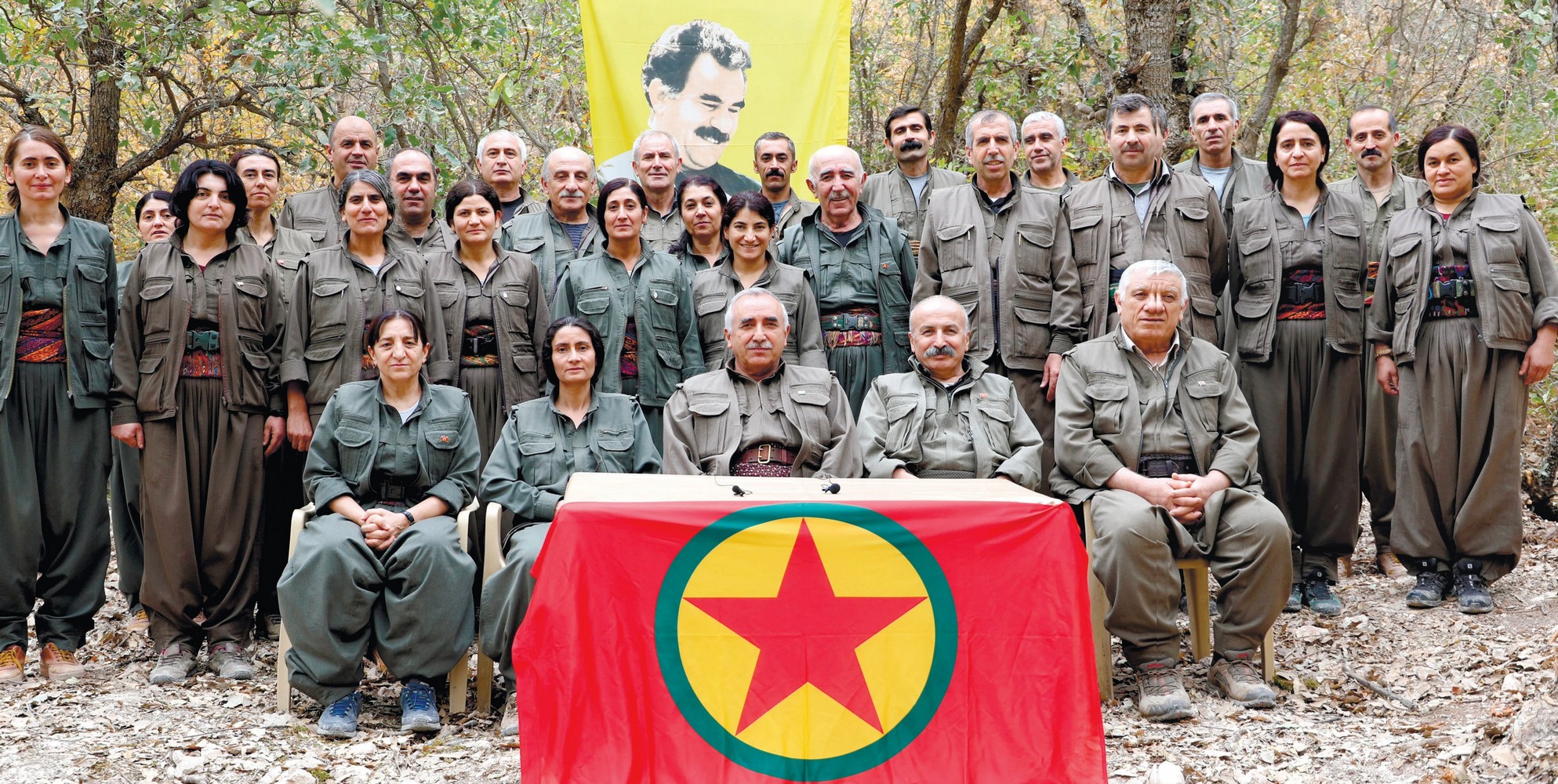
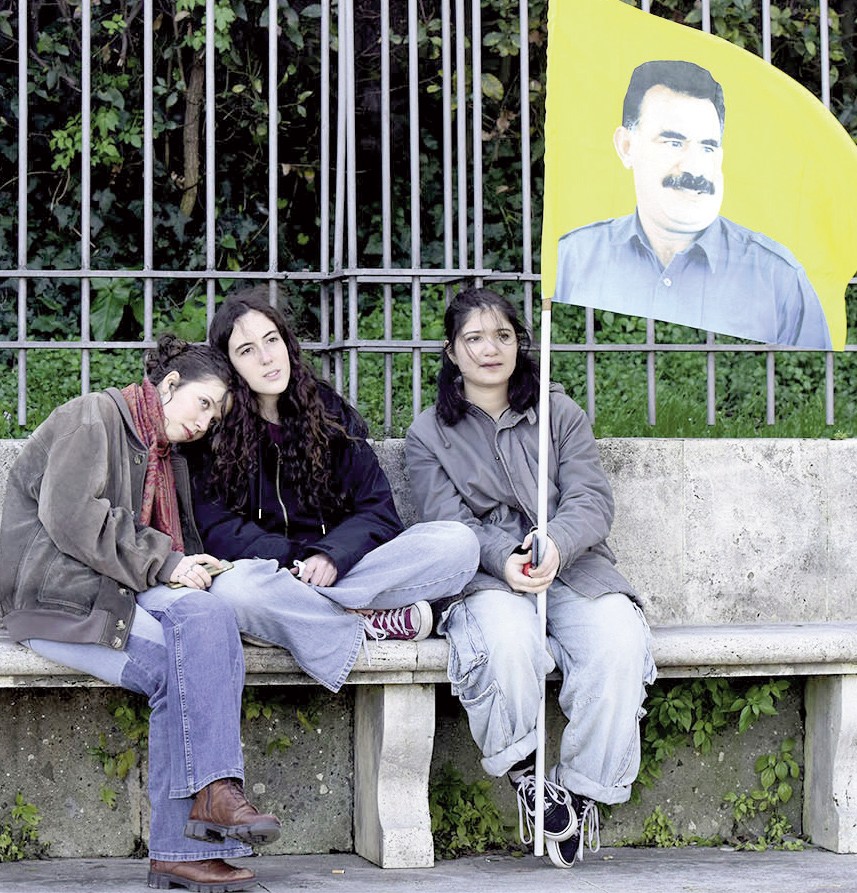
A political bombshell has hit Türkiye. Abdullah Öcalan, leader of the PKK terrorist organisation and imprisoned on Imrali Island since 1999, has called for the disarmament and dissolution of the Kurdistan Workers’ Party (PKK). Öcalan, who has continued to direct the PKK even from prison and is blamed for the deaths of at least 40,000 people in southeastern Türkiye, appears to have shifted his tone. In his statement, he highlighted the "mutual cooperation and alliance" that has defined Turkish-Kurdish relations for over 1,000 years, stressing that Turks and Kurds remained together to survive the struggle against hegemonic powers. He added that "the appeal by Mr. Devlet Bahçeli, along with the will expressed by Mr. President and the positive reaction of other political parties, has created the conditions under which I am making this call to lay down arms, and I assume historical responsibility for it."
Following Öcalan's statement, the PKK announced yet another ceasefire. Turkish sources suggest that the organisation may convene as early as April to formally declare its dissolution.
Most analysts see Öcalan's address as a major political victory for Türkiye. Eliminating the PKK could resolve one of the country’s most persistent challenges: terrorism in the southeast. PKK militants have also launched attacks in major Turkish cities, including Istanbul and Ankara.
The "Irish Model" or Military Defeat?
Commentators liken Öcalan's call to the "Good Friday Agreement" in Northern Ireland. Until the late 1990s, British authorities waged a tough battle against terrorist organisations in Ulster, the most dangerous being the Irish Republican Army (IRA), which fought for Northern Ireland's unification with Ireland. The IRA earned a reputation as one of Europe's deadliest, most professional terrorist groups. It staged numerous bloody attacks and assassination attempts—even Hollywood thrillers like Patriot Games and The Devil's Own drew inspiration from it.
Though the IRA had been active since the 1960s, the armed struggle for Northern Ireland's independence spanned centuries. Ultimately, negotiations brought resolution: the IRA laid down arms and transformed into the legal political party Sinn Féin.
Before Öcalan’s call, the PKK had suffered severe losses, including losing key patrons. In Iraq, its operations were dismantled entirely. After the 2017 failed bid for Iraqi Kurdistan’s independence, regional Kurdish authorities sought to stabilise relations with Baghdad and Ankara. They no longer tolerate PKK militants operating freely on their territory as they did during Saddam Hussein's era.
Perhaps the most devastating blow to the PKK was the collapse of Bashar al-Assad’s regime in Syria. Though the Kurds were courted by various parties, including the US, the PKK drew its strongest support from Damascus. Analysts recall that in 1998, Türkiye and Syria nearly went to war over Syrian backing of the PKK. It was then that Syrian authorities expelled Öcalan, who drifted through several countries before being captured in Kenya by Turkish intelligence. With Assad’s regime now in ruins, PKK leaders realise they’ve lost critical allies, leaving negotiation with Ankara their only viable option.
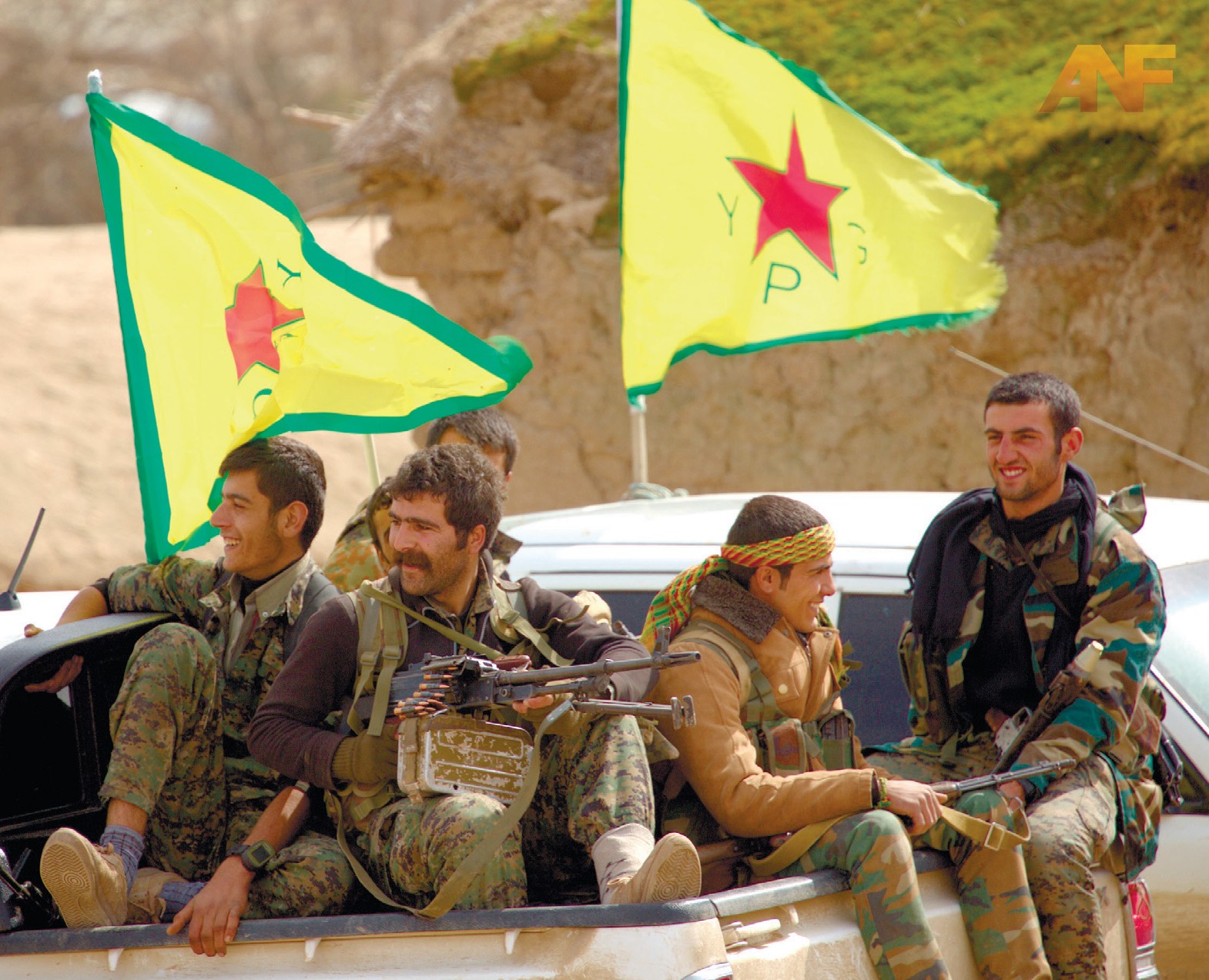
Yet challenges remain. Numerous leaks speculate on the reconciliation process: PKK militants in Türkiye will reportedly surrender arms to Turkish authorities, while those in Syria may lay down weapons to local authorities. However, questions linger—particularly about the fate of senior PKK figures on wanted lists. Amnesty is not currently part of the discussion. While rank-and-file fighters might be pardoned, leadership figures face a murkier future. Additionally, it’s unclear how Kurdish formations, such as the Syrian Democratic Forces (viewed in Türkiye as PKK affiliates), will react to Öcalan’s call.
From "Greater Armenia" to "Socialist Kurdistan"
The PKK emerged in the early 1970s amid a surge of radical leftist and Marxist groups in Türkiye, most of which are now forgotten. The PKK might have suffered the same fate had it not attracted the attention of Soviet intelligence. Soviet operatives, including Yevgeny Primakov, had courted Kurdish politicians across the Middle East since the 1950s. The PKK offered a means to directly target NATO-member Türkiye, long considered the southern bulwark of the alliance.
Strikingly, the PKK quickly forged ties with Armenian terrorist organisations, despite pursuing conflicting territorial aims. While Armenian militants historically sought to establish "Greater Armenia" or "Western Armenia" on Eastern Anatolian lands, the PKK envisioned an "independent socialist Kurdistan" in the same area.
Eastern Anatolia holds a unique place in Türkiye’s geography. It lacks vast natural resources and arable land, making it one of the country’s poorest regions. Mustafa Kemal Atatürk’s land reforms never fully reached the area. Yet, it occupies a strategic mountainous position—a "commanding height" that could allow forces to advance toward the Bosporus and Dardanelles. Thus, since World War I, external powers have eyed the region not for its resources or history but for its geopolitical value.
During WWI, efforts to detach these territories from Türkiye were masked under the guise of "protecting Armenian Christians". In the early 1920s, an uprising flared, driven largely by local aristocrats seeking to derail land reform, though it was framed in religious and ethnic terms and later recast as a "Kurdish rebellion". For decades afterward, external interest waned.
However, in the 1970s, flush with "petrodollars" from West Siberian oil exports, the USSR began funding both Armenian diaspora groups (reviving talk of the Treaty of Sèvres and the "Six Vilayets") and Kurdish separatists.
Experts today warn that, despite the PKK’s potential dissolution, foreign geopolitical interests in Eastern Anatolia persist. While the PKK may disappear, the danger remains that new proxies could be used to press territorial claims against Türkiye.
Modern Türkiye, however, is a very different country from the 1920s or 1970s. Ankara is not only geopolitically stronger but is now a regional power, boasting NATO's second-largest army and highly capable intelligence services. The country’s involvement in Syria, Libya, and various African states signals the broader strategic ambitions Ankara may be pursuing.
RECOMMEND:
 278
278

