

RESPECT FOR THE FLAG
Agdes BAGHIRZADE: "As soon as you cross the borders of Azerbaijan, apart from being an artist, curator, whoever, you start representing your country"
Author: Tatiana IVANAYEVA
The Scottish sculptor and graphic artist Eduardo Paolozzi once suggested that "creativity has to do with the quality of communication". Perhaps that is why the most diverse creative projects should be perceived not only as a thematic collective, but also as personal expressions. After all, the dynamic between participants always varies depending on the curator. This is why some projects highlight the artist’s world—even if the curator’s guidance was present—while others obscure the artist’s individuality in favour of the curator’s own vision.
Today, the most compelling projects are often those where the curator’s presence is unmistakable. These are sharper, leaving the impression that curators excel over the artists themselves at synthesising material and conveying ideas. It is invariably more engaging to encounter a message woven from many smaller voices.
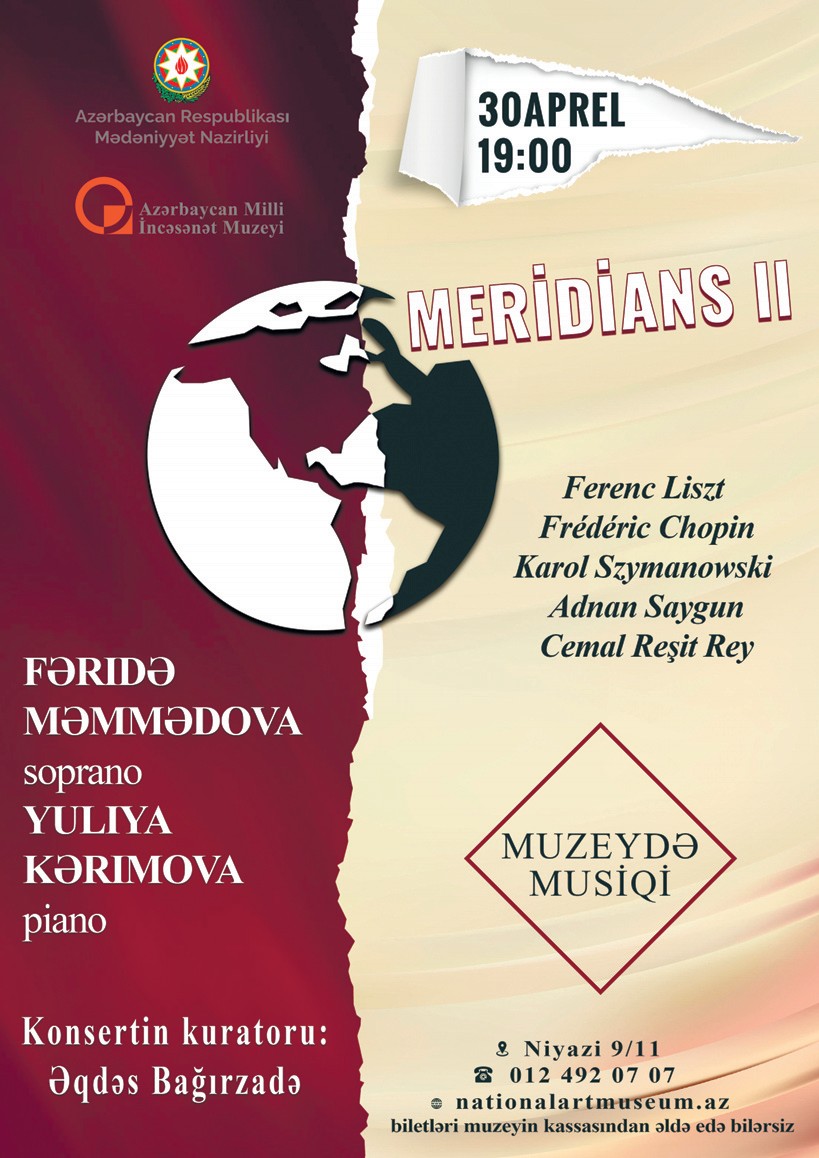
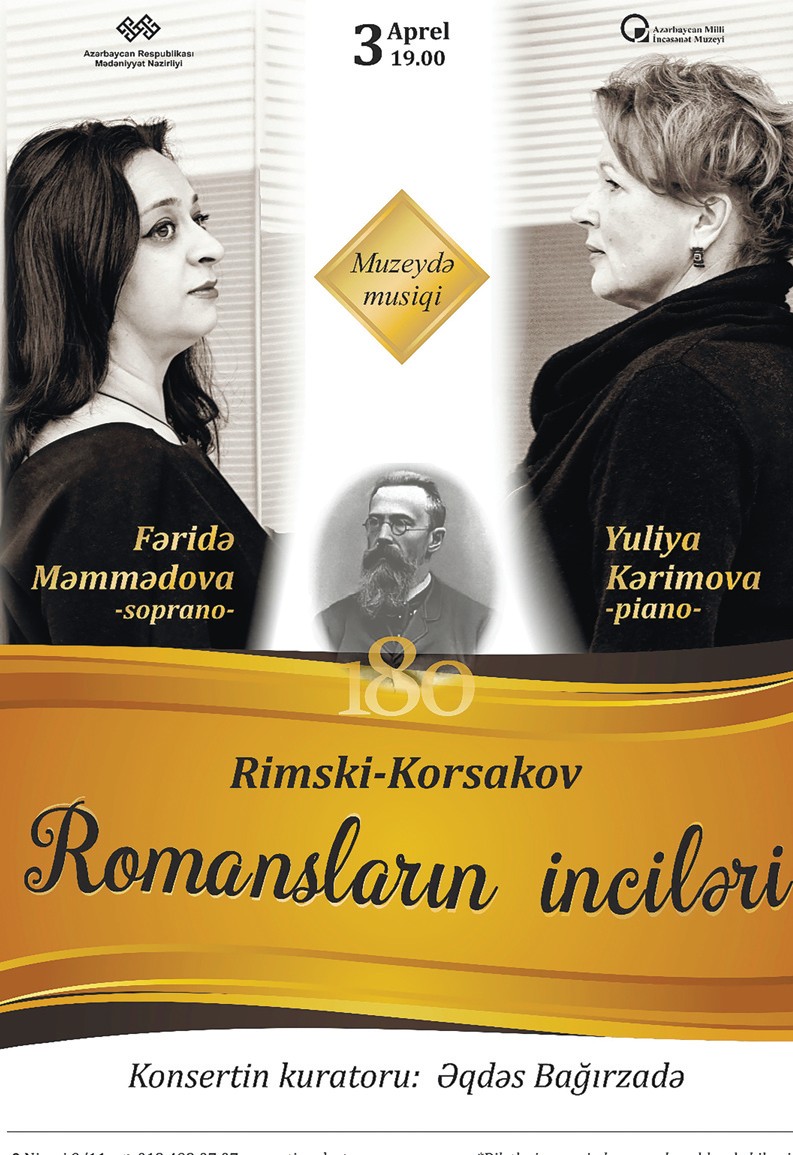
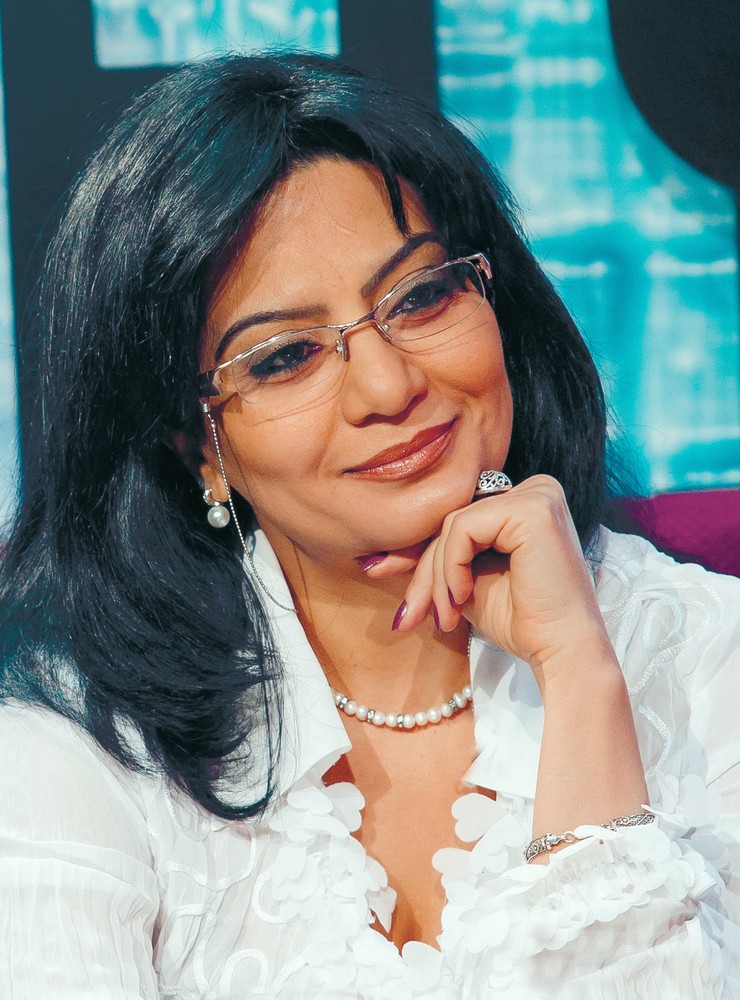
The photographer Agdes Baghirzade is known not just for her participation in numerous exhibitions. Curatorial work has also become a cornerstone of her professional practice.
"How do you understand creativity?"
"Creativity is self-expression. To me, it’s the ability to reveal your inner world—your thoughts, your perspective—through a medium. Musicians do it through sound; artists, through visuals. I’ve merged two disciplines in my own work. My first training was as a musician, and I can’t imagine myself outside that world. From childhood, I was immersed in the Bülbül Specialised Secondary Music School, and after graduating, I had a foundation in classical music. At the same time, I’m a photographer who strives to imbue this art with the ‘sound’ of my unique vision."
"No other paths tempted you?"
"I grew up in a creative family. Early exposure to renowned figures across the arts shaped my outlook. Interestingly, my mother, though a musician, was passionate about photography. Naturally, that interest passed to me. Back then, we used film cameras, and I still remember watching her develop photos in the darkroom—a ritual that felt almost magical. By school, everyone knew me as the girl with sheet music in one hand and a camera in the other. My transition from amateur to professional came in 1999, when I won a competition. To those who’d known me since childhood, this was no surprise."
"Education surely plays a role."
"I studied at Western University, earning degrees in both Management and Business Administration and Banking. After working in corporate settings, I realised firmly that this world wasn’t for me. No matter how I tried to adapt, my mind is wired for creativity. Still, that knowledge proved useful later. Alongside my artistic pursuits, a rational approach to problem-solving became invaluable. When I committed to photography, I was fortunate to study at the University of Kansas City in the US, specialising in photography, art management, and marketing."
"A kind of professional dualism..."
"All my training shaped my personal methodology for projects. Business acumen—managing relationships, operations, and teams—is its own discipline. Blending these skills allowed me to realise my visions as a curator of both musical and visual projects. Not everyone with an idea can execute it flawlessly. Using my expertise, I collaborate with creative professionals, who are famously challenging to direct. But because I’m one of them, I navigate their sensitivities deftly, ensuring the project’s vision is honoured. To date, I’ve had no failures. Quality in both execution and management is non-negotiable. I take pride in attracting exceptional talent. With 25 years of experience, I can confidently say my invitations are met with enthusiasm."
"How do music and visual arts curation coexist in your practice?"
"Seamlessly. This duality feels natural—perhaps rooted in my childhood, surrounded by musicians, artists, writers, and critics. The two disciplines don’t clash; they complement."
"Is visual art simply music translated to canvas?"
"In my case, it’s expressed through art photography. I’ve collaborated with painters and curated international festivals, so my experience spans both creation and management. Beyond participating in global projects, I’ve also served as a juror."
"How do you assess the state of art today?"
"Currently, much of what’s produced doesn’t meet my standards. This is subjective, of course. I’m not criticising the younger generation—there are brilliant artists and musicians among them. As a curator, I must stay attuned to emerging voices, so I scrutinise new projects closely. But in my view, the bar has lowered. Works that wouldn’t have been exhibited a decade ago now make it into shows. There used to be a clear professional threshold."
"Could societal shifts be the cause?"
"Partly. But even as society evolves, certain standards must endure. Art must remain elevated—transcending the mundane. I acknowledge that art and life intersect, and society influences creativity. Yet artists shouldn’t merely cater to public taste; they must lead and educate it. Reviewing submissions for exhibitions or competitions, I’m baffled by some selections. The same applies to music."
"Could they be the ‘best of the worst’? A symptom of the ‘click-and-done’ mentality?"
"Then that’s a profound issue! Modern gadgets have trivialised photography. Every smartphone owner fancies themselves a ‘genius’. The deeper problem is that Azerbaijan lacks a robust tradition of fine art photography. Too often, it’s reduced to mere ‘pictures’—a term I reject outright. I equate it to asking a painter to ‘doodle something’ or demanding a musician play ‘Murka’ instead of Chopin. If competition finalists are truly the ‘best of the worst’, they shouldn’t be displayed. A project should feature three outstanding works, not a dozen mediocre ones. Once, as a juror, I championed a technically flawed but conceptually rich submission. It earned a nomination because it had something to say. I’ll always prefer imperfect depth over polished emptiness. Art must resonate—energise, converse, provoke."
"But here, a dissonance can emerge between the artistic and the material."
"Absolutely! But let us remember that there are both commercial and artistic forms of art. It is evident, for instance, that creativity is generally costly, and it is entirely acceptable to take on part-time work. However, it is not acceptable to intertwine commercialism with the creative process. This applies to all areas of art. There must be gradation and a clear understanding of one’s actions. One must be able to distinguish the moment of soulful investment from the calculation of remuneration. By the way, I do not exclude myself! I too take on commercial assignments. Admittedly, private celebrations are not part of that practice. Yet even when working at conferences or presentations, I inevitably capture intriguing images through my lens. My creative instinct invariably asserts itself. The client may not require those particular shots, but my artistic soul finds satisfaction in them. It is a joy when one can experience pleasure in the process of ‘earning’."
"Once again, it’s a matter of combination..."
"There is simply no way to rid me of the desire and ability to combine and intertwine. It’s impossible. I perceive everything I observe through the prism of art. That is how my eyes see it, and how my ears interpret it."
"Is the project the realisation of a personal, individual vision, or more of a reflection of the participants’ expectations?"
"It depends entirely on the approach. If I am supervising the project, then there is definitely overlap. In that context, it becomes an interaction between me and the participants. The vision of the final result may evolve during implementation, as both sides contribute. Being a creative person myself, I understand that one cannot dictate to colleagues. One cannot impose rigid conditions or draw strict boundaries, thereby placing others in a figurative cage. That would no longer be creativity! Even in the role of curator or creative director, I make it a point to give participating artists a chance to ‘speak up’. I ensure they have the opportunity to view each image or concept through my lens and express their perspectives. And perhaps their interpretation will enrich my own idea! A project is always a dialogue—in every form. You cannot engage with others through monologue. Creative interaction requires the ability to listen and to hear one another. A prerequisite is reaching some form of consensus, so that I remain invested in the realisation of my vision while the participants stay engaged as well—within the scope of my overall vision. A curator’s opinion, when tactfully expressed, brings the participant closer to their interpretation, while still honouring and showcasing their individuality as an artist or musician."
"You have experienced both sides. Where do you feel most at ease?"
"It depends on the people involved. I also know how to adapt my role within a particular format, adjusting my perception accordingly. When I participate as a photographer in a given project, I accept the curator’s requirements without issue, fully understanding their reasoning. In fact, I even try to lend subtle support where I can. It reminds me of the relationship between a director and an actor—where the latter fulfils the vision of the former. It becomes a form of collaboration. But when I work on my personal projects, I become my own curator."
"Do you ever reflect on your own projects from the perspective of someone who once participated in others’ work?"
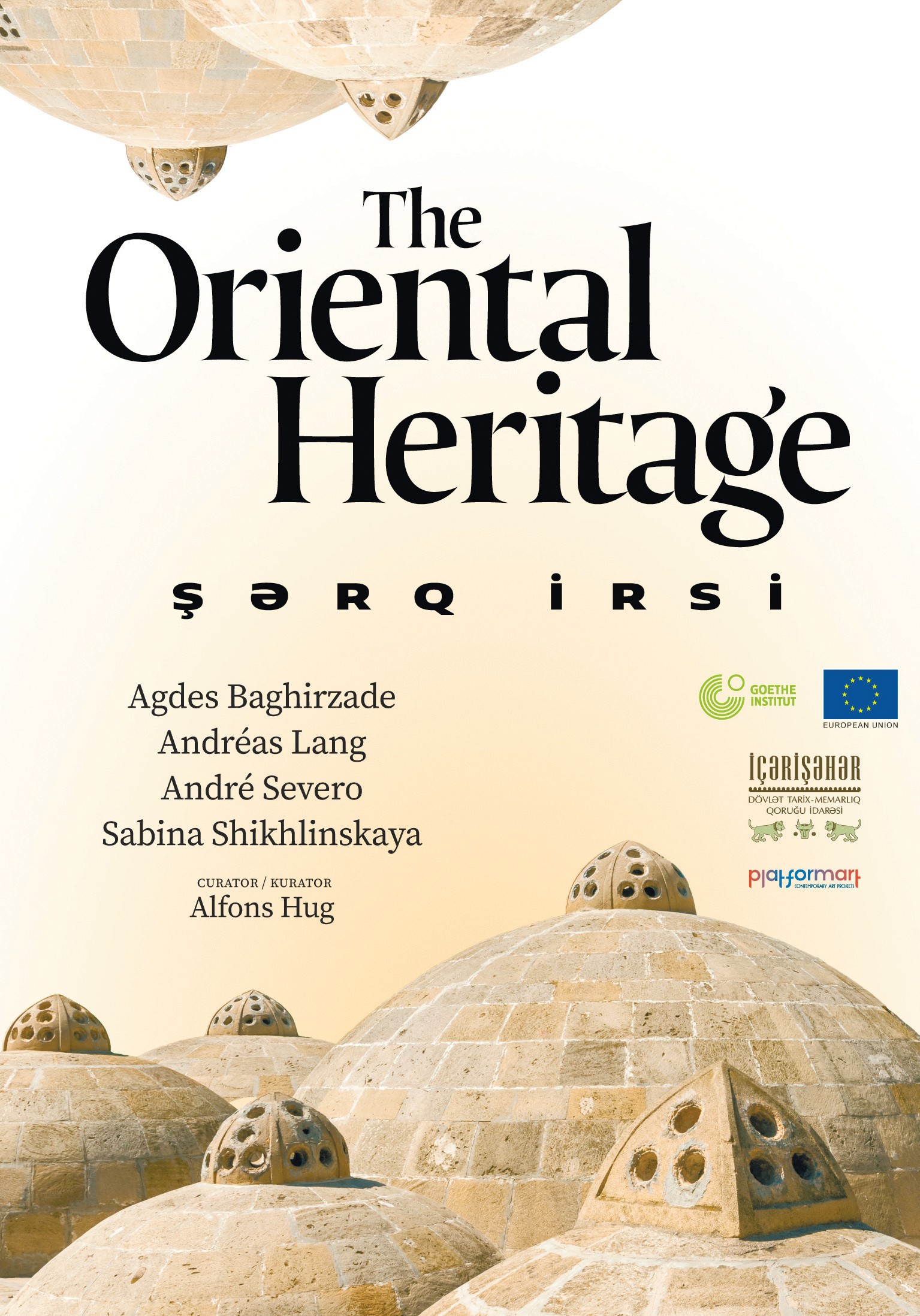
"I am always learning. Every project I have taken part in serves as a learning experience. For example, I worked with Alfons Hoog, who heads the Goethe Institute. We collaborated on two major international projects. In addition to myself, the artist Sabina Shikhlinskaya—who has curated numerous contemporary art initiatives—was also involved. We both fulfilled the tasks set forth by Hoog, acting as curator. I learned a great deal from him. I had to reconsider aspects of my own perspective, acknowledging his authority over the final outcome. I will never forget the moment we simply looked at one another—I was experiencing conflicting, complex emotions. It became clear he was only hearing his own voice, and my efforts to communicate were not succeeding. To avoid exacerbating the situation, we agreed to take a couple of days’ break. During that time, he wrote out his vision of the project. Reading it, I realised he was simply struggling to articulate the concept. Through written correspondence, the thematic and conceptual core of the project came into focus—which is vital for me as an artist to grasp. That is why I always say: much depends on whom you work with. One must learn to respect others’ viewpoints, to hear and understand the curator. If people are willing to listen, engage, and communicate in a spirit of dialogue, that already lays the foundation for success."
"Do you choose to work with people you simply enjoy socialising with?"
"Not at all... I inherently separate personality from talent in an artist or musician. As a curator, I assess how creatively compelling I find a participant. Not every genius is an agreeable person. History offers examples of brilliant individuals who, in daily life, were unpleasant to be around. In this respect, I switch on my ‘manager’s brain’ and evaluate how qualified this or that person is—and that becomes the foundation for professional collaboration. When both expertise and a pleasant character are present in one person, it is certainly a bonus."
"What does it mean to be part of an international project?"
"It would be easier to name the countries where my works have not been exhibited. One of the most memorable experiences was a major tour of the US, organised by the Friends of Azerbaijani Culture Foundation. I represented our fine arts with a personal exhibition. The final stop of the tour was the University of California, Los Angeles. On the day of what is called ‘Black April’, I opened the exhibition Salam, Azerbaijan, which featured ethnic motifs, portraits of creative intellectuals, cultural heritage works, and children born and living in occupied Garabagh. The exhibition provoked provocation from the Armenian diaspora. I will never forget how we overcame those artificial obstacles. With the help and support of our Consulate General, it took just a few hours to cover the walls—previously plastered with posters and photos of the so-called ‘genocide’—with paper tablecloths, over which my artworks were placed. I remember how, at the exhibition’s peak, a group of young provocateurs burst in, shouting slogans and scattering flyers. It was the first time my exhibition was guarded by the L.A. State Police. That experience gave me a real sense of what it means to represent Azerbaijan abroad."
"What is behind 'being a project supervisor'?"
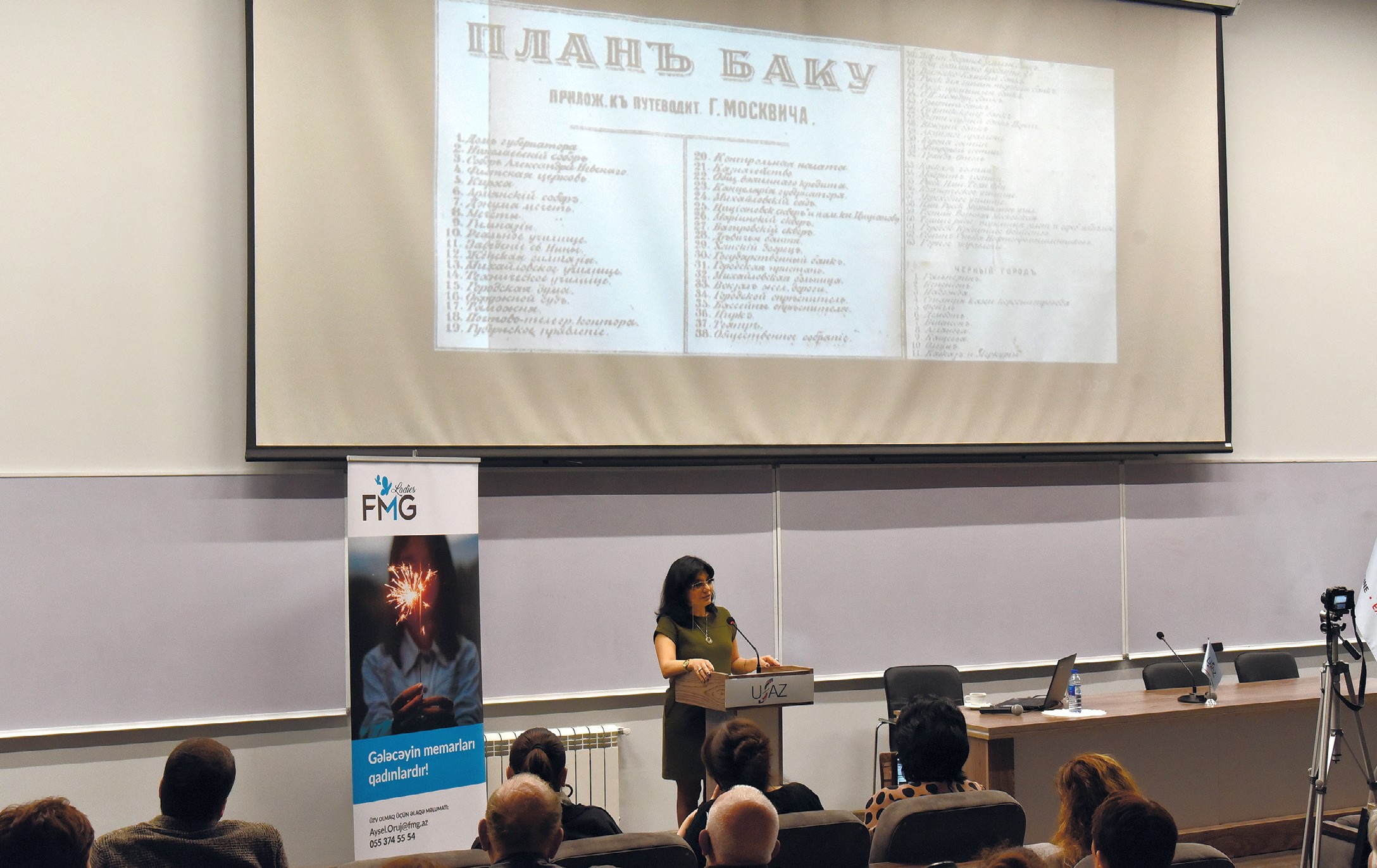
"I have worked both as a curator and a co-curator of international projects, and also as a photographer. Regardless of the format or location, I have never allowed myself any indulgence. Especially when the venue was Baku—there, the responsibility is much greater. Because in Baku, I represent myself—Agdes Baghirova. And here, there is no forgiveness for carelessness. You are known here. And any misstep will be brought up time and again. Nonetheless, it is wrong to distinguish based on location. One must maintain quality and standards—everywhere! Whether at home or abroad. The moment you step beyond Azerbaijan’s borders, in addition to being an artist, a curator—whatever your role may be—you also become a representative of your country. You are no longer just yourself; you carry the flag. For instance, whenever I attend international projects in any capacity, I remain fully aware that in that setting, Agdes Baghirova is representing Azerbaijan. And however I present myself, that is how people will form their impression of the kind of art we produce. It is a distinct kind of responsibility, where both my name and my family surname serve as a guarantee."
RECOMMEND:
 289
289

