

LEGITIMACY FORMULA
On Syria's inclusive government and its reformation
Author: Ilgar VELIZADE
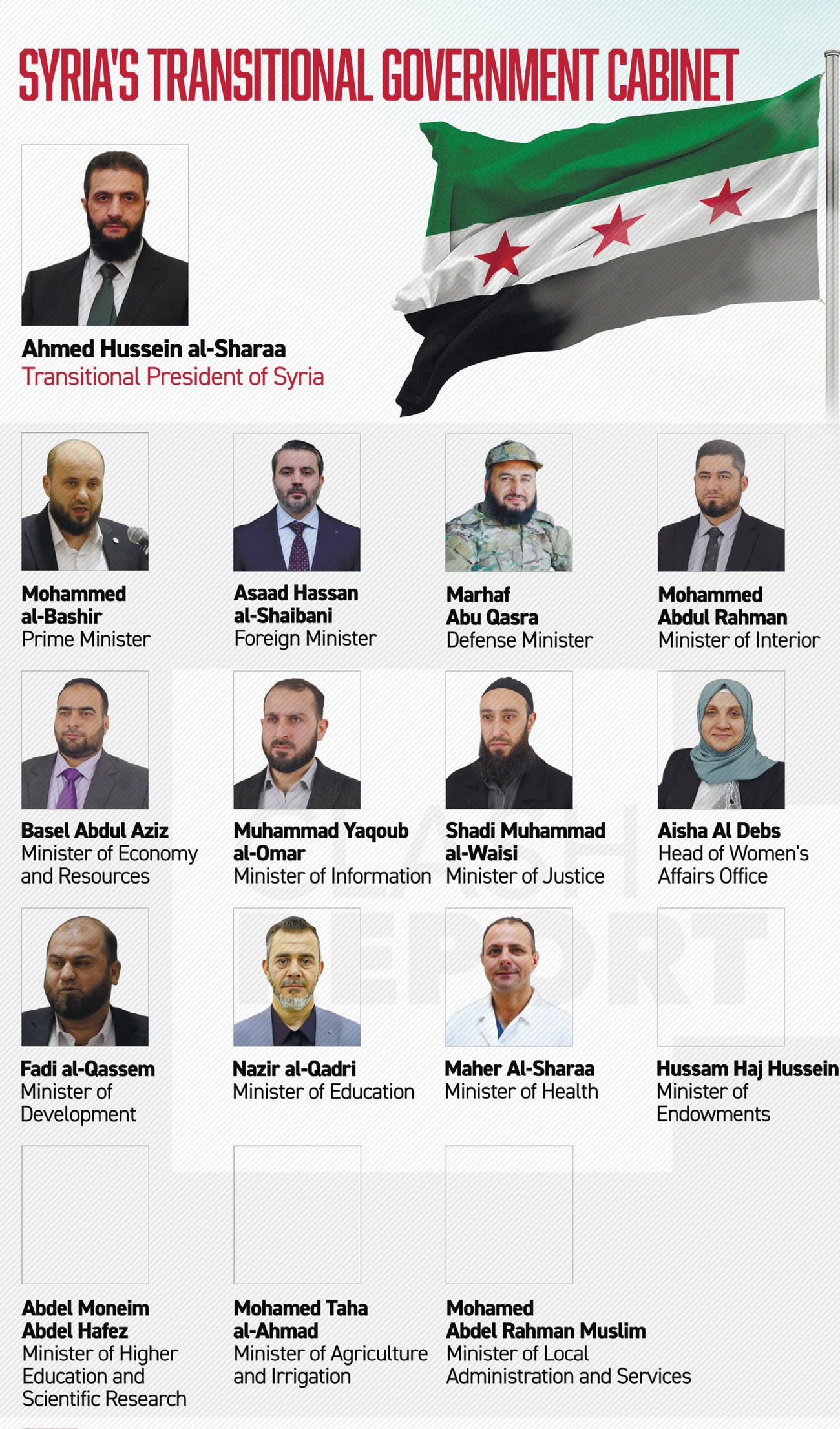
A short while ago, Syrian Interim President Ahmed Al-Sharaa has announced the formation of a transitional government. This follows a four-month period of consultations, negotiations and agreements. Following the decision that was reached, the new Cabinet will consist of 23 members, representing a variety of religious and ethnic groups. This government is widely regarded as being inclusive, and there is a strong international interest in it. It is often presented as a prerequisite for building legitimate relations with Damascus.
Inclusivity in the Syrian Style
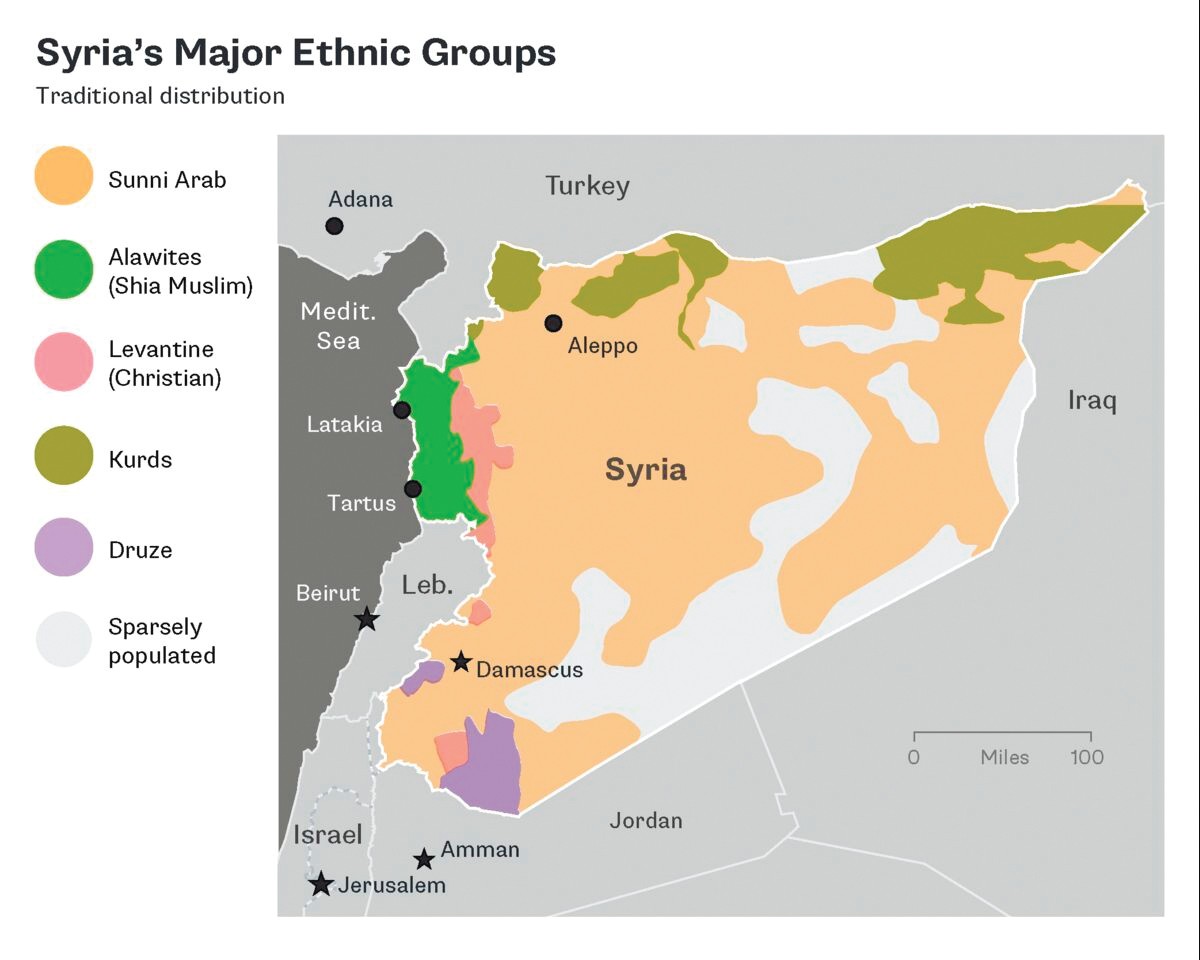
The new government includes a number of seasoned officials. The film features one woman and five ministers who served during the early years of the Assad regime, prior to the country descending into civil war. Meanwhile, key positions in the government – the heads of the defence, foreign, and interior ministries – were assigned to individuals from al-Sharaa's so-called "inner circle". The government also includes a Kurd, an Alawite, and a Druze. The composition's objective is to illustrate the Syrian leader's dedication to delivering on his commitments and guaranteeing the representation of the country's primary socio-ethnic groups.
The formation of the new government was seen as a litmus test, an indicator of whether the new Syrian leader would honour his pledge to create an inclusive cabinet representing all of Syria's diverse religious and ethnic communities.
As previously communicated, the transitional administration will continue to serve for a period of five years, thereby facilitating the conduct of elections at all levels and the finalisation of institutional reforms. In addition, the adoption of a permanent constitution is to be implemented, as outlined in the interim constitution that was passed earlier in March.
While there may be an impression that al-Sharaa has partially acquiesced to pressure from Syrian society and minority groups, as well as demands from foreign governments considering lifting sanctions, further analysis is required to ascertain the full extent of this.
However, recent developments indicate that the Syrian leader is adapting to the prevailing circumstances and adopting a strategy that includes actions aimed at strengthening his own position of authority. In order to achieve this, he was willing to make significant compromises. It is also worth noting that he replaced his own brother, Maher al-Sharaa, as Minister of Health.
Many observers believe this was a kind of political reshuffle, as Maher al-Sharaa was subsequently appointed Secretary General of the Presidency of the Syrian Republic—a senior position within the presidential power structure. This post exists in several Arab countries, though its specific functions may vary depending on national political and administrative systems. The role typically encompasses the management of administrative and organisational affairs for the president, bearing a strong resemblance to the responsibilities of heads of presidential administrations in other contexts. In this role, Maher al-Sharaa will be responsible for the following duties: managing protocol matters, including the scheduling of the president's work, the organisation of official meetings and visits, the supervision of staff and departments within the presidential administration, and the handling of official documentation.
His appointment may be viewed by some as a potential instance of nepotism within the Syrian government.
"Handsomeness" as a condition of legitimacy
Many Arab and Western leaders have previously stated that the restoration of full ties with Syria's new government, including sanctions relief, is contingent on the establishment of a political process that reflects the country's ethnic and religious diversity.
There is mounting pressure on al-Sharaa to modify his government, both domestically and internationally, following a wave of violence in March in Syria's predominantly Alawite-populated coastal region. The Syrian leader subsequently reached significant agreements with the Kurdish militia, which is supported by the United States and controls a substantial area of northeastern Syria, as well as with Druze leaders in the south.
These developments were regarded as pragmatic measures to encourage constructive dialogue in Syria. In addition, the constitutional declaration that was announced in March was drafted by a committee of experts, with a professor specialising in constitutional law at the helm. It maintains a robust presidential system, entrusting the President with executive authority and the prerogative to appoint Supreme Court judges, in addition to one-third of Parliament members. However, it also guarantees separation of powers and establishes an independent judiciary that is "subject only to the law." This is in stark contrast to the practices under Assad.
The Constitutional Declaration also retains a provision from the old constitution requiring that the president be a Muslim. It also guarantees freedoms of opinion, expression, information, publication and press.
In any event, the new Syrian government is becoming more proactive, and engagement with it may enjoy a significantly stronger legitimacy base.
In the near future, attention will focus on the practical measures being taken by Syria's provisional government. It is evident that Damascus comprehends this aspect with clarity. However, as is often the case, the outcome will be contingent on specific political circumstances both within and outside Syria.
Primary challenge is to restore economic stability
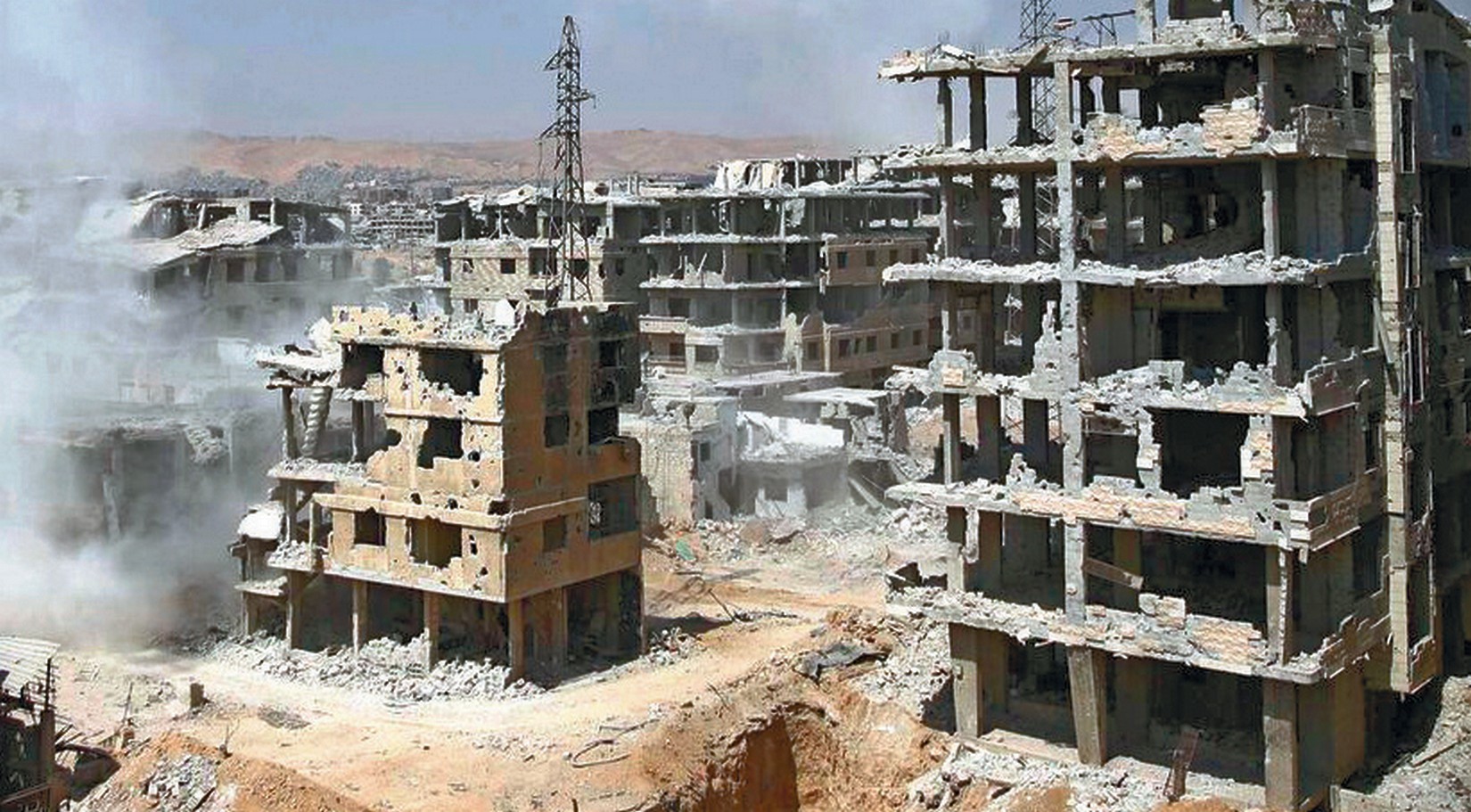
The new government is tasked with the significant responsibility of rebuilding a nation that has been devastated by years of civil war. On 3 April, Nidal al-Shaar, the Syrian Minister of Economy and Industry, announced that authorities are developing a comprehensive reconstruction plan. Al-Shaar is one of those cabinet members who served under Bashar al-Assad's government; he held a similar position in 2011-2012 and is one of the experienced professionals within the administration.
With regard to the scope of work required, estimates vary depending on the sources assessing damage sustained during Syria's civil war since 2011. However, the consensus among researchers and international organisations is that Syria's economic losses amount to hundreds of billions of dollars. According to World Bank data, Syria's economic losses totalled approximately $440 billion by 2020. This was due to infrastructure destruction, reduced production levels, losses in agriculture and industry, and impacts on human resources.
Please note that some sources cite higher figures. For instance, in 2018 the United Nations estimated that the economic impact could exceed $1 trillion when considering the long-term effects of war and reconstruction.
The government is facing a considerable challenge, irrespective of the precise figures. Large-scale foreign investment, donor assistance, and multifaceted humanitarian programmes will be essential.
Despite ongoing political challenges, remaining international sanctions, and regional instability, several countries and international organisations have expressed willingness to assist Syria's economic recovery. These include Türkiye, Qatar, the UAE, Saudi Arabia, China, Russia, the European Union and some member states thereof. The majority of these countries are already providing various forms of humanitarian aid to Syria. Azerbaijan is among them.
Safety first
It is essential to address the issue of Syria's economic recovery by also focusing on the pressing security challenges the region is facing. Türkiye is playing a key role in providing assistance to Damascus in this regard.
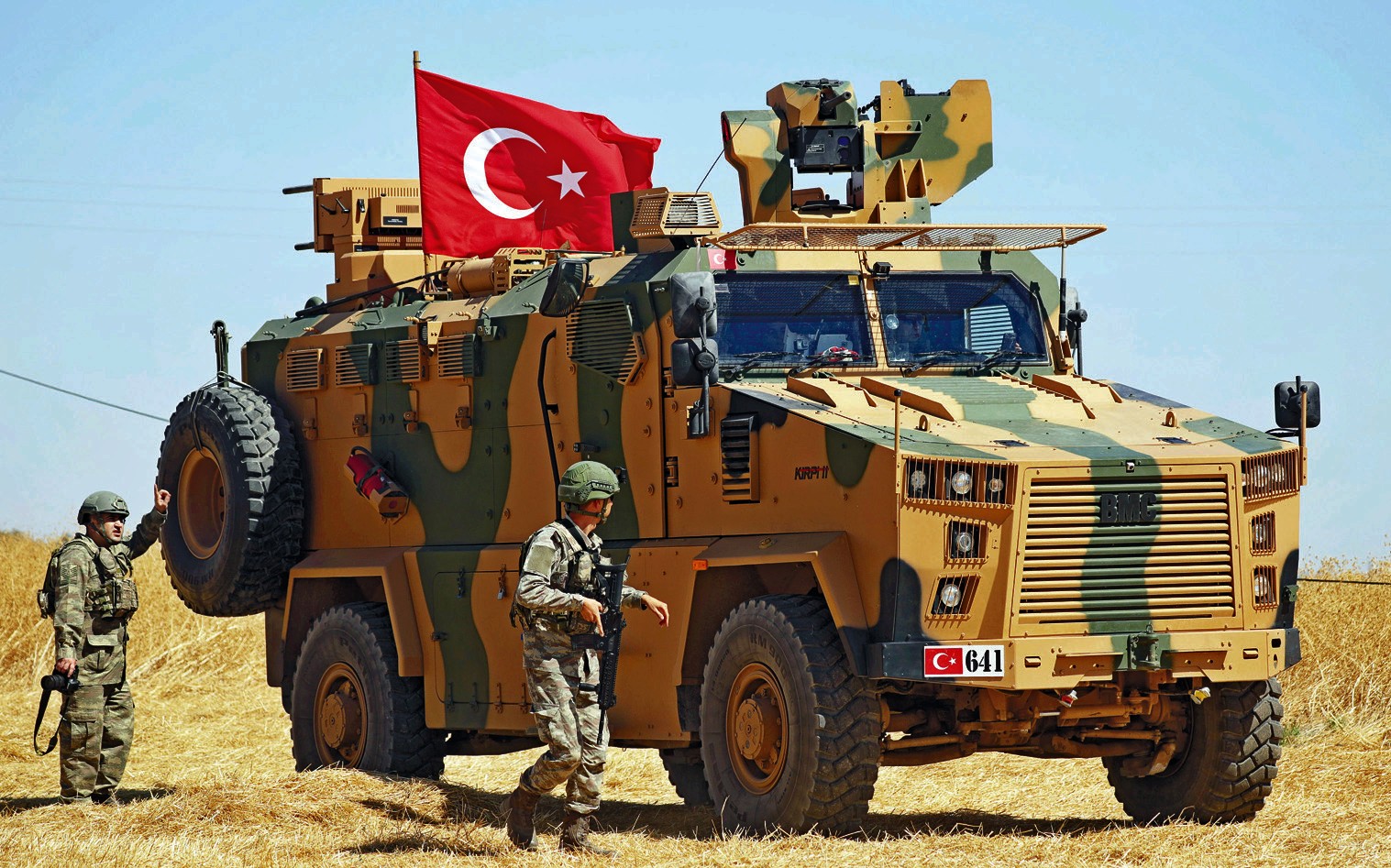
On the eve of announcing the new cabinet formation, Syria's interim government authorised Türkiye to establish a universal military base in Palmyra. As we understand it, Ankara has informed the UN and other international organisations accordingly. Media outlets have observed that both parties intend to transform this base into a stronghold for Türkiye's military presence in Syria and the wider region.
Palmyra is a strategically important location in Syria, due to its central position in the country and proximity to Jordan to the south. The military base will be located on the site of a former Russian base which, during the civil war, helped to block the activities of militants and ensure the security of Damascus from the north-eastern direction.
In light of current circumstances, establishing a base in Palmyra will enable Türkiye to disrupt the so-called "Shiite arc" – a chain originating in Iran, extending through Iraq into Syria's Alawite regions. Conversely, the increased military presence in Türkiye may also pose a challenge to Israeli interests, particularly in light of Türkiye's leadership's anti-Israeli stance, at least from Israel's perspective.
This has led observers to consider the possibility of another large-scale proxy conflict arising in the region, namely the Turkish-Israeli conflict.
However, it seems unlikely that Syria's new authorities would risk involvement in another conflict with potentially devastating consequences. It would be ill-advised for Syria to confront a powerful Israel while its economy remains in a state of disrepair, millions of refugees await return home, and reconstruction efforts are ongoing. These reconstruction efforts are closely tied to stability.
Furthermore, such a scenario would act as a deterrent to investors, who would be reluctant to allocate capital to a nation with no apparent future prospects beyond military confrontation. In this respect, Turkish military bases in Syria may serve more as guarantees for future investment security, political stability, and predictability than as triggers for renewed warfare.
RECOMMEND:
 239
239

