

DEFEAT AS AN OPPORTUNITY
Reflections on Nikol Pashinyan's statement on Armenia's independence
Author: Namig H. ALIYEV
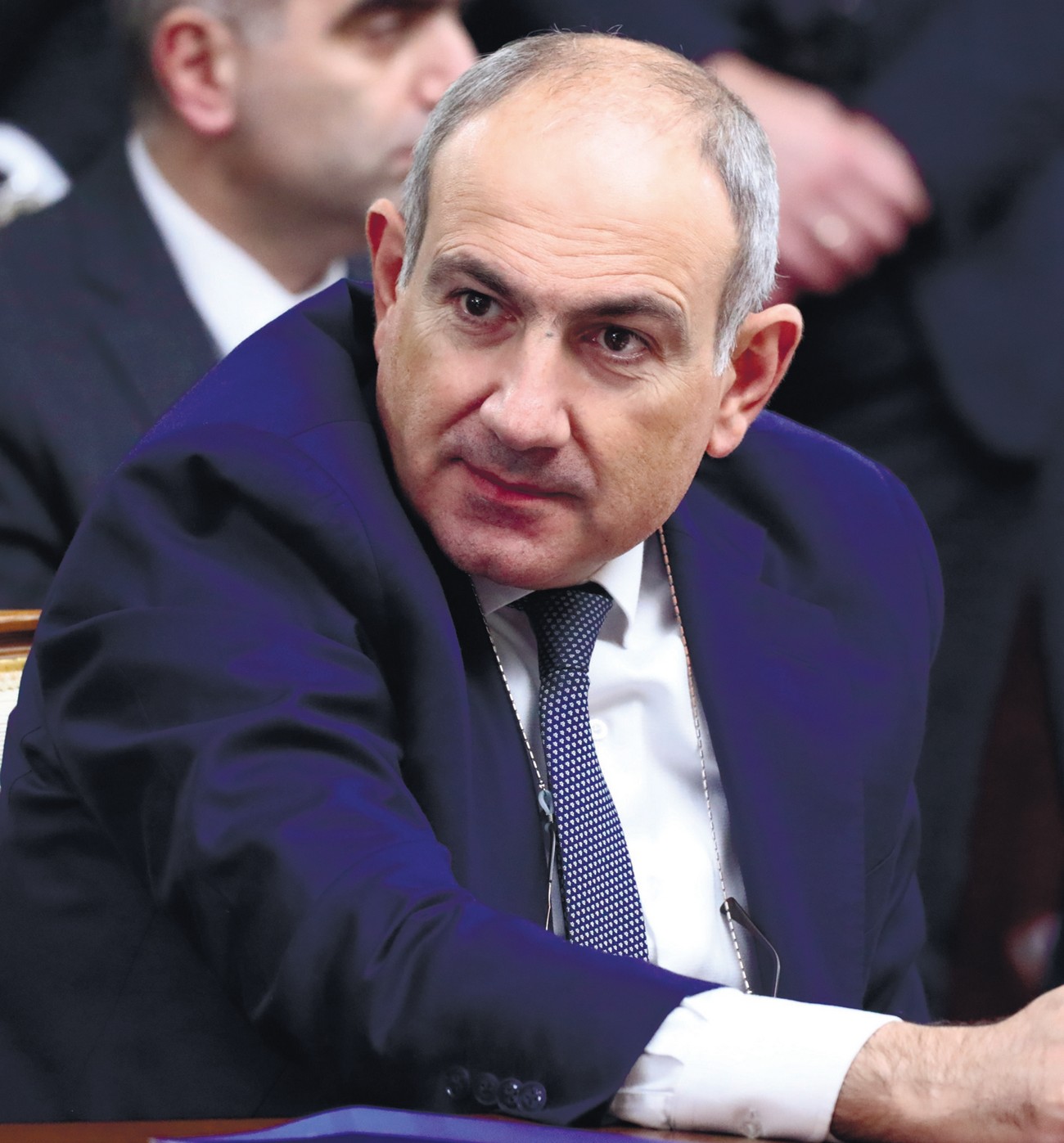
During an interview with representatives of the Save Armenia organisation in Washington, DC, Prime Minister Nikol Pashinyan stated that the defeat of Armenia in Garabagh in the autumn of 2020 had created new opportunities for the country, like becoming an independent and sovereign state. Such comments were unanticipated and generated a strong response in a society where the Garabagh war has been viewed as a disaster for the Armenian people. So what does this statement truly mean from the perspective of Armenia's future?
Context of Pashinyan's statements
In order to comprehend the implications of Pashinyan's statement, it is essential to consider the impact of several pivotal factors on Armenia and its post-2020 leadership. The Garabagh war was a significant turning point, resulting in substantial losses of territory and human casualties. It also led to significant changes in both domestic political and foreign economic agendas.
The autumn of 2020 was a tragic but natural event for Armenia. The Second Garabagh War, which lasted 44 days, resulted in significant losses, including both human and material resources. The state suffered a significant setback as a result of the thousands of dead and wounded, and the destruction of social and economic ties. Following the recent conflict, Armenia has withdrawn from the occupied territories of the Garabagh and East Zangezur regions of Azerbaijan. The war's casualties sparked widespread public protest and led to internal political unrest.
The peace agreement brokered by Russia has presented Armenia with new challenges. The agreement resulted in the country's reliance on external forces, primarily Russia, and facilitated increased interference by external actors in the region.
In the midst of a political crisis, Pashinyan recognised the imperative to devise a novel approach to address the prevailing challenges. His assertion that defeat offered a chance for independence can be interpreted as an attempt to reinterpret the lessons of the war and the consequences of the changes taking place inside and outside Armenia. At the same time, they raise questions and require reflection in the context of reality.
Defeat as a reset factor
Pashinyan's statements should be viewed in the context of Armenia's post-war domestic and foreign policy. It is clear that the loss in Garabagh has led to a shift in the country's domestic policy and foreign strategy. The Prime Minister, who had been the subject of criticism for his leadership during the war, was faced with the need to seek new ways to strengthen the state and overcome the post-war situation.
In terms of foreign policy, Armenia has historically relied on Russia as its primary ally and security guarantor, which has in turn constrained its capacity to make independent decisions. However, the aftermath of the war and Russia's role in mediating the peace agreement have led to questions regarding its ability and willingness to protect Armenia's interests at this stage. This led to the realisation of the need to revise its foreign policy course and seek a more independent position in the international arena. In this context, Pashinyan's words can be interpreted as a recognition that the defeat forced the country to "free itself" from its previous dependence and begin the process of formulating its own strategy.
The questions of independence and of one's own strategy here can be viewed from two perspectives: firstly, political autonomy from external players and, secondly, economic and cultural independence, which the country can seek to develop.
Regrettably, we have not yet observed positive dynamics in either of these areas.
Comparable elements between defeat and the search for new independence
It is important to note that the suggestion of independence after defeat can be perceived as paradoxical. It is important to note that defeat is usually associated with loss of control and loss of sovereignty. However, it is likely that Pashinyan is referring to an opportunity for a "reset" and a "new beginning" when the old models have not been effective. He may view defeat as an opportunity not only to relinquish reliance on traditional "partners", but also to engage more proactively with other nations and establish new alliances and economic ties.
Conversely, Pashinyan's declaration of independence following the defeat can be interpreted as an effort to reevaluate the ramifications of the war and showcase the beneficial aspects of the present circumstances. It is possible that the "victory" in Garabagh, albeit temporary, could have bolstered the Armenian position in the region and engendered the impression that Armenia could persist within the confines of the erstwhile foreign policy directives. However, the defeat served as a catalyst, shattering these illusions and compelling the country to explore alternative avenues.
The recent loss in Garabagh presents an opportunity for Armenia to re-evaluate its position on the global stage. In a globalised political environment, countries with territorial and political differences with their neighbours cannot remain in the status quo indefinitely.
It is important to note that the defeat may have enabled Armenia to move away from its reliance on "old" allies and start developing a more balanced foreign policy, based on new approaches and real opportunities. In this context, the independence that Pashinyan speaks of may refer not only to political autonomy, but also to freedom from external pressures that characterise many post-Soviet countries.
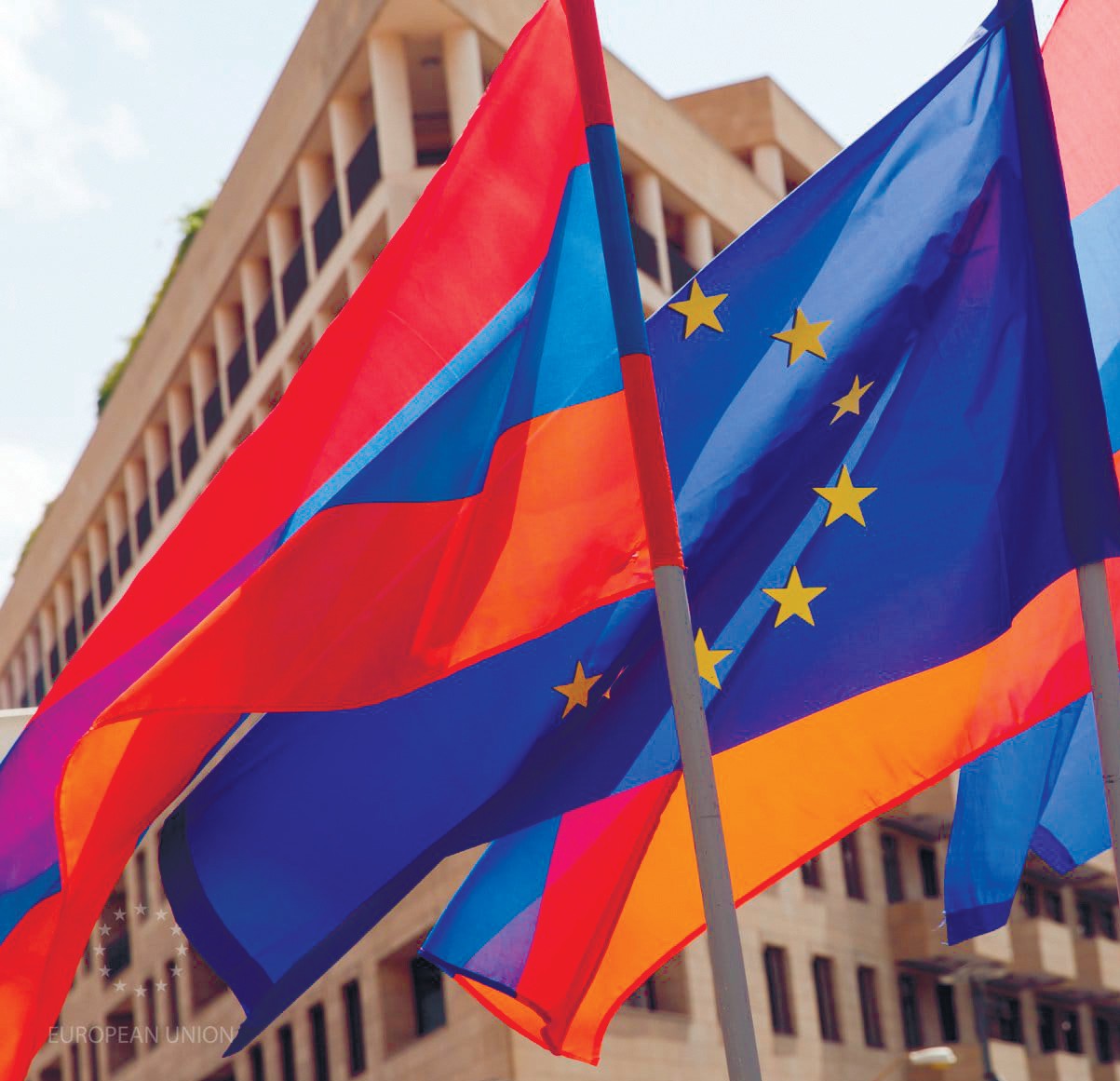
However, this version is opposed by the open patronage of the "new European masters" of Armenia, who demonstrate excessive activity, which is not always aligned with the interests of the Armenian people.
The internal political situation, protests and new masters
Armenia has experienced significant changes since the war. In the aftermath of the war, there was a surge of public protests in Yerevan and demands for the Prime Minister's resignation, who was accused of mismanagement during the conflict. However, Pashinyan was able to maintain his position, citing the necessity for a "global reset" and reforms to stabilise the country.
It is also important to consider how the country is implementing this "reset". Instead of seeking compromises with regional players to build a stable and peaceful South Caucasus, the Armenian leadership has decided to find new patrons outside the region for self-sufficiency and development. The Armenian authorities' narrative suggests that this may be part of a broader process aimed at creating an independent and sovereign state that can focus on its own interests. However, the historical experience of an outpost serving the interests of a patron raises serious doubts about the success of this path.
Political stability is not achieved immediately. Armenia has experienced significant social and economic challenges due to the repercussions of the war. The provision of humanitarian aid to refugees, the reconstruction of destroyed infrastructure, and the need for psychological and social rehabilitation of the population have become priorities. In this context, Pashinyan's stated intentions on independence and sovereignty may reflect an attempt to mobilise society and provide people with hope for a better future, even in the face of significant losses.
Economic and social perspectives
It is not possible to discuss the country's independence without addressing the economic aspect. The rule of the so-called Garabagh Clan, the defeat in the 44-day war, the ensuing protests and decadent moods have had a significant impact on Armenia's economy, creating challenges in the reconstruction of destroyed infrastructure and ensuring security. However, with the development of an effective foreign policy focused on a peace agreement with Azerbaijan, building partnerships with regional neighbours, and opening communications through Zangezur with access to new markets, it is anticipated that Armenia will be able to find ways for economic growth.
Statements of sovereignty may also be designed to mobilise the country's internal potential. At the same time, it is important to strengthen efforts to neutralise a certain part of the diaspora, which has been diligently involved in fomenting Armenia's territorial claims to its neighbours and supporting the ideology of Nzhdeism, or Tseghakronism.
Nikol Pashinyan's assertion that the loss in Garabagh has presented Armenia with an opportunity for independence and sovereignty can be interpreted as an effort to reevaluate the ramifications of the war and present them from a novel perspective. This may be a reflection of the fact that the defeat has shattered old paradigms among a certain part of the Armenian elite and opened up a vision of a path for a new, more independent and balanced foreign economic course. Notwithstanding the potential benefits, this independence will be contingent on the ability to address a range of internal and external challenges, including relations with neighbouring countries, which give rise to issues of security, the economy and social stability.
RECOMMEND:
 270
270

