

TALIBAN LABELLED NO MORE
Politics, trade, transit: who and why counts on dialogue with Afghan authorities
Author: Ilgar VELIZADE
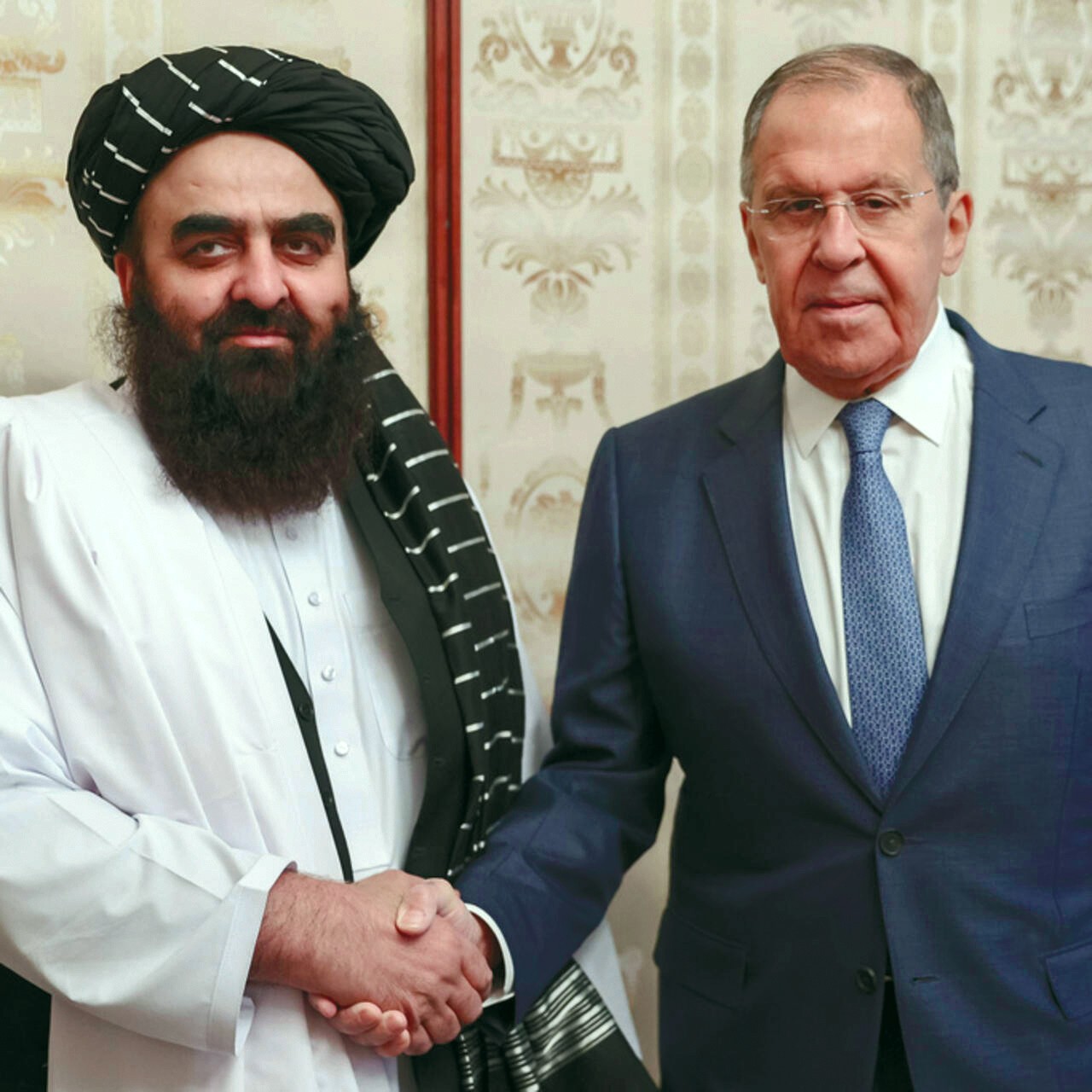
In mid-April, the Russian Supreme Court lifted the ban on the Afghan-controlled Taliban activities in Russia. The court's decision took immediate effect. "The Taliban was removed from the list of terrorist organisations, where it had been since 2003. Thus, in fact, Russia has become one of the first states to consider the Taliban a legitimate authority in Afghanistan."
Russia and Pakistan: different but with common interests
It is well known that Pakistan was the first country to take this step. When the Taliban returned to power in Afghanistan in 2021 following the withdrawal of US troops, Islamabad was among the supporters of this process. Pakistan has always had a strategic interest in the Taliban's return, viewing it as a stable and convenient partner to secure its interests in Afghanistan.
Islamabad’s official position on the Taliban has remained unchanged since then. Pakistan was the first to express support for the new authorities in Kabul, calling their government "sovereign" and stressing the importance of maintaining peace and stability in Afghanistan.
Moscow’s actions may depend on the situation in Central Asia and the wider East. The initial process of legitimising the new Syrian authorities, who were previously listed as international terrorists, could encourage Moscow to act more confidently towards the Taliban. Moreover, Afghanistan has long attracted Russian attention, dating back to the rivalry between the Russian and British empires for influence in the region.
Under these new circumstances, Moscow has established tacit contacts with the Taliban. Media reports periodically reveal that Russian officials have held talks with Taliban representatives at various levels, including discussions on security issues. These meetings often took place in third countries such as Pakistan or Iran.
It is also known that Moscow has provided humanitarian aid to Afghanistan and expressed willingness to participate in the country's reconstruction. In this context, the Taliban are viewed as partners with whom negotiations are necessary despite their radical ideology.
Moscow's interest in cooperating with the Taliban is further reflected by Deputy Prime Minister Alexei Overchuk’s statement that the Supreme Court’s decision to suspend the ban on Taliban activities in Russia opens opportunities to develop trade and economic ties, promote Russian exports, and realise Afghanistan’s transport and logistics potential.
Co-operation without recognition
Moscow and Islamabad are not alone in refraining from classifying the Taliban as a terrorist organisation. Iran, despite differences in religious beliefs (Iranian Islam is Shiite, while the Taliban adhere to Sunni Islam), also does not designate the Taliban as terrorists. Tehran maintains dialogue with the Taliban particularly on security and regional stability, as well as humanitarian and economic matters, including migration and trade.
China, which prioritises stability in Central Asia, is also developing relations with the Taliban. Beijing focuses on expanding economic ties with Afghanistan through Belt and Road projects and on counterterrorism and extremism efforts.
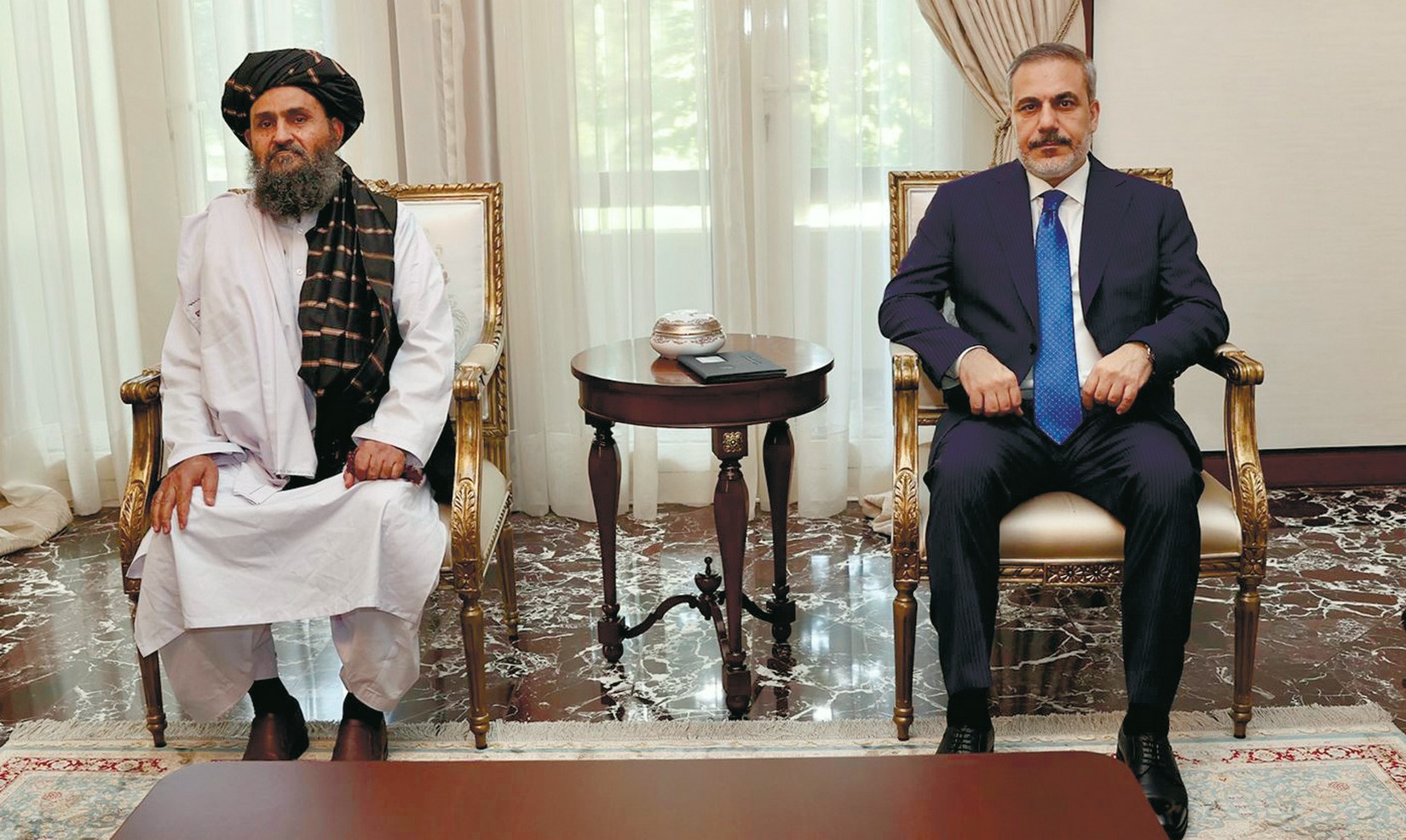
Ankara remains open to cooperation with the Taliban on humanitarian and security issues despite political differences. Economic and strategic interests are important, including Ankara’s role as a mediator between the West and Central Asian countries.
Like Türkiye, two Gulf Arab monarchies competing for influence in the region—the UAE and Qatar—have ambitious plans for Kabul. Few remember that it was the United Arab Emirates which officially recognized the Taliban during their first rise to power from 1996 to 2001. After the Taliban’s return in 2021, the UAE continued engaging with them as a way to increase its regional influence.
Qatar played a key role mediating negotiations between the US and the Taliban and has been actively involved in humanitarian projects in Afghanistan. Doha hosts a diplomatic mission from Kabul that continues to operate in its capital, enabling the Taliban to engage diplomatically with international partners—a foundation for possible future agreements and recognition.
India also plays a significant role in regional influence competition. New Delhi maintains a cautious stance towards the Taliban due to their traditional ties with Pakistan. However, India has started recognising the need to engage with the Taliban within its broader strategy to strengthen its presence in Central Asia, which includes Afghanistan geographically.
This approach is especially evident amid growing tensions between the new Afghan government and Pakistani authorities. The recent border conflict between Pakistan and Afghanistan has increased New Delhi’s interest in cooperating with Taliban leadership. Afghanistan’s expanding economic ties with China add further motivation; in 2024 alone, Beijing supplied tens of thousands of tonnes of food to Kabul hoping it will consider New Delhi’s interests and reduce support for radical Islamic groups operating in northern India.
Central Asia builds bridges with Kabul
Kazakhstan and Uzbekistan have intensified their relations with the Taliban over recent years. Both countries seek stability in Afghanistan and Central Asia overall and are motivated to develop diplomatic and economic ties with the Taliban. Astana and Tashkent have long-standing relations with Afghanistan, making their interest in regional stability understandable.
Two Kazakh-Afghan business forums took place in 2023 and 2024 respectively. In June 2024, a Taliban representative participated in an international economic conference in Astana aimed at establishing trade and economic cooperation with Central Asian countries.
Uzbekistan is especially interested in restoring trade and economic links with Afghanistan. For Tashkent, Afghanistan—with its multi-million Uzbek community—is a promising transit route, and restoring stability there supports economic development with neighbouring states.
Additionally, Uzbekistan is concerned about potential threats from radicalism, extremism, and migratory pressures stemming from Afghanistan’s volatile situation. Therefore, Tashkent actively collaborates with regional partners including Russia, China, and the US to address these challenges.
Thus, all major geopolitical actors in the region are, in some form or another, eager to engage with the Taliban leadership and recognise it as Afghanistan’s sole authority.
Afghanistan possesses significant mineral resources including metals, rare earth elements, and precious stones. Experts estimate its subsoil contains minerals worth tens of billions of dollars, making it highly attractive for foreign investors.
Afghan realities
Developing natural resources—especially in mountainous terrain—requires substantial infrastructure upgrades. In mid-April, Muhammad Isa Sani, a Taliban representative, held talks with Dmitry Zhirnov, Russian Ambassador to Kabul. They discussed restoring the strategically important Salang Highway, built by Soviet engineers during the 20th century, along with constructing a new road tunnel.
Reconstruction of this highway is crucial for Afghanistan as it connects northern regions with southern ones. The Salang Highway and its tunnel were constructed by Soviet specialists between 1958 and 1964; Moscow likely still holds the original designs for this infrastructure.
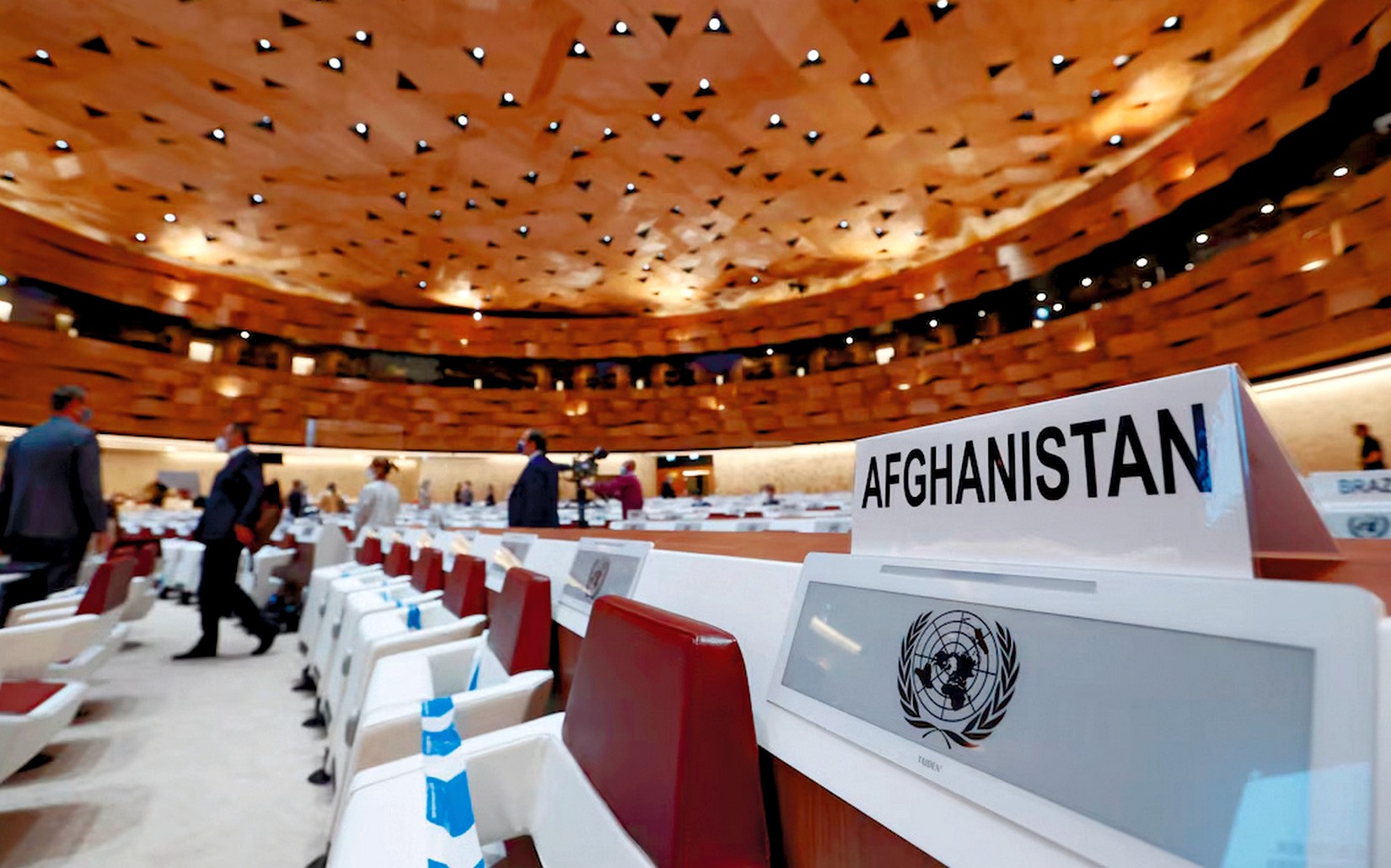
Despite ongoing contacts with external actors, lack of diplomatic recognition remains a major obstacle to Afghanistan’s cooperation with other countries. With the Taliban back in power, the international community faces a dilemma: should it acknowledge them as Afghanistan’s legitimate government and how should it engage?
The international community expects an inclusive government from the Taliban—one representing different ethnic, religious, political groups, including women. Despite promises made, such a fully inclusive government has not yet been formed. This contrasts with Syria’s leadership which has shifted its stance on key domestic and foreign issues and publicly seeks distinction from Afghan authorities.
Currently, diplomatic recognition of the Taliban remains a complicated issue. Concerns over political reputation, human rights violations, terrorism links, and humanitarian crises create significant barriers to recognition. It is possible that over time—and if international conditions are met—some countries will revise their positions and begin normalising relations with Afghanistan. Steps towards this are already underway; sooner or later, reality will require acceptance.
RECOMMEND:
 207
207

