

IN SEARCH OF HARMONY
Heading to the heart of tropical Bali
Author: Elchin HUSEYNOV, Baku-Bali-Baku
As the sun rises above the horizon, with the first rays of golden light touching the surface of the ocean, Bali begins its magical morning. Known as the 'Island of the Gods,' this Indonesian island is considered a true paradise for travellers, adventurers, and lovers of tranquillity. With breathtaking scenery, rich cultural heritage, and a warm climate, Bali beckons irresistibly. Yet even in paradise, things do not always have to be perfect.
Starting an unforgettable journey
To begin with, you need to arrive at the Ngurah Rai Airport just 13 kilometres from the island’s capital, Denpasar. There are no direct flights to Bali from Baku, so tourists need to choose connecting cities such as Istanbul, Jeddah, Sharjah, Moscow, Almaty, and others. Travel time takes at least 10 to 14 hours, plus waiting at airports. Some tourists first visit the capital Jakarta and only after exploring it proceed to Bali.
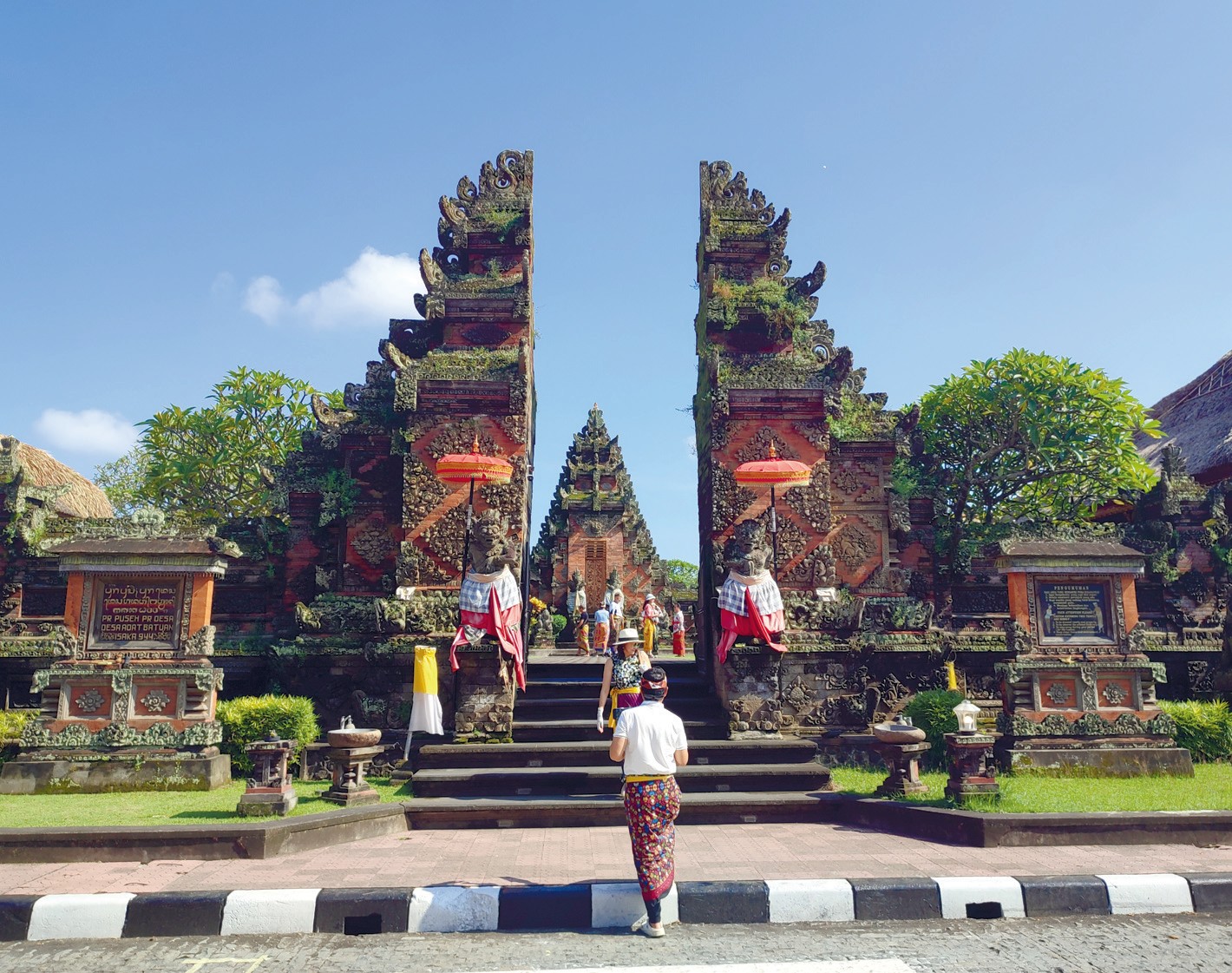
By the way, Indonesia is the largest Muslim country in the world. It is home to 12.7 per cent of all Muslims on Earth. In Bali, about 13.3 per cent of the islanders are Muslims. Bali is not only magnificent scenery but also a unique culture permeated with many traditions. The locals, who mainly practice Hinduism, hold many colourful festivals and rituals. The most famous of these are the fire ceremonies and Kechak dances, which take place at one of the most popular temples in Uluwatu at sunset. It is a mesmerising sight as the moon over the ocean reflects in an endless play of shadows.
Depending on the climate and season, the best time to visit the island is from April to October, when the weather is dry and temperatures range from 25 to 30 degrees Celsius. However, even during the rainy season from November to March, Bali remains an attractive destination as the rains are mostly short showers and there are no crowds of tourists.
You need a visa to enter Indonesia, which is valid for 30 days and can be obtained either on arrival or in advance online. Additionally, upon arrival at the airport you will have to fill in a migration form, and "welcome to Bali!" Please note that there is a limit on cash import here—if the amount exceeds $10,000, it must be declared.
Hotels and sea for all
Bali offers many accommodation options depending on the traveller’s budget. If you want to save money, you can find cosy guest-houses and hostels ranging from $10 to $30 per night. For example, many inexpensive options in scenic Ubud or Kuta offer breakfast and a friendly atmosphere. Those looking for a higher level of service can book mid-range (3-4 star) hotels costing from $30 to $100. In Seminyak and Nusa Dua you will find many stylish hotels with pools and spas where you can relax well after a busy day. For just $50 per day you can even get your own pool house surrounded by a tropical garden. If you want to be completely at one with nature, consider unique bamboo houses hidden deep in the jungle.
For those seeking the heights of bliss, five-star hotels and private villas start from $100 upwards. Here you can enjoy the sun from the comfort of your luxurious pool or savour exquisite local and international cuisine in restaurants with panoramic ocean views.
Remember that from April to October—the 'dry season'—the beaches are ideal for swimming but prices are higher. November to March is the 'green season,' when the jungle is lusher, waves are more powerful (ideal for surfers!), and hotels are about 30% cheaper. According to statistics, for ten days (hotels and food) economy tourists spend $500–700 in Bali; for a comfortable stay $1,000–2,000 (4-star hotels and restaurants), and luxury travellers spend about $3,000 (villas and private tours).
Bali has many beaches and each coastal area is unique. For example, Kuta Beach is known for its surfing waves—perfect for those seeking fun. Nusa Dua Beach—with a calmer atmosphere and crystal-clear water—is ideal for families. Uluwatu and Jimbaran beaches enchant visitors with their picturesque and romantic settings; here you can enjoy a local seafood dinner at sunset.
Massage as a ritual
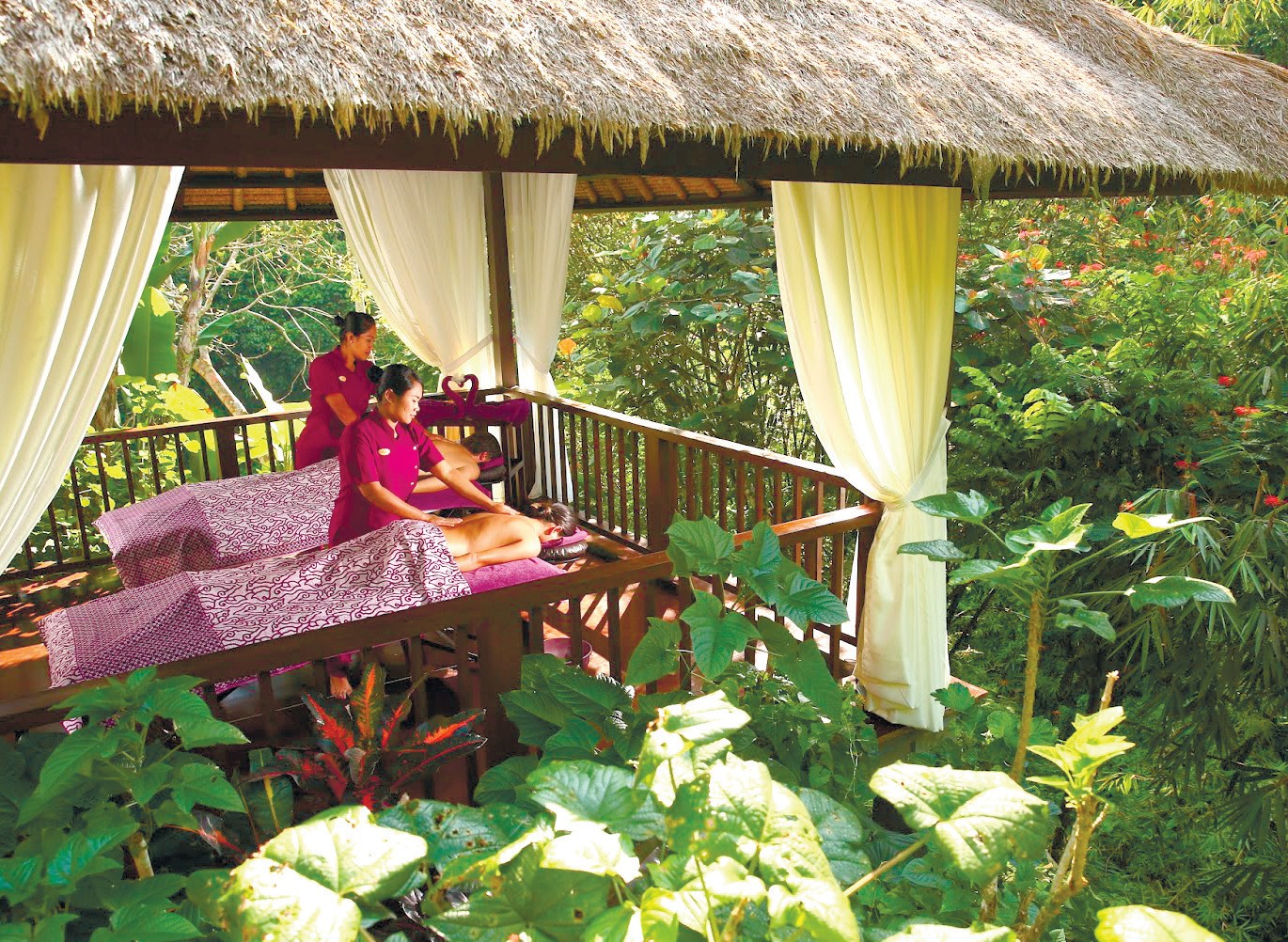
In Bali, massage is not just treatment but an ancient tradition passed down from generation to generation. Local masters are skilled in techniques that combine elements of acupuncture, aromatherapy, and yogic stretching.
Massage parlours are everywhere—in hotels, on streets, beaches, and in shopping centres. The price and quality depend on the location. Street masseurs (Kuta, Seminyak, Legian) charge $7–10 per hour. On the coast they often work directly under palm trees using only coconut oil and their sensitive hands.
A Balinese massage at a mid-level spa costs $20–40. They may add herbal compresses or flower baths. In five-star hotel spas, massages cost no less than $100. They last 2–3 hours and include exotic ingredients like grape wine.
Be aware that street masseurs often use cheap oils that can cause allergies. In tourist areas they may offer 'special massages,' which is code for erotic services. Guides also advise avoiding masseurs without a licence (usually displayed on the wall)—there is a high risk of unskilled spinal manipulation.
Truly professional masseurs work in Ubud or hidden villages like Sangingan. Their technique is not just muscle rubbing but energy work—prana. After the session you will be offered ginger tea and 15 minutes of relaxation accompanied by birdsong, which is an essential part of the ritual.
By the way, if you decide on an extreme variant—the 'lomi lomi' massage (Hawaiian technique)—get ready for your whole body to "remember" every touch in the morning afterwards. But guides say it is worth it.
Luwak: the most unusual and expensive coffee
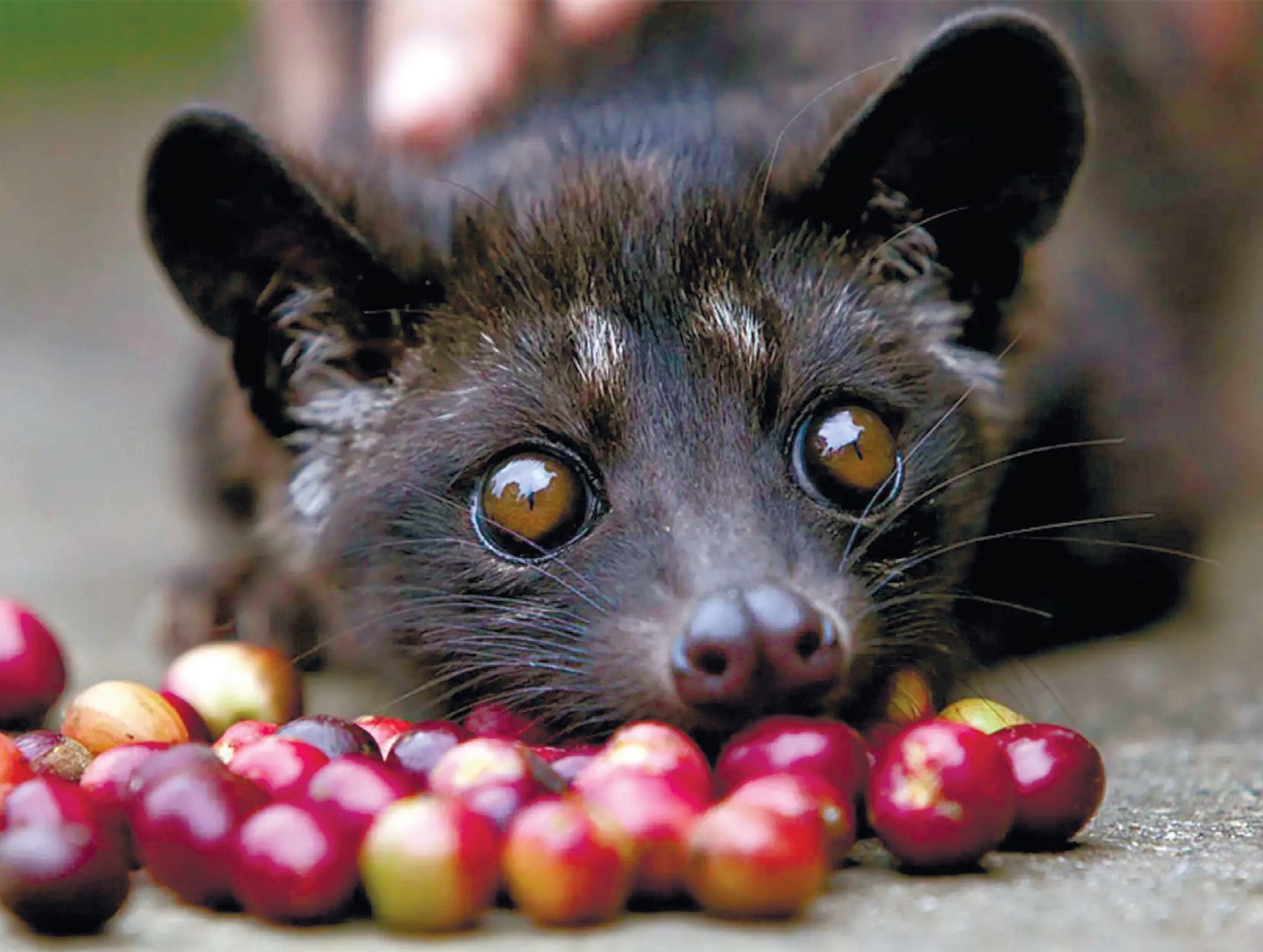
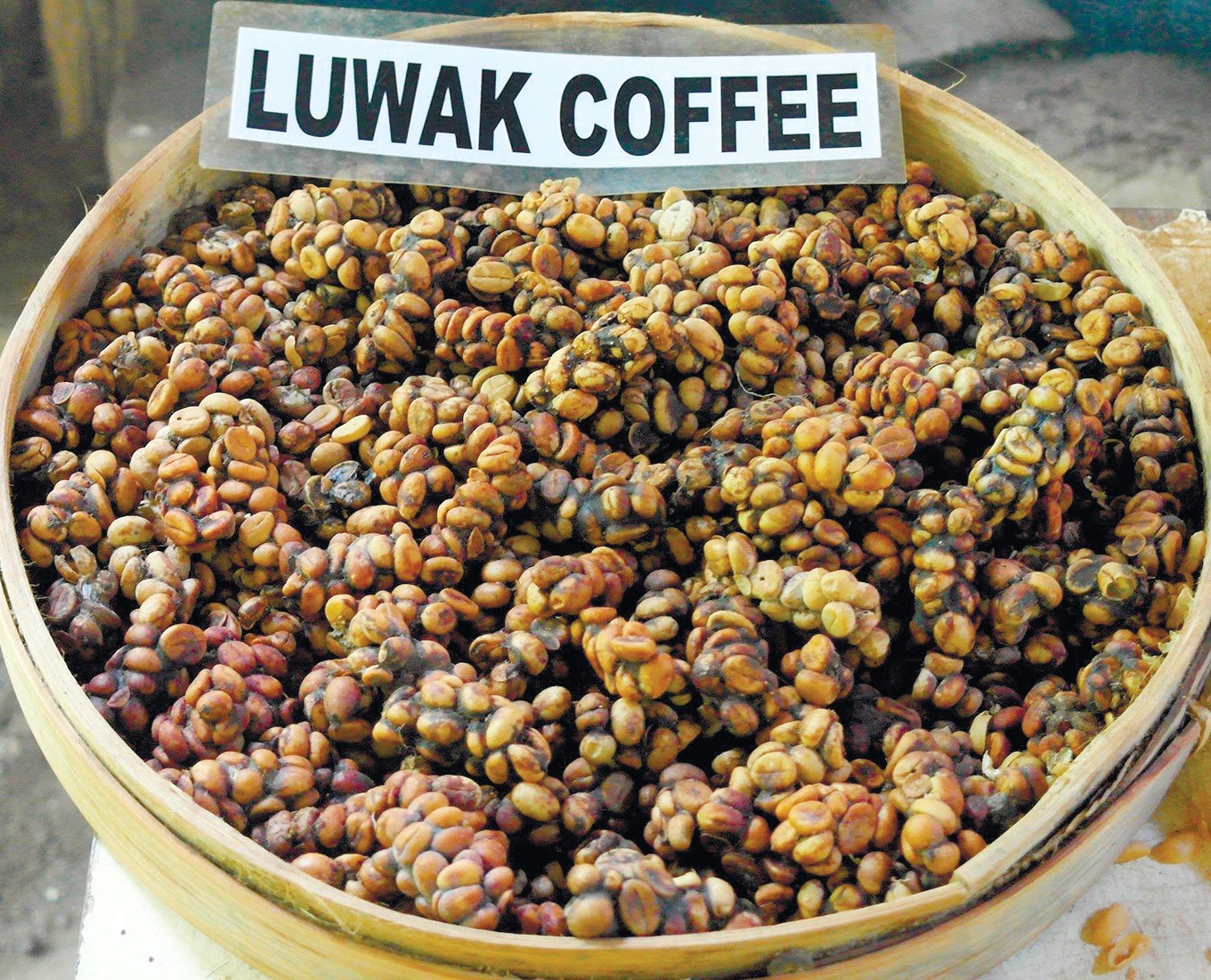
Bali is home to one of the most exotic varieties of coffee—luwak—produced amidst tropical forests and rice terraces. Its uniqueness lies in the unusual way coffee beans are processed through the digestive system of the musang or Asian palm civet. These small animals native to the island select only the ripest and highest-quality coffee berries. After natural fermentation in the animal’s stomach, beans are harvested, thoroughly washed, and roasted producing coffee with a unique mild flavour and chocolate notes.
Luwak coffee production is concentrated in central Bali areas such as Ubud and Kintamani where special farms exist. Here tourists are not only told about the whole production process but are also given opportunities to taste this rare beverage. At special showrooms in Bali a cup of freshly brewed luwak coffee costs $3–4; generally in Indonesia a cup costs between $5 and $10. A 300-gram bag of ground luwak costs about $90; 1 kg of beans costs about $300. In Europe and the US prices increase several times over; for example, a cup sells for 40 euros in Europe and $100 in the US making luwak one of the world’s most expensive coffee varieties.
Interestingly, this coffee came about by accident during Dutch colonisation when locals were forbidden from collecting coffee beans for themselves; they thus turned their attention to civet waste that kept beans almost intact. Today luwak production is controversial due to ethical issues: some farms keep animals caged and feed them exclusively coffee berries which harms their health. However eco-farms where musangs live naturally and beans are wild harvested are becoming more common in Bali.
Luwak coffee remains a source of pride for Indonesia and a popular souvenir for visitors. Its flavour—with no bitterness and a complex fruity-caramel aftertaste—continues to surprise even sophisticated coffee drinkers worldwide. It is sold everywhere including souvenir shops and supermarkets at lower prices but plantations claim much of this is fake and not original product; some traders add fried rice to make it cheaper.
By the way, farms offer tastings not only of coffee but also various teas (carcade is very popular), cocoa, and even local exotic vodka. All these products can be purchased at farm shops including luwak coffee, herbal teas, coffees with additives like cocoa, various oils, chocolate, vodka and spices.
"Paradise" pleasure
Despite all Bali’s charms there are some concerns for tourists. If you have seen online advertisements about a paradise island you should know half of it consists of slums, constant construction noise alongside peaceful life and smiling locals.
Apart from central areas you will mostly find no pavements making walking difficult or impossible in many places. Motorbike riders constantly moving around add inconvenience. Also watch out for taxi drivers who brazenly ask for prices many times higher than accepted rates; try not to "catch" taxis in front of hotels or call local equivalents of low-cost carriers such as Blue Bird or Grab.
Visitors often complain about rubbish, overpriced tourist prices, crowds, constant rains affecting holidays negatively. From November to March sea water contains jellyfish; evenings on Kuta beaches attract not only romantics but petty thieves—better leave documents and money in hotel safes.
While Indonesian cuisine may appeal to Asian palates European visitors often face challenges due to heavy use of spices especially pepper which might be too hot for sensitive stomachs. It is advisable to clarify spiciness levels before ordering though this does not always help. Pay attention to cleanliness levels when choosing restaurants or street food; better choose places with good reputations. If you have allergies inform staff when ordering.
Additionally tourists may face health risks such as Dengue fever—a viral disease transmitted by mosquitoes causing fever, headaches, joint pain, rashes and fatigue. Malaria cases are rare but still possible especially in remote areas.
Tap water is unsafe for drinking; even fruit should be washed with bottled water. Hepatitis A is transmitted through contaminated food or water; hepatitis B through contact with infected blood. Visitors staying long periods are advised to vaccinate against hepatitis A and B as well as typhoid fever.
Therefore as a minimum take out adequate medical insurance including coverage for treatment abroad and medical evacuation; carry a first aid kit with basic medicines including insect bite treatments.
Most popular attractions
Besides natural beauty Bali offers many amazing places leaving lasting impressions.
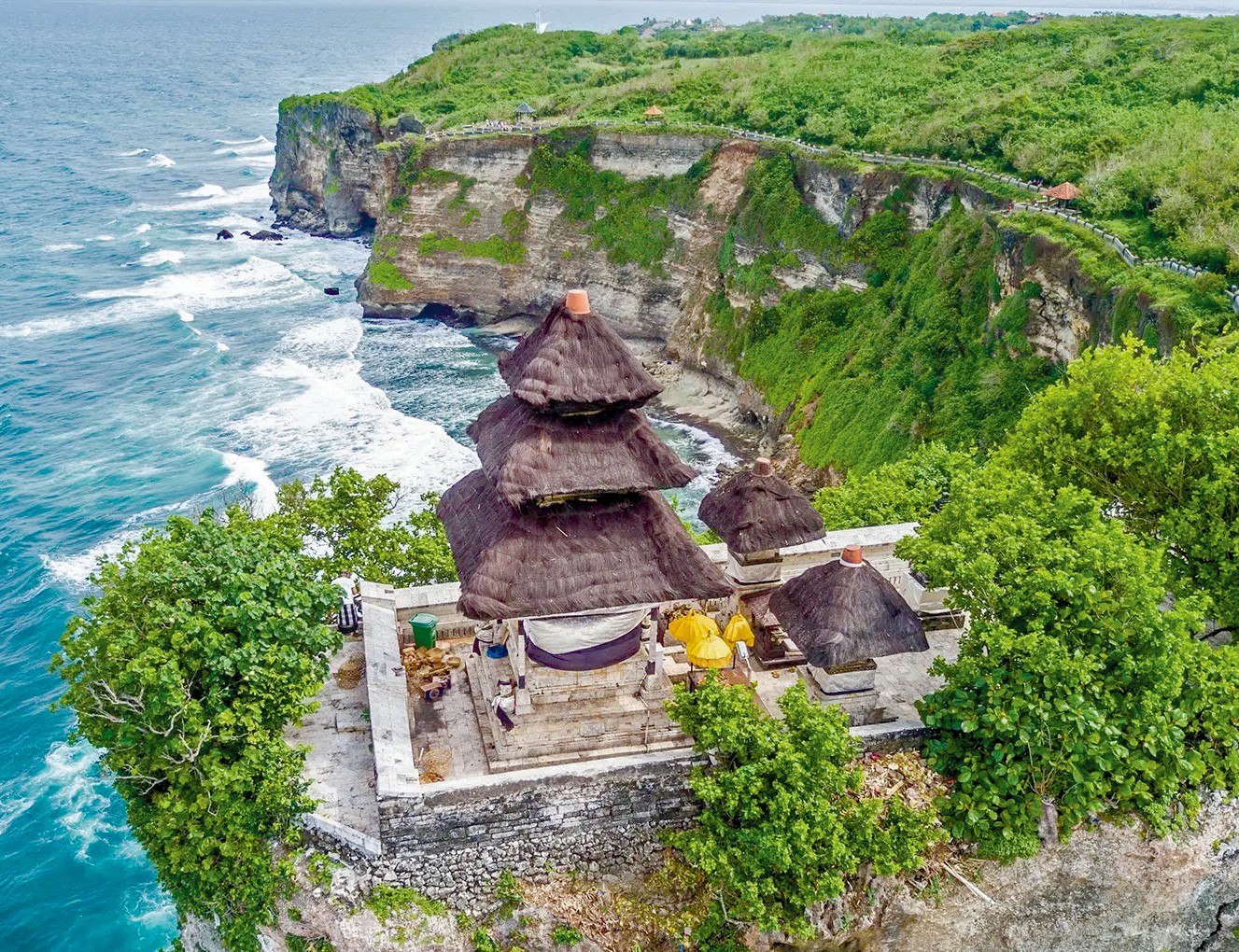
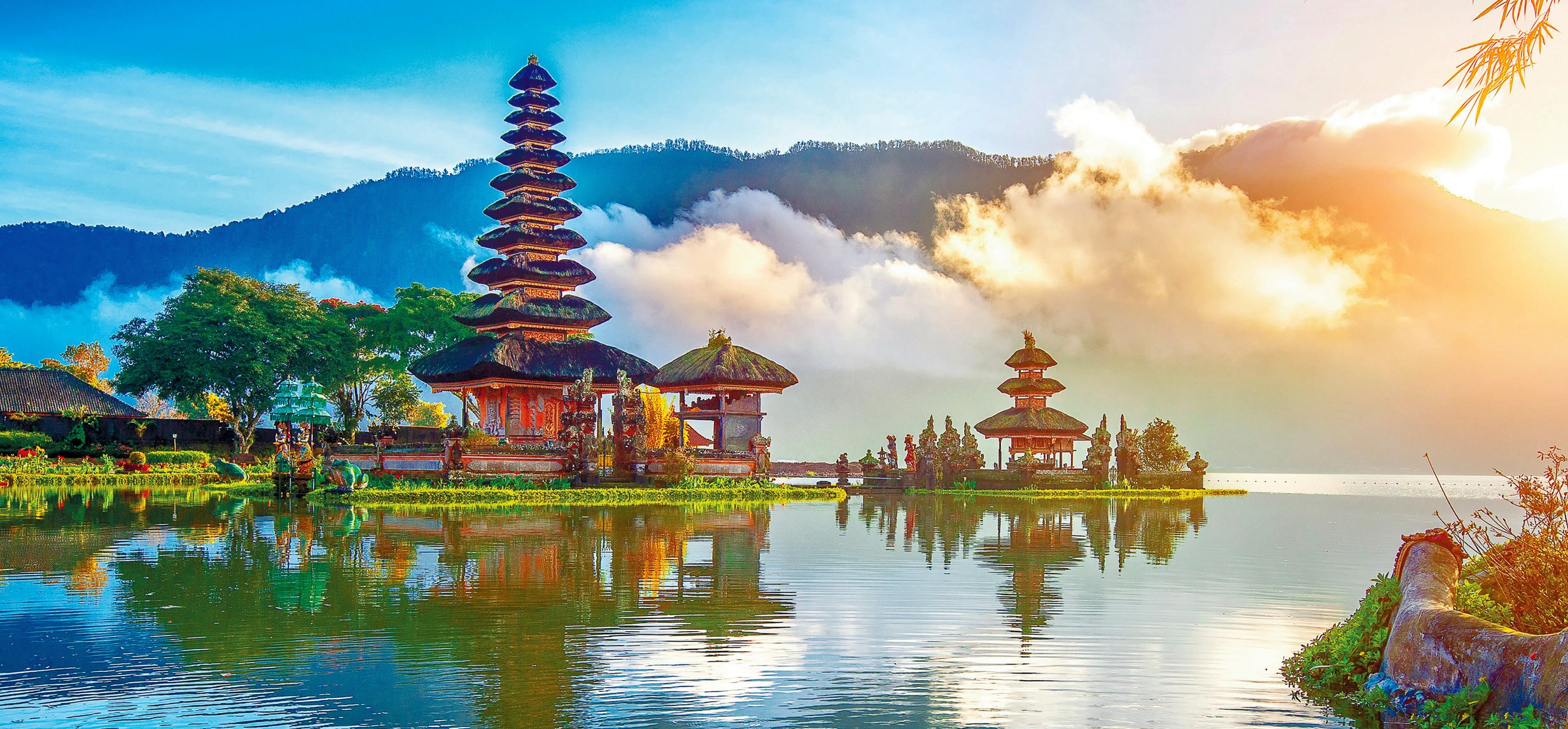
For example Uluwatu Temple stands on a cliff edge overlooking vast ocean; its magic reveals itself at sunset when kechak dance takes place.
Bali’s calling card is Tanah Lot temple built on a rock in ocean centre; best visited early morning when tourists are fewest. At low tide you can walk almost up to temple leaving small donations for locals.
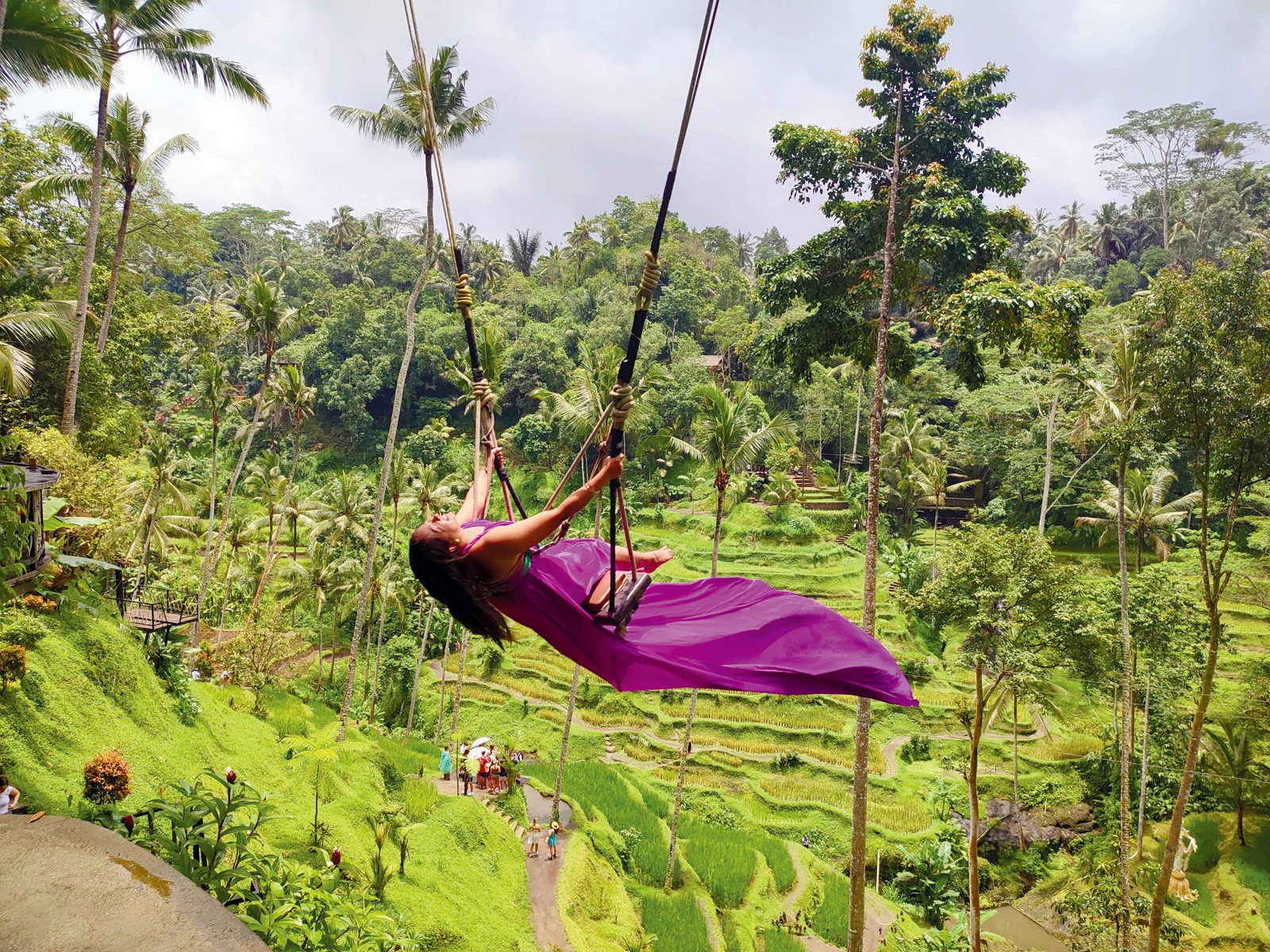
Visit one of Bali’s rice terraces—the island’s symbol—some well equipped with paid attractions where you can enjoy fun activities and memorable photos.
For outdoor enthusiasts climbing Agung or Batur volcanoes is a real challenge requiring guides and physical effort; tours range from $35-100 depending on duration and programme.
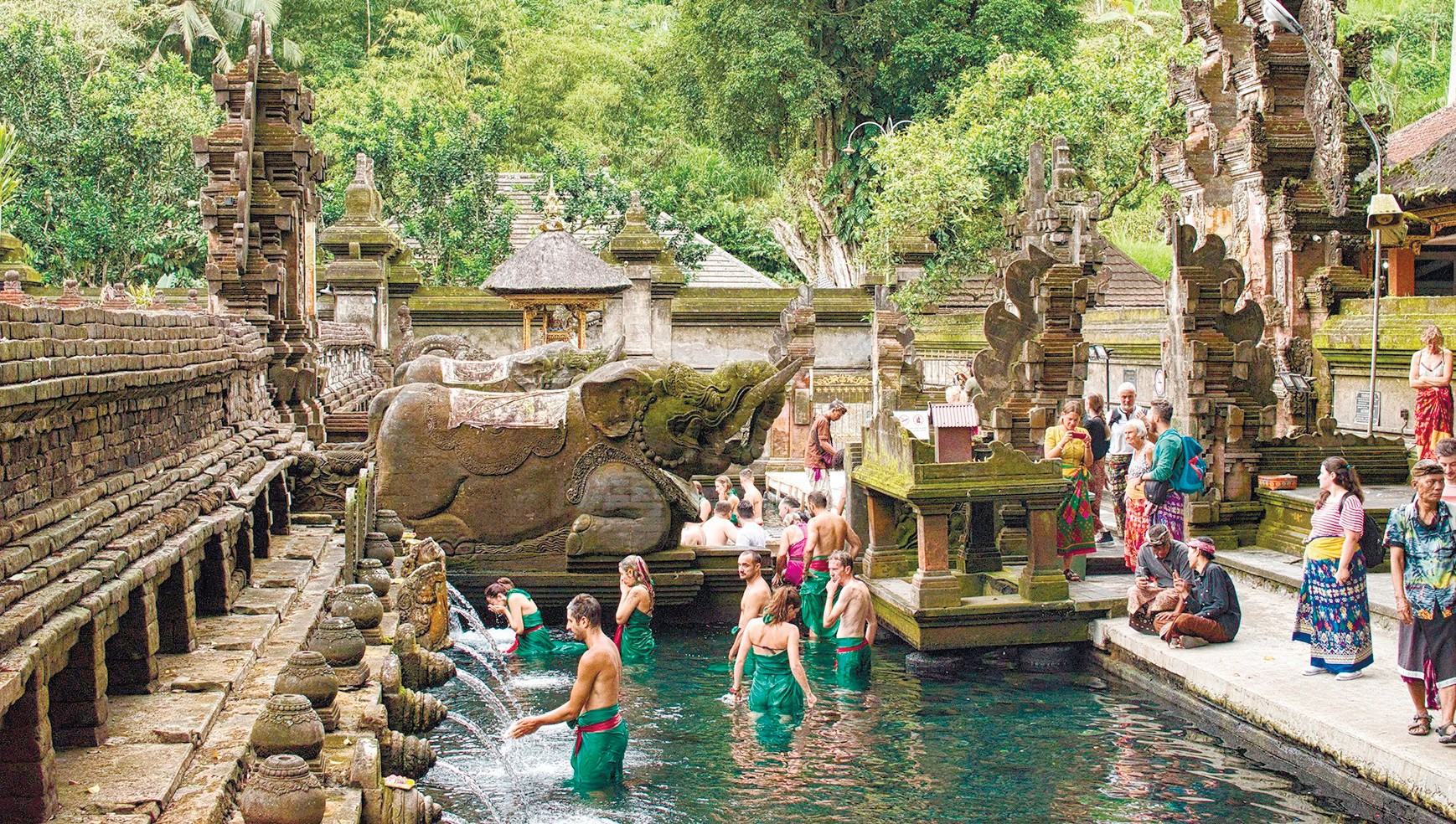
The sacred temple with Tirtha Empul thermal spring is popular for purification and meditation; according to Hindu beliefs it cures illnesses purifying body and soul.
Kuta and Seminyak beaches attract tourists for active surfing and nightlife; magnificent sunsets can also be enjoyed here.
Ubud’s square district is an arts and culture centre featuring galleries, markets and cafes; do not miss tasting local specialities.
Real gems are often hidden from most travellers’ eyes: Nung Nung waterfall in northern Bali impresses with torrents crashing from 50 metres height; in Trunjan village near Lake Batur an ancient custom preserves dead by leaving bodies under sacred trees rather than burial.
Bali dislikes hustle and bustle—it’s important to slow down to feel its true rhythm; allow at least one day without plans—wander rice paddies, chat with locals or sit on beach watching sun slowly sink behind ocean.
This amazing island is believed to have a magical power to change people; maybe it will change you too—you just have to give it a chance. As locals say: Jalan jalan dulu! ("Just go and see!")
RECOMMEND:
 281
281

