

THE EXPERIMENTER
Ilgar SAFAT: "Working on a theatrical play or a new movie script always forces me to delve into the shadow side of human nature."
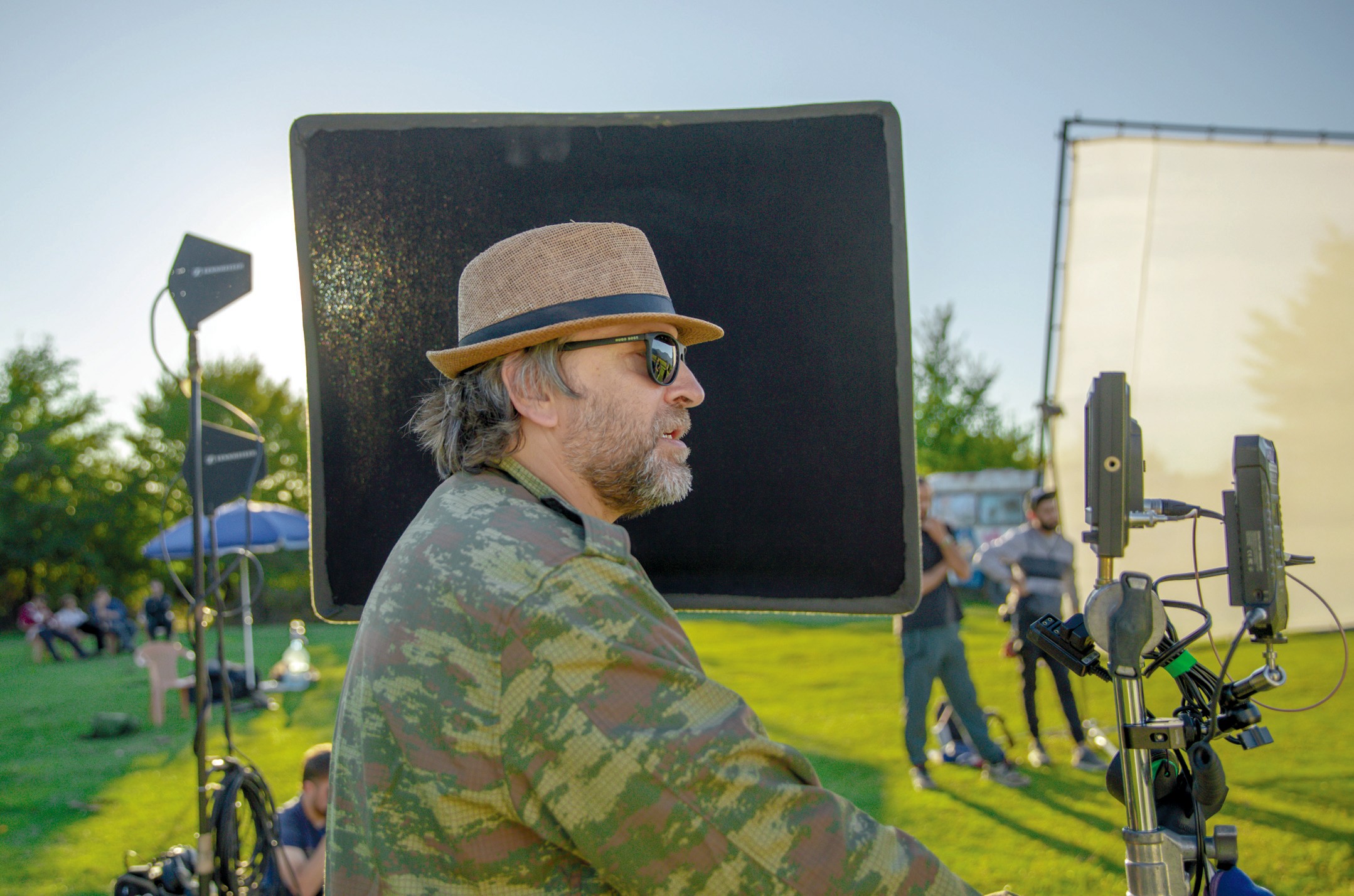
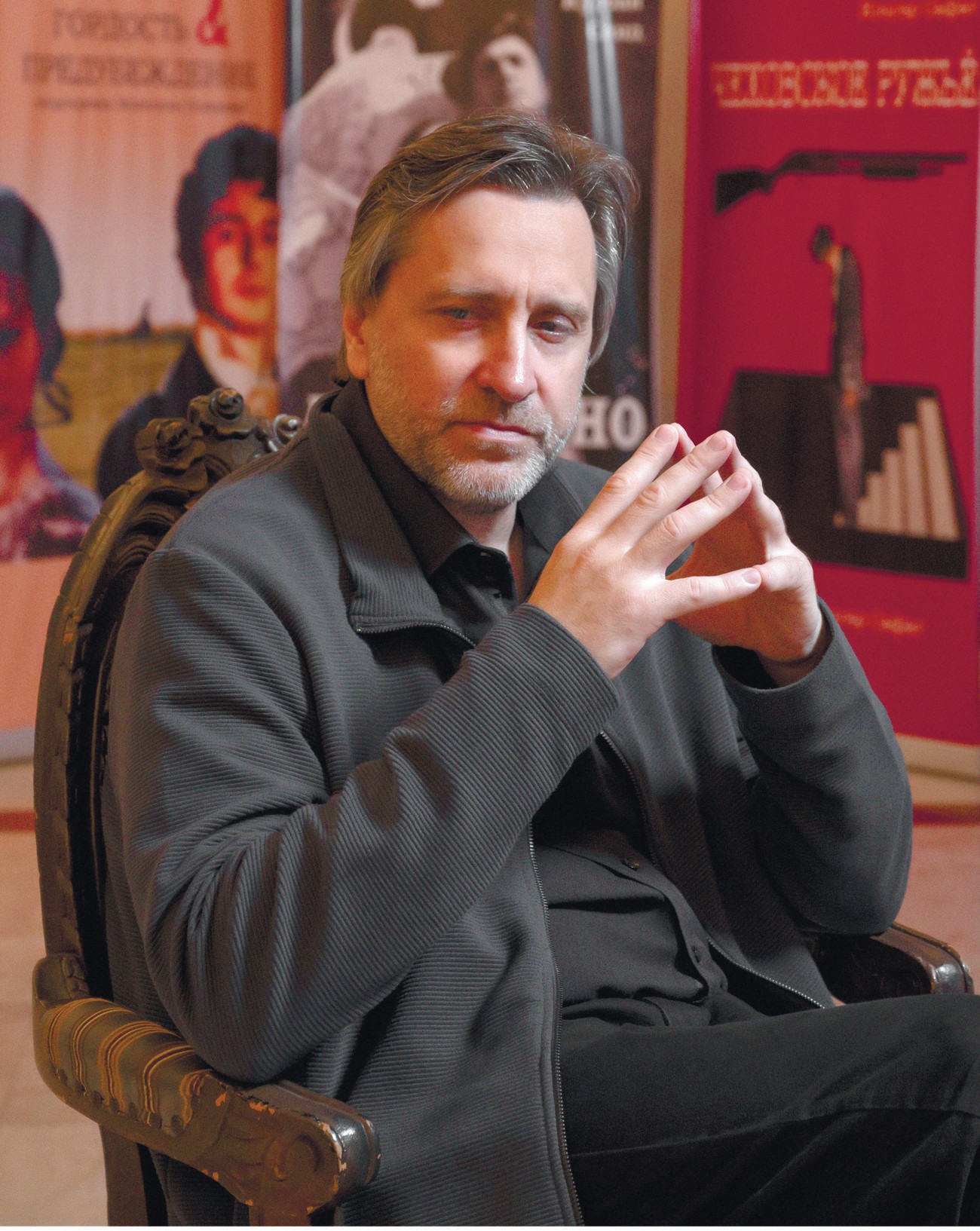
Author: Tatiana IVANAYEVA
Ilgar SAFAT is a theatre and film director, screenwriter, writer and Artistic Director of Narimanfilm. His films Sahə (The Precinct) and Icherisheher have garnered multiple international awards, including the Hollywood Young Artist Awards, California Golden Awards, and the Golden Remi at the WorldFest Houston Film Festival.
In his drama works, the central figure is invariably the human being. It is therefore no surprise that the author of books, plays and screenplays observes people closely and listens intently. More often than not, people do not actually say what they think. Unravelling what lies behind their words and actions is profoundly difficult—particularly in extreme situations.
"Your film Doğma torpaq (Native Land), which reflects a vast swathe of our country’s fate, has recently been released in wide distribution. During the process of working on the film, did any personal re-evaluation of the narrated events occur?"
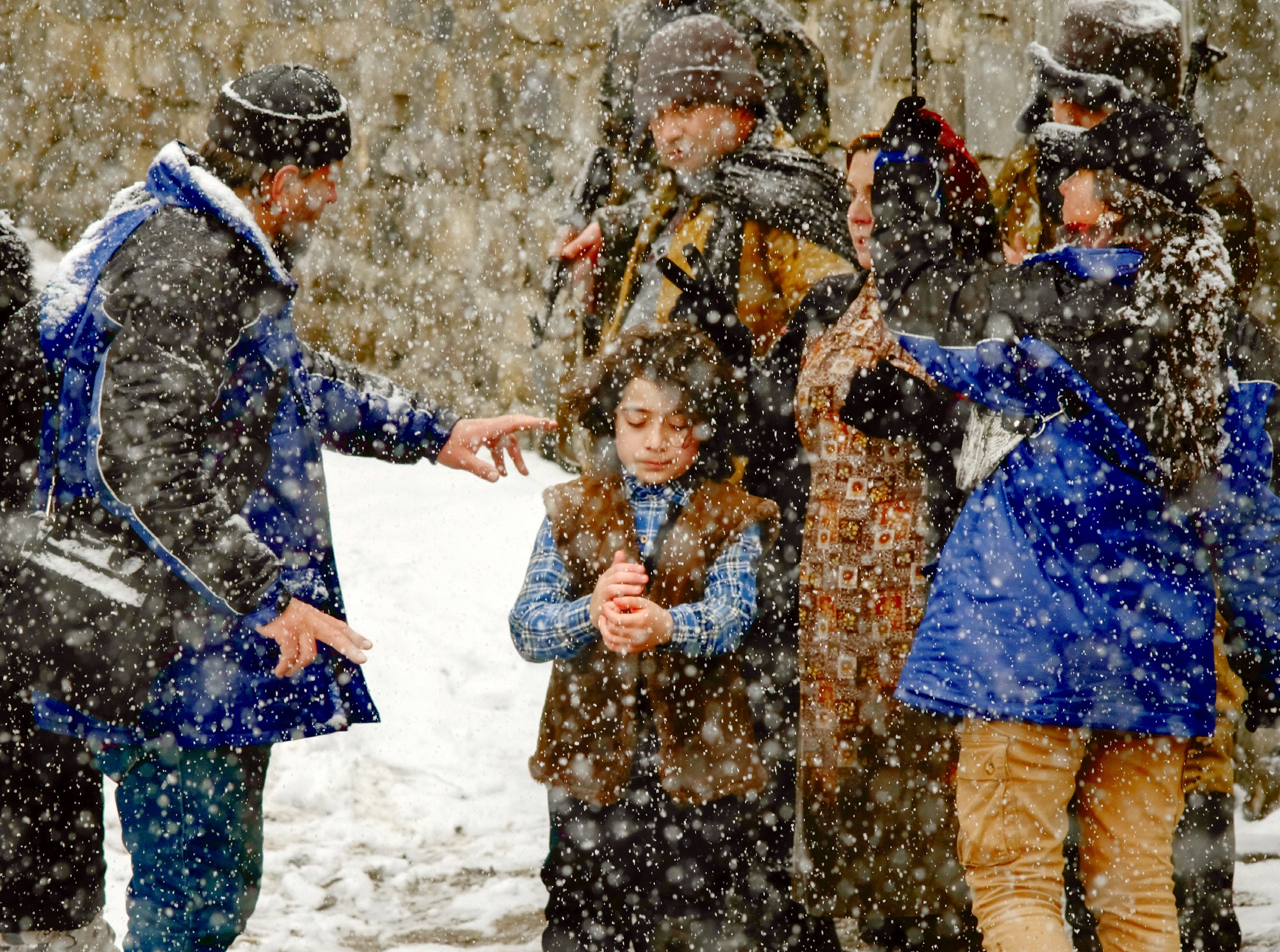
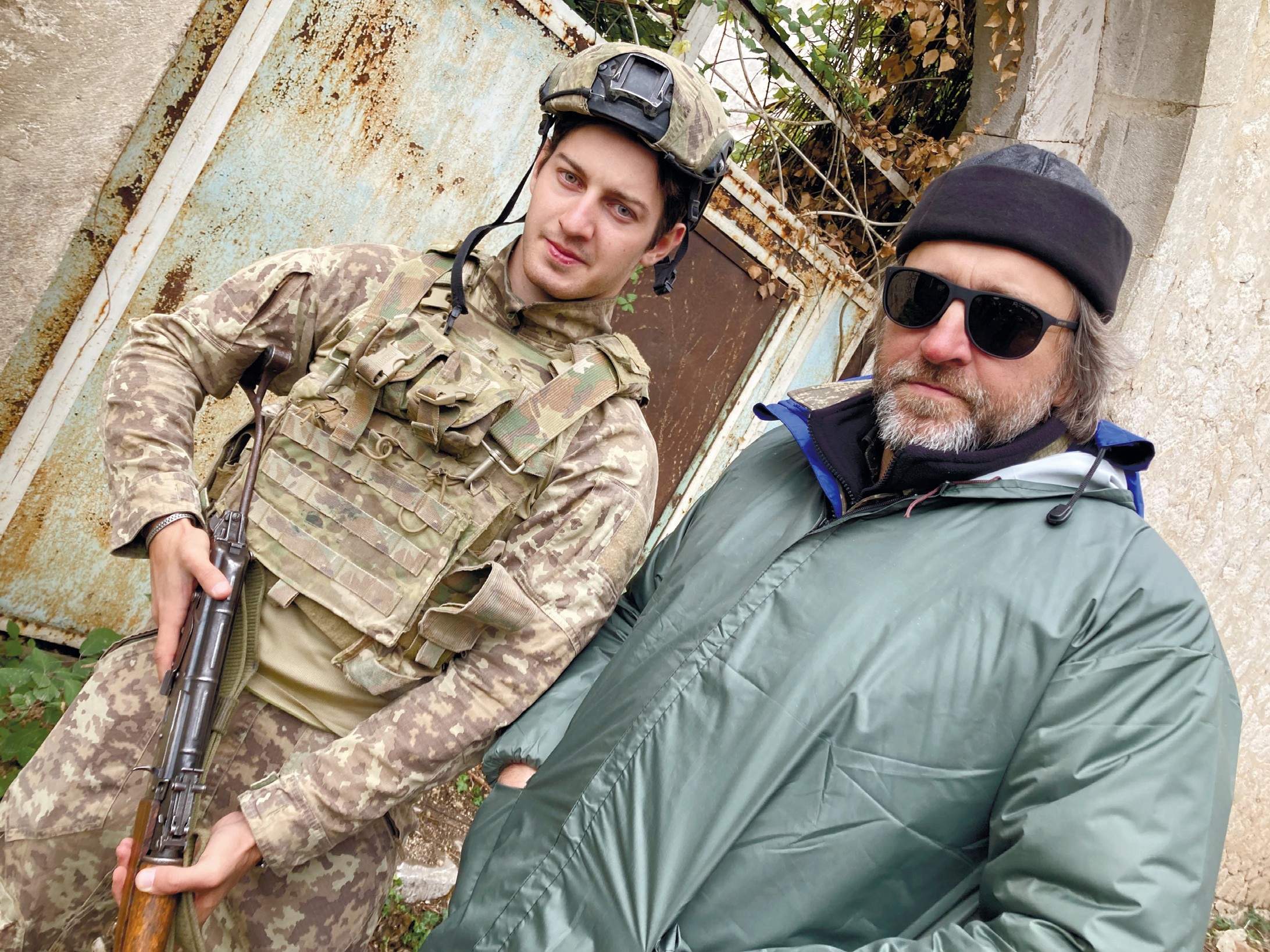
"Absolutely. We worked on Native Land (which tells the story of the Khojaly genocide) for a very long time—more than five years. Prior to that, I spent several years reflecting on the story, constructing the plot twists, and developing the characters. For all these years, I lived alongside my characters and within that tragic era we sought to bring to the screen. Native Land is a kind of cinematic novel. The story spans forty years. We see 1992, the brutal massacre in Khojaly, the first act of ethnic cleansing in the Soviet Union—the expulsion of Azerbaijanis from Kafan. We see the underground Dashnak cell accidentally uncovered by our protagonist in distant 1982. And, ultimately, we witness the return of the protagonist’s son to Shusha during the victorious 44-day war. Notably, Native Land is the first full-length feature film shot in Shusha after its liberation. We conducted our location scouting in Shusha just a few months after the end of hostilities. Naturally, when one works on a film for such a length of time, one inevitably absorbs the sorrow and pain of one’s people. You begin to better comprehend the historical context in which both you and your characters live. Like all my films, this one also contains numerous autobiographical elements. After all, these tragic events unfolded during our youth. As a director, it was crucial for me to understand our people’s past, to feel their pain once more, and perhaps—to attempt to heal from it. After all, with what else can a person heal his soul, if not with art?"
"Creating war films inevitably requires both factual fidelity and a degree of artistic license. How difficult is it to balance realism and fiction, military narrative and love story?"
"The artist has no reference point other than his own taste and his professional and life experience. That is why I always advise young directors to read more and to live life fully. Without intellectual and experiential ballast, one’s work—whether in theatre or cinema—will simply be unengaging. Regrettably, the current situation is such that young directors often produce uninspired replicas of earlier films. There is scarcely any trace of an auteur’s voice or personal vision. Films are manufactured from the same mould; one could switch the credits from one to the other and no one would notice. In contrast, in the past, a single frame could reveal the identity of the director. I am always interested in setting myself challenges, and Native Land is undoubtedly the most ambitious project I have undertaken to date. The film contains an enormous cast, extensive battle and crowd scenes, multiple languages, a significant number of stunts, child actors, and many non-professionals. My experience as a documentary filmmaker proved invaluable—particularly the years I spent in the Far East, where I worked under extreme conditions, in the taiga, at -35°C. We also lacked sufficient funding for a project of this scale. But part of our profession is the ability to see a project through to completion, regardless of the circumstances. Nothing should deter you. You must tell your story despite the endless obstacles that confront you—especially when the subject concerns such pivotal historical events as in our film. We were inspired by a new genre—a war drama, which was unfamiliar territory for me—by the significance of our national history and the triumph of the 44-day war. These were powerful motivating forces that enabled the entire Narimanfilm team to press forward towards our goal."
"Your creative pursuits span both literature and cinema. In terms of impact, how do theatre, books and film differ?"
"Whatever the medium, the artist’s task remains the same: to overcome chaos and attempt to extract harmony from it. One constantly faces resistance from the material, as well as destructive influences from both external and internal sources. The inner chaos is the most detrimental to creativity, and the most difficult to master. Depending on the medium, there are also external factors—the circumstances of the production, the actors, the crew, the weather—all of which play a role when making a film. Directing is a kind of psycho-technical discipline that helps you maintain balance between mind and emotion, and remain focused on creative and production challenges. Yet the viewer or reader cares little for your battles with chaos or the difficulties of your working conditions. What matters is the result; the path you took to achieve it is irrelevant. The essential thing is to preserve—through all this chaos—the original idea, the emotion you wish to convey, the themes that matter to you. These must be communicated with the utmost sincerity and artistic power. Only then can you hope to connect with the audience’s emotions and share your world-view. The director’s profession—like that of the writer—is extraordinarily difficult if you take it seriously, without compromise. There are no formulas. Each new project requires you to begin anew, as if for the first time."
"Do you see yourself more as a playwright, screenwriter, director, or author?"
"I’m often asked that, and I never really know how to respond. I don’t think in those terms. I simply try to do what interests me. I try to convey emotions that stir me, and tell stories I believe are worth sharing. Of course, each field has its own particular techniques, which must be studied, understood, mastered, and put into practice. But comprehension of the 'craft' comes primarily through hands-on experience—whether with a play or a film, it makes no difference. Everything comes from personal experience. Style, as the philosopher Alexei Fyodorovich Losev once said, is an organic extension of the author—a 'natural' part of him. And like fingerprints, style cannot be forged. So I hope that everything I create—whether it’s a play, a film, a book, or a song—contains something recognisably mine, something no one else could replicate."
"Let’s speak about theatre. Is it always mystical?"
"In my case, yes. There are different forms of theatre. There is illustrative theatre, where actors simply recite someone else’s text. Sadly, our audiences are used to this kind of theatre—illustrative theatre. Shouting, running around the stage, waving their arms, obligatory dancing... all of that. I find that uninteresting. I set myself other objectives, which align with my intellectual and spiritual pursuits. I try to construct a metaphysical space, an atmosphere that expands the audience’s perception—sometimes beyond the stage itself. It is an attempt to offer the audience a unique spiritual experience, to bring a captivating dream to the stage and draw them into it. I always strive to create a mystical dimension on stage and immerse the audience within it. I elaborate on my directing methods and philosophy in my book Lucidity. Dreams of Directing. There, I explore the phenomenon of lucid (conscious) dreaming in connection with the practice of directing. I believe the book will be of interest to those engaged in psychology, as well as professionals in theatre and film."
"Is a director always an experimenter?"
"A director is always searching. This is the defining, agonising quality of our profession—if we are speaking of a genuine director, and not merely someone carrying out an external commission. What can you bring that is new to a production of Chekhov or Shakespeare? You’re not staging Hamlet or The Cherry Orchard for the first time. How can a contemporary staging of a classic play deepen our understanding of the work? Do you have anything within yourself that corresponds to these great artistic images? If you take the profession seriously, and are honest with yourself, the audience, and the original author, then the level of difficulty and the degree of responsibility rise substantially. The director searches for vital connections between characters, dramatic conflict, narrative turns, and seeks to breathe life into seemingly familiar material. That is no easy task. In essence, the director must construct a 'living life' from crude physical materials. It is a game, a quest, an improvisation. But most importantly, there must be an authorial statement. You must not merely exploit classical images again—you must try to say something new through them: about our time, about life, about yourself. This is a rarity."
"Isn’t that a little close to madness?"
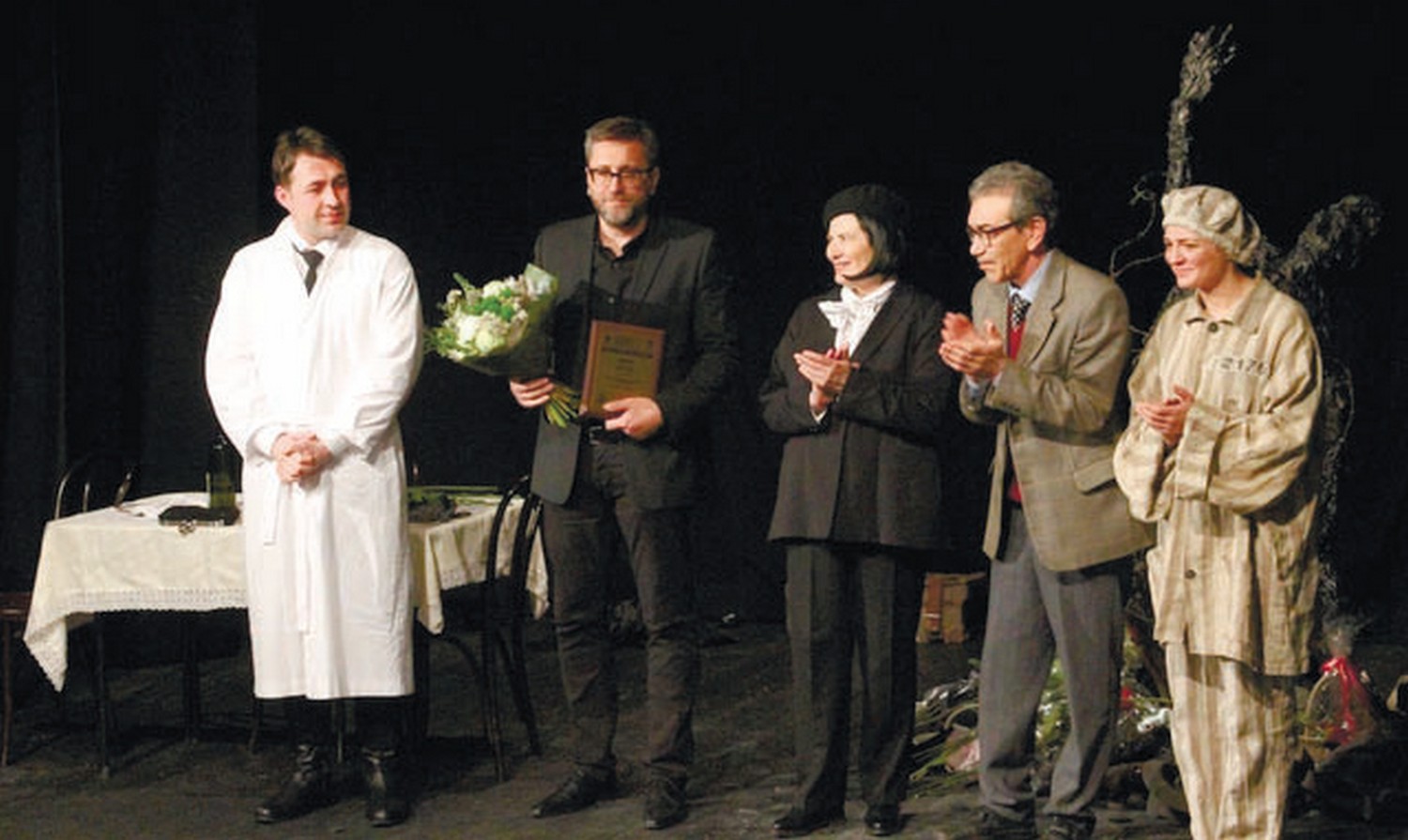
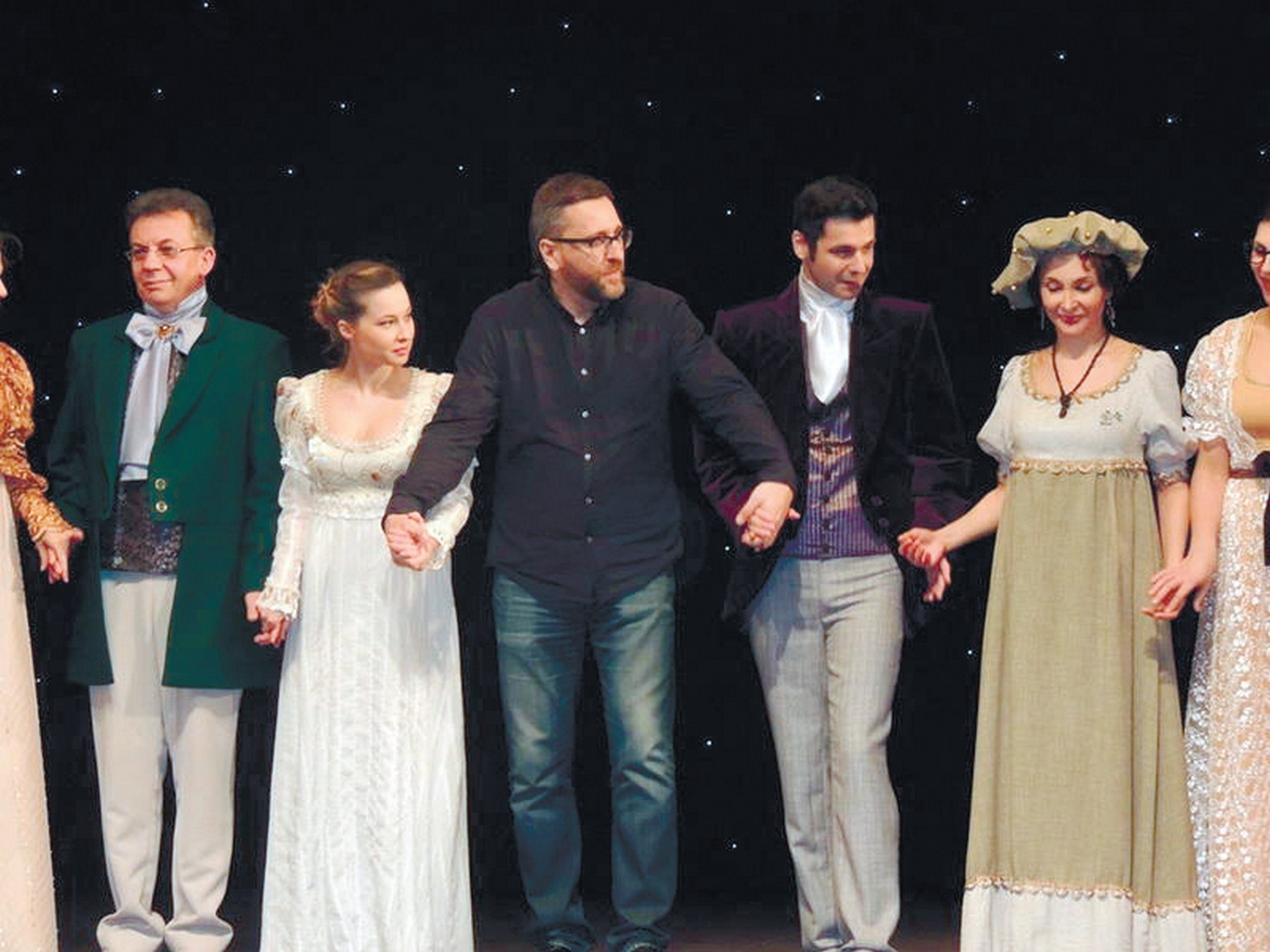
"I can only speak for myself, as I have been exploring altered states of consciousness for many years. They do not frighten me—in fact, they represent a kind of space I actively explore. The dark zones of the psyche and altered states are, for me, a source of fuel, material for work, a field of creative interest. When developing a theatre production or writing a new screenplay, one inevitably has to delve into the shadow side of human nature. Without this, the characters’ actions, their personalities, and motivations become incomprehensible. Yes, it is a dangerous territory—not every director ventures there. But my decision is informed by personal experience. I have long been fascinated by shamanic traditions—so much so that I once travelled to the Far East to study them and made films about Udege shamanism. In my work, I always rely on personal experience—as, I believe, any film director does. It’s just that my experience happens to be of this kind. It is probably no coincidence that I created Sahə (The Precinct)—the first mystical film in the history of Azerbaijani cinema. Unfortunately, this genre remains undeveloped in our national cinema, which, like many other areas, is currently in crisis. For that reason, much of my research has been transferred to the stage. My most recent experiment in this direction is the play Chekhov’s Gun, which I staged based on my own script. Firdovsi Atakishiyev delivers a profound psychological portrayal in the production. Before that came Осенняя соната (Autumn Sonata), featuring Lyudmila Dukhovnaya and Rumiya Aghayeva, based on Ingmar Bergman’s play. Also, In Search of Meaning by Iddo Netanyahu—the first production in our theatre to address the Holocaust. In that play, Maboud Maharramov embodied the image of the great psychologist Viktor Frankl. In one way or another, I always return to themes of psychological crisis and the protagonist’s attempt to overcome it. For some, this might resemble madness, but for me, it is a territory of creative research and exploration. These productions teach us not to fear the dark corners of our psyche, but to overcome the crises that life inevitably presents. For me, as a director, it is essential to explore these zones myself, to navigate them, and to offer the audience a way out of these destructive mental states."
"In studying mankind with all his passions, does it not come as a disappointment that, as both individual and social being, he has never learnt the lessons of centuries past—the rise and fall of civilisations?"
"Many things are indeed disappointing—but is there any point in lamenting them? What is happening today in art, in culture, in cinema, in theatre—it's all beneath criticism. We live in an era of simulacra, in which it is more important to 'appear' than to 'be'. Everyone is simulating something. As a result, nothing is what it seems, and it becomes exceedingly difficult not to lose oneself in this apocalyptic chaos. What’s required is mental hygiene and constant self-awareness—but who is capable of that today? People now live most of their lives in a virtual dimension, hypnotised by the media and social networks, divorced from reality. All art has turned into mass art and, in fact, is no longer art at all. It too has become a form of escapism—an anaesthetic that prevents people from understanding the true essence of things. I try to create films and performances that do not lull the audience into escapist slumber, but instead awaken them to intellectual independence. Some of my productions, such as Chekhov’s Gun, In Search of Meaning, and Autumn Sonata, are structured as psychotherapeutic sessions."
"Then Chekhov’s Gun, with its entirely auteur dramaturgy and staging, can be considered a reflection of your inner world?"
"Yes, like all my plays and films, I suppose. But Chekhov’s Gun is also a play about the very nature of theatre. It is rich in theatrical allusions and reminiscences, the most explicit of which is the reference to Antonin Artaud’s The Theatre and Its Double. Artaud’s voice, from his radio play, is also heard in our production. I wanted to blur the line between everyday life and theatre. To immerse the audience in the element and magic of theatre—to extract something genuine, essential, living life from theatrical artifice, as from an alchemical crucible. It is a psychological journey into the subconscious of the protagonist, brilliantly portrayed by Firdovsi Atakishiyev."
"Perhaps your careful selection of repertoire is also related to this?"
"Unfortunately, things do not always turn out the way one would like. More often than not, events unfold spontaneously and unpredictably. That is why being a director is not a job one can switch off from—it demands complete commitment. Of course, I have dreams and plans to carry out certain projects in both theatre and cinema. But sometimes reality dictates otherwise, and one has to accept a particular production. In cinema, however, I never take on projects that do not interest me. I have only made the films I genuinely wanted to make. Given the absence of a proper film industry in our country, any film you make might be your last. There is no guarantee you’ll be able to complete it. For example, I worked on Native Land for over five years. If even a socially significant film like that is made with extreme difficulty and no proper funding, what can be said of auteur cinema?"
RECOMMEND:
 310
310

