

DEADLINE
EU determined to stop importing Russian energy pretty soon
Author: Nigar ABBASOVA
The European Commission (EC) has unveiled a new strategy to phase out the import of Russian gas into the European Union by the end of 2027. The document outlines a staged approach to the exclusion of Russian gas, oil and nuclear power from the EU energy market.
In accordance with the provisions of the gas clause of the plan, the conclusion of new contracts for Russian pipeline and liquefied natural gas (LNG) supplies is prohibited, and existing spot agreements will reach their termination point by the end of 2025. Therefore, the EU has formally declared its intention to eliminate all imports of Russian fuel.
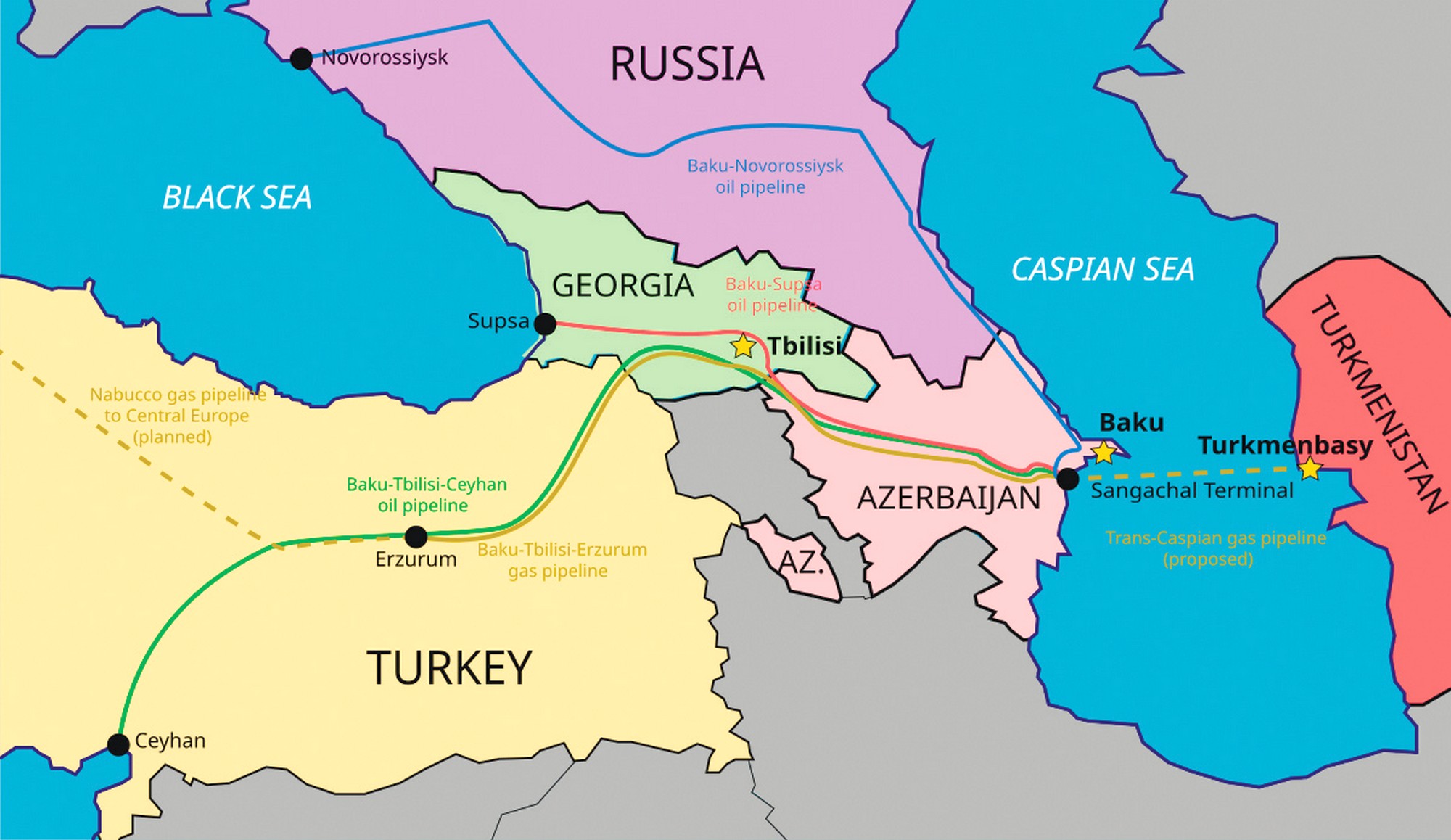
In this context, the diversification of gas supplies, including through additional volumes from Azerbaijan, is becoming increasingly important. This may accelerate the financing of the increase in the capacity of the Southern Gas Corridor, a key infrastructure connecting the Caspian fields with European consumers.
Situation irreversible
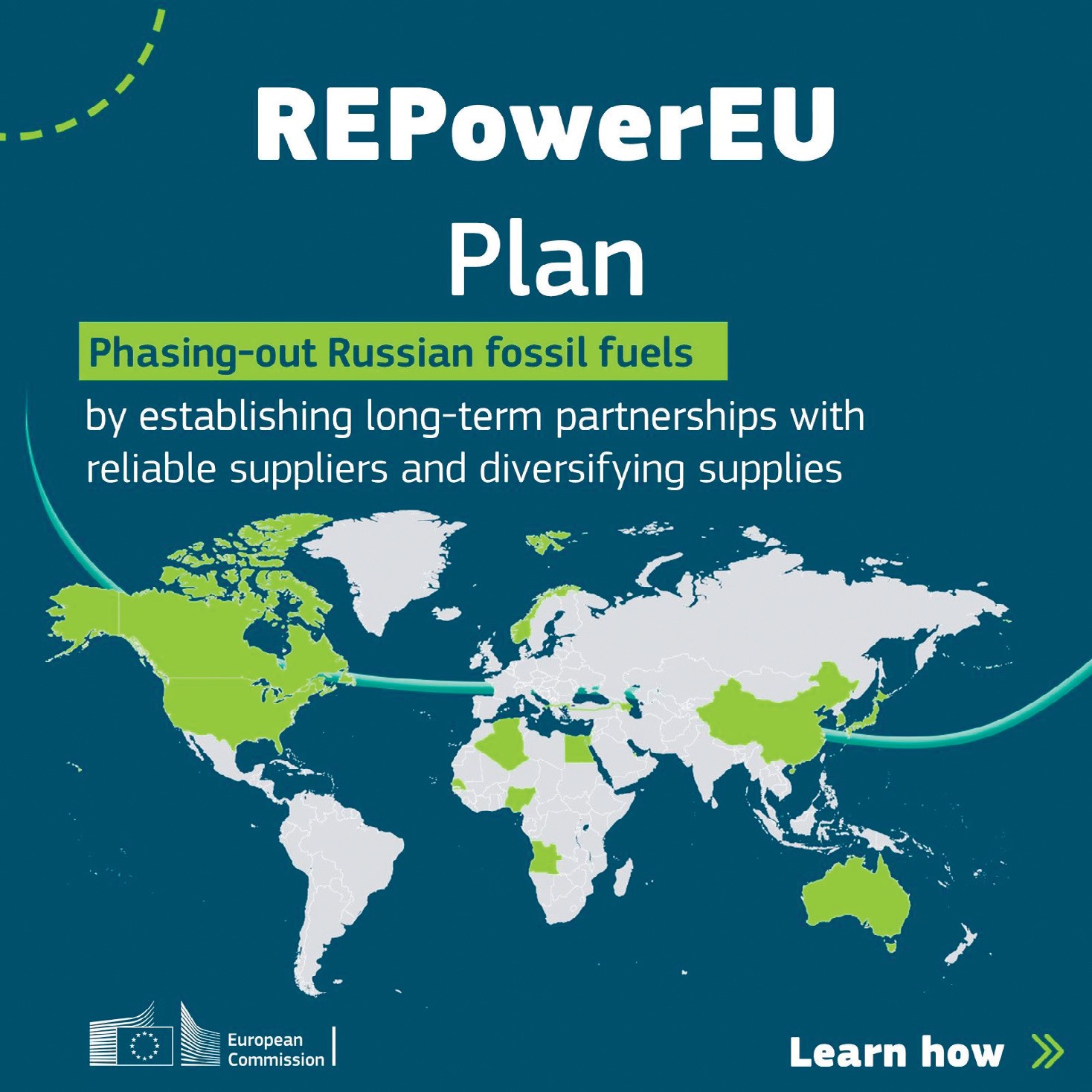
The European Commission's roadmap is based on the REPowerEU plan presented in May 2022. This document consolidated the EU's determination to phase out Russian energy while accelerating the transition to renewable energy sources (RES), energy savings and energy efficiency.
The measures taken have enabled a significant reduction in Russian gas imports, from 150 billion cubic metres in 2021 to 52 billion in 2024, with the share of Russian gas imports declining from 45% to 19%.
Currently, all Russian coal imports are prohibited in accordance with the latest sanctions. Furthermore, the proportion of oil imports from Russia has decreased significantly from 27% in early 2022 to just 3% at present.
In the nuclear power sector, Member States that continue to utilise Russian water-water power reactors have made progress in replacing nuclear fuel from other manufacturers.
According to the European Commission, the REPowerEU roadmap will make the EU energy independent from Russia.
The document observes that, despite the substantial progress achieved under the plan and through sanctions, the EU may experience a resumption of Russian gas imports in 2024, which poses a threat to shared security. "Thanks to REPowerEU, we have diversified our energy supply and significantly reduced Europe's reliance on Russian fossil fuels." Now is the time for Europe to completely sever its energy ties with an unreliable supplier," said European Commission President Ursula von der Leyen.
In the natural gas supply segment, the plan entails a prohibition on the signing of new agreements to procure Russian "blue fuel" from 2025, and the termination of all existing short-term (spot) contracts by the end of this year. This measure guarantees that by the end of this year, the EU will have reduced its remaining supplies of Russian gas by one third. It is anticipated that by the end of 2027, a ban on gas imports from Russia under long-term contracts will also be in effect. These restrictions apply to both pipeline supplies and LNG.
In accordance with the roadmap, the EC plans to introduce a series of legislative initiatives in June 2025 with the aim of enhancing transparency and ensuring greater control over the origin of gas supplied to the EU market. The measures include restrictions against the shadow fleet used by Russia to circumvent sanctions and export oil above the price ceiling.
In the nuclear energy sector, the EC will present proposals in June to restrict imports of enriched uranium from the Russian Federation and to ban new nuclear material supply contracts, including those concluded through the Euratom Supply Agency. The Valley of Radioisotopes initiative also includes plans for the expansion of domestic production of medical radioisotopes.
However, according to the European Commission, even after transit through Ukraine ceases in 2025, supplies from Russia could account for about 13 per cent of the EU's total gas imports. In 2024, 15.1 billion cubic metres of gas passed through Ukraine, 16.5 billion via Turkish Stream, and a further 20 billion in the form of LNG. It is anticipated that the latter two directions will prevail in 2025.
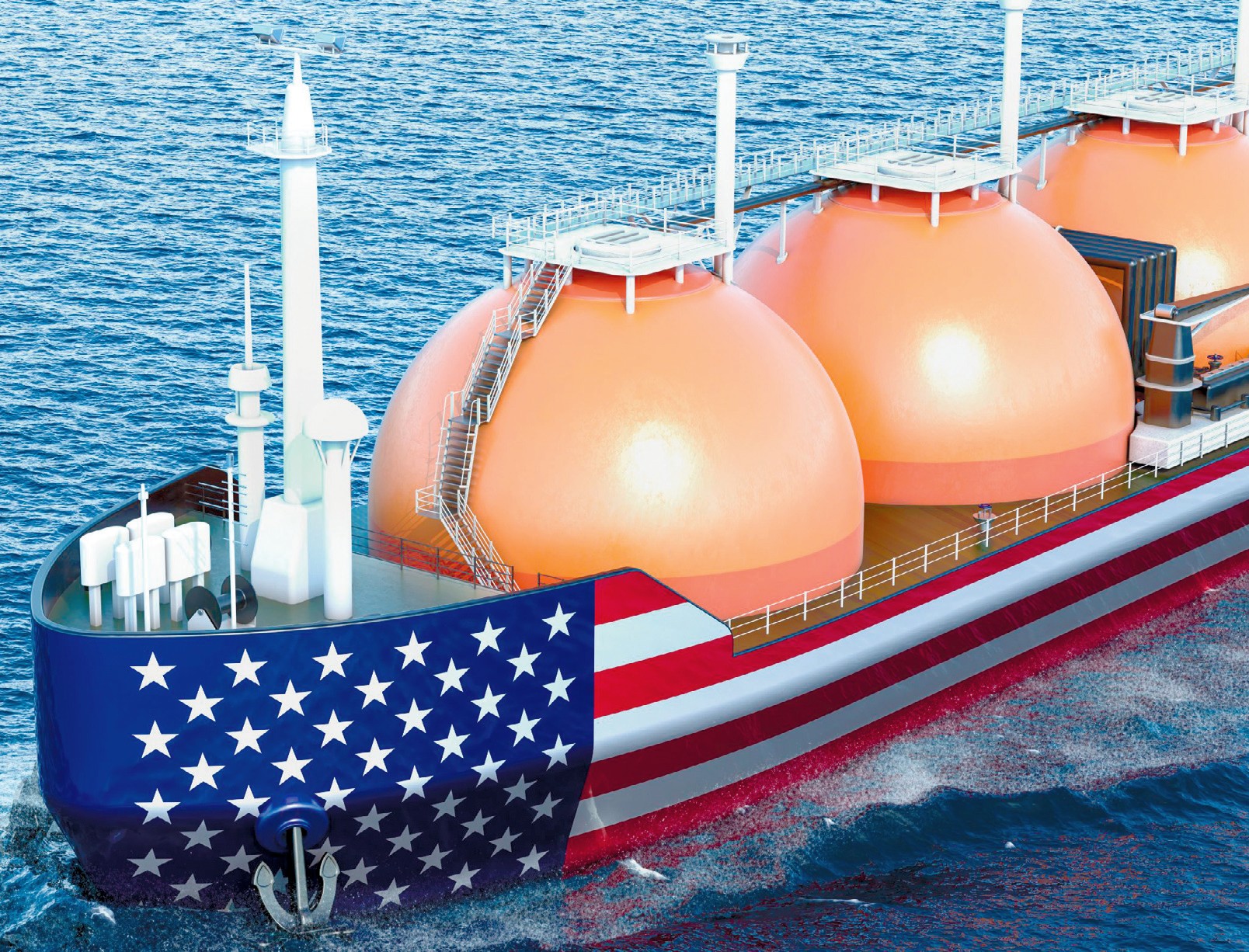
The EC estimates that the transition to renewables and energy efficiency measures will result in annual savings of more than 15 billion cubic metres of gas. Furthermore, it is anticipated that over the next two years, up to 90 billion cubic metres of liquefied natural gas, primarily from the United States, Canada, Qatar and African countries, will enter the market.
The Central and South-Eastern Europe region is of particular interest. In particular, the Neptun Deep field in Romania is scheduled to commence operations in 2027, with an initial annual output of up to 8 billion cubic metres of gas anticipated during the initial ten-year period.
The roadmap also underlines Azerbaijan's role as a reliable partner. From 2026, the Trans Adriatic Pipeline (TAP) is planned to increase its capacity by 1.2 billion cubic metres, which is directly linked to the expansion of the Southern Gas Corridor. Therefore, the EU's objectives are twofold: firstly, to diversify supplies, and secondly, to strengthen the energy partnership with the Caspian region.
In this context, Western mass media reported on negotiations between Russian and US officials regarding the potential assistance of the US side in restoring Russian gas supplies to Europe. In the course of the meeting, the following options were discussed: alleged participation of US investors in the Nord Stream project, the pipeline running through Ukraine, or Gazprom. According to Reuters, US companies could act as buyers, purchasing Russian gas and sending it to Europe, including Germany.
Yuri Ushakov, a senior aide to the Russian President, also confirmed that the talks are to take place. Whilst the specifics of the consultations are not made public, a valid question is raised: how can the US, as one of Europe's major LNG suppliers, enable the return of a direct competitor to the market? Given the political and economic orientation of the EU's new strategy, the likelihood of such a scenario occurring is low.
Please be advised that the European Commission has responded promptly. "Some people are still saying that we should reopen the tap of Russian gas and oil. This would be a mistake of historic proportions, and we will never allow it," Ursula von der Leyen said.
Meanwhile, the roadmap was expectedly met with criticism by Hungary and Slovakia, who intend to boycott its adoption if the vote is by majority rather than by consensus. Therefore, the Slovak Prime Minister, Robert Fico, has described the European Commission's proposal as economically damaging for Europe. Viktor Orbán, the Prime Minister of Hungary, is of the opinion that the implementation of the EC plan will result in increased prices and will have a negative impact on Hungarian families. "Should energy prices rise due to the ban on Russian gas, Hungary will incur an additional annual expense of 800 billion forints (equivalent to €2 billion)."
The Caspian route
While Europe seeks to reduce its reliance on Russian energy resources, Türkiye is actively implementing a strategy to become a key gas hub in the region. The subjects of energy security and blue fuel supply were the focal points of the Istanbul Natural Resources Summit.
Speaking at the forum, President Recep Tayyip Erdogan announced that the country had commenced receipt of Turkmen gas via Iran on 1 March, with over 250 million cubic metres already purchased to date. Ankara is aiming to increase the volume of these supplies to 1.3 billion cubic metres by the end of 2025. Discussions are underway with Ashgabat regarding the possibility of extending the agreement for a further five years.
"In the future, we intend to establish direct supplies of Turkmen gas through the Caspian pipeline. If this initiative is successful, Türkiye will be in a position to provide significantly larger volumes of supplies not only for its own market, but also for Europe," the Turkish president said.
President Erdogan has confirmed that Türkiye remains committed to the implementation of the Trans-Caspian gas pipeline project, which aims to supply Turkmen gas to international markets (via Azerbaijan - R+). This development has the potential to establish a reliable export route for Turkmenistan to market its own energy resources. Ashgabat has repeatedly emphasised in recent years that the Trans-Caspian gas pipeline is an element of its long-term strategy to expand the geography of exports and reduce dependence on the only buyer (mainly China).
In practical terms, the project was not developed: Turkmenistan has strategically invested in the construction of the TAPI (Turkmenistan-Afghanistan-Pakistan-India) gas pipeline. The project is designed to transport 33 billion cubic metres of natural gas per year, which could significantly contribute to energy security and economic development in the region. However, the implementation of this initiative is facing a number of challenges, including the ongoing political instability in Afghanistan and the complex relations between India and Pakistan. Meanwhile, it is vital to acknowledge that the success of any regional project is impossible without stability in the region itself and coordinated cooperation between all parties involved.
The reasons behind Turkmenistan's involvement in the TAPI project, which involves two warring nuclear powers and a country experiencing significant domestic instability, are not fully understood. Consequently, the pipeline has not yet been commissioned and its completion is unlikely in the foreseeable future. This is particularly relevant in light of the current tensions between India and Pakistan. Despite the US-brokered ceasefire agreement, the level of trust between New Delhi and Islamabad remains extremely low. This poses a significant challenge in the execution of capital-intensive and long-term energy projects in this direction.
In this context, the Trans-Caspian route appears to be a more viable and dependable option for both Turkmenistan and its partners in Azerbaijan, Türkiye and the European Union.
In order to eliminate its reliance on Russian energy resources, Europe requires stable alternative sources of gas, and the Caspian region, with its logistical and resource potential, is well placed to play a strategic role in this process.
RECOMMEND:
 261
261

