

COST COMPONENTS
Azerbaijan's farming industry overcomes risks affecting domestic production volumes
Author: Aghasaf NAJAFOV
Climate risks and the increasing crisis processes in the global agrarian sector in recent years are pushing countries to reconsider their agricultural strategies. This is the path that Azerbaijan is consistently following, where large-scale agricultural reforms are underway. The key vectors of these reforms focus on introducing economical irrigation systems and advanced agro-technologies, digitalisation, and increasing producers' access to concessional finance and subsidies.
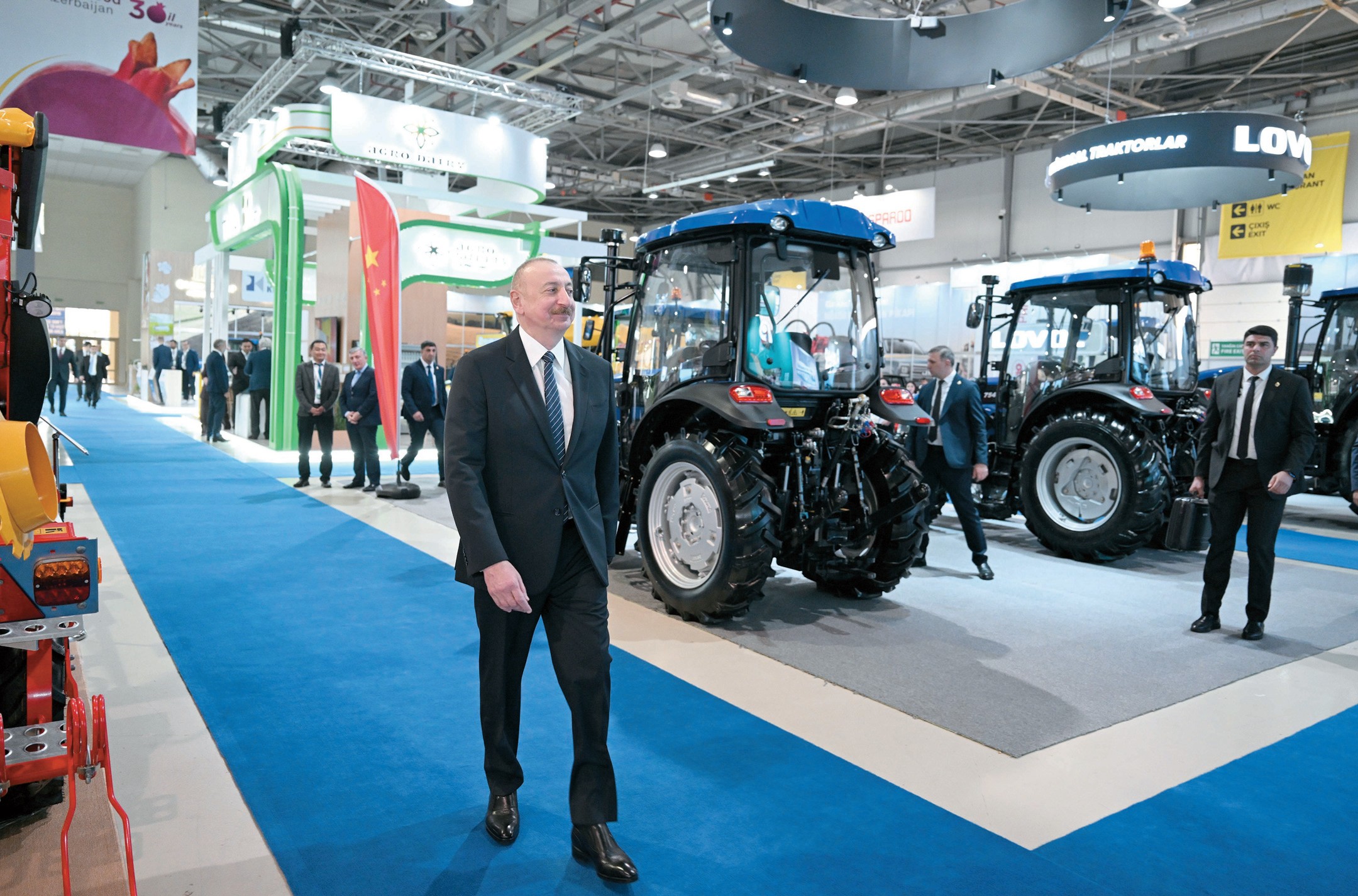
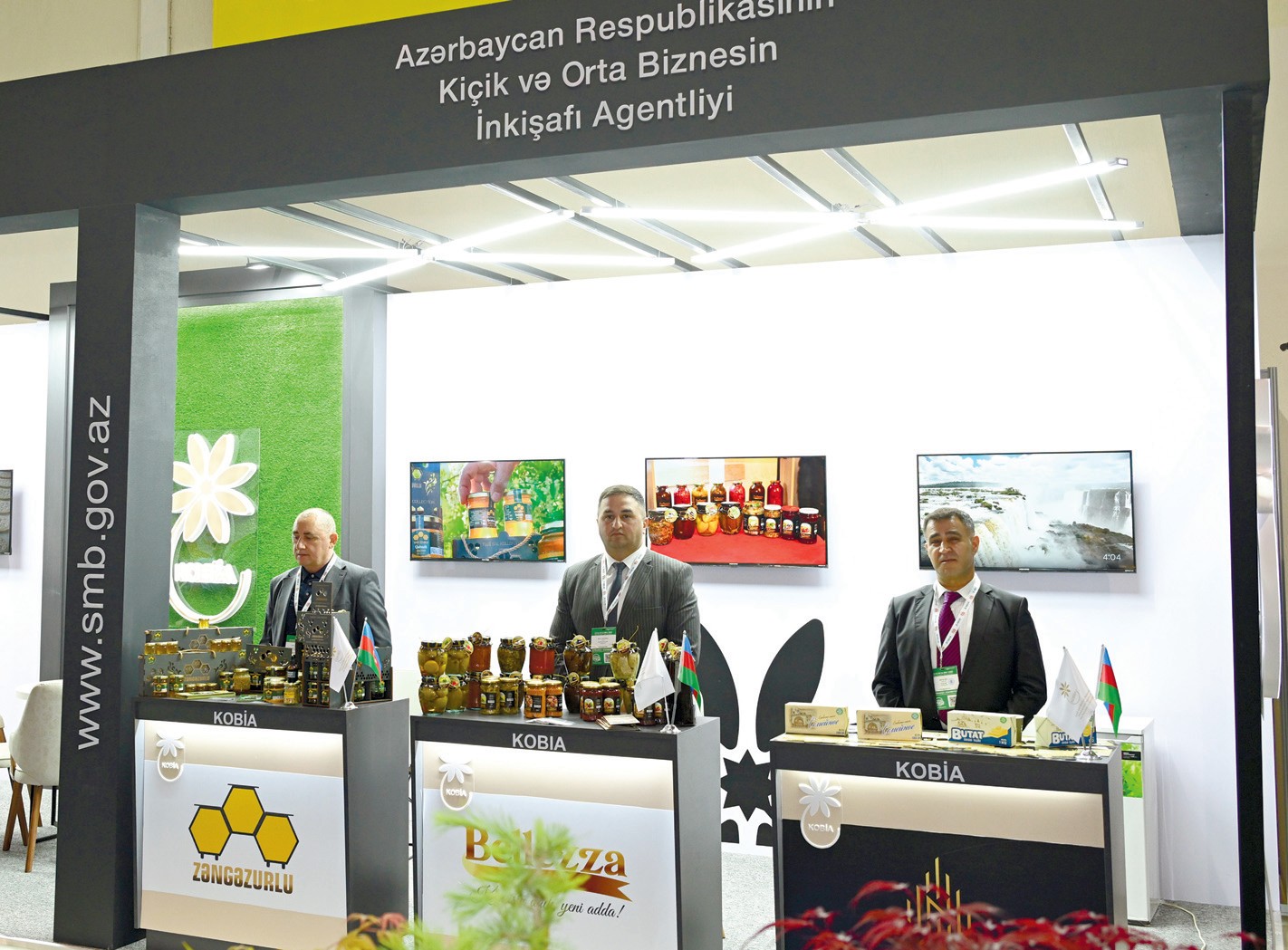
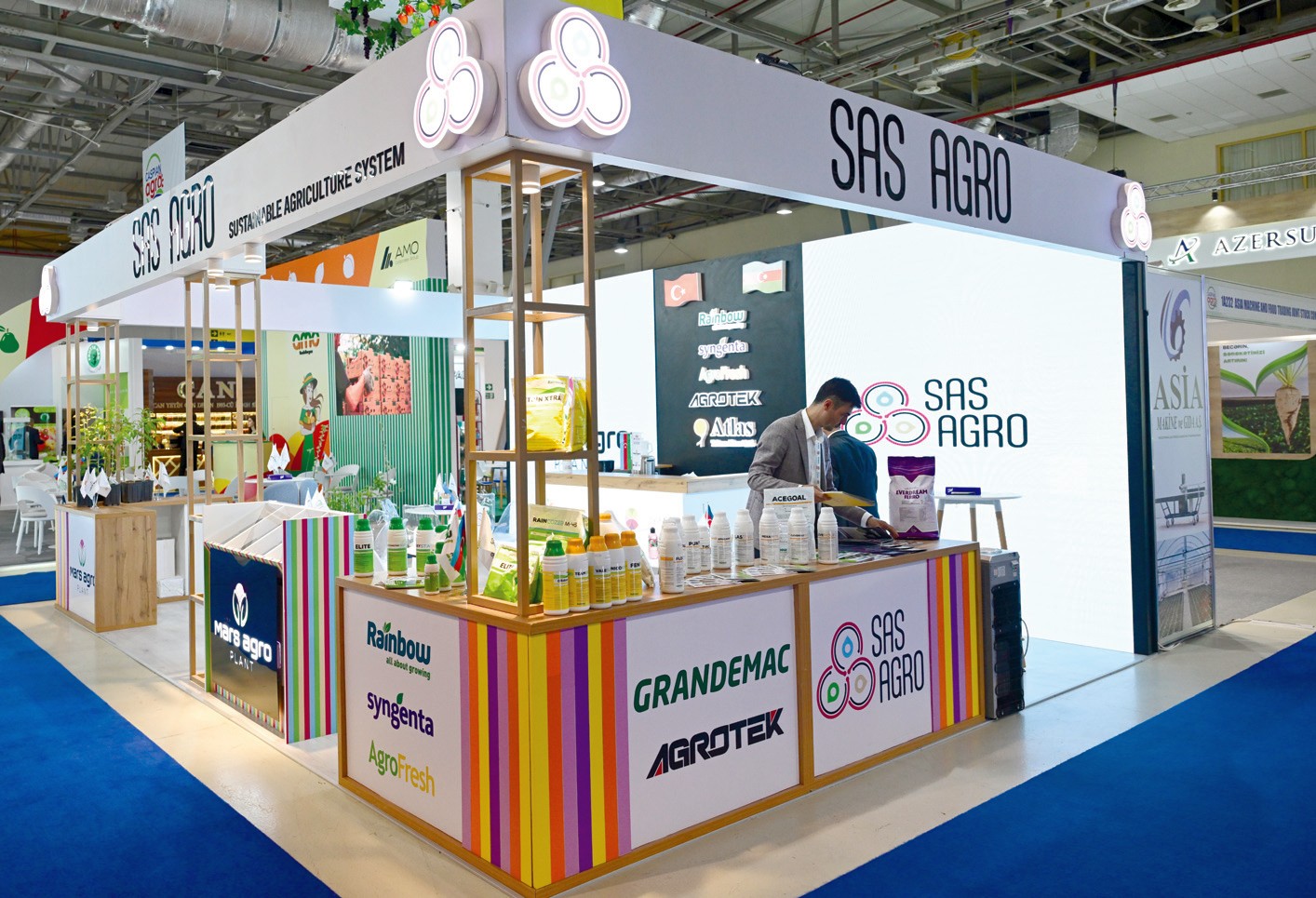
The existing risks and prospective measures for the sustainable development of Azerbaijan's agriculture were discussed at the IV Forum on Agribusiness Development held in Baku in early May, as well as during the international exhibitions Caspian Agro and InterFood Azerbaijan.
Growth and decline
Structural reforms and technical modernisation of Azerbaijan's agricultural sector have significantly reduced dependence on imports and brought local food production to about three quarters of consumption. The Food and Agriculture Organisation of the United Nations (FAO) has ranked the country among prosperous countries by this indicator for several years.
However, in recent years, agricultural production in Azerbaijan has not shown high growth rates. In 2024, the total volume of agricultural production, which exceeded ₼13 billion, increased by only 1.5%. While livestock farming saw an increase of 1.7%, crop production growth did not exceed 1.1%.
This inertia partly results from the narrow domestic market. Additionally, a significant share of fruit and vegetable crop production is directly linked to exports and thus highly dependent on fluctuations in market conditions of key partner countries in the post-Soviet region. Nevertheless, in 2024, agricultural and food sectors increased external supplies by 11.3%, reaching $1 billion. A strong start was also recorded in the first quarter of the current year: agricultural products worth ₼1.6 billion were produced, an increase of 1.9%. Moreover, crop production (mainly seasonal products) grew by a notable 13%.
Looking back at agribusiness development over the last five years, it is clear the sector has faced pressure from a series of global crises. Disruptions in production and transport chains, periodic price rises for cereals, oilseeds, and other basic crops, as well as imported inflation impacts have exposed serious problems in the agro-industrial complex.
Azerbaijan's crop farms remain heavily dependent on imported elite seeds, pesticides, phosphate, and various fertilisers, while livestock complexes and poultry farms face volatile prices for imported feed, vitamins, vaccines, and other inputs.
The food industry encounters similar challenges. It remains highly reliant on imported milk powder, bio-additives, food chemicals, containers, packaging materials, and processing equipment. The rising costs of these imported raw materials and consumables place a heavy burden on domestic production costs.
Climate risks
Agriculture also faces numerous risks, with climate change being the most complex. This includes desertification, erosion, salinisation of fertile soil, and shortages of irrigation water. Increased high winds and precipitation have caused floods and mudflows that damage agricultural land. "Agricultural efficiency is closely linked to climate; hence this sector is most sensitive to climatic changes. On April 16 this year alone, Azerbaijan received up to three months’ worth of precipitation in one day, including in Baku; floods and mudflows affected 17 mountain rivers," said Mukhtar Babayev, the President's representative on climate issues, at the IV Agribusiness Development Forum.
Over the past decade, the climate crisis has affected the entire South Caucasus region but is especially severe in Azerbaijan. This is why FAO includes Azerbaijan among 20 countries worldwide whose agricultural sectors face critical water shortages. Some 3.61 million hectares of land suffer from severe erosion or dehydration to varying degrees, accounting for 41.8% of the country's land fund. "By 2030, water demand due to heat could increase by 16%, so agricultural policy must prioritise moisture-saving solutions and drought-resistant crops. Priority should be given to increasing yields on already cultivated land rather than expanding new sown areas," Deputy Economy Minister Samad Bashirli stated. He noted that creating new sown areas increases water demand and poses additional risks amid limited resources.
About 70% of fresh water in Azerbaijan is used in agriculture. The main task for the domestic agricultural sector is to reduce water losses by concreting worn main irrigation canals, using waterproof polymer coatings in distribution ditches, and implementing economical irrigation systems across fields. Modernisation efforts have succeeded in nearly fifty agrarian parks where almost 80% of all pivot and other economical irrigation systems in the country are concentrated. These innovations will continue expanding. According to a presidential decree, grain farms will receive additional subsidies for five years if they use modern irrigation systems. It is expected that around 40% of the cost for purchased drip and other economical irrigation systems will be subsidised by the state with the remainder covered by soft loans.
Moreover, climate-optimised agricultural techniques are being increasingly used to prevent soil degradation and improve fertility; new drought-, salt-, and heat-resistant crop varieties are introduced; innovative green and organic cultivation methods along with biological crop protection techniques optimising water, fertiliser, and pesticide use are being promoted. These practices are also planned for increasing cereal planting on demined lands in Garabagh and East Zangezur economic regions.
Financial support
Despite progress, the Ministry of Agriculture still faces challenges in introducing new agricultural technologies including economical irrigation systems in small farms that experience technical and financial difficulties modernising operations. Commercial banks have yet to become major lenders to farmers due to issues accessing loan capital, high interest rates, lack of liquid collateral, and limited insurance coverage for smallholders.
However, there have been positive developments recently. "The Central Bank of Azerbaijan (CBA) plans measures to stimulate lending in agriculture; subsidising interest on loans for grain producers is under discussion to encourage banks’ engagement," CBA Deputy Chairman Toghrul Aliyev said at the forum.
According to CBA data for 2024, agrarian insurance contracts increased by 9% year-on-year while insured agrarian entities grew by 5%. Expanding agrarian insurance is recognised as one of the most effective ways to mitigate sectoral risks and promotes greater participation by commercial banks in financing agribusiness.
A key step addressing farmers’ water issues was a 2023 presidential decree granting the Agency of Agrarian Credit and Development authority to provide state guarantees for loans and subsidise interest on loans for purchasing modern irrigation systems for wheat production.
"Supporting all agricultural entities—from small family farms to large agro-parks—is a strategic state priority: subsidies, concessional financing, technical support, and institutional incentives are crucial components," stated Azerbaijan’s Minister of Agriculture Mejnun Mammadov. "We provide consistent support: in 2023, subsidies totalling ₼352 million were paid to 387,340 farmers; in 2024, ₼362.5 million was distributed among 380,704 farmers."
State support with machinery and breeding animals also plays an important role. In 2024 alone, ₼83.9 million was allocated to purchase 6,477 machinery units; this year ₼80.8 million is planned for acquiring 9,107 units of various agricultural equipment. Additionally, ₼17.4 million was granted last year to purchase 5,830 heads of pedigree cattle.
Minister Mammadov emphasised these incentives aim to develop domestic import-substituting production and help establish farms resilient to climate risks.
Optimising subsidy systems and preferential financing has brought qualitative improvements—transparency and targeting—largely due to the Ministry’s Electronic Agriculture automated information system (EKTIS). This mechanism has played an unprecedented role in streamlining subsidies, strengthening control, ensuring transparency—including purchases of fertilisers and fuel—and boosting soft loan access and insurance uptake among farmers. "Today over 900,000 entities are registered in the E-Agriculture system," noted Deputy Agriculture Minister Ilhama Gadimova. She pointed out that EKTIS also simplifies farmers’ interaction with banks by improving loan accessibility.
Introducing artificial intelligence into Azerbaijan’s agriculture is a priority for this year’s agrarian department agenda.
Together these measures should positively impact sector statistics and bring Azerbaijan closer to achieving maximum self-sufficiency in agricultural products.
RECOMMEND:
 234
234