

TURNING POINT
Important message from Iranian leader can reshape regional configuration
Author: Namig H. ALIYEV
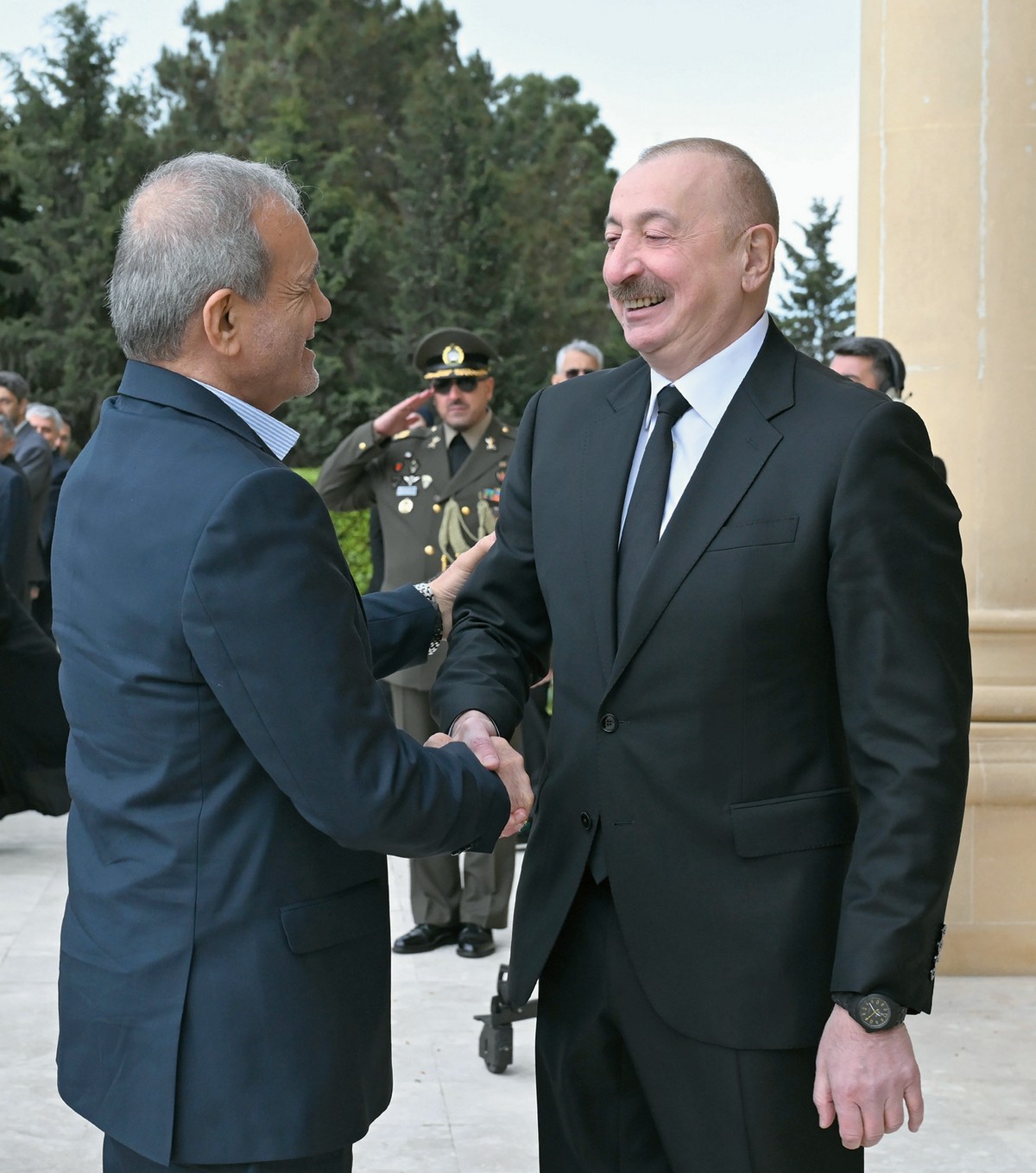
The April official visit of Iranian President Masoud Pezeshkian to Azerbaijan can rightly be described as historic—not only because of the level at which the meeting took place but also because of the statement made by the Iranian leader. For the first time at such a high level, it was declared that Iran recognises Azerbaijan's sovereign right to Garabagh and other territories over which it holds authority. Tehran’s position is a step that could change the configuration of regional politics. To fully appreciate its significance, not only from a diplomatic perspective, it is necessary to revisit historical facts.
Historical background: whose lands were these?
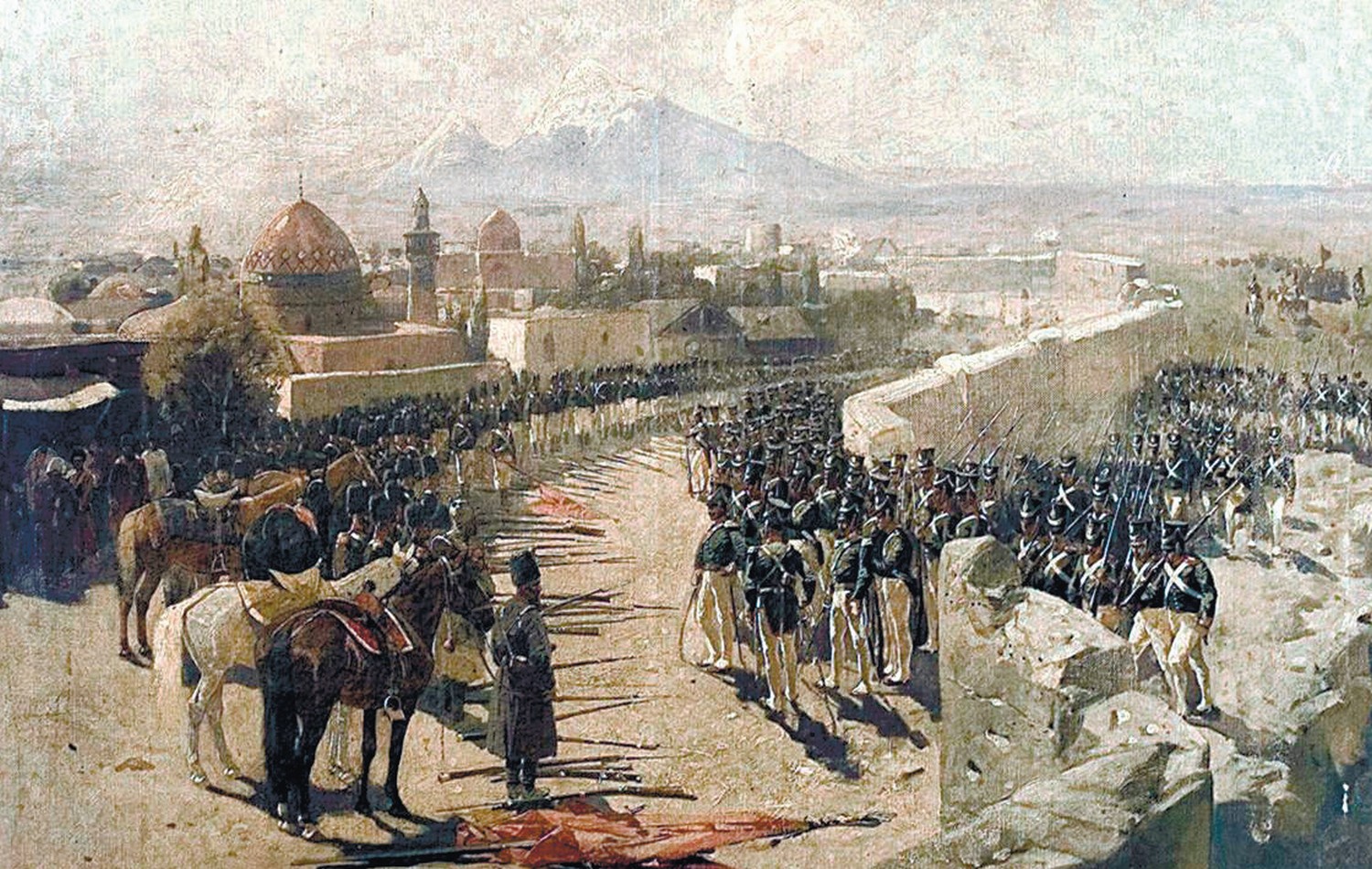
Until the early 19th century, the territory of modern Yerevan was part of the Persian Empire as the Iravan Khanate, one of roughly two dozen Turkic Muslim khanates within the historical boundaries of Azerbaijan. The overwhelming majority of the khanate’s population were Turkic-speaking Muslims. This is supported not only by Azerbaijani sources but also by Russian officials and diplomats of the time.
For instance, Alexander Griboyedov noted in his diplomatic reports that Armenians were a minority in Iravan. This observation is further confirmed by Russian researcher Nikolai Shavrov, who wrote in 1911 that Armenians made up no more than 20 per cent of the population in the Iravan and Nakhichevan khanates before 1828.
Armenian resettlement: demographic transformation of the region
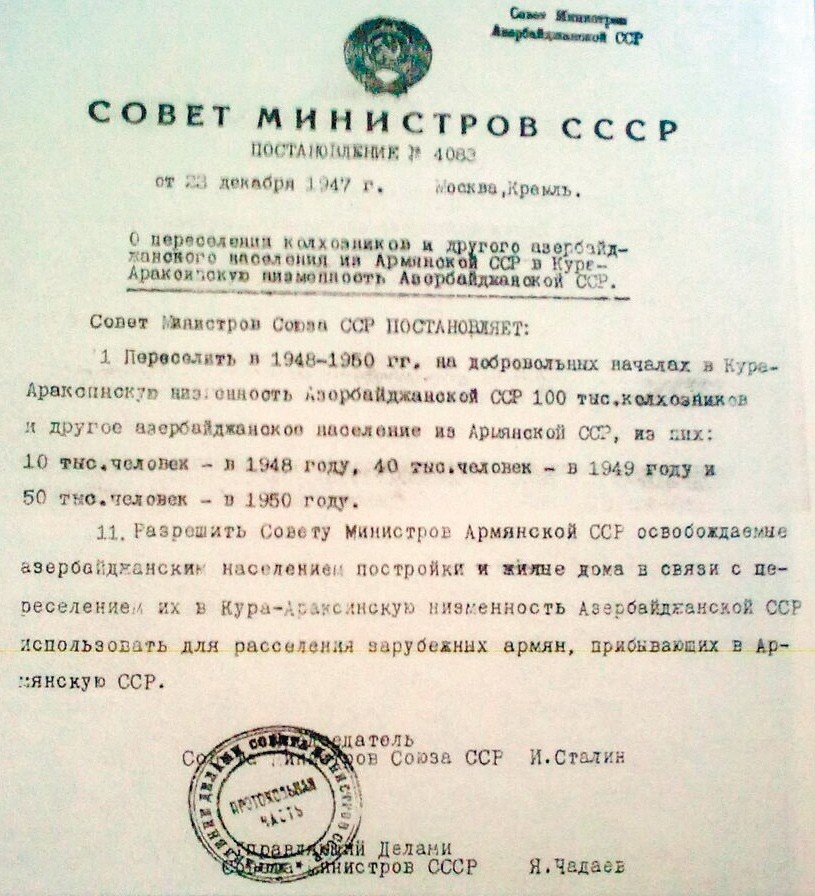
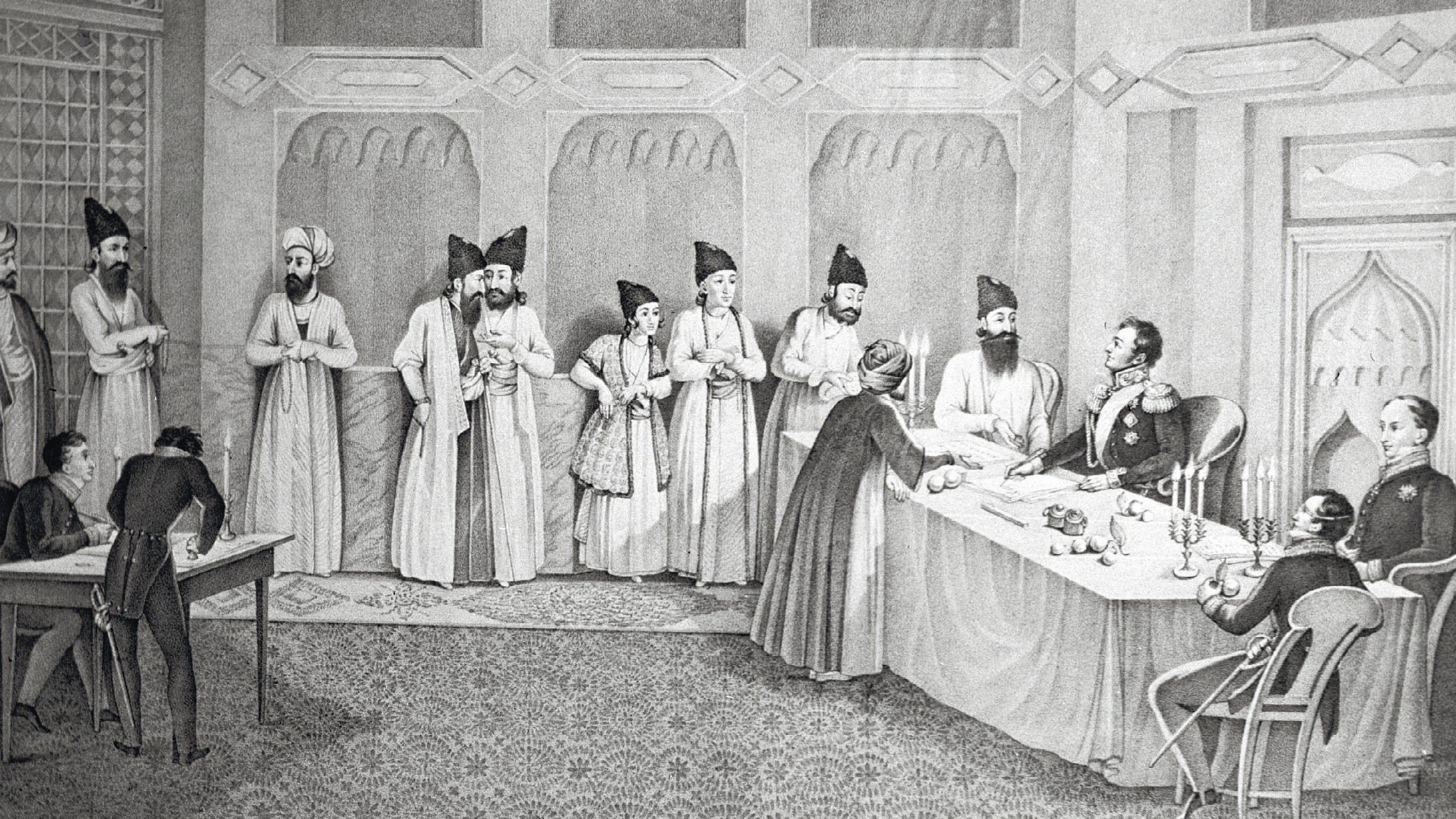
The situation shifted dramatically after the signing of the Treaty of Turkmanchai between Russia and Persia in 1828. The territories of the Iravan and Nakhchivan khanates came under Russian Empire control. Immediately thereafter, a large-scale programme of Armenian resettlement from Persia and the Ottoman Empire was launched. According to various sources, more than 40,000 people were relocated from Persia alone. This process is documented in detail in the writings of Russian officials such as Sergei Glinka, Ivan Chopin, and Nikolai Shavrov.
Historians including Griboyedov, Shavrov and Glinka state that tens of thousands of Armenians moved to the South Caucasus during this period. The purpose was clear: to establish a loyal population in the empire’s border regions. Shavrov notes that out of 1.3 million Armenians living in the Caucasus by 1908, over one million had been relocated artificially.
Thus, the Russian Empire deliberately altered the ethnic makeup of the region, creating a demographic reality favourable to its southern borders as part of a wider imperial strategy in the Caucasus.
Birth of Armenia: geopolitics instead of history
The year 1918 was one of great upheaval and radical change. Following the collapse of the Russian Empire amid revolutions and wars, nation-states began to form in the South Caucasus. The emergence of independent Georgia and Azerbaijan was natural; however, the artificial creation of the Armenian Republic involved violence.
Western powers pressed for an Armenian state, initially proposed within Eastern Anatolia. Turkey strongly opposed this, threatening military intervention. An alternative was then offered: establish Armenian statehood at the expense of historically Azerbaijani lands. Under external pressure and amid violent extermination campaigns against Azerbaijanis by Armenian groups, Azerbaijan consented to these terms.
On May 28, 1918, the Armenian National Council unilaterally proclaimed an independent republic on territory encompassing the former Erivan and Kars provinces. A day later, on May 29, under pressure, the Azerbaijani National Council decided to cede the city of Iravan (the former capital of the Iravan Khanate) to Armenians for use as the capital of their new state.
The key question remains: how legitimate was this decision?
Legal inconsistencies: why Iravan’s transfer is illegitimate
Historians and legal experts highlight several serious violations. Firstly, voting within the Azerbaijani National Council did not meet quorum requirements. Only 18 out of 28 members were present at the meeting, yet at least two thirds were required to approve crucial decisions. Of those present, 16 voted in favour—an even smaller number. Moreover, meeting minutes claim that 20 members participated in voting—two more than were actually present. This arithmetic discrepancy is notable.
Additionally, on June 1, 1918, three Council members from Iravan protested against this decision; their objections were not considered but merely appended to the minutes.
These facts justify asserting that the decision to hand over Iravan was made under external pressure and political instability and is therefore legally null and void.
The Treaty of Batumi and Armenia’s territorial expansion
On June 4, 1918, an international treaty signed in Batumi set Armenia’s territory at 8,000 to 10,000 square kilometres. However, by the end of the 20th century its area had nearly tripled to 29,743 square kilometres. This expansion resulted from transferring several Azerbaijani territories to Armenia during Soviet rule, including Zangezur and others.
Transition of Zangezur: a party decision over the popular will
Repeated attempts were made to separate Zangezur from Azerbaijan. One critical moment occurred in November 1920. Against the backdrop of Soviet power consolidation in Armenia and at Foreign Affairs Commissariat head Chicherin’s suggestion, an agreement was prepared to transfer Nakhchivan and Zangezur to Armenia. Azerbaijan strongly opposed this.
The issue was discussed at a Politburo meeting attended by Stalin and Ordzhonikidze; it was decided that transferring these lands was politically and strategically unacceptable.
Nevertheless, on November 30, 1920, it was announced that Zangezur had been transferred to Armenia. Notably, this decision was taken not by parliament nor by popular vote but by a Communist Party body—without referendum, public discussion or legal procedure. Like Iravan’s case, this calls into question the legitimacy of territorial changes.
The need for revision: what can Azerbaijan do today?
The story of transferring Iravan, Zangezur and other territories to Armenians is not merely historical; it concerns national memory, legal justice and state policy. Modern Azerbaijan has every reason to politically and legally assess actions taken in 1918 and 1920 regarding territorial transfers including Iravan and Zangezur.
Given new regional realities—including Iran’s recent recognition of Azerbaijan’s rights—Baku has an opportunity to initiate international dialogue about reassessing historical justice in the South Caucasus.
The Milli Mejlis of Azerbaijan should consider politically and legally evaluating decisions made in 1918 and 1920 without popular participation or under external pressure or occupation; clearly define their legal status; and incorporate this stance into official policy.
It is only a matter of time before justice is restored
The current form of Armenia’s history results not from organic development but from external interference, geopolitical manoeuvres and changes in regional ethnic composition. Today, with Iran officially recognising Azerbaijan’s rights to Garabagh and other territories, a new chapter begins in regional affairs. At this stage, historical truth can—and must—take its rightful place.
RECOMMEND:
 264
264

