

TAHIR MAMMADOV'S MAGNETIC AND MYSTIC PAINTINGS
"To orient oneself to the viewer or to remain true to oneself — this is a dilemma that demands compromise. It is difficult"
Author: Tatiana IVANAYEVA, Lala ELDAROVA
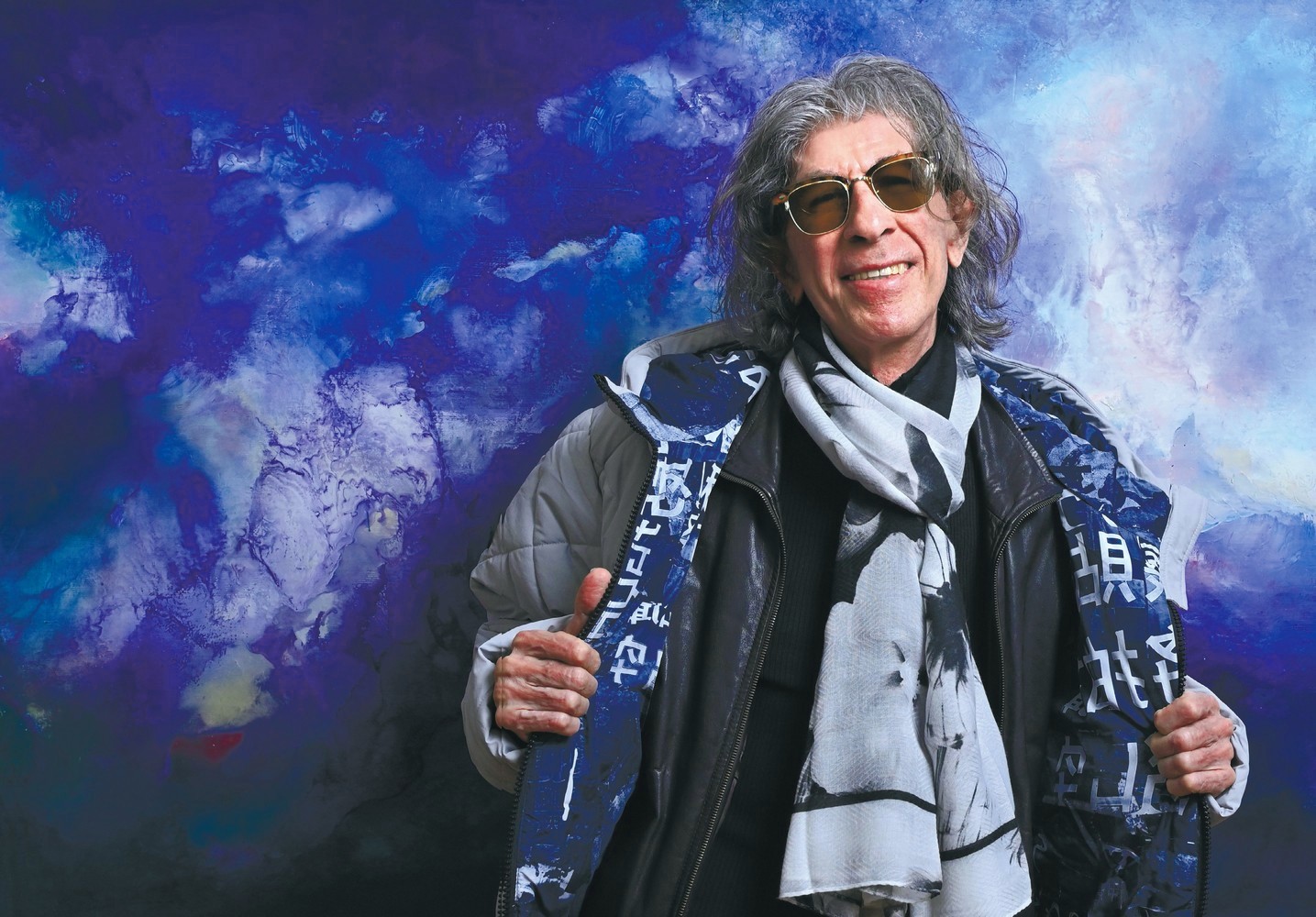
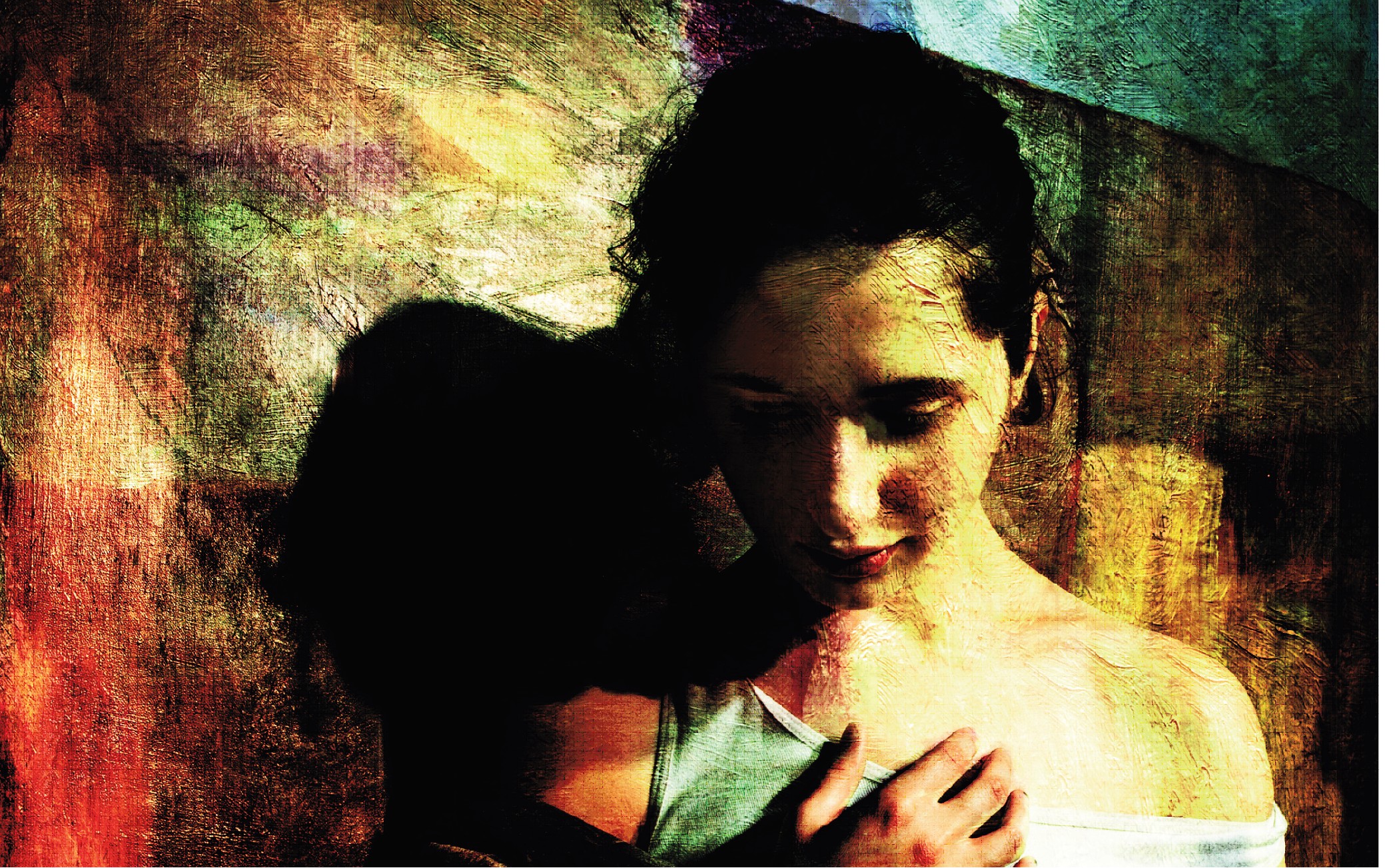
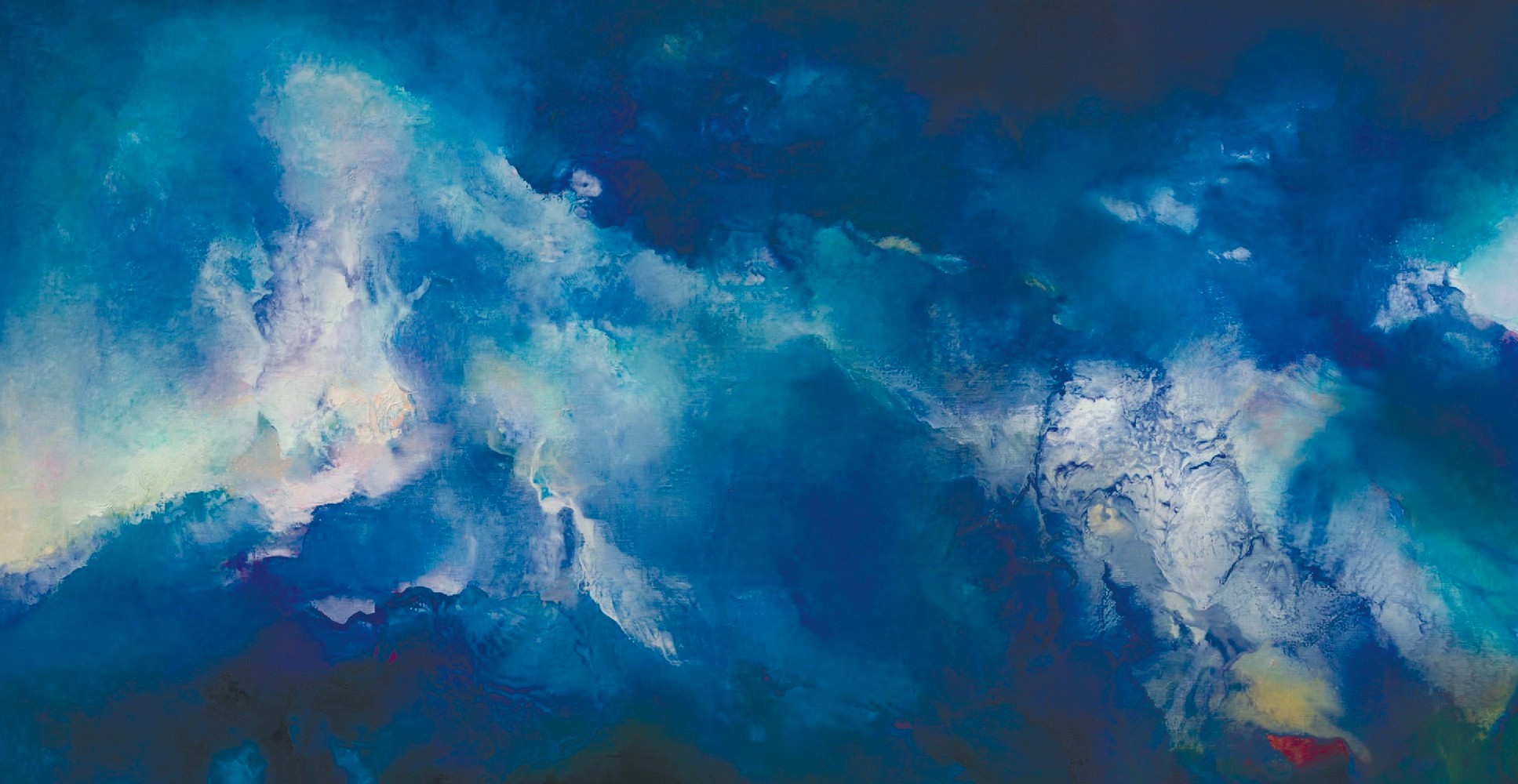
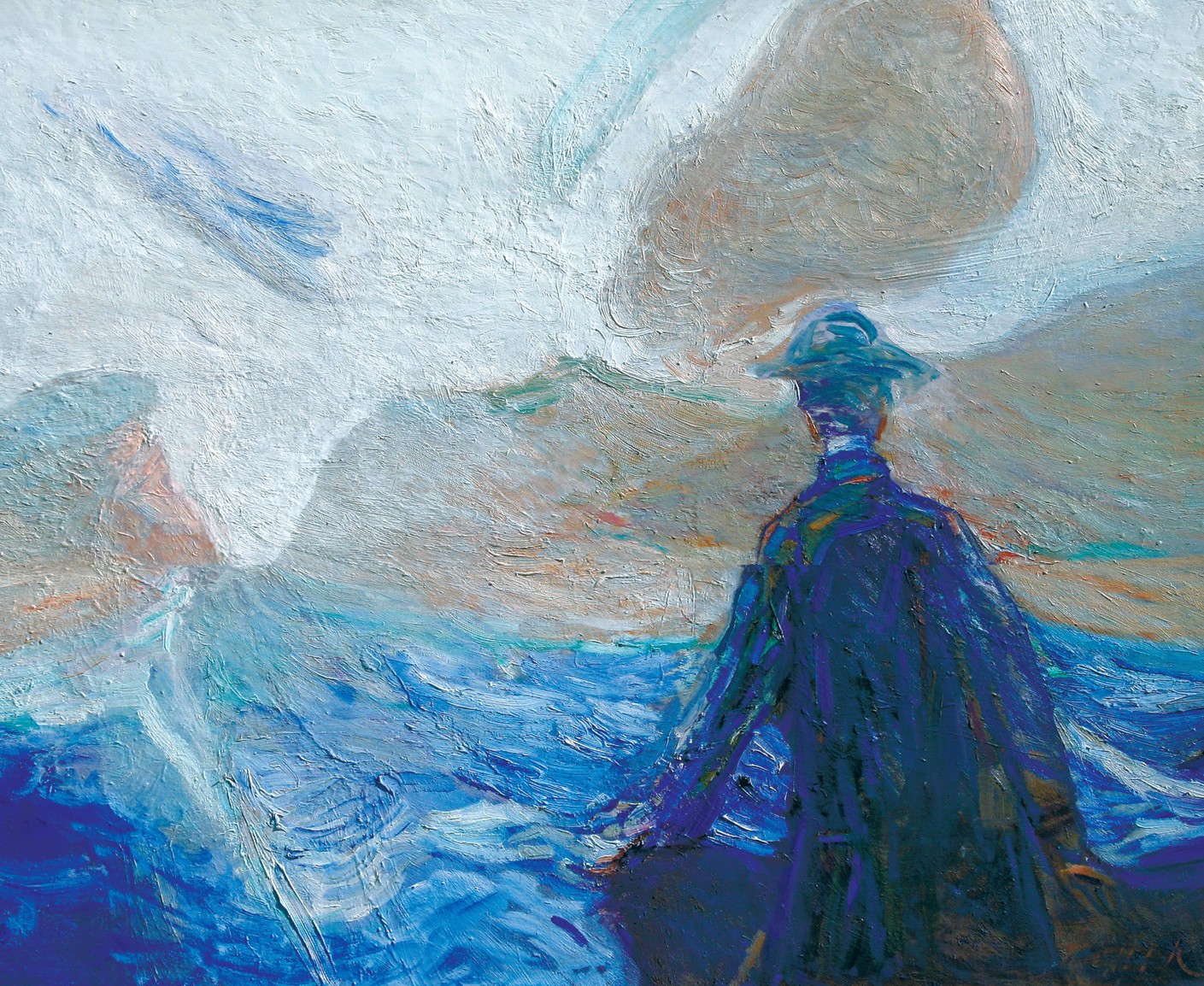
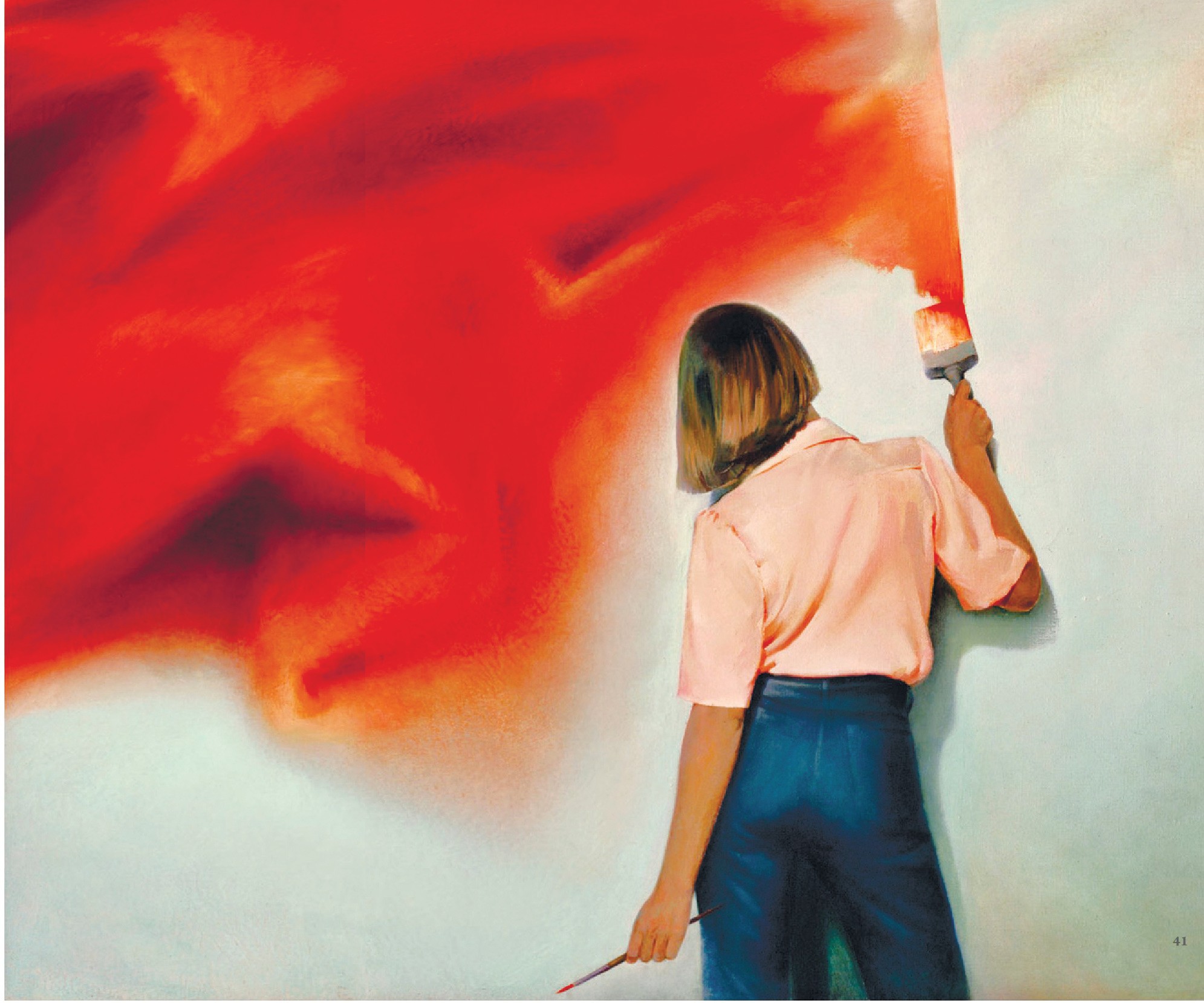
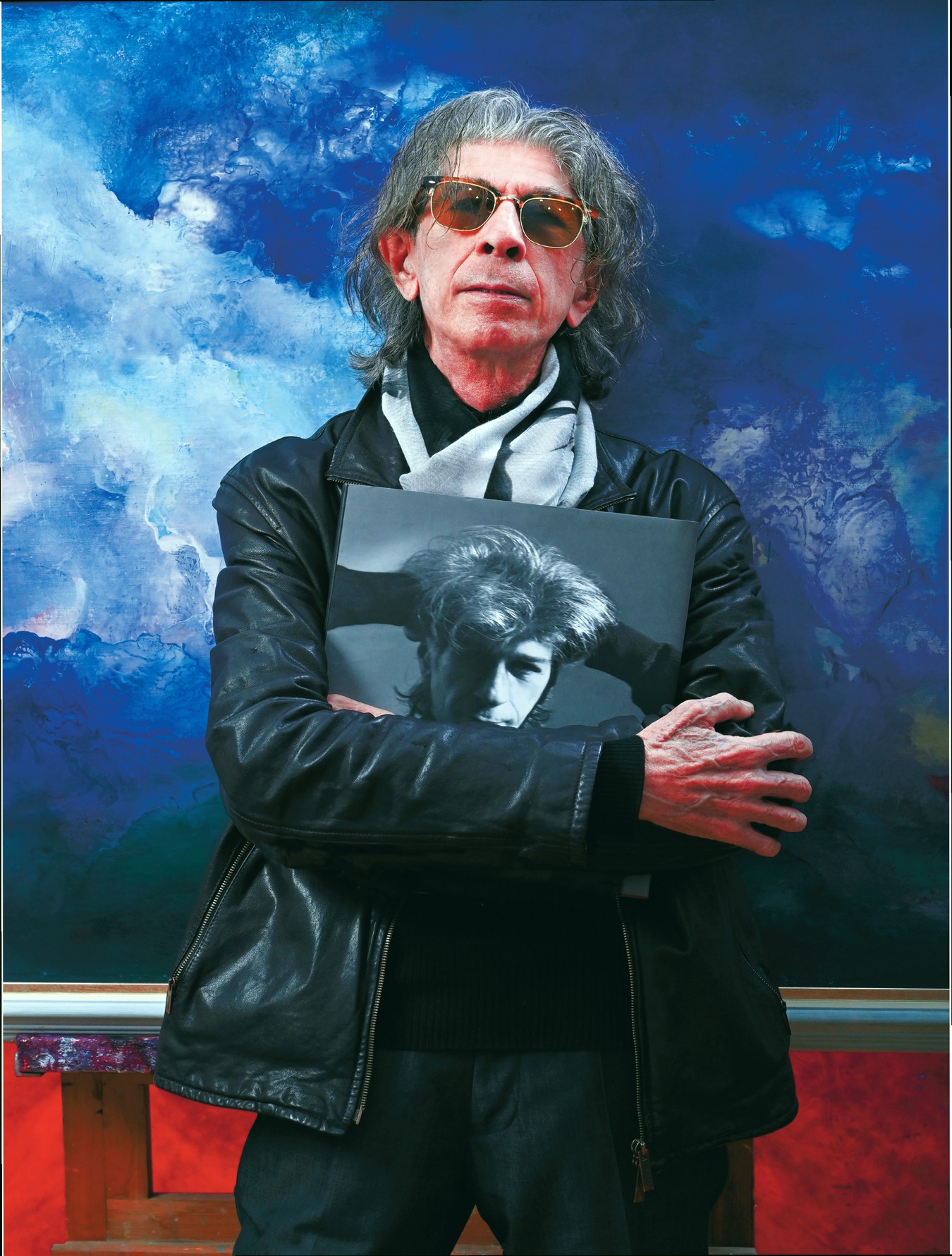
On the shelves of our art shops and galleries, the monograph Tahir Mammadov. Painting. Graphics. Photography has recently appeared. This expansive publication captures the breadth of achievements from the illustrious career of the renowned master of the brush, Honoured Artist of Azerbaijan, Professor Tahir Mammadov.
The book chronicles the creative journey of the artist, who has now passed the fifty-year milestone and is distinguished by a singular style. The master's work began in the 1970s, when the artistic landscape was dominated by the "hard style." Across genres and decades, his oeuvre reveals an evolution in style, gradually developing a distinctive, recognisable aesthetic. Today, Tahir Mammadov's paintings grace art galleries and prestigious collections worldwide.
"Is painting as relevant today as it has always been?"
"Yes, painting remains relevant and always will be. It is a form of art that necessitates the living presence of human emotion. Vision, hearing, tactile engagement with material, reflection, accumulated experience — these are the subtleties that no neural network can ever replicate. It lacks empathy.
"Painting is impossible without reinterpreting the world through the artist's mind and hand; it always bears traces of the author and undergoes inevitable transformation. Across the centuries, all art forms and genres, built on certain foundations and always directed towards people, have shifted in new directions. Renaissance, Baroque, Rococo, Classicism, Critical Realism, Post-Realism — all flowed into one another, shaped by their respective masters. What we see today in contemporary art is a natural continuation of this process."
"Yet, one can still trace academic roots in the early works of the Impressionists."
"Precisely. That's why it's important to emphasise that the Impressionists went through a classical education. After leaving their studios, they created their own movement — Impressionism. They captured fleeting moments and conveyed them on canvas.
"When an artist works earnestly on a subject, immersion is inevitable. The composition shifts, its informational and chromatic range expands, and he strives to express the nuanced interplay of light and shadow — the very essence of colour's emotional resonance, which makes Impressionism so appealing."
"You've worked with young artists for many years and perhaps understand their outlook better than anyone."
"As a professor at the Academy of Arts and Chairman of the Youth Association of the Union of Artists, I am fully immersed in the creative developments of young people. Azerbaijani Youth Day is widely celebrated across the country, and the annual exhibitions under the auspices of the Ministry of Youth and Sports offer insight into young artists' priorities — where they seek inspiration and what they focus on.
"It is disheartening, though, to observe the growing disregard for classical foundations, which are essential for developing both technical mastery and creative freedom. Art requires great effort. An artist must pass through stages of personal growth to comprehend what colour and light truly mean — as tools to convey thought and emotion."
"How are works created that capture the interest of others?"
"Marketing plays a significant role in today's art market. Much hinges on art dealers who shape the visibility of both artworks and artists. They handle promotion, which can elevate an artist's profile and, correspondingly, the value of their work.
"I disagree with the notion that an artist must remain impoverished. Artists have every right to prosper through their work. Unfortunately, many works remain tucked away in studios. This is a global issue rooted in social and economic structures.
"Director Andrei Konchalovsky once remarked that 'art has become a business'. Indeed, any painting can be sold. But artists, by nature, should not have to manage sales — wasting time and energy better spent on creation. Art dealers have always existed, and their presence is inevitable and necessary. But they must possess not only a client base but also expertise in art itself.
"They must be true art managers: broadly educated, knowledgeable about materials and techniques, and guided by a professional ethic. It may be easier to work with established names, but I believe art dealers should prioritise contemporary artists searching for their audience — artists who are in genuine need of intelligent management."
"Yet these same art dealers can also elevate mediocrity to fame."
"In art, only a professional can offer an accurate assessment of a work's merit. People's perception levels differ — it depends on how culturally and intellectually prepared they are.
"Art is, by nature, an elitist realm. Like any profession, it becomes fully accessible only to those deeply immersed in it. Sporadic visits to exhibitions do not equate to genuine engagement.
"Painting, in many ways, is akin to music: it either resonates or it doesn't. At the non-professional level, perception remains intuitive and emotional."
"Could you depict the music of Brahms, one of your favourite composers?"
"My appreciation of his music formed subconsciously during childhood. When I paint, it reveals itself spontaneously, not through rational analysis of harmony or colour transitions. I 'see' it intuitively — this sensory awareness is fundamental to creativity.
"Otherwise, one may spend a lifetime in art and remain a skilled artisan — but never become a true artist, one who creates meaningfully in the present moment."
"How important is childhood and adolescence in developing these abilities?"
"My childhood had everything necessary to nurture a creative mind. I explored many areas — dance, drawing, photography... all driven by my own curiosity, not parental pressure. My mother was simply pleased I was engaged in something meaningful.
"These explorations formed a subconscious foundation that later helped me realise my dream of studying directing at VGIK. I had already published as a freelance correspondent in Youth of Azerbaijan. I still remember how Rustam Ibrahimbayov gave me his blessing to pursue that dream — I had been introduced to him by Oqtay Mirgasimov.
"Directing fascinated me, but it was painting that became my profession. Nonetheless, photography and film have remained lifelong interests. I was deeply immersed in jazz, even played at school dances."
"How did your passion for painting begin?"
"Like all artists, I went through a specialised education. But what drew me to painting was the complete independence it offers. There's a canvas and there's you.
"Film always involves external factors — interference, financial dependencies. Many talented people never fulfilled their potential because of these limitations. Even now, I still dream of directing — I have several projects awaiting realisation.
"During my student years, I had my own artistic heroes. I was captivated by the Impressionists, who were then relatively unknown to the public. I accessed this world through rare books and scraps of information. During trips to Moscow, I would order books about great painters and collect them on subsequent visits. When we found useful materials in the library, we shared them with one another.
"Gradually, I began to exhibit. I remember how serious and daunting it felt to present one's work among professionals. I won't deny I experienced real moments of doubt, critically reassessing my own work."
"What does an exhibition mean to you?"
"My first solo show was spontaneous and, perhaps, premature. I was so eager to display my paintings, even though I had barely ten. The gallery was modest.
"Even today, I believe that any exhibition must be curated with care. Exhibiting can either elevate or diminish you — it's a major responsibility.
"At the same time, exhibitions should be held regularly. They allow the artist to see their work in a new light — outside the familiar confines of the studio. And let's be honest: every artist wants recognition, wants to be seen and appreciated.
"That emotional lift becomes a driving force — it urges one to create more, to strive for better, to pursue something new."
"Viewers' opinions are inevitably subjective — there are as many views as there are people."
"Absolutely. I have my own perspective on music, literature, painting, sculpture, architecture... There is general public demand and then there is professional demand.
"Some artists were widely admired in their time, but history has forgotten their names.
"To appeal to an audience or to remain true to oneself — this dilemma exists in the realm of compromise. It is a difficult one. Most artists encounter it. After all, they grow up within society and feel a natural urge for self-expression. Views, tastes, trends — all seep into one's subconscious.
"But ultimately, it is the artist who chooses how to position himself in society. Art, of course, responds to societal changes, and at times, it challenges them.
"Back in college, I was once criticised for my fondness for Impressionism."
"Is the pursuit of beauty no longer a priority in today's art?"
"Beauty is a relative notion! Artists reinterpret reality, forming a unique concept of beauty. They will always seek out new forms in their creative quests, and these will undergo artistic transformation before achieving their fullest expression.
"The term ‘contemporary art' applies to every era. Today's art is bolder, sometimes more uncompromising. The freedom of information provides limitless opportunity for exploration.
"I changed my artistic direction after seeing William Turner's works at the Metropolitan Museum of Art. The impression they left on me etched itself deeply in my subconscious. My impressionistic outlook took on greater figurativeness.
"Contemporary art reflects the pivotal shifts in human consciousness — how we see the present and relate to life. Even the Impressionists were initially dismissed.
"Whether conceptual art passes or fails the test of time, it offers a choice to today's viewer — with all the culture that entails — and to the viewer of tomorrow."
"How would you define your paintings — and yourself?"
"When I work on a painting, I never consider the commercial aspect. I'm absorbed by the creative process. Of course, I strive for aesthetic harmony — for me, that is a holistic measure of sufficiency in art. I don't set out to invent a new movement. But I do want my work to be recognisable.
"I'm an optimist. I'm going through a phase where I seek to remain true to myself. It's a difficult journey — but worth every step."
"You are often described as socially active, a public figure comfortable at social events and youth vernissages. You've consistently presented yourself as a painter who thinks outside the box, is constantly exploring, and expresses himself uniquely through his work. Your journey from hyperrealism to figurative expressionism is evident in many domestic and international exhibitions. You've held numerous solo projects and shows both in Azerbaijan and abroad. Your work has been featured in widely read publications, thematic albums, and essays. Recently, your monograph was presented at the Azerbaijan National Museum of Art before a distinguished audience of cultural figures. Are you satisfied with how your artistic journey is reflected in this publication?"
"Overall, yes. An artist should be popular and recognised by the public. The attention of viewers and professional critics is an inevitable and necessary part of life in art — without it, the work itself and all the effort invested lose their meaning. However, this attention also provides an opportunity to reflect on oneself and the entire journey travelled, to summarise achievements and outline the path ahead. I have specific ideas and creative plans that extend to journalism as well. The experience gained from my already published monograph allows me to view certain aspects of creativity from a new perspective. I would like to share this vision of how an artist should engage with their audience more broadly through large-scale thematic albums in the future."
RECOMMEND:
 282
282

