

PRICE CEILING
Why property costs are surging in Baku
Author: Aghasaf NAJAFOV
In recent years, the construction sector, which was previously highly profitable, has experienced a significant increase in costs due to various factors. Consequently, the volume of housing construction in Azerbaijan has decreased. Despite the unprecedented levels of construction activity in recently liberated territories, the overall rate of housing construction has not shown positive growth.
This situation and its future prospects were discussed at the scientific-practical conference "New Expectations in the Development of Baku's Existing Housing Stock," held at the Social Research Centre (SRC).
Causes and effects
According to data from Azerbaijan's State Statistics Committee, the country's construction market capitalisation fell 5.8% in 2022, while the total newly built housing area dropped to 2.6 million square metres—a 24.8% decrease compared to the previous year. In 2023, construction volumes remained at around 2.5 million square metres, marking a decline of over 3%. This trend continued into 2024. That year saw over 20,000 residential buildings of all types come into operation, covering more than 2.3 million square metres — 11% less than the year before.
In recent years, Baku has experienced a shortage of affordable, undeveloped land, both in central districts and on the outskirts. Many construction companies are adopting a wait-and-see approach pending the final approval of the city's Master Plan, aiming to build in the most promising areas where suitable land is available.
In addition, construction regulations introduced several years ago require strict compliance with building codes. These regulations prevent developers from increasing density by reducing non-residential space, as was previously done, which further limits market growth.
It is evident that the decline in multi-storey housing construction by housing cooperatives (HBCs) and the slower pace of low-rise projects are driving market demand and housing prices for both new developments and resale properties.
Shahin Mahmudzadeh, CEO of the Central Bank of Azerbaijan, has observed that despite fluctuations in investment volumes directed towards construction, there has been a steady increase in residential building investments, which now account for a higher share of total capital investment.
Statistics from the State show that investments in residential construction's fixed capital reached nearly ₼2.6 billion in 2024, marking a substantial increase of 192.8% at constant prices. Nevertheless, this growth was predominantly driven by state investments in housing on territories that had been liberated from occupation. Large-scale construction in Garabagh acts as a locomotive for the construction industry: last year, production of building materials exceeded ₼1.4 billion, up 116.9%.
Why prices are so high
Nusret Ibrahimov, Chairman of the Azerbaijani Chamber of Appraisers, has stated that apartment prices in Baku significantly exceed those in other regional capitals.
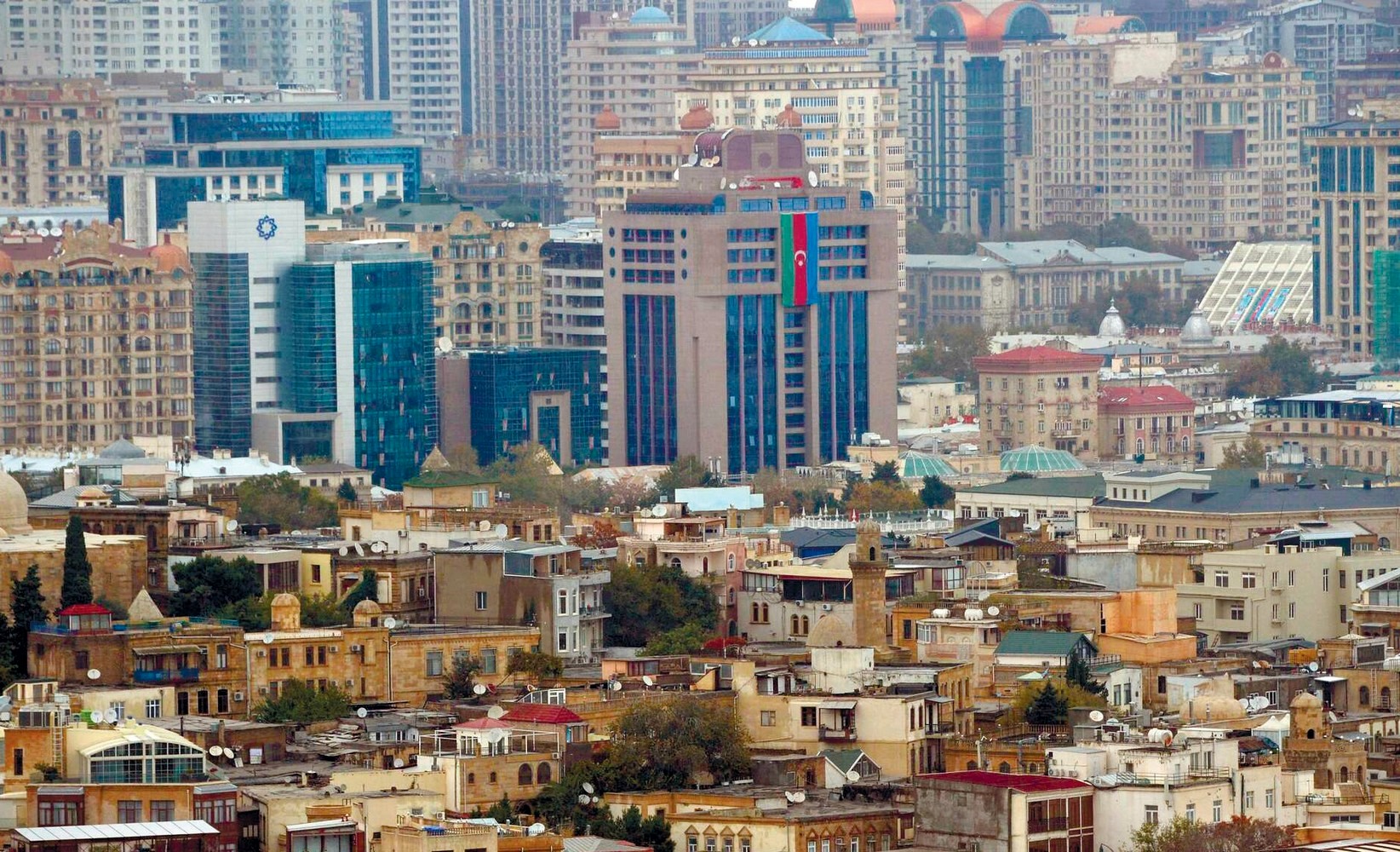
"The average price per square metre of residential property in Baku is ₼2,388, which is noticeably higher than in major cities of our region. The demand for housing in this area is justified by Baku's status as the leading business centre in the region. Concurrently, population density and building density in Baku are also higher, which has a direct impact on land prices."
Ibrahimov also points to imported inflation as a significant price driver over the past three years. The cost of imported building materials, accounting for over 45% of total construction expenses, has increased significantly.
Despite a decline in apartment sales, current market trends do not suggest any imminent price declines. In Q1 2025, the residential housing price index was 100.5% compared to Q4 2024, indicating a slowdown but not a decline.
According to State Statistics estimates, the average price of apartments on the secondary market increased by 14.4% in Q1 2025 compared to the same period in 2023. During this period, price increases for new developments were approximately 12.9%.
Real estate expert Elnur Farzaliyev made the following observation: "In the past year, the housing market in Baku has seen a consistent rise in prices, with an average growth of around 15% from April 2024 to April 2025. This increase far exceeds the country's overall inflation rate. For instance, housing price growth in 2025 was 2.6 times higher than consumer inflation nationally."
Farzaliyev also notes an increase in investor activity, with buyers opting for apartments in new developments as a long-term investment strategy.
Demolition and reconstruction
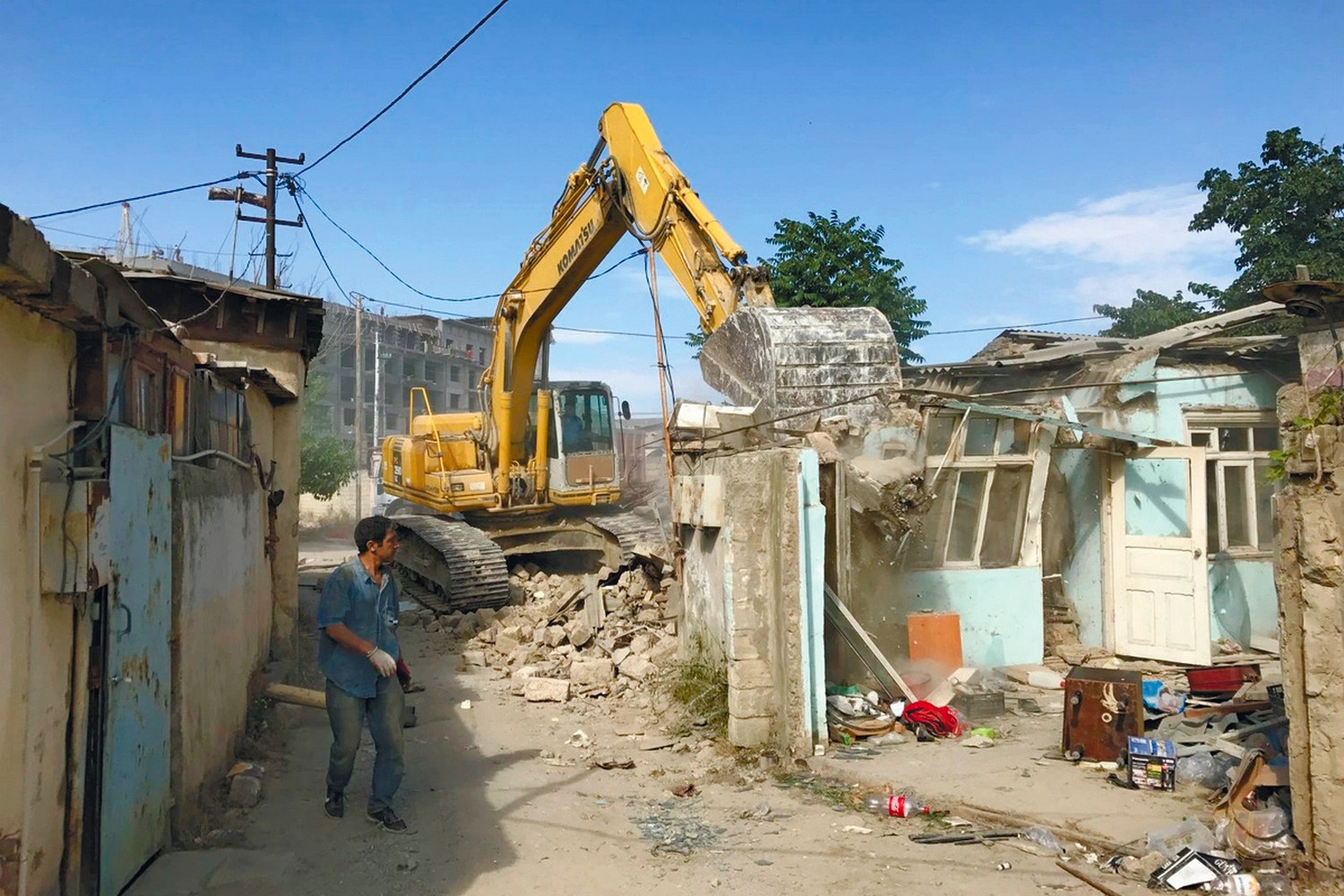
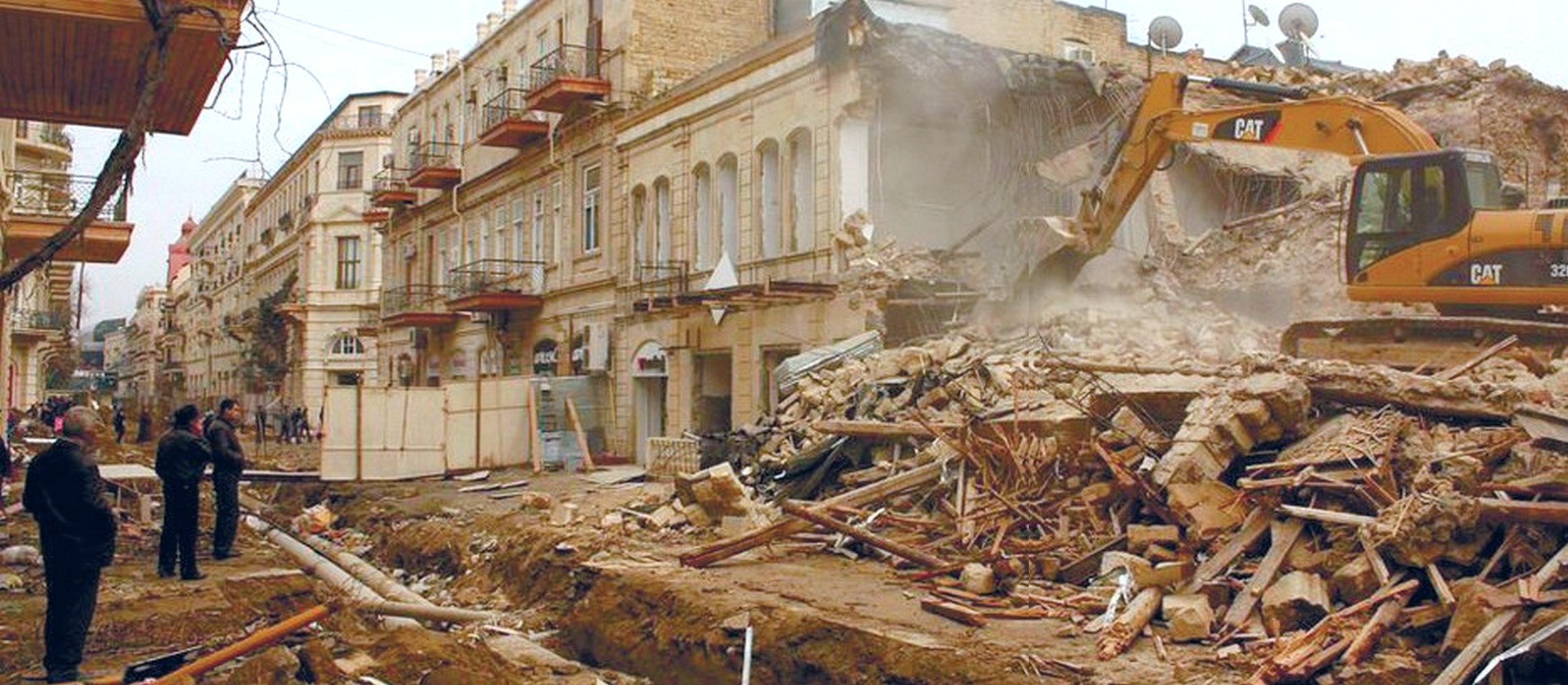
Due to acute land shortages within Baku, local housing cooperatives are focusing on demolishing old residential areas and replacing them with multi-apartment buildings. While this approach does result in a significant increase in total costs, it remains the optimal solution for the city's construction sector at present.
Following Government decision number 86, dated 25 February 2016, demolition work is ongoing on buildings that have been declared unsafe or past their service life in several city districts. There are currently over 3,000 such properties. In the last five to six years, approximately 1,250 hazardous buildings have been demolished in Baku, with tens of thousands of residents having been relocated or compensated.
The matter of compensation for residents of demolished buildings is a complex one. In central Baku, the average compensation is around ₼2,700 per square metre, but this declines further from the centre. As not all cleared areas are redeveloped as housing, with some becoming parks or other infrastructure, displaced residents cannot always expect free replacement apartments.
Furthermore, the compensation offered frequently falls short of aligning with the high market prices for capital city real estate when demolition involves smaller apartments, which can result in residents being compelled to relocate to the city outskirts or beyond.
This issue is of pressing concern: according to Baku's Master Plan, by 2040 many old multi-storey buildings and dilapidated residential areas throughout the city will be demolished.
Approximately one and a half years ago, analysis of SRC data indicated that the majority of residents in Azerbaijan's three largest cities were living in buildings with a construction age of over 30, and sometimes even over 60, years. In Baku, only 26% of respondents live in buildings constructed within the last 30 years; this figure drops to 18% in Ganja and just 7% in Sumgait.
This indicates that housing cooperatives are facing significant challenges and opportunities to develop sought-after urban zones with relatively lower land costs.
Anar Guliyev, Chairman of the State Committee for Urban Planning and Architecture, made the following statement last December: “In Baku and other cities there is a lot of unsafe housing. In Baku alone, more than two hundred hazardous buildings have been analysed based on Ministry of Emergency Situations reports and citizen complaints.”
He added practical demolition has already begun at several addresses.
Regulatory challenges
Delegates at the "New Expectations" conference put forward a number of proposals for conceptual changes and alternative approaches with a view to improving current conditions.
Ramiz Isayev, Chairman of the Association of Building Materials Producers, emphasised the following: "The absence of legal provisions pertaining to compensation and replacement during demolition proceedings can result in illicit construction and subsequent artificial dissatisfaction."
He noted that Azerbaijan lacks clear legal and regulatory frameworks regarding compensation or replacement areas for properties subject to demolition that have not been officially registered. Consequently, there is no legal distinction made between illegal builders and lawful owners when it comes to paying compensation, which has led to justified grievances.
Conversely, illegal extensions are often added to properties scheduled for demolition in order to maximise compensation, thereby slowing the demolition process and creating obstacles for developers.
Ashraf Shikhaliyev, the Association's Deputy Chairman, has identified the following key issues:
-- No uniform approach to the calculation of compensation for demolished property.
-- Lack of standards that regulate the size of replacement living space and the calculation procedures for compensation.
Forum participants believe that optimal solutions include adopting international best practices aligned with modern urban planning requirements and comprehensive problem-solving.
In particular, they recommend the following measures: first, strengthening legal frameworks by amending Urban Planning and Construction Codes; and second, defining compensation sizes by Cabinet decisions based on economic development indicators.
"This will enhance process transparency and prevent both overestimation of demands by owners and exploitation by developers," Shikhaliyev stated.
Urgent need for legal reform
There is a pressing need to enhance legislation so that renovation of Baku’s housing stock improves living conditions while allowing residents to keep their familiar locations and social environments within the capital.
RECOMMEND:
 253
253

