

A STEP FORWARD
The London summit signaled a thaw in Brexit tensions, with full warming of relations remaining distant
Author: Irina KHALTURINA
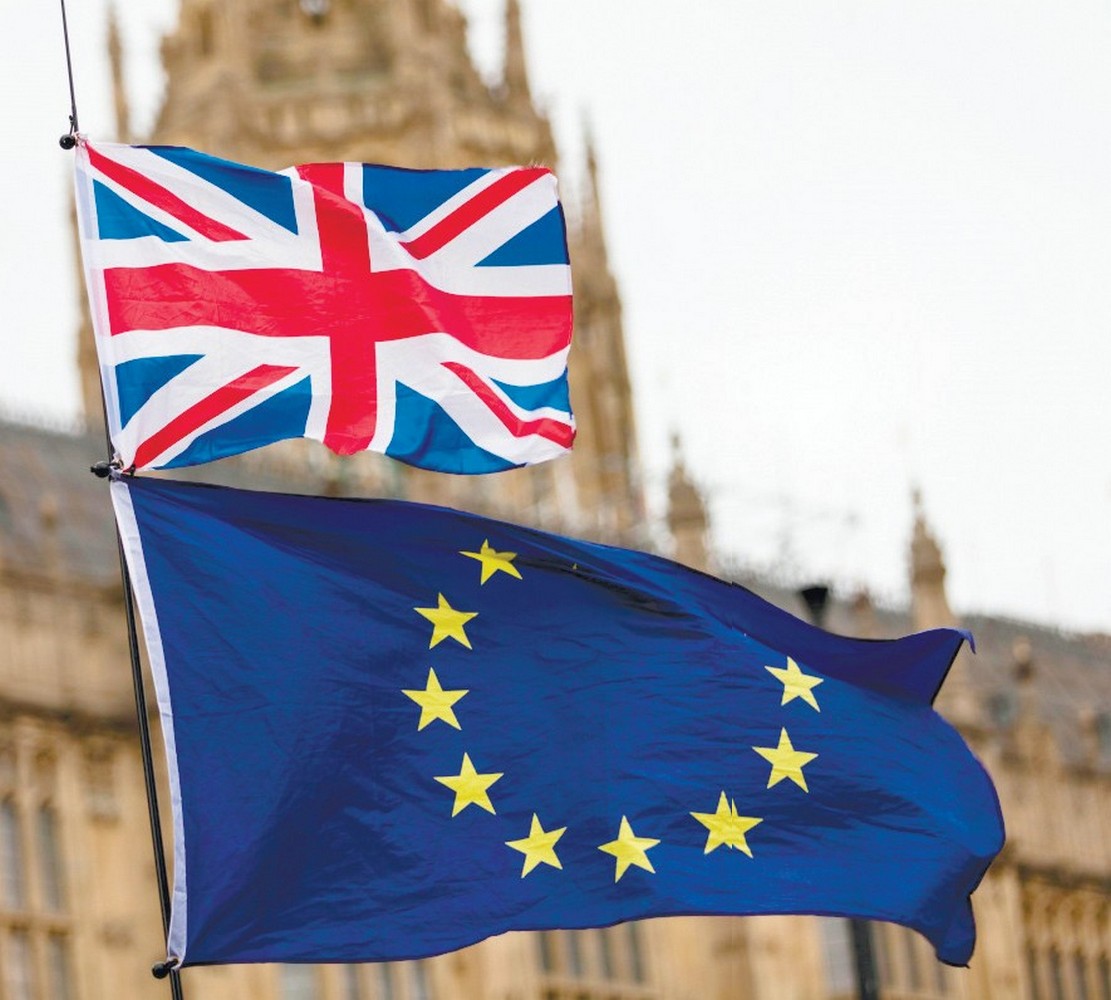
In mid-May, European media headlines were filled with news that the United Kingdom and the European Union — separated by Brexit in January 2020 — had finally taken steps towards rapprochement. On May 19, UK Prime Minister Keir Starmer, European Commission President Ursula von der Leyen, and European Council President António Costa met at Lancaster House in central London to sign a series of agreements symbolising their closer ties. These included a defence and security pact, agreements on border security, fisheries, and veterinary matters, as well as arrangements on youth and business mobility, touring artists, trade in energy resources, and border carbon taxes.
All official statements emphasise that these steps benefit both sides. Achieving such significant results required several months of challenging negotiations, but it was worth the effort. The summit has even been called historic — at least a “new chapter” in London-Brussels relations. This is how Ursula von der Leyen described it at a joint briefing with Keir Starmer.
However, not all politicians and observers were quite so optimistic. Core European ties — customs union, single market, and free movement of people — remain broken between London and Brussels. These remain red lines for the British that are unlikely to be crossed. Therefore, the negotiations and agreements represent only a small step, hardly deserving the label “historic moment.” If rapprochement has begun (and will continue), the UK and EU are still at the very beginning of the process. What makes this summit noteworthy and important is that neither side had much choice but to make these concessions to each other.
Defence: better together
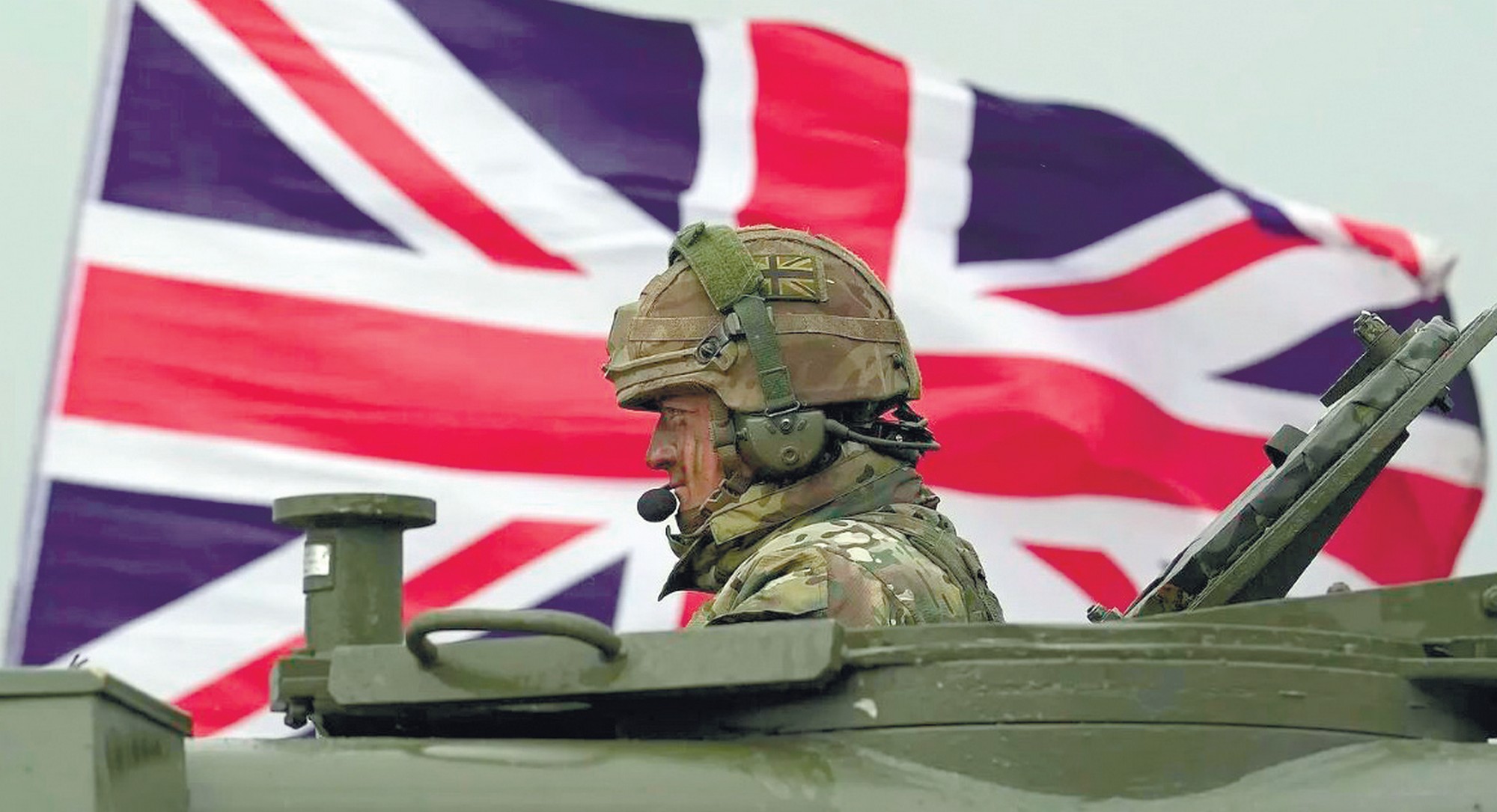
Perhaps the most significant aspect of this rapprochement was the agreement on new partnerships in security and defence. Areas targeted for strengthening cooperation between Brussels and London include peacekeeping, civil and military crisis management, maritime security, space security, cybersecurity, countering hybrid threats, fighting terrorism, preventing violent extremism, among others.
The list is impressive. Central to the agreement is that Britain’s defence industry can now participate in tenders under a new fund of £150 billion called “Security Assistance for Europe” (SAFE). It is also referred to as “credits for weapons.” Essentially, this is an EU-budget-backed mechanism to accelerate rearmament in Europe. EU countries can borrow to spend on weapons systems and platforms — including artillery shells, missiles, air defence systems, drones, strategic aircraft, AI systems, and more. The funds are primarily intended for defence firms within the EU but allow participation by non-EU countries as well. Now the substantial British defence industry — the seventh largest national exporter — is eligible to compete. EU defence companies likely expecting lucrative contracts may not welcome competition from British firms such as BAE Systems, Rolls-Royce, and Babcock. Yet from a pan-European security perspective, the situation changes: the United Kingdom is a nuclear power, a permanent member of the UN Security Council, and a NATO member.
EU foreign policy chief Kaja Kallas welcomed the agreement, stating it demonstrates shared responsibility for security in Europe and beyond. Observers note that creating this fund was a direct response to ongoing events — the war in Ukraine — and to Washington’s renewed demands (under Trump) for Europe to increase investment and attention to its own security.
Other issues remain uncertain
British media particularly highlight that London secured new agreements with the European Union designed to support British businesses and preserve jobs, reduce food prices, and cut bureaucratic red tape. The deal is expected to add around £9 billion to the UK economy by 2040. This is certainly significant but clearly insufficient to compensate for Brexit’s damage; it amounts largely to good news coverage. Many current decisions by London are driven by domestic political motives and public demand. When Brexit was decided, the country was deeply divided — only 51.9% voted to leave the EU. Now social polls show a significant rise in those who believe leaving was a mistake.
The party that engineered Brexit lost last year’s elections; meanwhile, the ruling Labour Party under Keir Starmer promised rapprochement with Europe. Economic challenges caused by the “divorce” with Brussels must be addressed somehow. As The Guardian wrote: “Gradually lowering Tory-imposed barriers aims to show voters that the current government is rational and responsible, prioritising British business and consumer interests.” However, London has no intention of rejoining the single market or customs union or restoring free movement of EU citizens anytime soon.
On the other hand, a bruised Europe — far larger and more powerful — will not offer blatant concessions. The deal touches on sensitive issues for London like fisheries rights and emissions trading schemes. The Spectator pointed out this could result in Britain’s industrial policy again being influenced by Brussels. Reform UK leader Nigel Farage already called the 12-year fisheries agreement “a death sentence for the industry.”
Migration remains a major obstacle
One of the most contentious issues remains migration. Yes, the London-Brussels agreement covers mutual commitments to combat illegal migration — including joint efforts against crossings of the English Channel — but how effective this will be in practice remains unclear. Freedom of movement remains almost the ultimate red line. The problem requires urgent attention — ethnic crime rates in Britain are very high. This led to a wave of violent anti-immigrant riots in August last year.
Keir Starmer’s government is striving to respond effectively. In this connection, on May 12, 2025, a so-called White Paper was presented — a comprehensive 82-page programme proposing revisions to migration laws, mostly tightening regulations significantly. It is worth noting that Brexit supporters cited stricter migration control as a key argument during their campaign; however, illegal immigration figures have actually risen since then. London must tackle this issue — either together with Brussels or independently — but regardless, it remains a shared challenge.
A different world demands different approaches
The rapprochement between the United Kingdom and European Union reflects new challenges and a changing world. Many Britons appear to have reconsidered their views since voting for Brexit. The EU itself is evolving — possessing strengths but also many weaknesses — for instance in defence capabilities outside NATO frameworks. Brussels faces pressure due to its relations (or lack thereof) with Russia, China, and the US. Ten years ago no one could have imagined Russia’s confrontation with Ukraine or Donald Trump’s trade wars. It is not surprising that amid geopolitical uncertainty neighbouring countries with similar mentalities, political systems, ideologies, problems, and challenges have decided to draw closer together. Arguments over who has fishing rights are best settled in calmer times; geopolitical threats demand unity — especially regarding defence and energy security. In this sense, this trend sets a positive example.
RECOMMEND:
 264
264

