

TALKING IN DIFFERENT LANGUAGES
Istanbul talks show Moscow and Kiev pursue opposite goals
Author: Samir VELIYEV
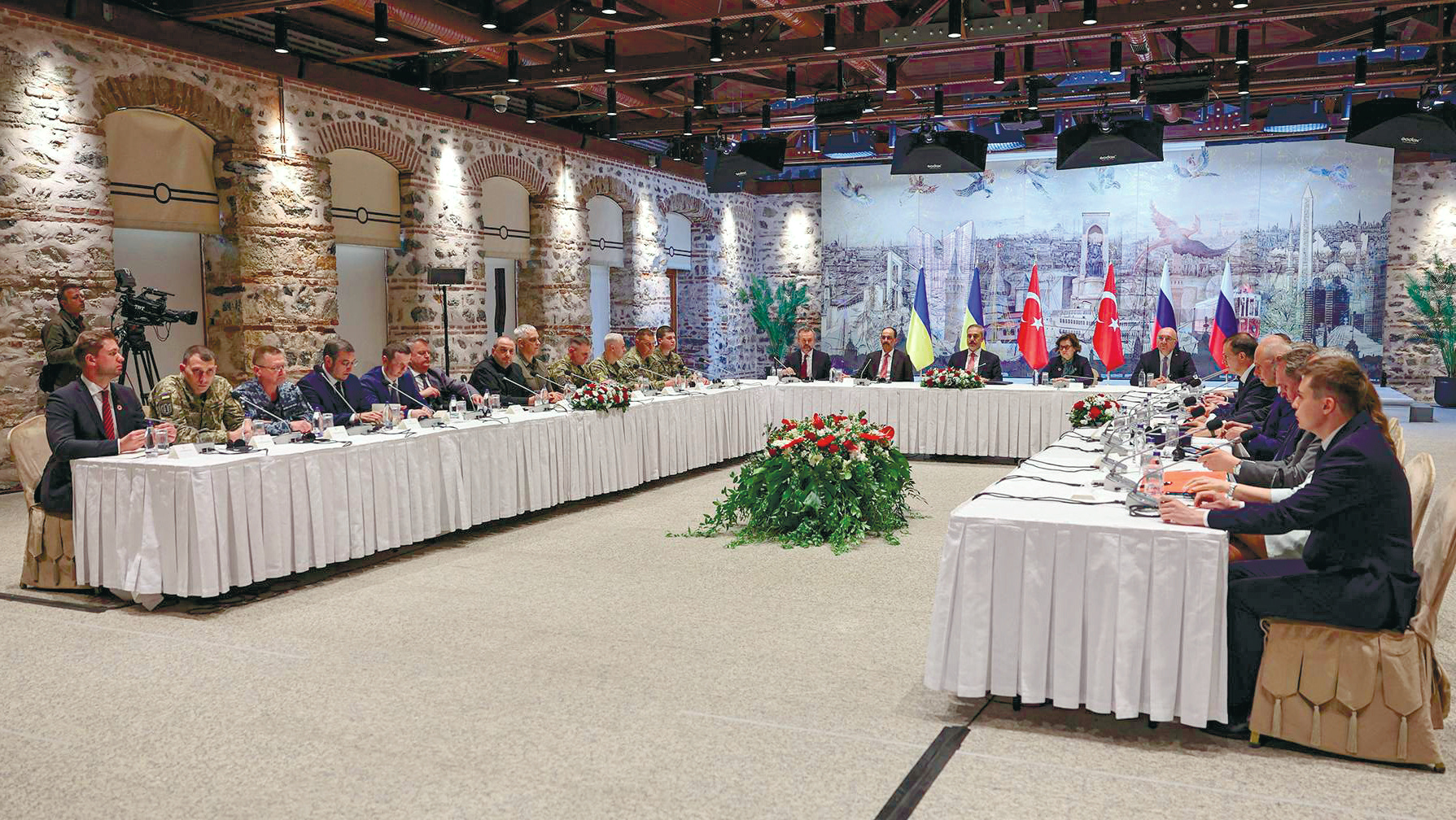
The May talks between Russia and Ukraine in Istanbul have once again confirmed that both sides approach negotiations with vastly different intentions and objectives. Ukraine is pushing for a permanent ceasefire, believing this will allow it to better prepare for the next phase of a conflict that — given the unresolved territorial disputes — seems unlikely to reach a definitive conclusion. Russia, meanwhile, is focused on consolidating territories it has already occupied and seeking international recognition for its political demands. Put simply, Moscow wants not only to retain these lands but to legitimise them under international law.
To please the US...
This explains why Russian President Vladimir Putin chose not to participate personally in the negotiations, instead dispatching a technical delegation to Istanbul. Their mission was not to discuss a ceasefire but to draft a potential final agreement that would formalise Russia's territorial gains.
Ukraine, by contrast, had been counting on high-level negotiations. President Vladimir Zelensky himself travelled to Türkiye to demonstrate that Kiev was serious about reaching a ceasefire agreement as quickly as possible. Ukraine interpreted Putin's absence as evidence that Moscow was not prepared for genuine negotiations — likely just an attempt to create the appearance of a peace process without any real commitment to reaching agreements.
Both sides were acutely aware that US President Donald Trump was playing a pivotal external role in the process. Ukraine and Russia alike were hoping to secure his support, or at least his endorsement. After all, Trump had promised during his election campaign to help end the war, and now each side was trying to present itself in the most favourable light possible — to demonstrate sincere interest in peace.
The situation becomes more complex when we consider that Ukraine's European allies are also attempting to influence the negotiation process. Although Moscow has effectively ruled out European participation in the talks, arguing that Europe cannot be considered neutral given its unequivocal support for Kiev, the EU refuses to remain on the sidelines. Countries including France, Germany, Poland, and the UK are convinced that any agreement between Moscow and Kiev will impact Europe's overall security architecture. Consequently, they are coordinating with Ukraine to exert indirect influence on the negotiations.
European partners have become particularly important for Ukraine now that the US under Trump is increasingly distancing itself from direct involvement in the conflict. At the same time, Europe maintains the same hardline stance towards Russia as Kiev and continues providing military and economic assistance.
Ideally, Ukraine and Europe would prefer the US to return to its approach under Biden—actively supporting Kiev whilst harshly criticising the Kremlin. This would allow Europe to share responsibility with America and present a united front once again. However, such a scenario is unacceptable to Trump, who is determined to maintain his image as a "mediator" positioned "above the conflict" and has therefore refrained from expressing particular displeasure with Putin's actions.
Europe's "own game"
Against this backdrop, some European politicians are attempting to convince Trump that Russia's behaviour runs counter to American interests, hoping to encourage him to support Ukraine more explicitly.
It's worth recalling that on the sidelines of the European Political Community summit in Tirana — held immediately after the talks between Russian and Ukrainian delegations — Zelensky met with Trump and several European leaders in Istanbul to discuss potential joint initiatives.
Following this meeting, French President Emmanuel Macron expressed confidence that the US President would not remain indifferent to Vladimir Putin's behaviour, particularly in the context of attempts to initiate talks on ending Russia's war against Ukraine.
However, Trump appeared reluctant to damage relations with Putin and made clear his intention to remain "above the fray".
Donald Trump commented quite optimistically on the talks' results: "The tone and spirit of the conversation was excellent. If it wasn't, I would have said so right now, not later. Russia wants to engage in large-scale trade with the United States after this disastrous bloodbath ends, and I support that idea. Russia has tremendous opportunities to create jobs and build wealth. Its potential is limitless. Ukraine can also be a major beneficiary of trade relations as it rebuilds its country. Negotiations between Russia and Ukraine will begin immediately." Trump also noted that the Vatican, according to the Pope, has expressed strong interest in hosting these talks.
The American side appears completely satisfied with the Kremlin's arguments. Moreover, there's a sense that Trump wants not merely to freeze but to end this conflict as quickly as possible in order to begin conducting "big business" with Russia — a prospect that promises the United States considerable profits.
Overall, there have been no significant changes in the White House's position regarding Russia. The Ukrainian president had called Trump earlier, apparently attempting to minimise the impact of Trump's communications with the Russian leader. This goal was evidently not achieved.
Why the Vatican?
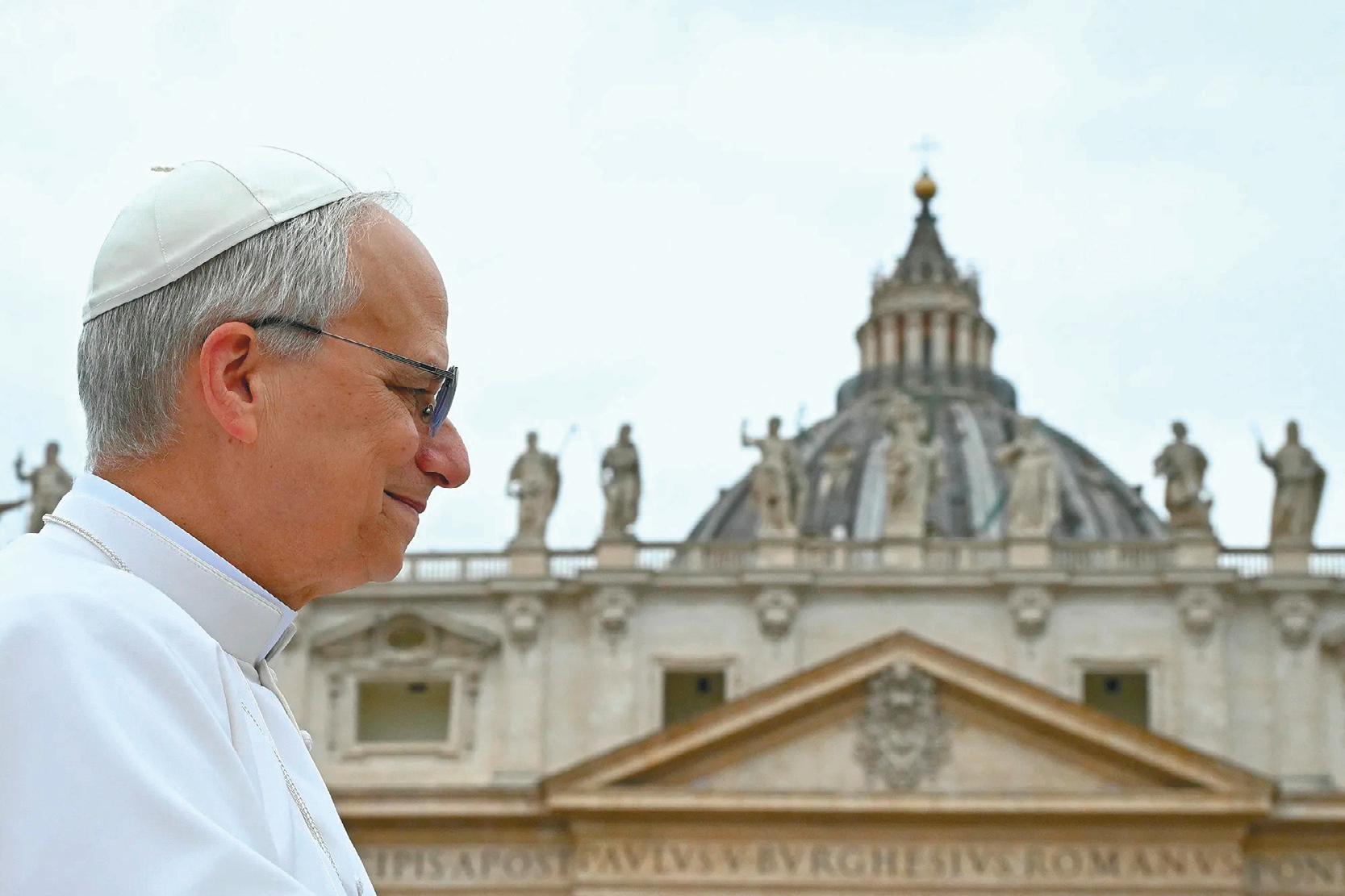
There's another intriguing aspect to this story: the American leader's persistent advocacy for the new Vatican leader's proposal to relocate negotiations to the Holy See.
The United States likely has particular hopes for the new Pope Leo XIV (born Robert Francis Prévost), who maintains deep and multifaceted ties to America — both through his origins and current relationship with US authorities.
Following his election as Pope on May 8, 2025, Leo XIV met with US Vice President J.D. Vance, who extended an invitation from President Donald Trump to visit the White House. Vance presented the pontiff with a Chicago Bears jersey bearing "Pope Leo" and the number XIV, along with a book by St Augustine. In return, the Pope gave Vance a bronze peace-themed statuette and a photo album of the Apostolic Palace.
Incidentally, Vance himself is a devoted Catholic who could serve as a bridge between the American administration and the Holy See. This arrangement makes considerable sense given the ideological campaign Trump has launched against supporters of left-wing radical ideas, particularly their backing of same-sex marriage, abortion rights, and similar issues.
Although the new pope's views conflict with certain aspects of the Trump administration's policies, there exists mutual understanding on fundamental matters.
Trump can leverage the Vatican's leadership change as an opportunity to strengthen ties with the Holy See and promote conservative values not only in the United States but throughout the West.
Donald Trump has repeatedly voiced support for Christian foundations and morality, particularly within the context of his political programme and outreach to religious voters.
Even Trump's active engagement with Vladimir Putin on Ukraine, conducted without European allies' involvement, can be partially explained by ideological considerations. The contrasting positions between the Vatican and European political elites on liberal values reflect profound divisions over morality, culture, and social organisation. These differences have become particularly pronounced in the twenty-first century, as the European Union has increasingly promoted secular and progressive norms that often conflict with traditional Catholic teachings.
In summary, the choice of the Vatican as a negotiating venue for finally resolving the Ukrainian crisis carries significant ideological weight, at least from Washington's perspective.
Moscow's reaction, however, has been negative, given that the Russian Orthodox Church in Ukraine competes with the Catholic Church for influence. Russian Foreign Minister Sergei Lavrov, expressing Moscow's position on Trump's proposal, stated that it would be uncomfortable and somewhat "inelegant" for the Vatican to host a meeting between two Orthodox countries—Russia and Ukraine—discussing issues on a Catholic platform. He described this scenario as unrealistic.
Negotiations or imitation?
Among the Russian minister's other statements regarding peaceful settlement prospects, his confidence that a second round of Moscow-Kiev talks will definitely occur deserves attention, though dates and venue remain undetermined.
He also noted that Russia was preparing a memorandum on Ukrainian settlement.
Lavrov also clarified the situation surrounding Putin's absence from Istanbul. At a press conference, he stated that Zelensky's legitimacy would be crucial when signing Ukrainian settlement documents. Given this circumstance, what would be the point of meeting and negotiating with someone with whom no agreements would ultimately need to be signed? At least, this appears to be the Kremlin's reasoning.
Moscow's intention to pressure Kiev into making fundamental decisions that would transform Ukraine's political landscape is evident in the statement that "if the so-called government [of Ukraine] hopes that somehow an agreement on cessation of hostilities can be reached and the rest of Ukraine will continue living according to the laws they have adopted, this is an illusion. This cannot be allowed to happen under any circumstances."
Regarding US mediation, Moscow harbours no illusions either.
The Russian Foreign Minister believes that whilst the Trump administration operates from national interests in its dialogue with Russia, it's important to be realistic and recognise that Americans have previously changed their positions. In other words, Moscow believes agreements should be structured so that neither the next nor possibly even the current US administration could revise them. This is despite the fact that the United States, unlike Europeans, openly discusses the need to address Ukraine's territorial issues.
As expected, Kiev reacted extremely negatively to Sergey Lavrov's statements. Simultaneously, reports emerged of intentions to continue contacts within working group frameworks.
Consequently, many observers began suggesting that given such diametrically opposed approaches, the parties are unlikely to reach consensus on fundamental issues in the near future. This means that negotiations between Moscow and Kiev, regardless of venue, risk becoming merely an imitation of the peace process.
RECOMMEND:
 293
293

