

FROM CONFLICT TO CONSENSUS
On South Caucasus's regional co-operation potential under 3+3 format
Author: Namig H. ALIYEV
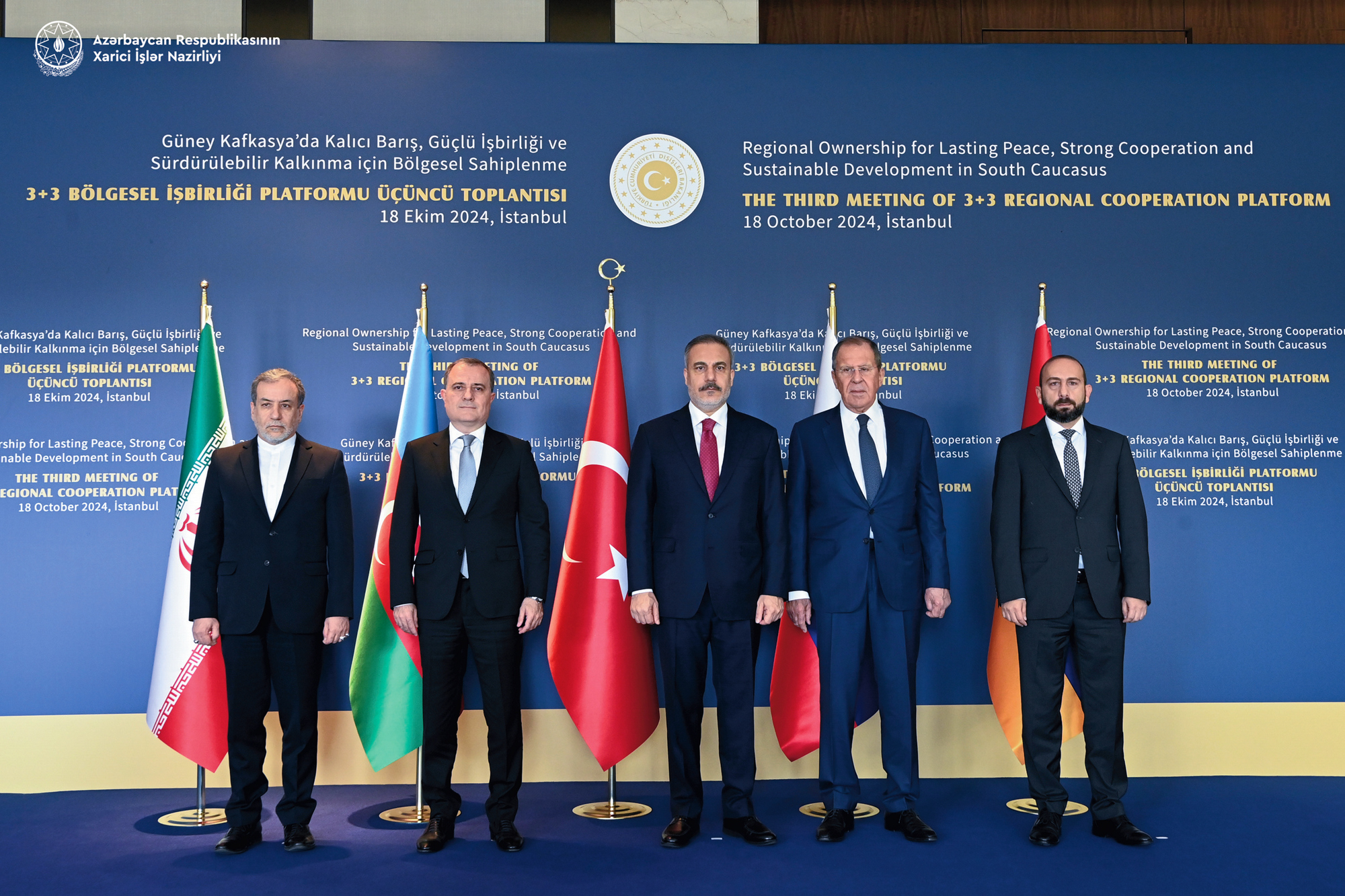
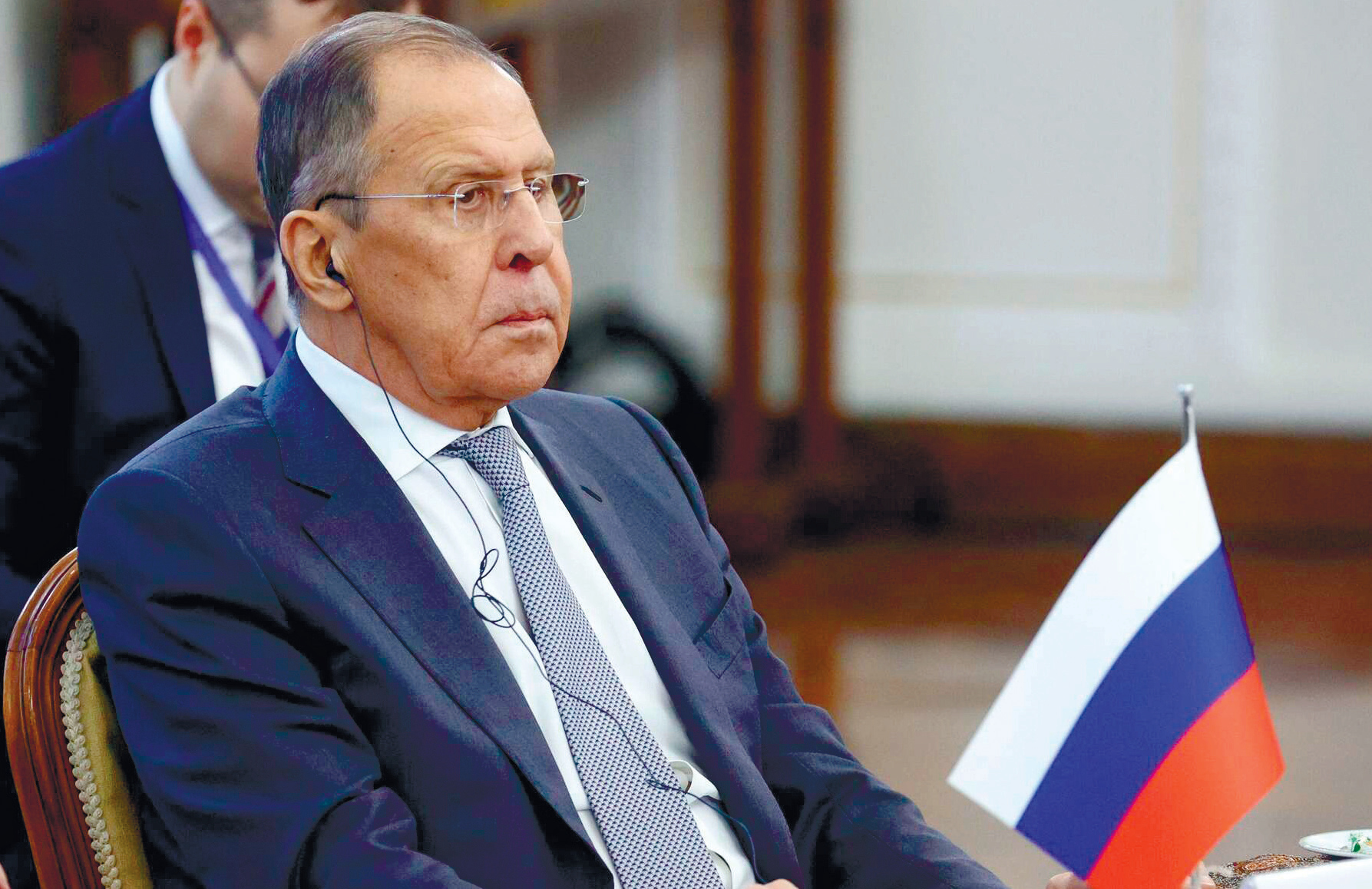
Recently, Russian Foreign Minister Sergey Lavrov proposed the idea of holding the next ministerial meetings of the "3+3" regional cooperation platform in the capitals of Azerbaijan and Armenia. During his working visit to Yerevan, Lavrov raised the issue of reanimation of this initiative. He emphasised the significant potential of the "3+3" format, which includes three countries of the South Caucasus and three neighbouring states - Russia, Iran and Türkiye - to strengthen peace, security and economic cooperation in the region.
The 3+3 format is a relatively new platform for dialogue and cooperation. The aim is to reduce tensions, establish mechanisms for joint development and ensure sustainable security in one of the most complex and fragmented regions of the post-Soviet space.
Analysing format through conflicts
The South Caucasus region has historically been marked by high levels of conflict and geopolitical fragmentation. Following the dissolution of the USSR in the early 1990s, there were several acute conflicts in this region, the consequences of which are still present and directly affect the prospects for cooperation in the "3+3" format.
The Armenian-Azerbaijani conflict. For decades, it remained the primary source of tension in the region. However, following the Second Garabagh War (2020), and particularly after Azerbaijan liberated its Armenian-occupied territories in September 2023, the conflict has effectively come to an end. Nevertheless, unresolved matters including border delimitation, the opening of the transport corridor to Nakhchivan and security issues require the continuation of the negotiation process between Armenia and Azerbaijan. The 3+3 format has the potential to serve as a platform to coordinate efforts for post-war reconstruction and the normalisation of relations.
Conflicts in Abkhazia and South Ossetia. Georgia has experienced separatist movements in Abkhazia and South Ossetia since the early 1990s, which have led to full-scale armed conflicts. Following the August 2008 war, Russia recognised the independence of these territories, a stance that is contested by Tbilisi and much of the international community. These ongoing conflicts have a significant impact on Georgia's capacity to engage in any format that includes Russia. Georgia has officially distanced itself from participation in the 3+3 initiative. The country considers the initiative to be an attempt to impose a "new geopolitics" that does not take into account its sovereignty.
Geopolitical competition and the role of external actors. The South Caucasus has historically attracted the attention of major powers: The following countries are involved: Russia, Türkiye, Iran, the EU, the US and China. Each of these powers approaches the region from the perspective of its own interests, which include energy, transport, military and strategic considerations. The "3+3" format was conceived as a means of limiting the influence of external actors and establishing a mechanism for regional self-governance. However, the intersection of interests of the format participants themselves (for example, Russia and Türkiye support competing sides in various conflicts) makes the task very difficult.
Therefore, the geopolitical context of the region remains complex, but this is also what makes the 3+3 format relevant. Despite their differences, the six countries share common interests in transport, energy, security and border stability.
Goals and principles of the 3+3 format
The format was initiated by Türkiye and Iran in 2020 following the 44-day war. Its key objectives should include: 1) A reduction in the role of external players and the development of regional autonomy in security and economic issues is to be encouraged. 2) The building of trust between the countries is to be fostered. 3) The development of infrastructure and logistics links (e.g. a corridor through Western Zangezur, a transport route through Georgia) is to be promoted. 4) The promotion of trade, energy cooperation and sustainable development is to be encouraged.
The principles of the format include respect for sovereignty and the inviolability of borders, as well as the renunciation of the use of force. The search for compromises based on regional realities is also a key principle.
Potential for economic co-operation
The "3+3" format is designed to facilitate dialogue and cooperation between political parties, with a focus on pragmatic economic collaboration. The South Caucasus has the potential to become a significant transport and energy hub, with the capacity to facilitate seamless connectivity between East and West, North and South. Let us consider these opportunities.
The region enjoys a strategic position connecting Europe and Asia. The "3+3" format has the potential to serve as a mechanism for coordinating infrastructure projects, with a particular focus on the North-South and East-West transport corridors, including railway connections through Iran, Armenia and Azerbaijan.
The North-South corridor is intended to establish a connection between Russia and India via Azerbaijan and Iran. Both the Caspian Sea ports and the railway and motorway routes play an important role. The 3+3 format is expected to facilitate the construction of the Resht-Astara railway section in Iran, while ensuring the harmonisation of logistical and technical standards to expedite the implementation of the corridor.
The East-West Corridor is a transportation route that connects China with Europe via Central Asia, the Caucasus and Türkiye. Armenia, Azerbaijan and Georgia are key transit countries in this region. The development of rail and road transport links has the potential to reduce delivery times and costs.
The rehabilitation and construction of new railway routes, including through Iran, Armenia and Azerbaijan, creates alternative routes, reduces dependence on individual countries and strengthens the transport sustainability of the region. The potential effect will be expressed in the growth of transit and export volumes, attracting investment in infrastructure, and increasing the geo-economic importance of the region.
Furthermore, the region boasts considerable energy potential, encompassing both conventional resources from the Caspian Sea and a range of alternative, sustainable energy sources such as solar, wind and hydropower. The "3+3" format has the potential to serve as a platform for harmonising energy policies and ensuring energy security.
In the oil and gas sector, Russia, Iran and Azerbaijan are major oil and gas producers, while Türkiye and Georgia are key transit countries. It is recommended that energy interests be harmonised within the format, with a view to reducing conflicts and increasing the sustainability of supply. In terms of energy security, it is advisable to combine joint efforts to diversify supply routes, create common reserves, and coordinate pricing policies. The countries of the region have the opportunity to develop joint projects in the field of "green" energy, with a particular focus on solar and wind energy, as well as to introduce energy storage technologies. The policy will increase energy exports, encourage the development of renewable energy in hard-to-reach regions, and reduce energy dependence on external actors.
Simplifying trade rules, removing barriers and creating a common economic space will also strengthen trade turnover and open up new foreign markets. For instance, Iran has the potential to serve as a transit hub between the Caucasus and the Persian Gulf countries, as well as between Russia and South Asia. The removal of barriers will be reflected in the harmonisation of customs procedures, reduction of tariffs, simplification of certification and logistics of goods. The introduction of common trade standards, a unified e-commerce platform, the establishment of joint development banks or settlement systems, and the harmonisation of rules will facilitate the unification of the region.
The effect will be swift: mutual trade volumes will increase, the share of national currencies in mutual settlements will rise, and new markets will open up for small and medium-sized businesses.
Potential opportunities for security and diplomacy
Platform of trust. In light of the long-standing history of conflicts, particularly between Armenia and Azerbaijan, the format has the potential to serve as a platform for regular dialogue.
This is an anti-crisis mechanism. The establishment of joint working groups is essential for resolving crises and preventing incidents on the borders.
It is vital to reduce our reliance on external guarantors of security. This is an opportunity to develop regional security mechanisms without the participation of the West or NATO.
Geopolitical challenges
At the same time, the volatility in international relations is creating some challenges in terms of implementing the format. Firstly, Georgia's decision not to participate in the format should be highlighted. Tbilisi has decided to suspend its involvement in the 3+3 format for the time being, as it believes that this approach could potentially legitimise Russian policy. This has a significant impact on the format, given Georgia's strategic position as an important transit corridor and influential political figure.
Another challenge is the competition of interests: Türkiye, Russia and Iran all have their own strategic interests in the region, which often result in competition between them.
A third challenge that must be addressed is the irreconcilability of positions on a number of conflicts. Despite the potential for dialogue, fundamental disagreements remain between the participants, which may hinder the development of cooperation.
Prospects for development
For the format to be successfully developed and implemented, and for it to function effectively, it is necessary for the institutionalisation of the format to be established. In summary, the transition of the format from an informal dialogue to a formal platform with a secretariat, decision-making mechanisms and roadmaps for cooperation. This will create an opportunity to expand the agenda to include humanitarian, environmental and educational projects in the countries of the format.
The success of the new organisation can be ensured by aligning it with other formats: The "3+3" can complement existing structures, such as the OSCE, EAEU and SCO, but in no way seek to replace them.
The "3+3" format represents a unique opportunity for the countries of the South Caucasus and their neighbours to assume responsibility for regional stability and development. Notwithstanding the challenges posed by political obstacles and historical tensions, the platform has the potential to transform the region, moving it from a space of competition to a zone of cooperation. The success of the initiative depends on the political will of the parties, the flexibility of approaches and the ability to overcome mutual distrust.
RECOMMEND:
 233
233

