

BLOC TRANSFORMATION
A unified defence policy and security may become key priorities for the European Union
Author: Ilgar VELIZADE
The start of the Russia-Ukraine war has reshaped European political strategy. In previous decades, the European Union (EU) was primarily an economic bloc, focused on stimulating the development of member states' economies and improving citizens' welfare. In recent years, however, security has taken centre stage. EU leadership and most member states' leaders have expressed a desire to elevate the bloc's strategic autonomy to make it a full-fledged actor in international politics. Consequently, implementing a unified defence policy and security strategy has become a key area of joint work. The strained dialogue with the US, previously seen as the EU's primary security guarantor, has spurred the creation of mechanisms within the EU to improve security coordination.
SAFE for Europe
One such initiative is the European Defence Fund, Security Action for Europe (SAFE), with a budget of €150 billion, approved by the European Commission in late May. The announcement was published on the Commission's website on May 27, 2025.
According to the statement, the new fund will "support member states wishing to invest in defence industrial production through joint procurement" and finance "urgent and large-scale investments in European defence technology and industrial capacity." "The goal is to expand production capabilities, ensure the availability of defence equipment when needed, and address existing capability gaps, ultimately strengthening the EU's collective defence," the statement reads.
Additionally, SAFE will allow the EU to continue supporting Ukraine by "integrating its defence industry into this instrument from the outset."
However, even at this early stage, it is clear that SAFE’s funding may face significant challenges that could hinder its effectiveness. One major issue is the disparity in defence spending among member states. Unlike NATO, the EU lacks a unified defence budget, with each country independently determining its military expenditures. This leads to duplication, inefficiency, and insufficient coordination within the bloc.
Moreover, member states seeking SAFE loans must independently propose projects and apply for funding. This could result in uneven participation and weaken EU-level coordination. Some highly indebted countries may struggle to secure additional defence funding, even with SAFE loans, exacerbating fiscal pressures and raising concerns over debt sustainability.
Unlike the post-COVID-19 economic recovery programme, SAFE does not offer non-repayable grants, which may discourage participation from financially constrained nations.
Cooperation or rivalry?
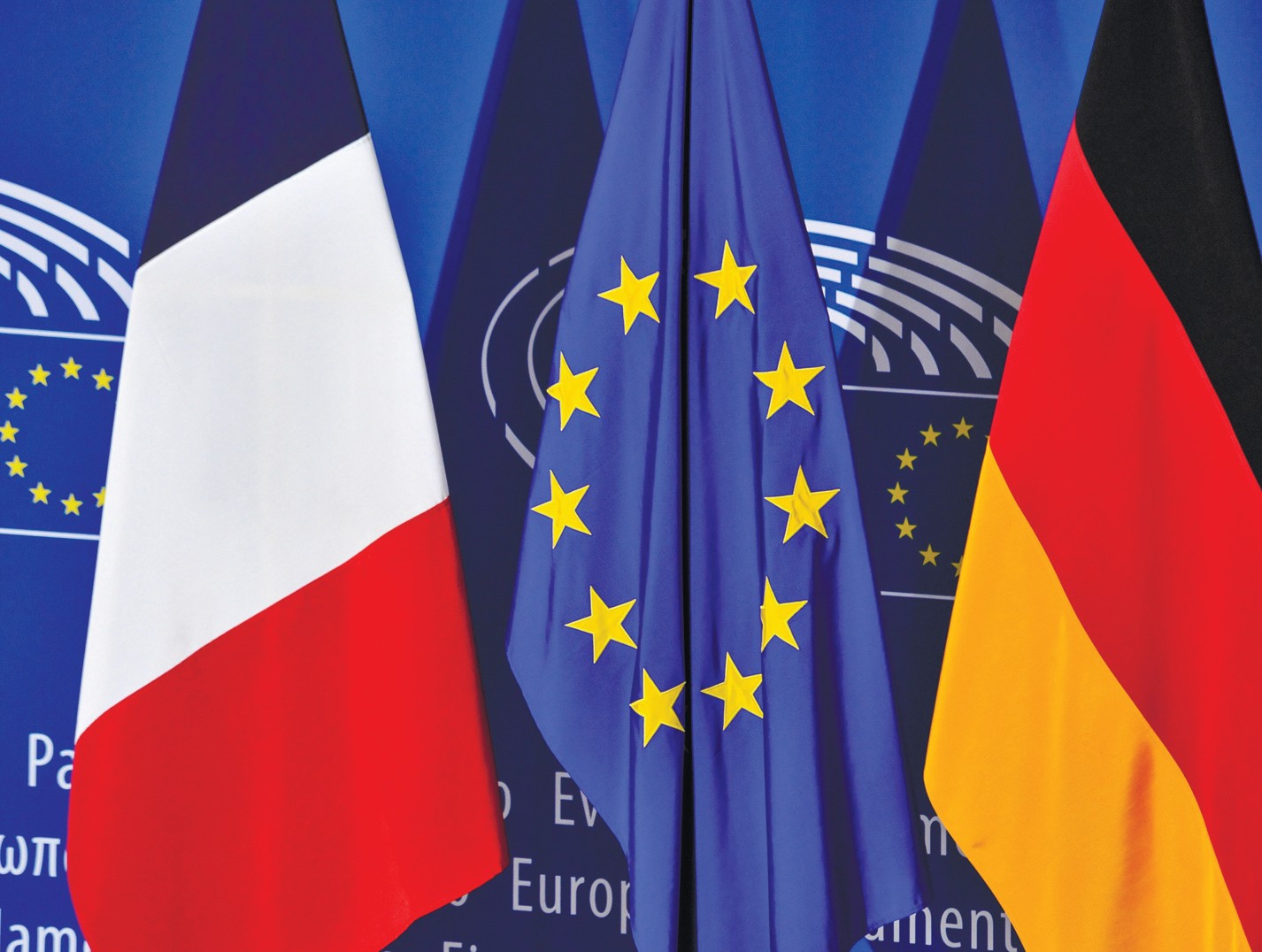
There is a risk that SAFE’s implementation could strengthen the most developed nations—particularly France and Germany, which dominate mechanisms like the European Defence Fund (EDF), Permanent Structured Cooperation (PESCO), and now SAFE. France is the primary advocate for European strategic autonomy, while Germany has abandoned its historically restrained defence stance since 2022.
Berlin and Paris hold significant influence in the EU Council and European Commission, frequently coordinating initiatives and submitting joint proposals. This allows them to shape the EU’s foreign and security policy agenda, influencing resource allocation and strategic priorities.
Europe’s largest defence conglomerates—such as Airbus Defence, KNDS, and MBDA—are also controlled by French and German firms, granting them access to key military technologies and the power to set standards and partnerships within pan-European projects.
Meanwhile, other EU members, especially in Central and Eastern Europe, remain more reliant on NATO and the US than on autonomous EU defence. Smaller states lack the resources or political will to drive their own initiatives, increasing their dependence on major players.
Italy has been particularly vocal in its opposition. Despite being the EU’s third-largest economy with a robust defence industry, it is often sidelined in strategic planning compared to France and Germany. EDF and SAFE programmes frequently prioritise Franco-German firms over Italian interests, prompting Prime Minister Giorgia Meloni to criticise the "monopolisation of decisions" in 2024-2025. Reports from Politico and Euractiv indicate that Italy formally protested this imbalance in May 2025.
Experts note that consortia led by French and German giants (Airbus, Thales, Rheinmetall) often secure prime roles in EDF and SAFE, while Italian firms (e.g., Leonardo) are relegated to secondary positions. The dominance of French and German officers in EU defence headquarters further fuels Rome’s discontent.
Conversely, Poland and the Baltic states argue that France overemphasises strategic autonomy at the expense of NATO and the US. They also doubt whether Berlin and Paris would defend Eastern Europe in a crisis.
Spain supports defence integration but resents its subordinate role in major projects. Like Italy, Spanish defence firms are increasingly seeking partnerships outside the EU—or at least beyond France and Germany.
The perception of exclusion among Italy and others, coupled with unfair resource distribution and disregard for national priorities, poses a serious challenge to EU defence unity. Observers warn that unless France and Germany accommodate other members’ interests, the legitimacy and effectiveness of Europe’s defence architecture could erode.
Complex dilemmas of European security
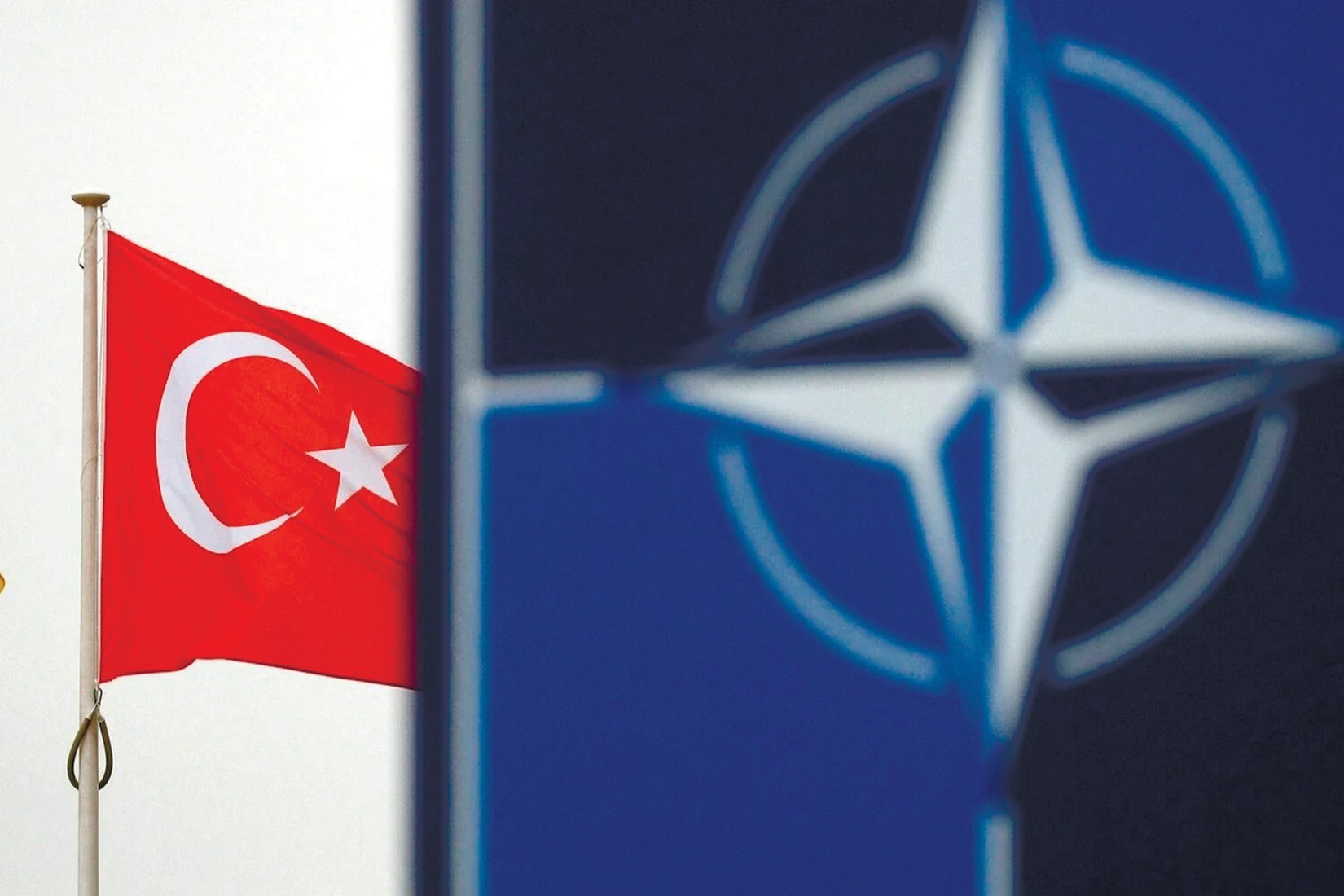
SAFE restricts participation to countries with EU defence agreements, excluding the US and Türkiye, which may limit broader international cooperation.
One of the most contentious issues in "Greater Europe" remains Cyprus. Türkiye does not recognise the Republic of Cyprus within its EU-admitted borders and blocks NATO-EU collaboration where consensus is required. In response, Cyprus vetoes Türkiye’s participation in European defence initiatives, including PESCO. While potential for Türkiye-EU security cooperation exists—given its strategic position and military capabilities—political distrust, the Cyprus conflict, and differing foreign policy priorities continue to hinder sustainable partnership.
Meanwhile, inflation and crises (COVID-19, energy shortages, migration) have strained national budgets, complicating defence spending hikes. Notably, 16 of 27 EU members have requested European Commission approval to increase budget deficits by 1.5% to fund military expansions.
Rising arms prices mean states need more funds just to maintain current procurement levels. However, EU fiscal rules (Stability and Growth Pact) cap deficits, requiring Commission permission to exceed limits.
The European Central Bank’s interest rate hikes since 2022 have also raised debt servicing costs, making new defence loans more burdensome.
Nevertheless, the EU remains committed to bolstering its military capabilities, moving toward a more consolidated defence bloc. This entails higher defence spending, joint procurement, and closer NATO ties. The bloc aims to become a more self-reliant security actor, particularly amid geopolitical shifts triggered by the war in Ukraine.
Yet experts caution that transforming the EU into a fully fledged defence bloc will require sustained, targeted efforts and robust institutional frameworks. Persistent challenges—coordination gaps, procurement nationalism, and fiscal fragmentation—must be resolved to ensure effective defence collaboration.
RECOMMEND:
 260
260

