

VICTORY PLANT
Azerbaijan focuses on a comprehensive approach to energy development

Author: Nigar ABBASOVA
The first half of this year has been a true test for the energy systems of major European powers — Spain, Portugal, and France experienced widespread power outages. A series of blackouts recorded in the first half of 2025, both within EU countries and beyond, exposed significant vulnerabilities and revealed how poorly prepared Europe's energy infrastructure is for sudden overloads, technological incidents, and external impacts.
Against this backdrop, Azerbaijan's electricity sector has demonstrated remarkable resilience in recent years. No major disruptions have been recorded — electricity supply to consumers continues as normal.
Alongside maintaining existing infrastructure, the country is actively implementing projects to build new generating capacities. While the primary focus is on renewable energy sources (RES), especially in territories of Azerbaijan liberated from Armenian occupation, constructing gas-fired power plants remains relevant. A vivid example is the construction of the “8 Noyabr” power plant, commissioned on June 25 with the participation of Azerbaijani President Ilham Aliyev.
When the lights go out
The first major blackout of 2025 occurred on January 11 in Nigeria — a total shutdown of the national energy system left millions without power. The frequent failures stem from outdated equipment, insufficient investment in modernisation, and high transmission losses. Despite having significant energy resources, Nigeria generates and distributes only about one-third of its installed capacity. On April 19, a transmission line accident at "Kavkasioni" caused a widespread blackout in Georgia, leading to power supply disruptions in Tbilisi and other regions.
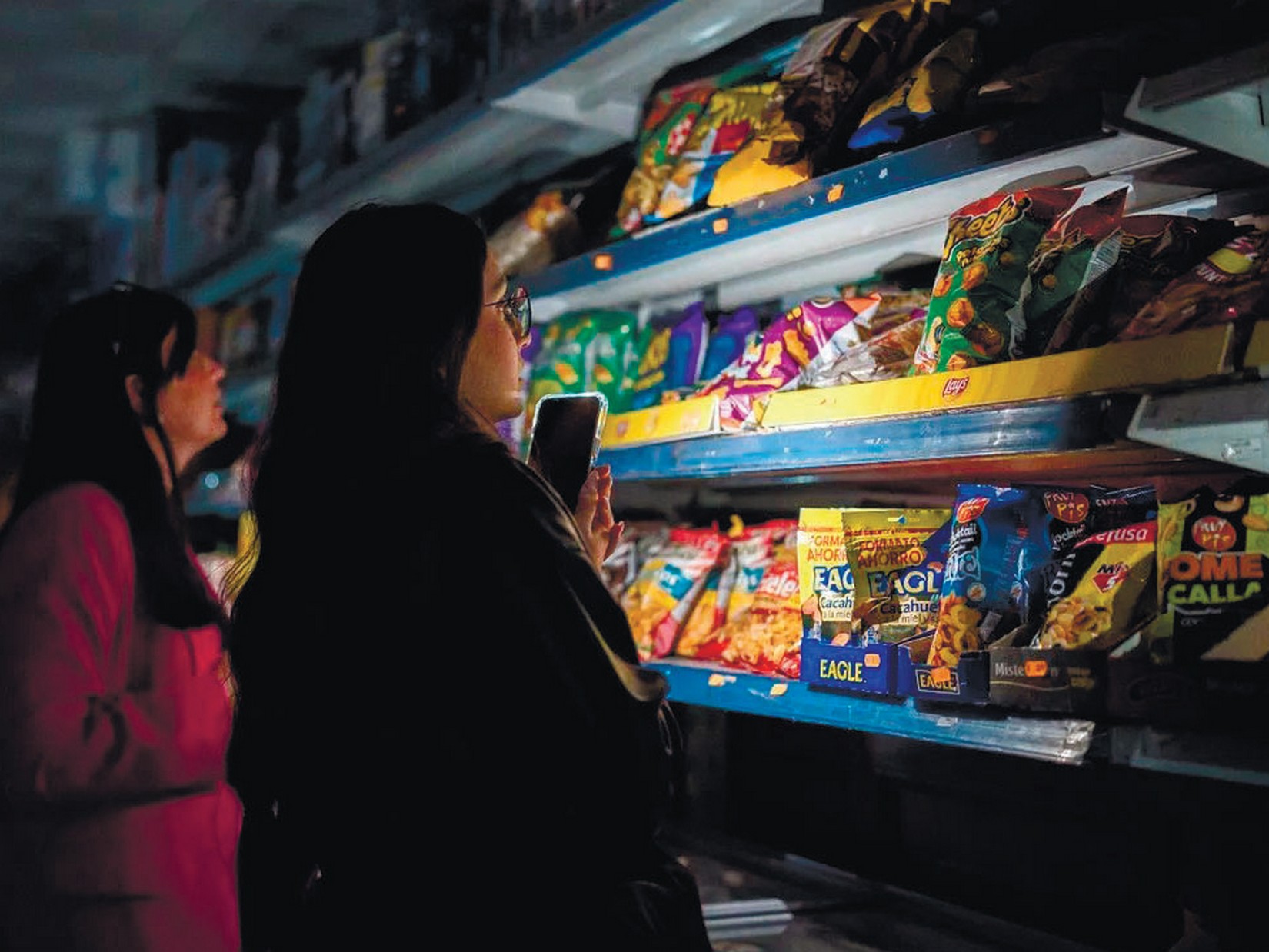
On April 28, large-scale power outages affected multiple countries simultaneously: Spain, Portugal, France, Andorra, and Morocco. The largest impact was felt by residents of major cities on the Iberian Peninsula — around 50 million people. As a result, metro systems halted, air and rail transport were disrupted, traffic lights stopped functioning, and electronic banking services ceased. Among those left without power was one of Europe’s largest airports — Madrid’s Barajas.
It was found that a strong voltage surge in the energy system triggered cascading shutdowns of parts of the grid. Additionally, some unnamed private energy companies, responsible for absorbing excess voltage in the network, failed to do so due to a lack of coordination, unclear distribution of responsibilities, and overall system opacity.
The April 28 blackout has already been called one of the largest in modern European history. "This power outage was a warning signal. It showed that upgrading and strengthening the European power grid is urgent and inevitable," said Kristina Ruby, Secretary General of the European electricity association Eurelectric.
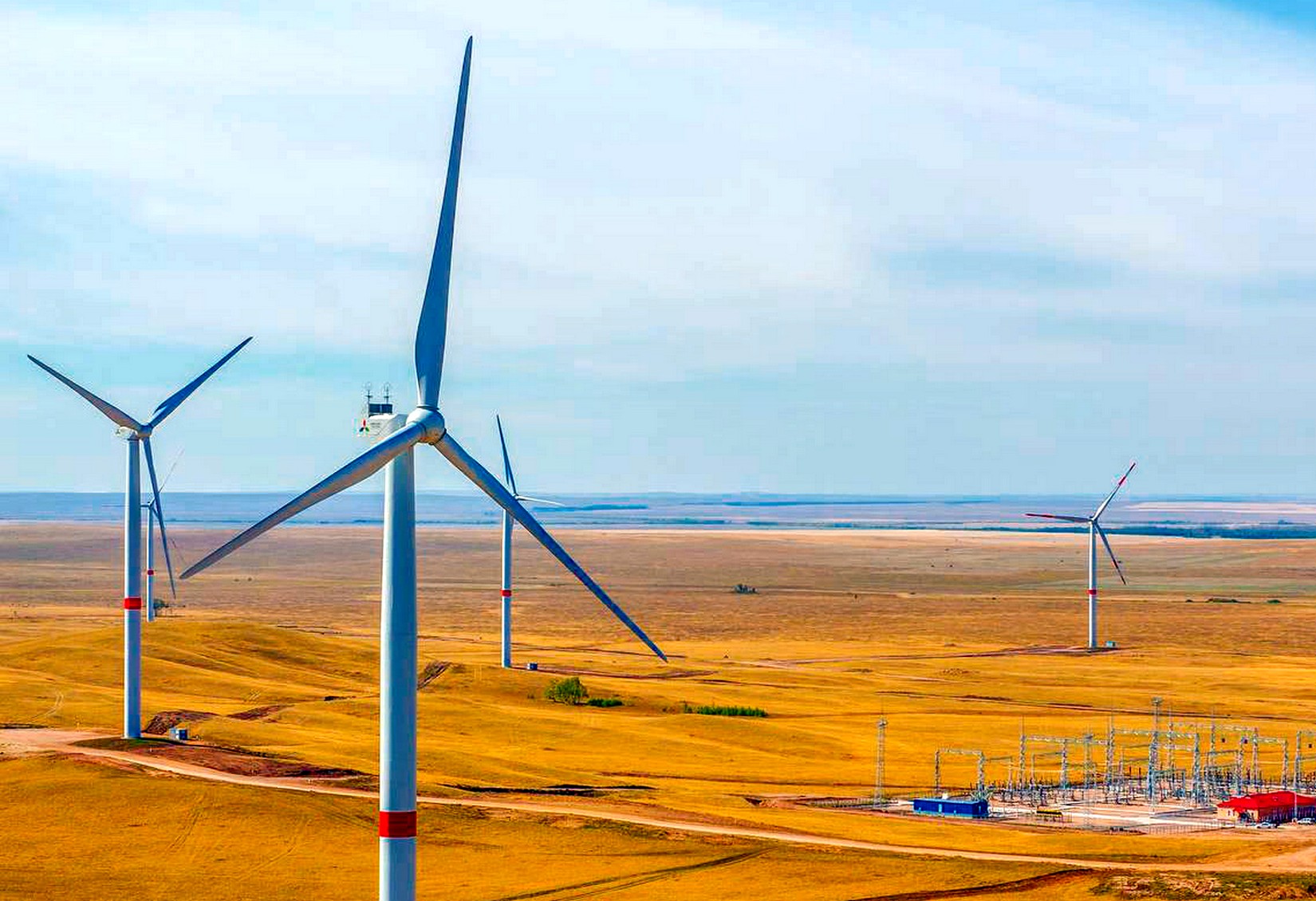
Experts link this incident also to challenges faced by the EU’s transition to renewable energy sources. Excess "green" electricity on sunny and windy days can overload outdated infrastructure, especially without adequate digital management and reserve capacity. In other words, wind and solar output are difficult to control, causing problems for grid operators. The EU’s power grids were mostly built in the last century; half of the lines are over 40 years old. Hence, growing low-carbon energy production coupled with rising demand from data centres and electric vehicles requires serious investment in grid modernisation, which also needs digital protection against cyberattacks.
Another blackout occurred on May 24 in southern France, affecting approximately 160 thousand homes and disrupting the Cannes International Film Festival. Most of Cannes was without power; residents took to the streets seeking information amid near-chaotic conditions. Due to outages, shops closed and telephone and mobile communications were unstable. Responsibility for these widespread failures on the French Riviera was claimed by anarchists who stated they disabled the main substation supplying Cannes agglomeration and "cut down a 225 kV transmission line coming from Nice". Their motivation was "defending their ideals," aiming to leave research centres, aerospace enterprises, startups, the airport, and other industrial, military and technological facilities without electricity. Although this case involved deliberate acts, the vulnerability of energy networks remains a critical concern.
The series of major blackouts in 2025 clearly shows that energy security remains fragile even in technologically advanced countries. Outdated grids, lack of investment, organisational mistakes, overloads caused by unstable "green" generation, and cyberattack threats make reliable power supply a global challenge.
According to European Commission estimates, Europe will need to invest $2-2.3 trillion in power grids by 2050. Last year European companies invested €80 billion in grids; previous years saw investments between €50-70 billion. Analysts at the research organisation Bruegel suggest investments could rise to €100 billion.
The European Commission has also set a goal to increase inter-system connections by 2030 to 15%, up from the previous target of 10%. This means every EU member state should be able to import at least 15% of its electricity capacity from neighbouring countries.
The power plant named for Victory
These large blackouts serve as a direct warning to other nations as well. Such incidents remind us that energy security cannot be based on complacency or assumptions that "it won't happen here." System resilience is not guaranteed but is the result of continuous effort, investment, and strategic planning. While some must learn by their own mistakes, others still have the opportunity to draw lessons ahead of time.
In this context, Azerbaijan’s actions deserve special attention. Here it is well understood that failures can happen anywhere.
"Over the past 20 years, we have essentially built Azerbaijan’s energy system from scratch. New power plants have been constructed across various parts of our country. At the same time, reconstruction work was carried out in Mingachevir. Remember that following an accident here, much of our country was left without power," stated Azerbaijani President Ilham Aliyev at the opening ceremony of the "8 Noyabr" power plant, recalling an incident at the "Azerbaijan" thermal power station (TPS) in July 2018. "After that event, practical measures were taken and we managed to achieve significant progress here in a short time."
Signing memoranda with international energy giants, constructing hybrid and gas-turbine plants, developing energy storage facilities and green energy corridors — these are not just ambitious projects but preventive measures aimed at avoiding future disruptions.
"Today, the '8 Noyabr' power plant is the largest in our country. This plant’s capacity of 1,880 megawatts will certainly strengthen our energy potential, improve system efficiency and further reinforce Mingachevir’s status not only as Azerbaijan’s but also as the South Caucasus’ energy centre. Currently, more than 40% of the country’s electricity is produced in Mingachevir. All this work once again shows that Azerbaijan is on the right path," emphasised the Azerbaijani leader.
The choice of name for the station — "8 Noyabr" — is symbolic, directly referring to Azerbaijan’s great Victory Day in the second Garabagh war. This victory came at a cost well remembered in Mingachevir. During the war, Armenian forces deliberately shelled not only frontline areas but also peaceful towns and villages including civilian infrastructure such as energy facilities. Mingachevir itself was targeted: attacks were directed at the power plant and other sites vital to the country’s energy system. The goal was to disable critical infrastructure and destabilise Azerbaijan’s power supply.
"The choice of name for this station did not take long. Among proposed options I chose ‘8 Noyabr’ because it is the date of our glorious Victory. Victory suits our people and our state. I am confident that this station will have a long life and successful operation," concluded Ilham Aliyev.
Fabrizio Fabbri, CEO of Ansaldo Energia, noted that four modern gas turbines and generators manufactured by their company are installed at the station, allowing significant reductions in carbon dioxide emissions and natural gas consumption savings. "This is a substantial contribution both to environmental protection and energy efficiency," he said.
Construction began on February 13, 2023 at the "Azerbaijan" TPS site. The project integrated four gas turbines with capacities of 320 MW each with existing steam turbines Nos. 7 and 8 at "Azerbaijan" TPS. Consequently, the new station’s capacity reached 1,880 MW; thanks to using excess steam it can additionally generate another 90 MW — totalling up to 1,970 MW.
Meanwhile, conditional fuel consumption at this station was reduced to 225 g/kWh compared with 340 g/kWh at other blocks of "Azerbaijan" TPS. This results in annual savings of up to 1 billion cubic metres of gas and reduces greenhouse gas emissions by up to two million tonnes.
Looking ahead
The "8 Noyabr" station is just the beginning. Azerbaijan’s Ministry of Energy has already unveiled plans for the next five years aiming to build 90 power plants by 2030. New generating facilities with a total capacity of 1.6 GW will be constructed in Garabagh and Eastern Zangezur; they will operate exclusively on renewable energy sources. According to Ministry estimates, these stations will save up to one billion cubic metres of natural gas annually while reducing greenhouse gas emissions by more than two million tonnes.
Overall by 2030 Azerbaijan plans to implement green energy projects with total capacity of 6.7 GW: 2.7 GW will serve domestic needs while 4 GW will be exported through the Caspian-Black Sea-Europe green corridor.
Alongside increasing renewables’ share to 38% of national capacity via these projects, total natural gas consumption will be prevented by about 4.4 billion cubic metres. This will positively impact gas exports abroad by supporting their growth.
However, as noted earlier, system resilience depends largely on network reliability and endurance. Azerbaijan has entrusted this aspect to Chinese specialists experienced in designing and modernising power grid infrastructure. The State Agency for Renewable Energy Sources engaged China Datang Overseas Investment Co., Ltd for joint activities focused on grid development and ensuring reliable green energy transmission. A Memorandum of Understanding was signed covering secure connection of renewable generating capacities to the grid as well as supporting stable electricity transmission nationwide.
The parties plan to utilise China Datang’s technical capabilities and experience in designing and implementing high-voltage direct current cables as well as seek technical and financial assistance for comprehensive development of Azerbaijan’s energy infrastructure.
Additionally, Azerbaijan’s Ministry of Energy reached an agreement with China’s Institute for Planning and Engineering of Electric Power Systems to conduct a study on Azerbaijan’s transmission system. The Chinese institute will model and simulate current system conditions, analyse the network, forecast electricity demand for target years and prepare recommendations for integrating large-scale renewable projects. A working group with necessary entities will be established in Azerbaijan for implementation.
Moreover, by 2026 Azerbaijan plans to connect two battery energy storage systems with a combined capacity of 250 MW and storage volume of 500 MWh to its grid. These systems will be vital for effective integration of renewables into the national grid and enhancing operational stability.
Experts note two key conditions are essential for safe management of green generation: reliable interconnections with neighbouring countries’ grids and domestic energy storage facilities. Given Azerbaijan’s currently limited inter-system connections potential, battery storage implementation will play a crucial role in managing approximately 2 GW of installed RES capacity while smoothing fluctuations inherent in solar and wind generation.
Thus Azerbaijan bets on a comprehensive approach to energy development — not only building new power plants but also strengthening grids, deploying storage systems and expanding green projects. All efforts aim for a stable system capable of operating without failure even as renewables’ share grows. Amid global risks and changes this represents not mere growth but carefully considered steps towards a reliable and secure energy future.
RECOMMEND:
 252
252

