

TWELVE-DAY WAR
Who won: the US-Israel tandem or Iran?
Author: Natig NAZIMOGHLU
The 12-day war between the State of Israel and the Islamic Republic of Iran, where the decisive word ultimately lay with the United States of America, served as a "calling card" of the modern world order. The war has ended, but the security situation in the Middle East and globally remains largely unresolved.
"Rising Lion" and "True Promise"
The long-awaited Israeli military operation against Iran became a reality. All events since Hamas’ terrorist attack on Israel in October 2023 led to this logical culmination. After neutralizing pro-Iranian forces in Syria and Lebanon, defeating Hamas, and reducing Gaza to ruins, Israel proceeded to what might be called the existential climax of this entire saga — whose meaning and purpose lay in crushing Iran’s military potential.
The large-scale Israeli strike was preceded by the adoption of a resolution by the Board of Governors of the International Atomic Energy Agency (IAEA), criticizing Iran for insufficient cooperation and failure to declare all types of nuclear material. In essence, this resolution — brought to life primarily through the efforts of Western countries — was designed to justify Israel’s position. This position held that Iran, ignoring the demands of the international community, had come dangerously close to creating nuclear weapons and therefore had to be stopped. Thus, Israel received carte blanche to block Iran’s path to nuclear capability — a path Tehran had framed as leading to the "destruction of the Zionist regime."
On June 13, 2025, Israel launched Operation Rising Lion (or Nation as a Lion) aimed at destroying Iran’s nuclear and missile programs. Through missile and airstrikes, as well as special operations using drones, targets included Iranian military infrastructure facilities, resulting in the deaths of high-ranking Iranian military officials and prominent nuclear scientists. In response, Iran initiated Operation True Promise, launching missile strikes on Israeli territory.
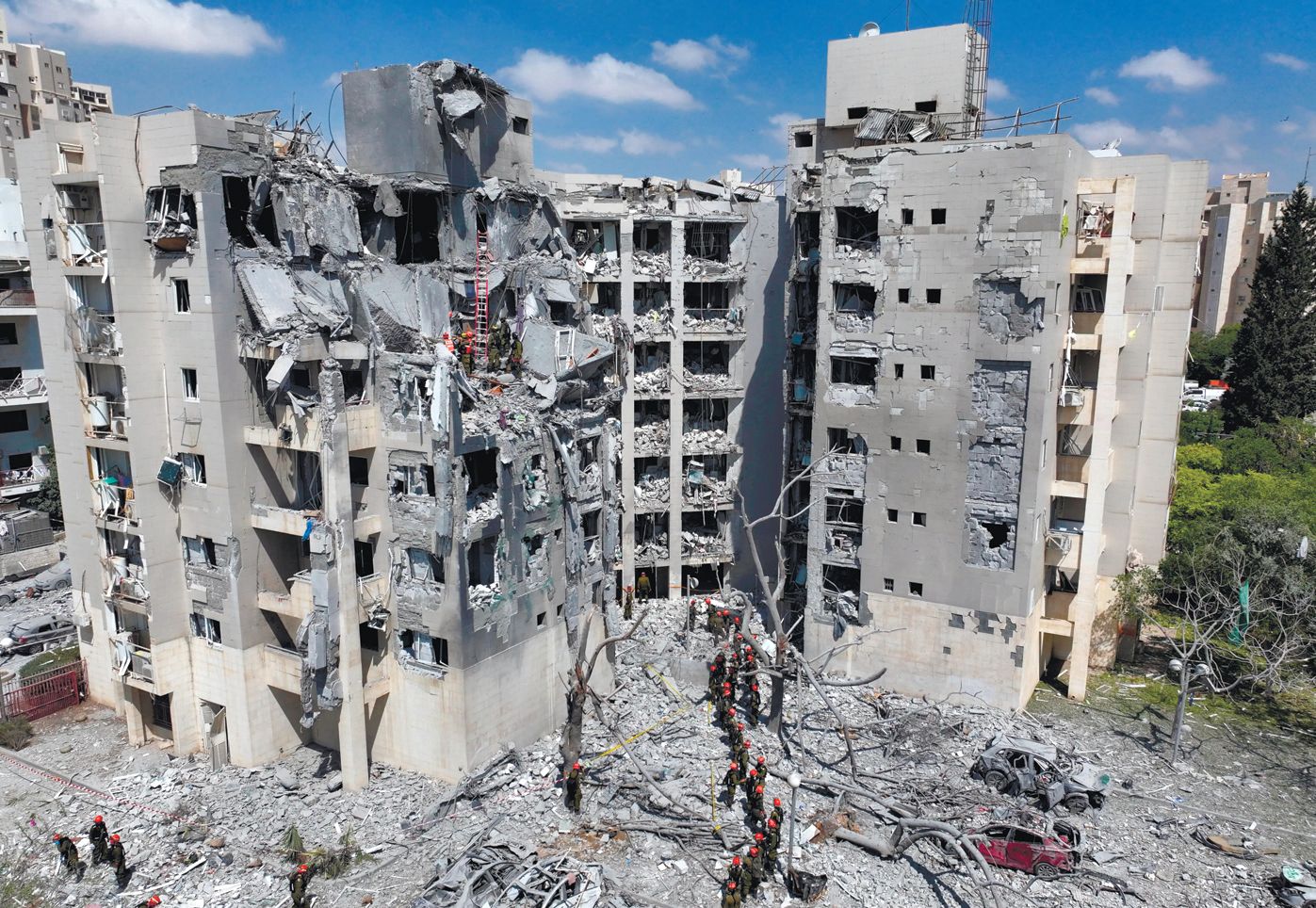
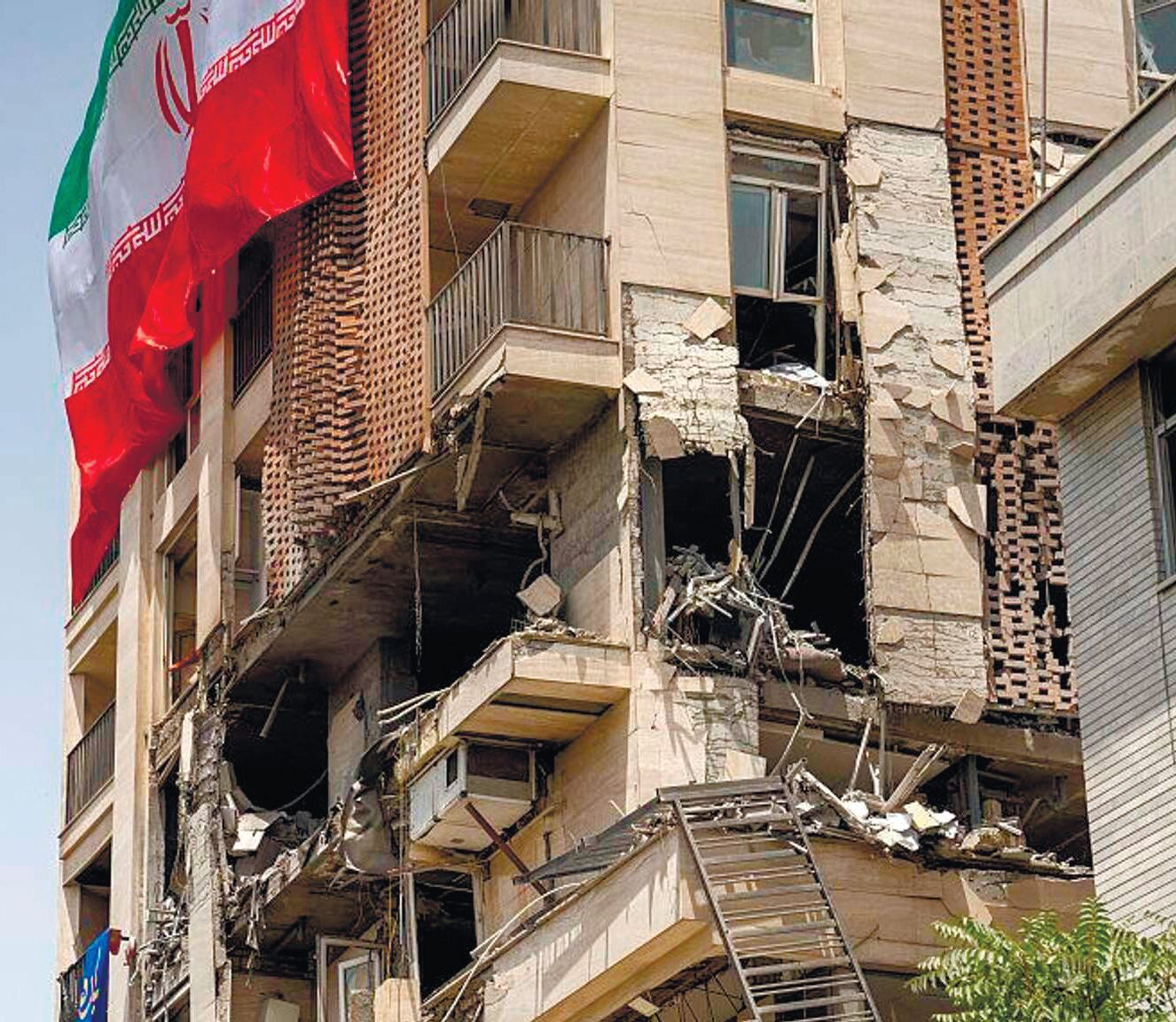
In the following days, Israel attacked a number of Iranian cities, including the capital Tehran, as well as Tabriz, Kermanshah, and Shiraz, targeting strategic and industrial sites such as the massive South Pars gas field. Key objectives for the Israel Defense Forces (IDF) also included nuclear facilities in Natanz, Isfahan, and Arak. Iran’s retaliatory strikes inflicted damage on Tel Aviv, Haifa, and other Israeli cities. The scale of the mutual attacks was evidenced by calls from both the IDF and Iran’s Islamic Revolutionary Guard Corps (IRGC) urging residents of Tehran and Tel Aviv, respectively, to evacuate.
The exchanges demonstrated both Israel’s ability to severely damage Iran’s industrial and defense capabilities and the vulnerability of the Jewish state itself — given its small territorial size — to mass missile attacks. Both sides achieved significant success in neutralizing each other’s air defense systems, which, had the war dragged on, could have brought Israel and Iran perilously close to mutual destruction. This outcome clearly aligned with neither Iran’s nor Israel’s — and especially not with the powerful ally of the latter, the United States — plans. Unsurprisingly, within a week of the war’s start, Israel actively began urging Washington to intervene and strike Iran with powerful bombs capable of destroying underground nuclear facilities. The United States, incidentally, hardly needed such prompting, as it was obvious Israel would never have undertaken such a large-scale operation against Iran without US approval.
Trump in action
Two months prior to the conflict, US President Donald Trump issued an ultimatum giving Iran 60 days to "conclude a deal" that would entail abandoning its nuclear program. Israel’s operation began the very day after the expiration of this ultimatum. Trump immediately confirmed he had been aware of its preparation, implying full US endorsement of Israel’s actions. Neither statements from the US administration denying direct involvement in the execution of the Israeli strikes nor attempts to portray the US as uniquely peace-loving amid ongoing negotiations between Washington and Tehran could refute this. In any case, with the outbreak of war, talks became meaningless. Tehran, accusing the US of complicity in the Israeli attack, announced the cancellation of planned negotiations with the American side scheduled for June 15.
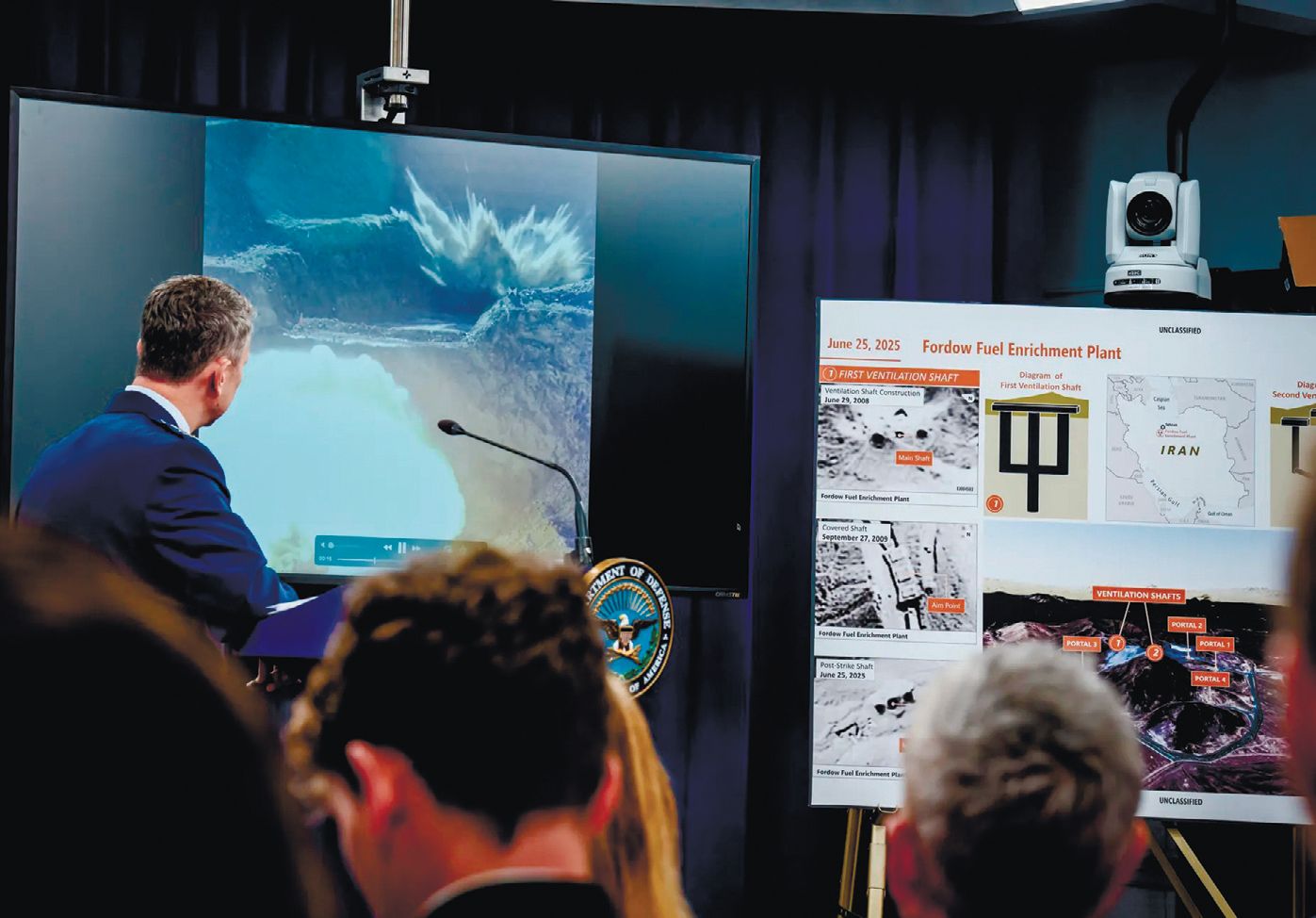
On the night of June 22, the US directly intervened in the conflict, striking key Iranian nuclear facilities at Fordow, Natanz, and Isfahan. The attack, described by the Americans as a "one-time operation," employed bunker-busting bombs and Tomahawk cruise missiles. The US strike was met with enthusiasm in Israel: Prime Minister Benjamin Netanyahu congratulated Trump on the successful attack on Iran’s nuclear sites. Tehran, for its part, declared that the "US had crossed a red line."
A retaliatory strike against US forces in the region was inevitable, and Iran attacked the Al Udeid Air Base in Qatar. However, Trump dismissed this as a "weak response, just as we expected." According to the US president, Iran fired 14 missiles, 13 of which were intercepted, while the fourth was headed in a "non-threatening direction." "I am pleased to report," Trump stated, "that no Americans were harmed, and almost no damage was inflicted. Most importantly, they got it out of their system, and hopefully, there will be no more hatred. I want to thank Iran for providing advance notice, which allowed us to avoid any loss of life or injuries. Perhaps now Iran can continue on the path to peace and harmony in the region, and I enthusiastically call on Israel to do the same."
This statement signalled an imminent end to the war. On June 24, Trump announced that Iran and Israel had reached a ceasefire agreement. Although sporadic missile launches from both sides were recorded after the declared truce, the war effectively concluded.
Its tragic toll included 606 Iranian and 28 Israeli fatalities, with 5,332 Iranians and 1,272 Israelis wounded. Both sides declared victory in their assessments of the war. Iran’s Supreme National Security Council emphasized that Israel had been forced to "admit defeat and unilaterally halt its aggression." Iran’s Supreme Leader Ali Khamenei particularly stressed that "the US, having entered the war, achieved nothing," and that "the Islamic Republic emerged victorious, delivering a harsh slap to America." The Israeli government, meanwhile, asserted that it had not only achieved all objectives of the military operation but exceeded them by eliminating the dual Iranian threat — nuclear and ballistic missile-related.
More questions than answers
The war’s end left more questions than answers. The foremost among them: did the US and Israeli strikes truly put an end to Iran’s nuclear program? Even within the US administration, there is no consensus on this. While President Trump confidently claims that US bombings destroyed Iran’s nuclear facilities, US intelligence reports suggest the damage to Iran’s nuclear program was "not serious." Incidentally, IAEA Director General Rafael Grossi also believes the US and Israeli strikes did not deal a fatal blow to Iran’s nuclear infrastructure. This raises the unresolved question of the fate of Iran’s enriched uranium stockpiles: were they destroyed in the bombings, or were they secretly moved by Iranian authorities from key nuclear sites beforehand?
There is no doubt Iran’s nuclear program suffered damage. But does this mean Tehran will abandon its restoration? Judging by Iranian statements, the country intends to continue developing its nuclear program. Consequently, there can be no talk of reviving the 2015 nuclear deal, which the US abandoned during Trump’s first term, nor of swiftly negotiating a new agreement, as Trump now urges. While Iran continues to insist its nuclear program is purely peaceful, following the 12-day war, it definitively refused to grant the IAEA access to its nuclear facilities. Moreover, Israel’s operation, supplemented by powerful US bombings, may well have convinced Iran of the necessity of acquiring a nuclear deterrent for its protection.
Meanwhile, the prospect of Iran obtaining nuclear weapons is undesirable not only for the US, its European allies, and Israel but also for countries that position themselves as Iran’s partners and friends. Hence the restrained reaction — particularly from Russia and China — to the US and Israeli military actions against Iran. This only underscores the urgency for the Islamic Republic to reassess its positions in global and regional politics — positions significantly weakened by the US and Israeli strikes, as well as the prior collapse of the pro-Iranian "axis of resistance." At the same time, it is clear that despite potential US and Israeli hopes the military campaign might create conditions for overthrowing Iran’s clerical regime, the latter has managed to survive. The question now is whether the ruling Iranian regime will use its "victory" in the war against the US and Israel to intensify its crackdown on domestic opposition and dissent — or whether it will introduce limited reforms to consolidate public support for the clerical system.
But what does the potential strengthening of Iran’s regime and its focus on advancing its nuclear program mean for the confrontation between the Islamic Republic and the US-Israel tandem? It is evident that this confrontation did not end with the 12-day war, and Trump’s declared ceasefire may prove merely a pause before a larger conflict. This is especially plausible given the US president’s stated readiness to strike Iran again if it resumes uranium enrichment, alongside similar warnings from Israel. The latter factor, particularly in light of the war’s outcome, does not negate the pressing question for Israel itself: can a perpetual state of war truly provide the Jewish state with a strategic guarantee of security?
The 12-day war highlighted profound challenges to global security. Once again, it is clear that all previously established rules of the game in international relations — however imperfect — have been shattered. What has happened (and continues to happen) to this system since the Cold War — from US and Western military operations against Yugoslavia, Iraq, and Libya, to Russia’s invasion of Ukraine, to Israel’s attacks on Lebanon, Syria, and now Iran — demonstrates the spectacular failure of international law.
The breakdown of the world order risks dividing nations into predators and prey, with no restraining mechanisms in place. For the latter, this promises painful consequences. Therefore, most countries — those outside the circle of major powers and force centres — must strive to avoid becoming victims.
One nation approaching this critical juncture for global security fully prepared is Azerbaijan. Having restored its territorial integrity, built mutually beneficial relations with nearly all neighbours and key global and regional players, and solidified its status as a "middle power," Azerbaijan now serves as the linchpin of present and future security and cooperation systems in the South Caucasus. This role further underscores the necessity of comprehensively strengthening the Azerbaijani state.
RECOMMEND:
 239
239

