

ON THE EDGE OF CHANGE
What do the NATO and EU summits mean for global politics?
Author: Samir VELIYEV
The NATO and EU summits, held at the end of June just one day apart and focused on key security issues, became significant markers of the current policies of Western countries. On one hand, they demonstrated a shared understanding of several critical international topics; on the other, they exposed ongoing contradictions among participants. These contradictions were reflected in assessments of the summits’ outcomes, highlighting the complexity and layered nature of relations within Euro-Atlantic ties.
Five percent for security
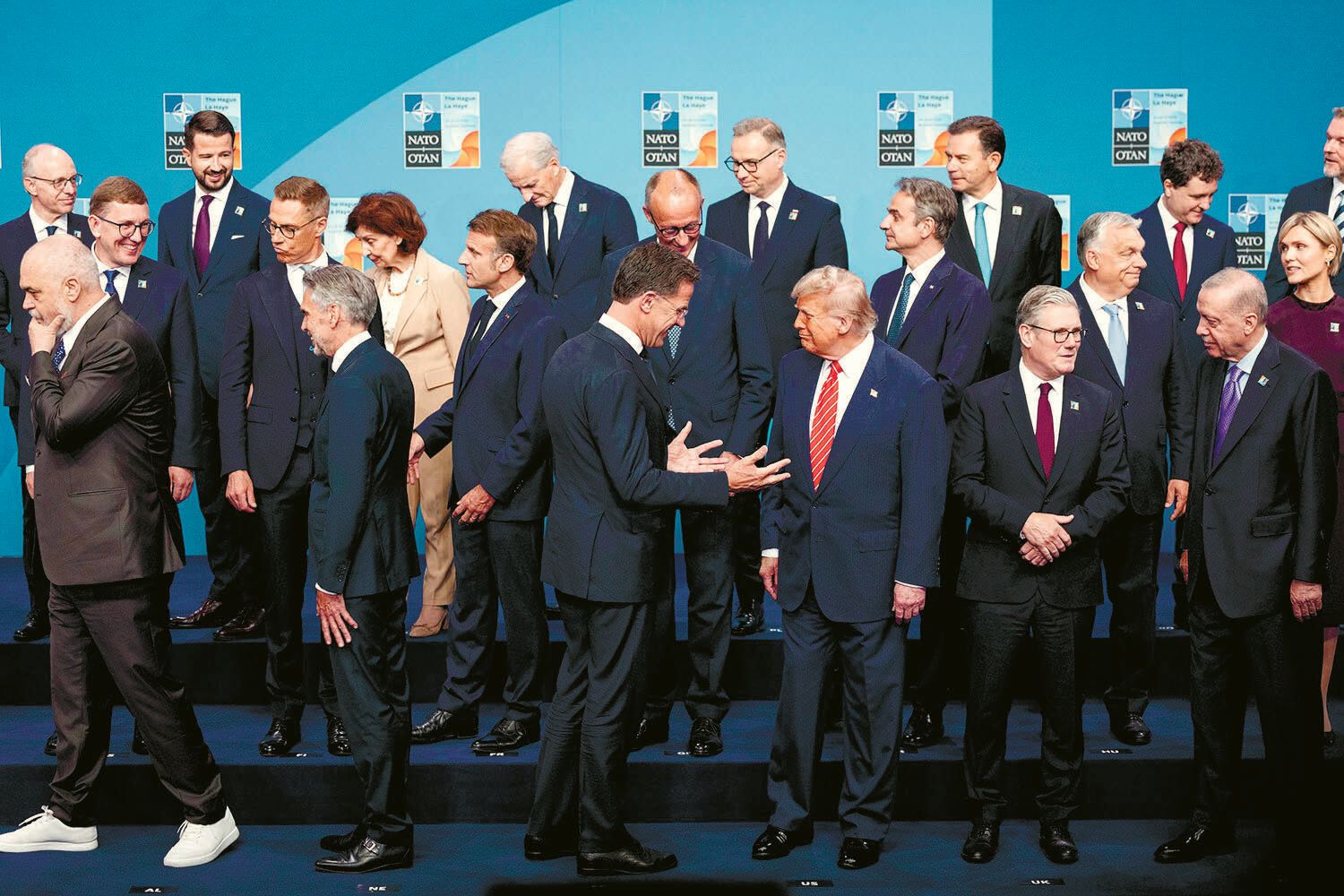
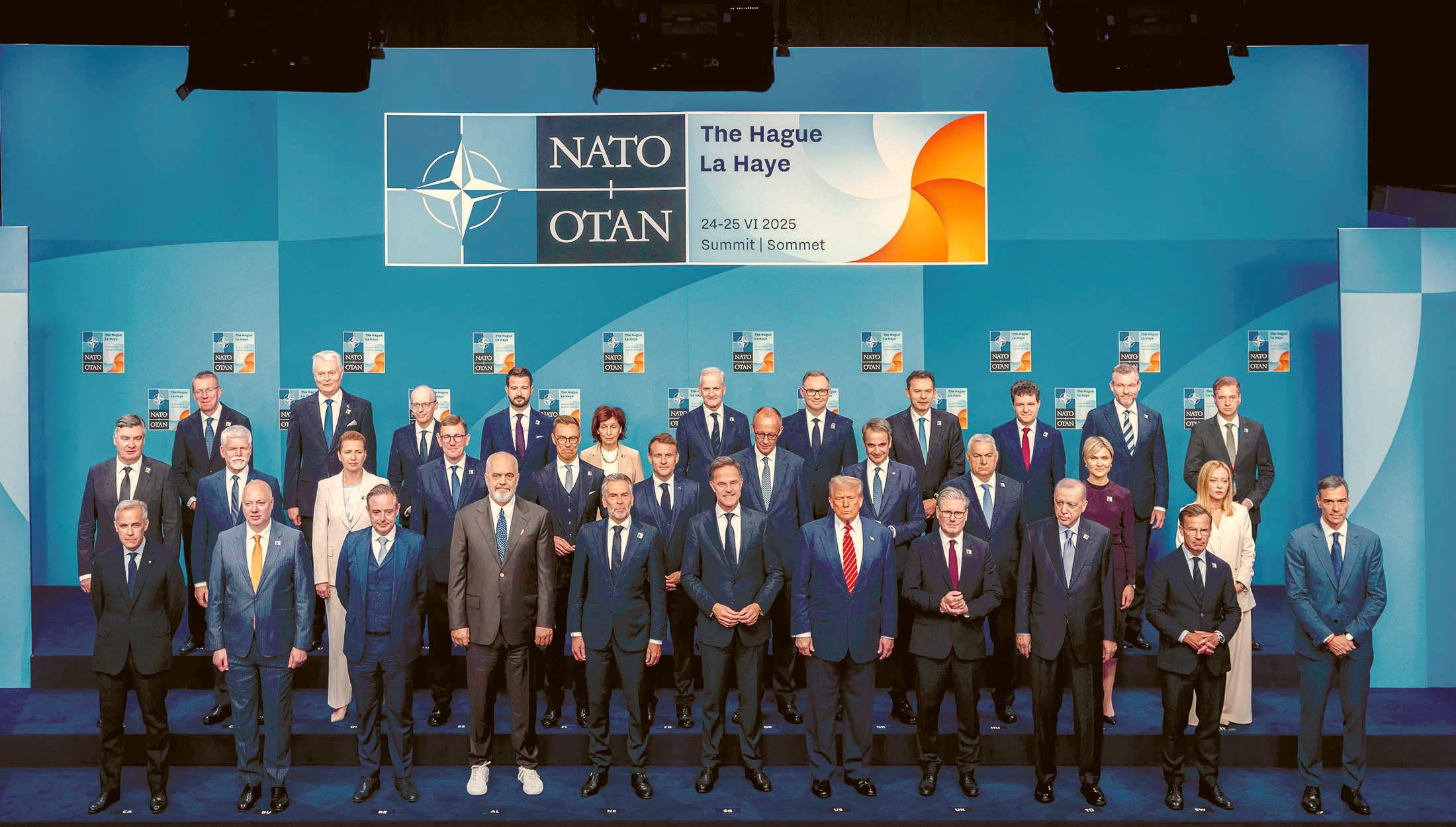
The NATO summit in The Hague was a notable event in the Alliance’s recent history. It was the first high-level meeting under the leadership of the new NATO Secretary General — former Dutch Prime Minister Mark Rutte. For the first time after returning to an active foreign policy agenda, US President Donald Trump participated. His presence added sharpness and special political weight to the summit.
Organisationally, the event became the largest international occasion in Dutch history: security measures were unprecedented — more than 27,000 personnel were involved in security, air and sea spaces were controlled by drones and patrol groups, and The Hague city centre was effectively closed to civilian movement. Although there were no serious incidents, Dutch security services later reported attempted cyber interventions and several protest actions.
On the eve of the summit, the leaders of France and Germany published a joint article widely perceived as a manifesto on defence. In this document, Paris and Berlin outlined key directions for European security policy. This publication intensified a sense of novelty and added intrigue. However, ultimately it did not lead to unexpected developments.
The main decision of the meeting was the agreement by NATO member states to increase military spending to 5% of GDP by 2035. Of this, 3.5% should be allocated to direct military needs, and 1.5% to infrastructure, cybersecurity, and dual-use technologies. This breakdown allowed maintaining a focus on defence while avoiding perception of the initiative as purely militaristic. However, a clear deadline for fulfilling these commitments was not fixed — 2029 is cited as a guideline.
Trump called the agreement “a victory for the US and the West” and stated that countries unwilling to meet new requirements could face trade measures. Despite his sharp rhetoric, most participants noted that the compromise was necessary to preserve transatlantic unity. Eastern European countries expressed satisfaction with strengthened security guarantees, while Western states preferred to emphasise the importance of balancing interests.
Trump repeatedly reminded that despite domestic challenges, the United States continues to bear the main burden of ensuring European security. He believes the current 2% GDP criterion no longer matches geopolitical realities. According to him, raising the threshold to 5% should encourage Europe to strengthen its defence capabilities and reduce excessive dependence on the US.
Efforts to appease Trump
This proposal emerged amid growing concerns in Europe regarding unpredictability in American foreign policy. Brussels is worried that the new US administration might abandon unconditional collective defence commitments if allies do not demonstrate firm adherence to shared obligations. In this context, the 5% initiative is seen as a way to fix updated rules of engagement ahead of possible new political shifts in Washington.
NATO Secretary General Mark Rutte acknowledged that without pressure from Trump, the decision to increase spending probably would not have been made. He described the American leader’s actions as “uncomfortable but effective.”
Against this backdrop, special attention focused on the future of American military presence in Europe. Currently, tens of thousands of US troops and significant equipment volumes form the backbone of NATO’s rapid response forces. This infrastructure enables swift troop deployment, intelligence gathering, aerial refuelling, and missile threat defence. Meanwhile, behind-the-scenes discussions considered possible gradual troop reductions, causing concern in Europe: the process might proceed faster than allies can respond.
To maintain US strategic attachment to European security, its leaders seek to ensure Trump’s interest in NATO. Maintaining his satisfaction serves as a deterrent against sudden revisions of America’s role in the Alliance. A few days before the summit, the US demonstrated its military power by striking Iranian nuclear sites. The use of 30,000-pound aerial bombs was a notable show of force.
At a press conference, Rutte praised US actions, stating that NATO remains a firm opponent of nuclear proliferation in the region. He also thanked the US for its “determination,” noting that Washington dared to take a step no one else would have risked.
All for one, and one for all?
Article 5 of the North Atlantic Treaty — guaranteeing collective defence — remained central in discussions. Although commitment was confirmed formally, Trump avoided strong formulations until late, raising concerns in Poland and Baltic states. Meanwhile, France and Germany continued promoting enhanced European defence autonomy, particularly in logistics, cybersecurity, and armaments.
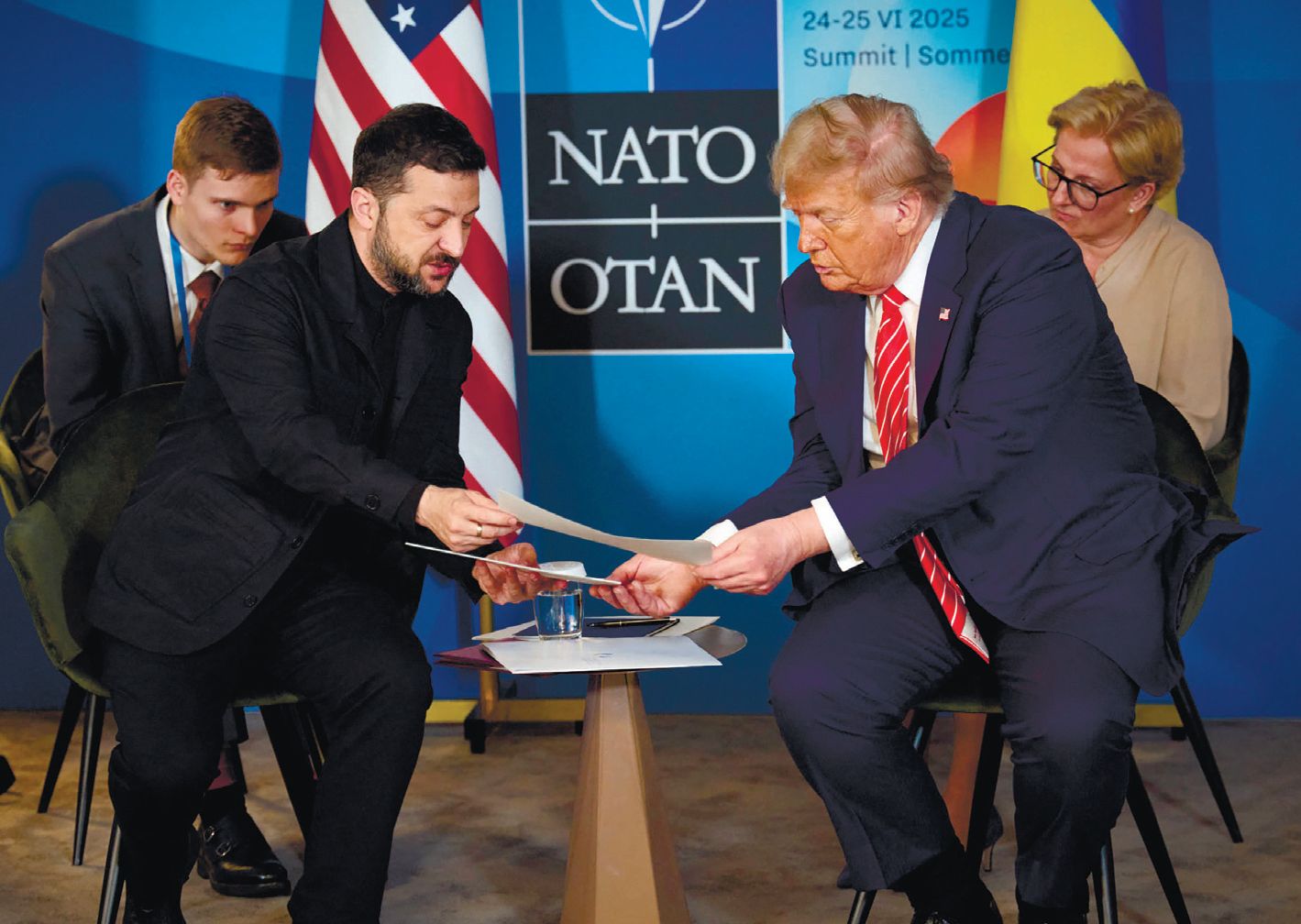
An interesting fact: the final summit communiqué was the shortest in decades — only 427 words compared with 5,000 in Washington the previous year. Ukraine was mentioned twice; Russia once; China did not appear at all. President Zelensky attended an informal dinner but did not participate in main sessions. However, a meeting with Trump took place where air defence supplies and Ukraine’s Euro-Atlantic integration were discussed. Still, no concrete timelines or legal guarantees were announced, reflecting NATO’s cautious approach.
For the first time since the conflict began, Trump spoke harshly about Vladimir Putin, calling him “off course.” He also confirmed possible additional Patriot system deliveries to Ukraine. Nevertheless, his strategy continues to balance between containing Russia and preserving diplomatic space.
Overall, the meeting in The Hague was a turning point: the Alliance bets on increased military power, redistribution of financial obligations, and maintaining political unity. Ahead lies an interim review of commitments and the next NATO summit slated for Türkiye.
Europe at a crossroads
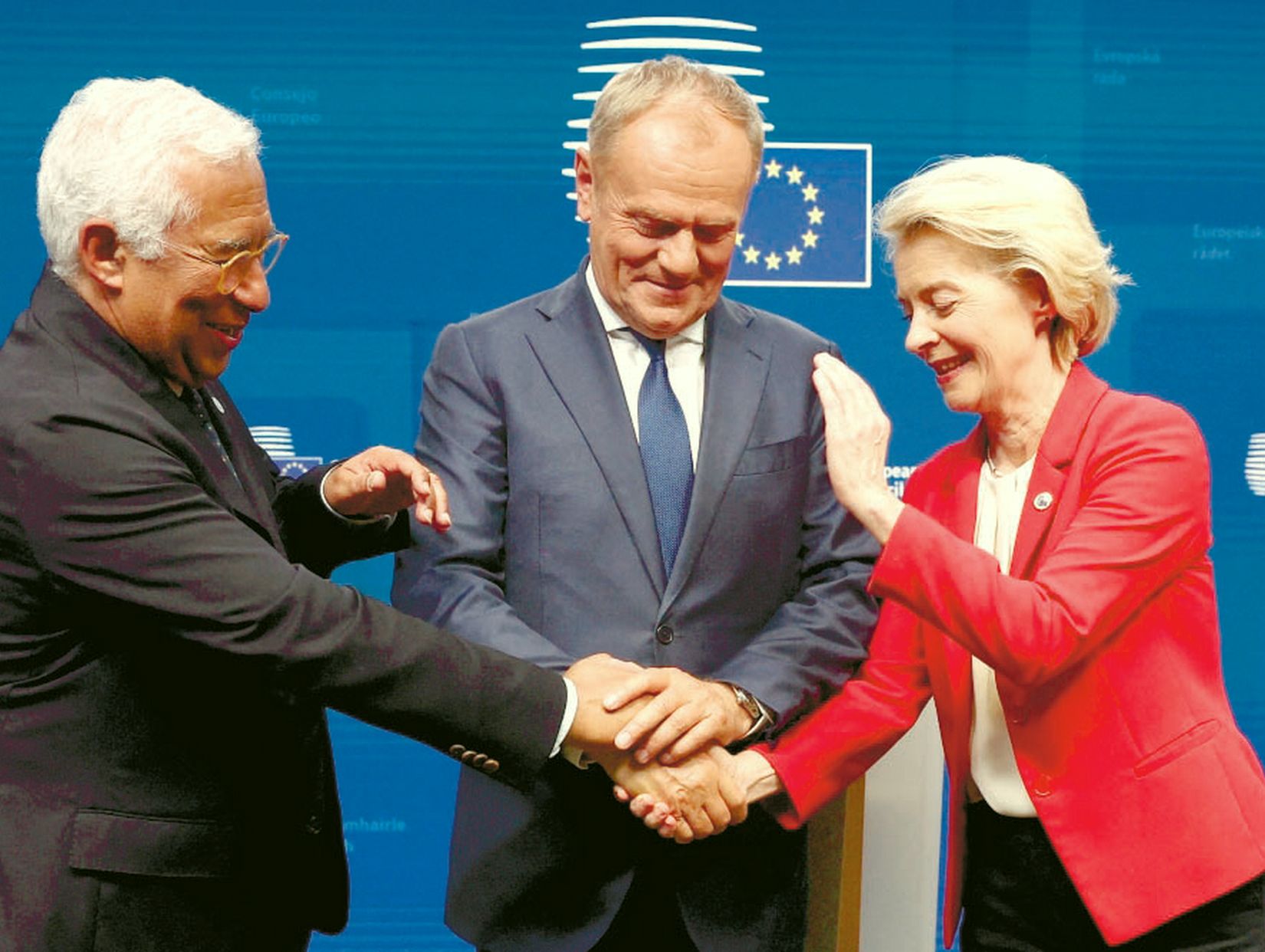
Against this background, EU leaders gathered in Brussels for their own summit to develop policy lines reflecting NATO decisions. Unlike The Hague’s military focus, the EU concentrated on comprehensive approaches covering sanctions policy, economic resilience, strengthening defence industry, and institutional reforms.
Central on the agenda was sanctions against Russia. The EU confirmed its course toward tightening restrictions and aimed to prevent sanctions evasion through third countries. The issue of enhancing export controls on sensitive technologies was also discussed.
Another priority was strengthening EU defence potential. In continuation of NATO’s agenda, steps were considered to increase financing for European defence industry, expand joint arms procurement, and improve coordination in military affairs. All this occurs within efforts to reduce dependence on the US and bolster strategic autonomy.
The summit also outlined further EU enlargement plans. Ukraine, Moldova and Georgia were named key candidates while stressing internal reforms are necessary before possible accession. Western Balkan countries were again recognised as important elements of European architecture.
The economic session focused on resilience amid inflation, energy challenges and technological competition. Measures discussed included diversifying supplies, reducing dependence on China, and stimulating innovative sectors.
Special attention was paid to strengthening EU geopolitical subjectivity. Calls were made for a more active European role globally including expanding partnerships beyond transatlantic space especially with Global South countries.
However, the path toward strategic subjectivity remains difficult. Divisions persist within the EU: Eastern European countries continue relying on US and NATO whereas France and Germany promote strategic autonomy ideas. This contradiction complicates forming a unified external policy line.
Separately discussed was veto power as a decision-making tool. Some see it as necessary sovereignty protection; others as a barrier to effective foreign policy. Hungary was cited as an example: using veto rights it blocked decisions on Ukraine negotiations and joint statements. Budapest acted within EU rules guided by national interests — regardless of majority positions.
Both summits reflected a new reality: The West is reassessing traditional security, economic and diplomatic frameworks. NATO focuses on strengthening military power and threat containment while the EU seeks balance between sovereignty and integration amid a multipolar world.
RECOMMEND:
 220
220

