

YEKATERINBURG TEST
From a shot-down plane to a showdown: the collapse of Russian-Azerbaijani relations

Author: Tofigakhanim GASIMOVA
Today, many experts consider Yekaterinburg as the starting point of a new, unprecedented crisis in relations between Baku and Moscow. Harsh statements from the Azerbaijani Foreign Ministry, media articles, cancellation of the visit of Russian Deputy Prime Minister Alexei Overchuk, and suspension of events involving Russian artists — none of this has occurred in bilateral relations between Azerbaijan and Russia since the collapse of the USSR.
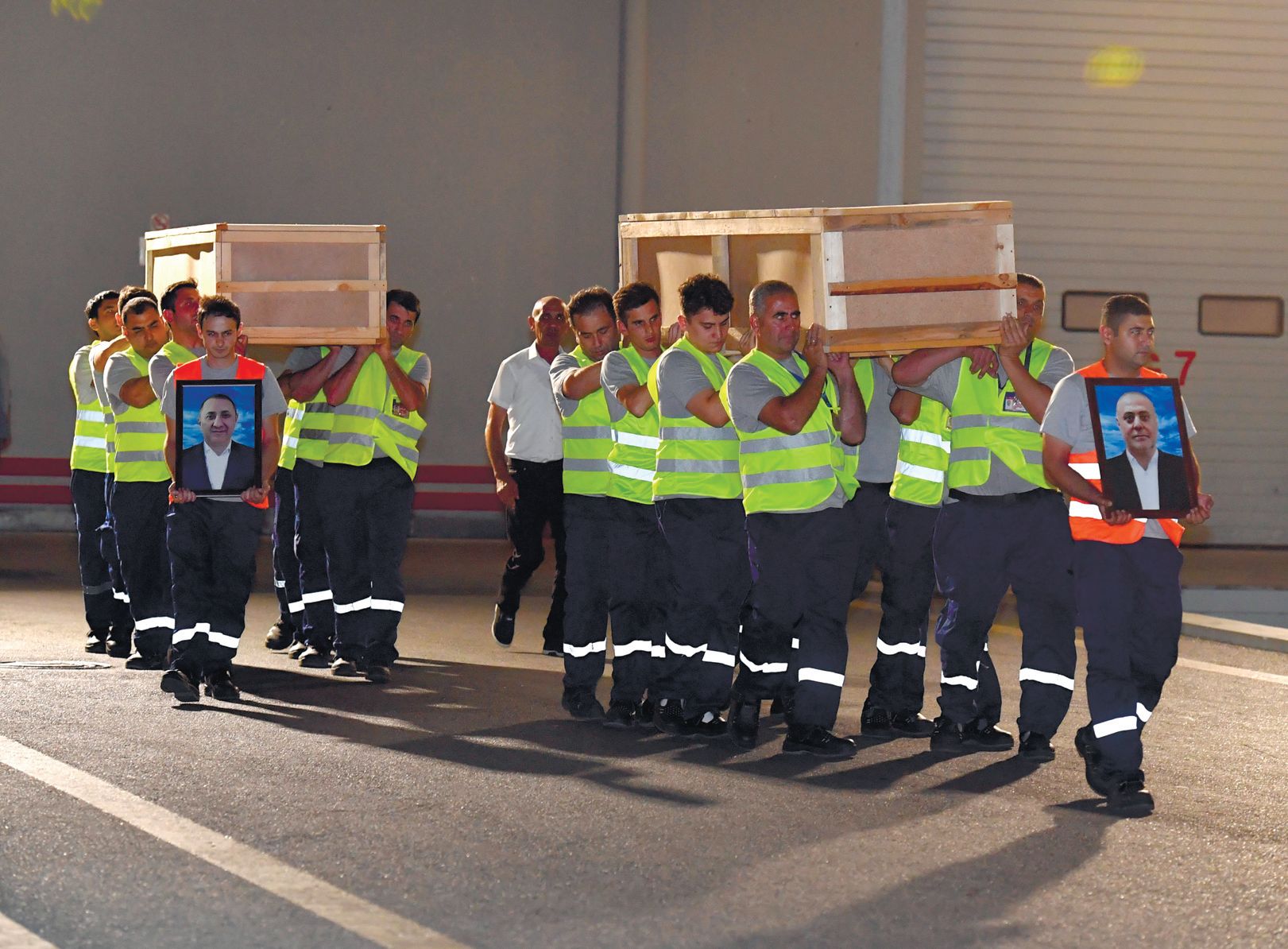
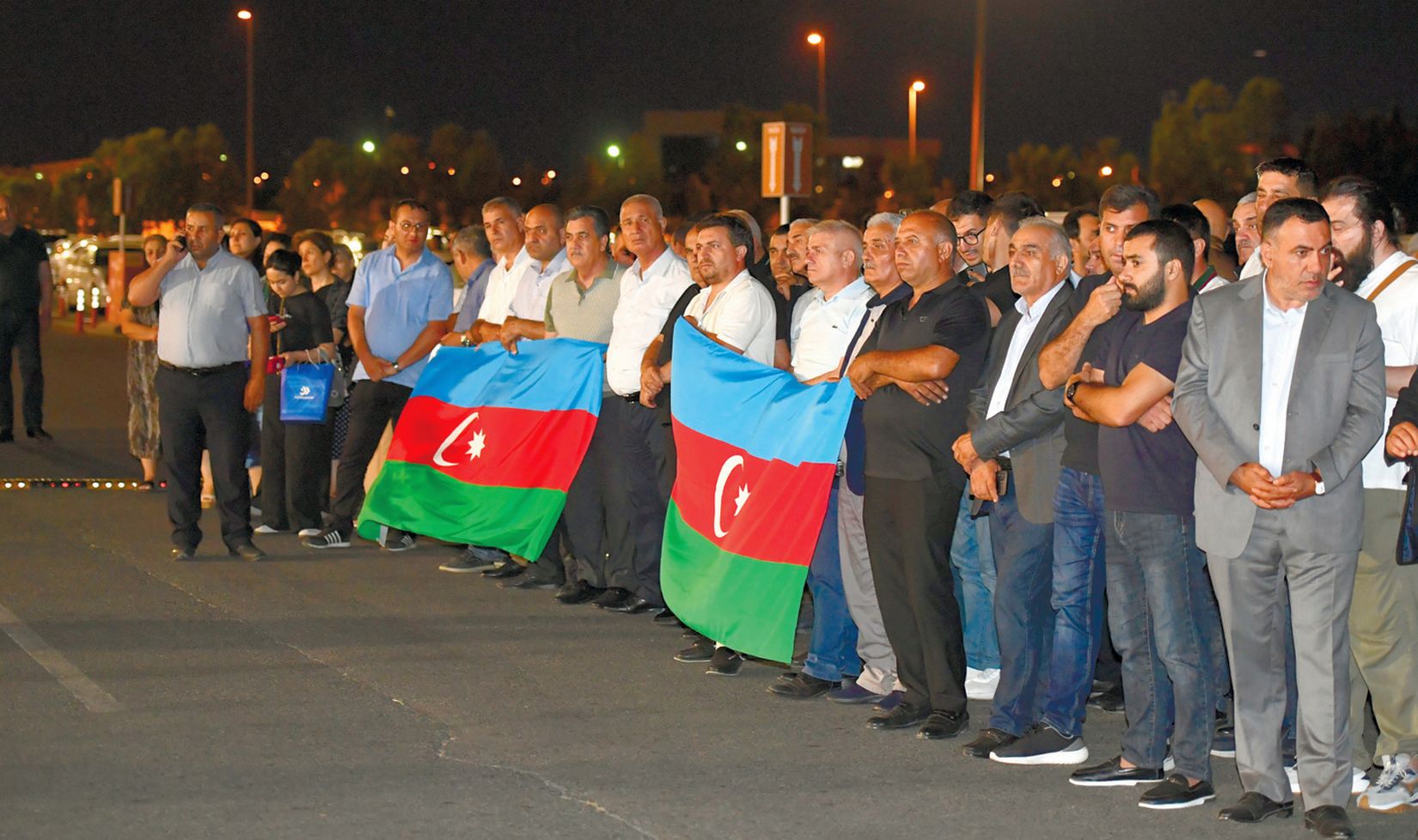
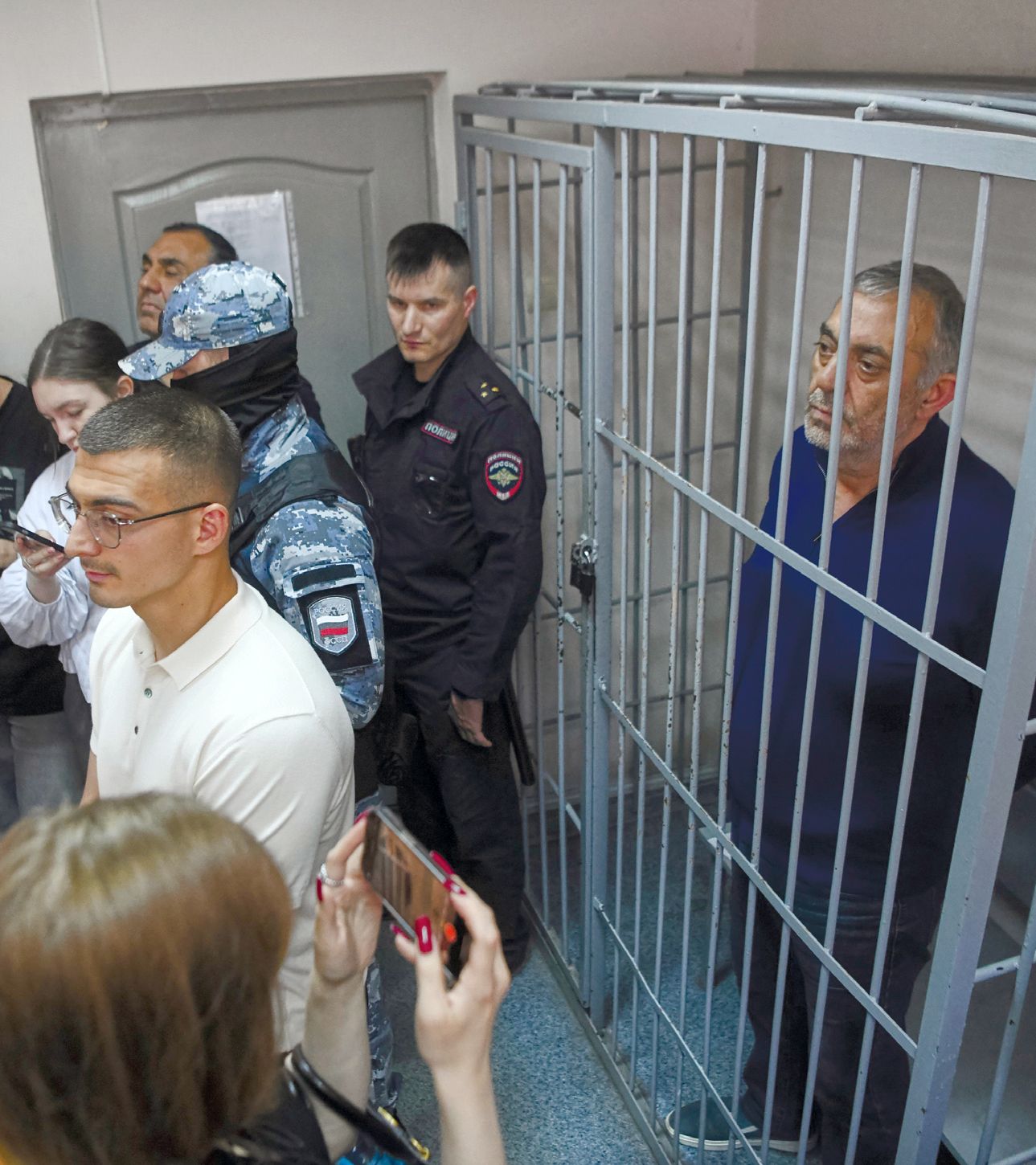
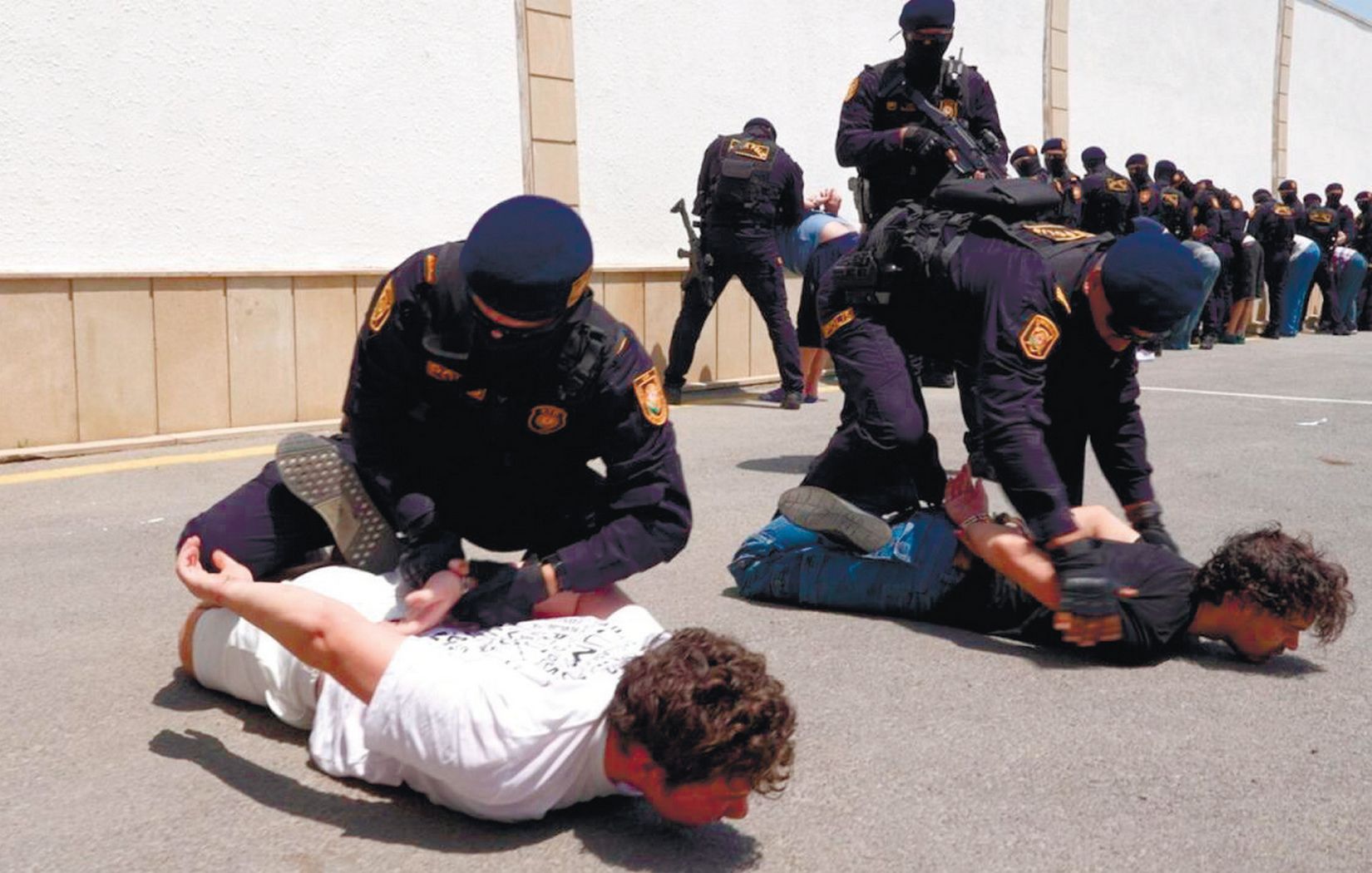
The reason is clear — the mass round-up of ethnic Azerbaijanis by Russian security forces in Yekaterinburg, resulting in about 50 people being detained. There are fatalities — brothers Huseyn and Ziyaddin Safarov. According to eyewitnesses, Russian law enforcement officers tortured them to death. Forensic examinations conducted in Baku showed that their deaths were caused by traumatic shock due to multiple injuries. The official Russian statement claims one brother died of a heart attack, the other of an embolism. Such falsification of forensic data is rare to encounter.
What happened?
According to the official version, Russian law enforcement agencies have reopened an investigation into a murder committed in 2001 at an Yekaterinburg café owned by ethnic Azerbaijanis. In principle, this is normal. It is common for cold cases to be reopened due to newly discovered evidence or details obtained during unrelated investigations.
However, in Yekaterinburg, this does not correspond with reality. Firstly, the arrests were made by FSB special forces, yet the Federal Security Service does not typically deal with ordinary criminal cases in Russia. Secondly, the number of detainees is unusually high. Thirdly, even individuals who were only 3-4 years old at the time of the alleged crime were taken into custody. Finally, it cannot be considered normal when two unarmed detainees are killed and five others hospitalised — reportedly after torture involving electric shocks and beatings. The only reasonable conclusion is that there was ethnically motivated repression in Yekaterinburg. People were arrested solely because they were Azerbaijanis.
Fighting against migrants, or the 'Showdown Massacre'
One might assume this is just another example of xenophobia and migrantophobia. Blaming migrants for all societal problems is currently fashionable in Russia. Yet real crime statistics do not support these accusations; migrants are not disproportionately represented in criminal activity. Moreover, Russia's labour market already suffers from worker shortages due to the Ukrainian war and several waves of mobilisation.
However, it appears more important for Russian authorities to push migrants towards the Ukrainian war as "cannon fodder." According to eyewitness reports, raids targeting migrants happen regularly in Russia, affecting not only Azerbaijani citizens but also Central Asian nationals. Detainees without Russian citizenship are often pressured by law enforcement to sign contracts to serve in the army and go to the front line; refusal results in threats of deportation, loss of work permits, or fabricated drug charges. There have even been reports of mercenary recruitment outside Russia — such as the scandal around the "Russian House" in Kyrgyzstan.
To call things by their proper names: a showy massacre of ethnic Azerbaijanis — both Russian citizens and those retaining Azerbaijani passports — was organised in Yekaterinburg.
Late in 2024, relations between Baku and Moscow were quite constructive and friendly to the point where Azerbaijani President Ilham Aliyev gave an interview to Russian TV presenter Dmitry Kiselev. Then tragedy struck: an Azerbaijani civilian aircraft approaching Grozny airport was hit by Russian air defence and crashed during an emergency landing in Kazakhstan's Aktau. Experts agree that Russia had many opportunities to avoid political fallout by admitting responsibility, apologising appropriately, and launching an investigation. Instead, they attempted to cover up the incident with absurd explanations like "collision with birds" and displayed irritation towards Azerbaijan’s demand for a full investigation. From that moment on, the countdown to crisis began.
Russia responded to Azerbaijan's principled stance with a campaign of hatred against the Azerbaijani diaspora. Initially, the Tsargrad resource became particularly active; later propagandists like Solovyov and pro-government Telegram channels joined in.
And now — a showy massacre in Yekaterinburg, which has nothing to do with standard law enforcement practices. It is unsurprising that Baku is responding harshly: statements from the Azerbaijani Foreign Ministry, postponement of Overchuk's visit, cancellation of Russian artists' tours, and operations targeting Sputnik’s office involved in activities far removed from journalism. It also emerged that members of an organised crime group consisting of Russian citizens were detained; their record includes drug trafficking, cyber fraud, and other offences.
Necessary arrest of agents?
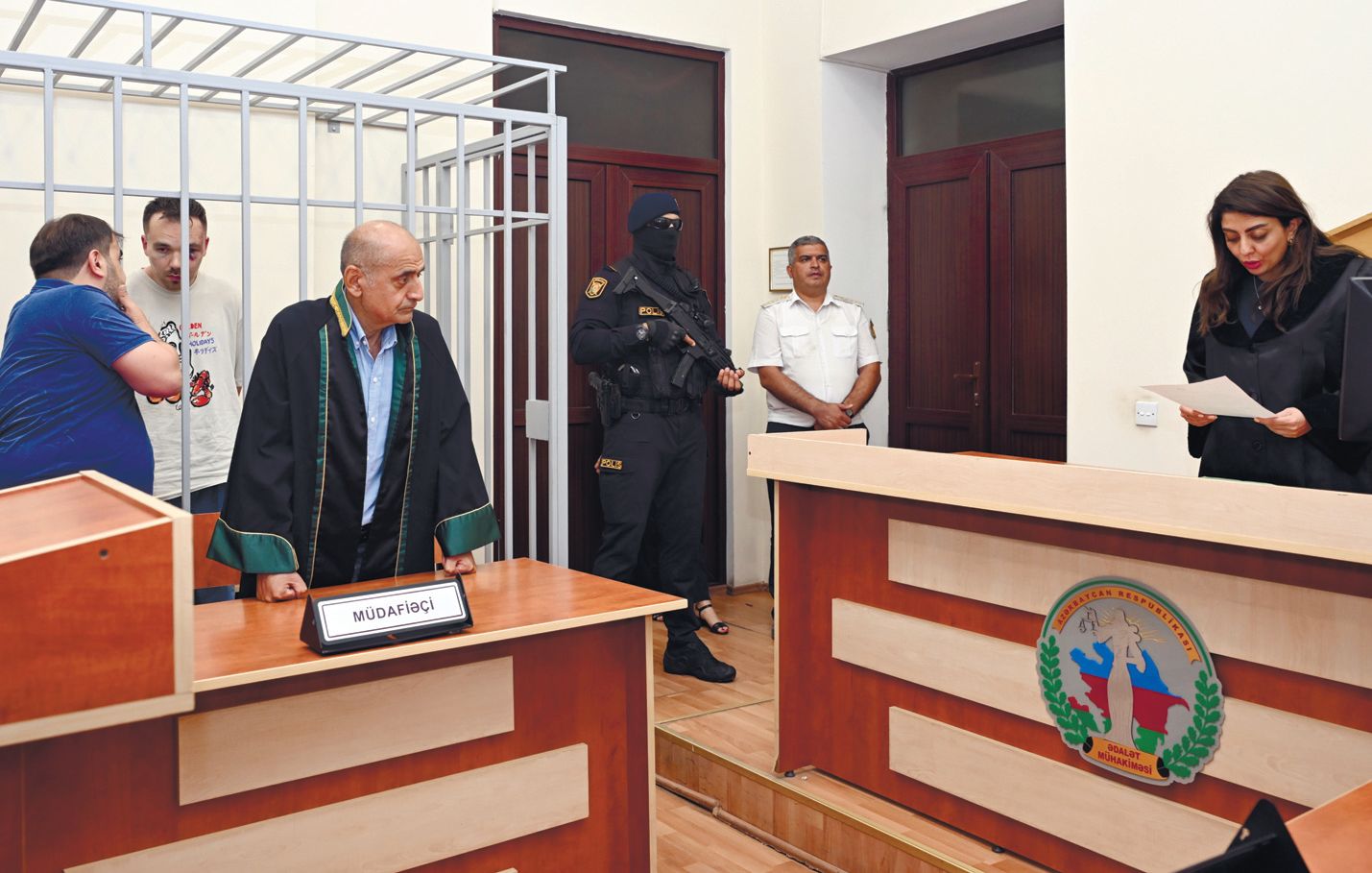
The detention in Baku of two Sputnik employees — Igor Kartavykh and Yevgeny Belousov — along with charges against seven other journalists for illegal entrepreneurship and fraud are currently central to media coverage. In response, Russian Foreign Ministry spokeswoman Maria Zakharova has made high-profile statements while Kremlin press secretary Dmitry Peskov described these actions as "unfriendly steps" by Azerbaijani authorities. One must assume that the showy massacre of Azerbaijanis in Yekaterinburg and portraying the Azerbaijani diaspora as enemies are anything but friendly steps!
Experts have noted that Sputnik offices abroad often serve as covers for the FSB and other intelligence services; the Baku office is unlikely to be an exception given the tense circumstances.
Azerbaijan has extensive experience in confidential and highly effective diplomacy. This expertise has enabled it to secure apologies from Russian TV presenters and resolve issues such as the controversial phrasing in statements made by the now former Chancellor of Germany, among other matters. In the world of intelligence services, there are numerous ways to address accumulated problems discreetly, "without noise and dust." However, when Baku chose to conduct a public special operation at the office of Margarita Simonyan’s favourite outlet and subsequently officially announced the arrest of FSB agents, there were clear reasons behind it. Baku is responding firmly to the massacre in Yekaterinburg. At the same time, Azerbaijani law enforcement agencies operate strictly within the law, respecting all procedural norms and safeguarding the rights of the accused. Regardless of how strongly the Union of Journalists of Russia and the Russian Ministry of Foreign Affairs publicly react, it is impossible to regard these FSB officers as "good journalists." Experts note that in many countries, to protect honest journalists, intelligence agencies avoid using journalistic cover for their agents. Russia, however, appears to follow a different approach.
What next?
What is the future of relations between Baku and Moscow? Is there light of hope? Will escalation continue or will both parties seek to minimise damage?
Naturally, no one desires further escalation. Azerbaijan defends its legitimate interests firmly. It is Moscow that repeatedly misses chances to normalise relations—perhaps unprepared for Baku’s rigid defence of its interests even amid demands and hysteria from the Mother City. There was an opportunity to change policy towards mutual respect.
Instead, Moscow continues its pressure campaign mainly through diaspora channels. Yet it could have been learned long ago that pressure tactics do not work with Azerbaijan.
RECOMMEND:
 260
260

