

FROM THE TRENCHES OF GARABAGH TO THE WORLD STAGE
Atesh GARAYEV: "Opera should be like a film that offers aesthetic pleasure, seasoned with quality vocals"
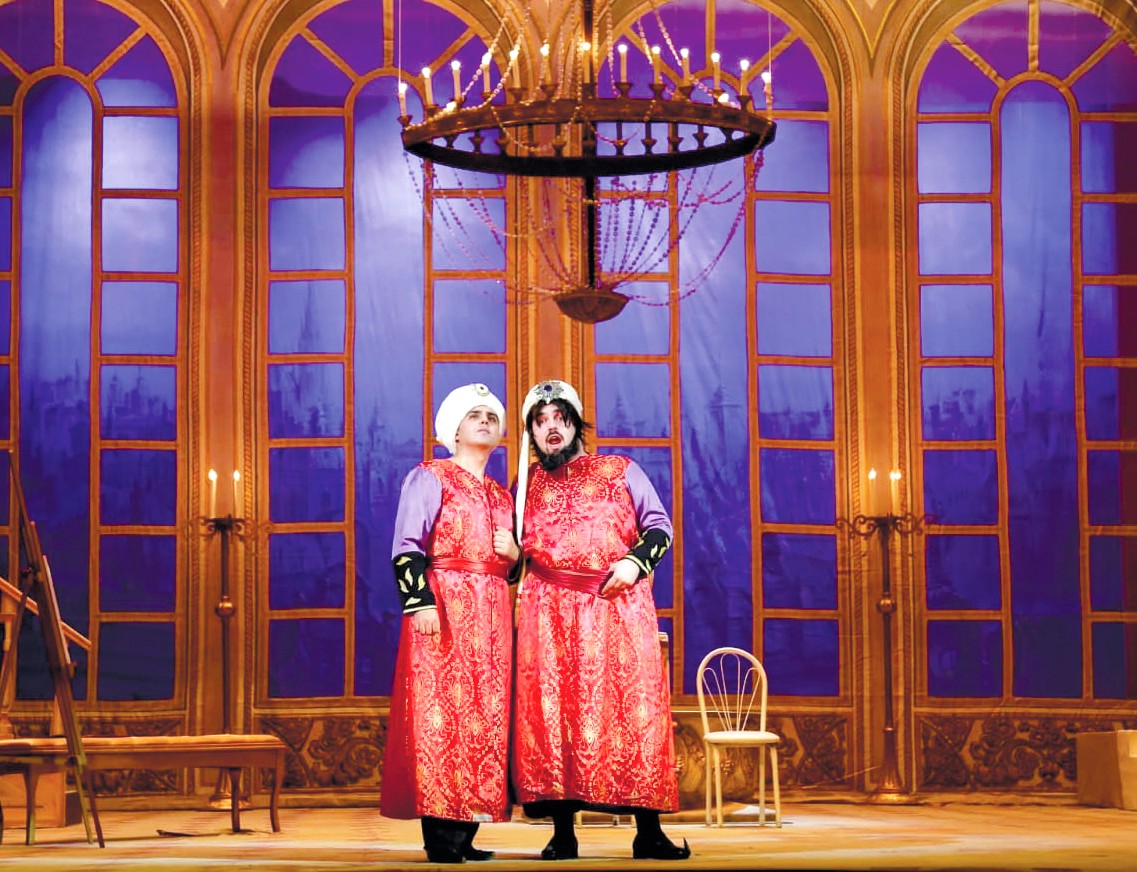
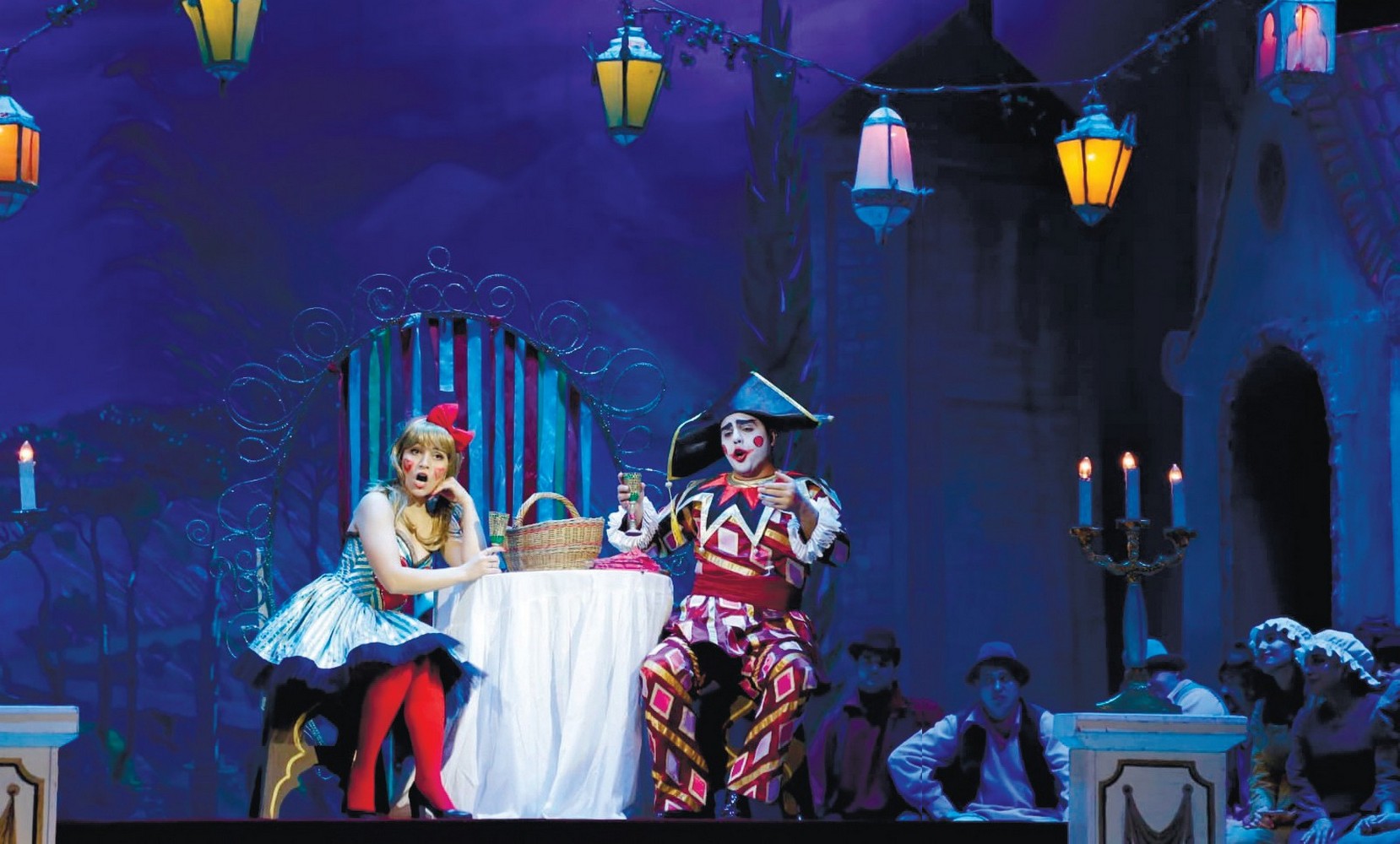
Author: Tatiana IVANAEVA
Enrico Caruso, listing the qualities required for vocal success, mentioned "a broad chest, a large throat, excellent memory, intelligence, a tremendous amount of work and... something in the heart." The young soloist of the Azerbaijani State Academic Opera and Ballet Theatre, Atesh Garayev (Gara), has already proven that when it comes to opera singers, the key phrase "a tremendous amount of work" applies perfectly. Especially when, after performing on the stage of the Bolshoi Theatre and enduring the trenches of Garabagh, he returned to the stage of his home theatre and opened new horizons in his life path. Today, Atesh, with his beautiful tenor voice and acquired experience responsible for that very "something in the heart," steps forward to conquer those new horizons...
"Tenor is a voice clearly tied to a specific character that may not always appeal to you personally..."
"I have no issues with any characters. I never judge them based on my personal perception of their actions as outlined in the plot. I think differently. I am a lyric-dramatic voice, or spinto. I have a stronger tenor voice with some metallic timbre, and when I am offered roles that do not suit it, I believe I have the right to question such decisions. Moreover, I am ready to prove my point in practice. Although my voice is somewhat close to ultra-lyric, it is not so light or agile. I avoid unsuitable parts so as not to harm my voice. I also do not push to include very heavy dramatic parts into my repertoire. At present, for example, I do not see myself as Canio in Leoncavallo’s Pagliacci. Nor would I agree to Otello... at least not yet... I firmly follow the rule of treating my body carefully—my voice being part of it—so that it serves me as long as possible along my acting path."
"Is there a sense of limitation when you have to sing parts of positive characters?"
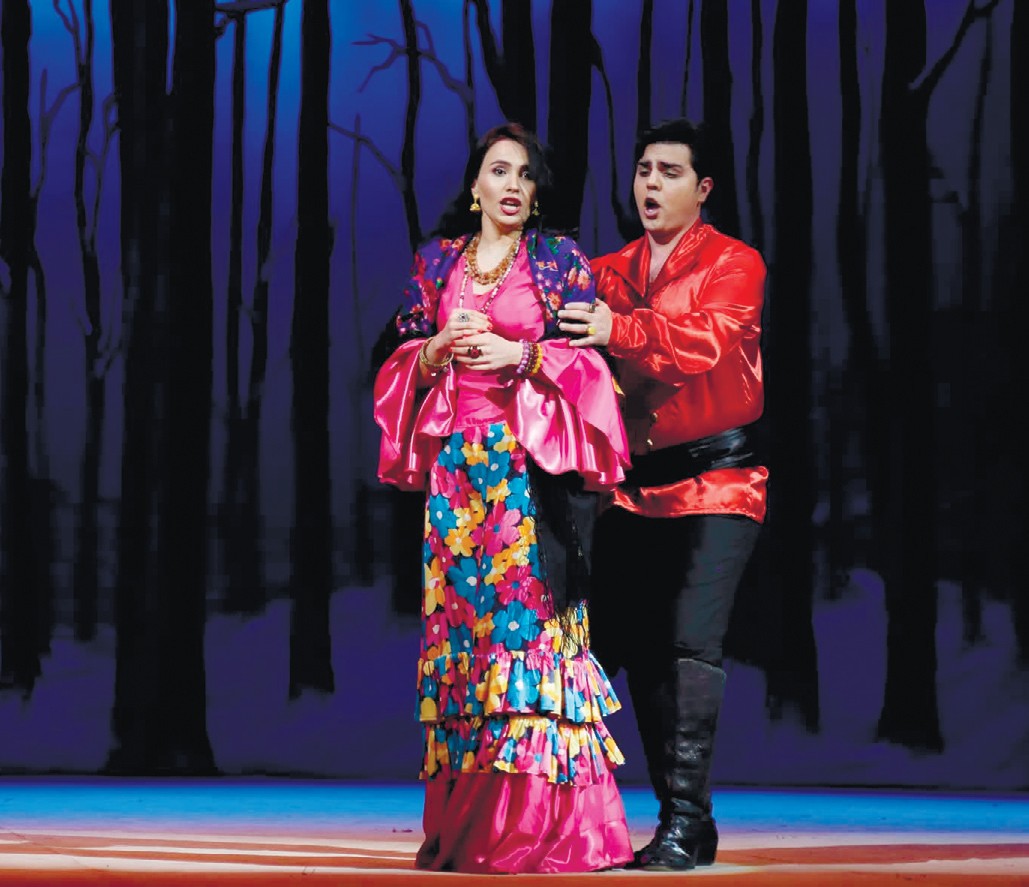
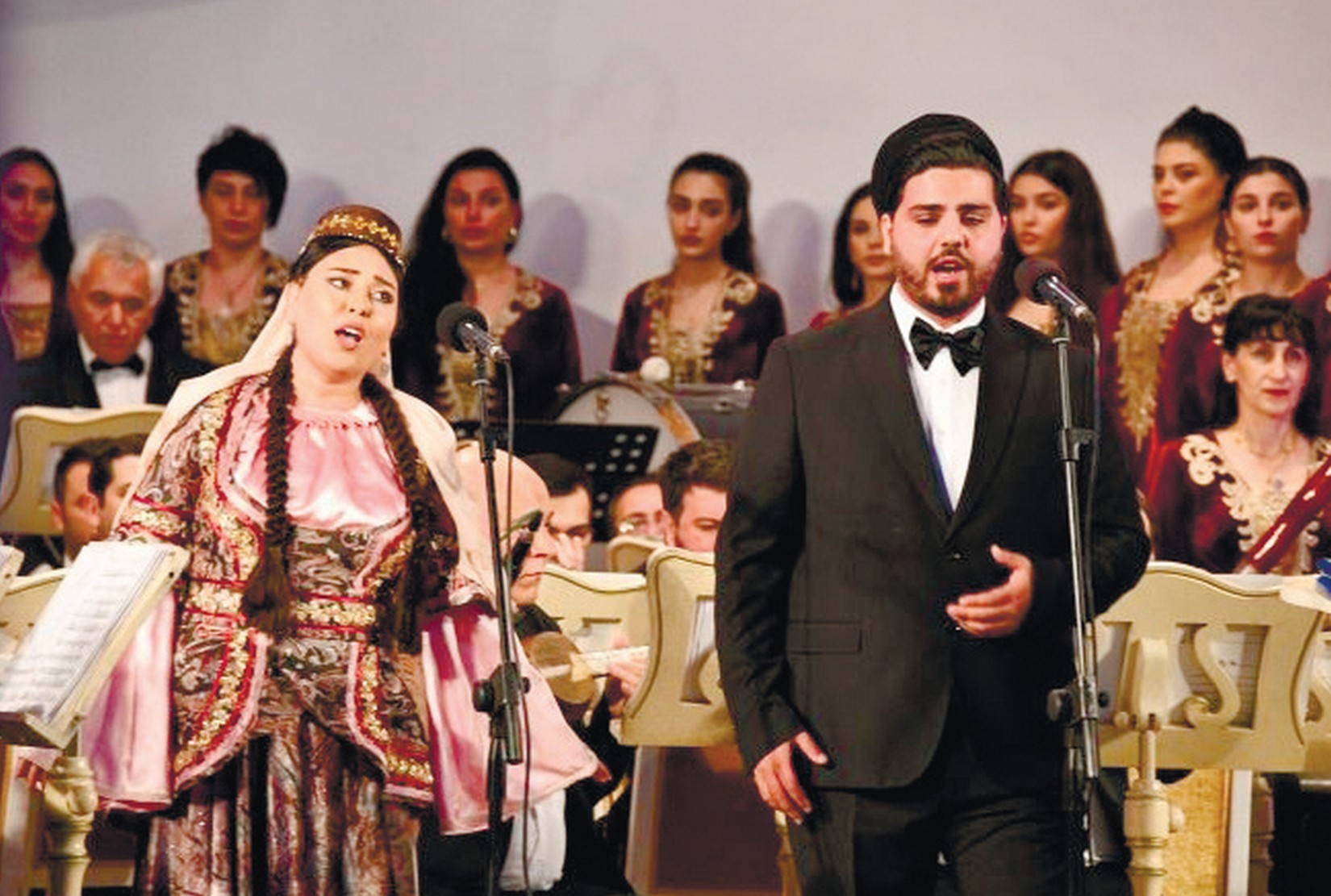
"That is not quite the right way to perceive tenor parts. Not all of them are purely 'fluffy heroes.' Often it is because of them that their stage lovers suffer. Even Balash from Fikret Amirov’s 'Sevil' is hard to classify as a villain. There is a story related to that role: when I appeared as Balash, my mother, who was in the audience, asked me after the performance never to play this role again because she said she hated me for it. I explained that Balash is not really a negative character; he is simply a confused man whose wealth clouded his judgment, leading him to make serious mistakes by turning away from his loving family—his wife and son. And with this awareness came great regret, but no matter how deep it is, what is done cannot be undone... These sincere emotions come through the music. I have no bias against roles 'with shades.' The main thing is that the musical material is beautiful. And it always is. There is no bad music—only poor performers who cannot deliver it."
"Opera requires constant contact with the conductor."
"All conductors demand soloists look toward the podium. It is great that we have those who know how to 'lead' vocalists properly. But based on my experience, an opera singer should know where and when to enter independently by following the music. Because, admit it, love scenes look unaesthetic when characters look at the conductor rather than each other. It is neither beautiful nor appropriate musically or dramatically... That is why I believe every opera singer must know their part perfectly so as not to be chained to the conductor and spoil the stage picture, thereby killing acting moments."
"And about partnerships..."
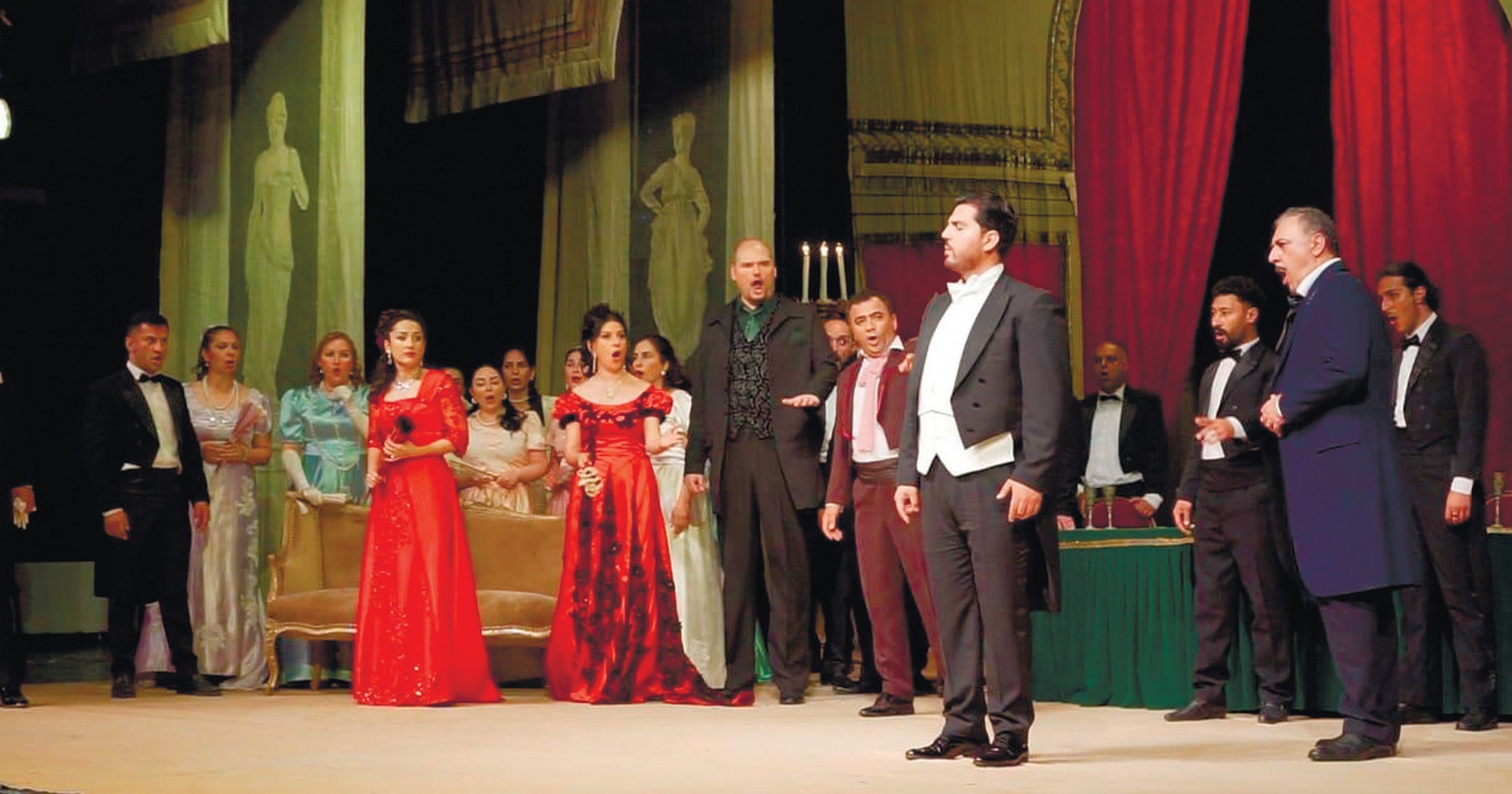
"Yes, in opera there is often a change of partners. In 'La Traviata,' for instance, I performed alongside People's Artist of Azerbaijan Avaz Abdulla and Taleh Yahyayev, with whom I also performed in 'Arshin Mal Alan.' Let me say this: there are soloists with whom you feel comfortable right from the first rehearsal. Sometimes it takes time for vocal-stage communication to develop—especially when adapting to a partner. Women tend to be more emotional, requiring a more delicate approach. As a man who understands these nuances, I try to create a comfortable atmosphere for my female partner. Obviously, it must be mutual. For example, working with Avaz Abdulla was very easy thanks to his impressive vocal and acting experience on world stages. I am incredibly grateful that during 'La Traviata' he gave me many acting tips. One scene with a letter was even changed at his suggestion, adding greater emotional depth. That was a brilliant masterclass in real-time application."
"Do you consider performances of other singers when preparing roles?"
"Of course; referring to recognized masters is essential. Fortunately, the Internet offers various versions of the same roles performed by soloists on stages worldwide—not to mention definitive ones. Sometimes I feel acting impulses pushing me to do more within a role and on stage; here 'peeking' at others' interpretations helps positively. Also, training one’s voice is our direct task which we want to accomplish under expert guidance. Thank God for Huseyn Aliyev who is 92 but still in great shape. I am very grateful to him and try not to trouble him too much now. He established all the technique I currently have in my vocal arsenal—the same which was praised by the brilliant teacher Svetlana Grigorievna Nesterenko during my internship at the Bolshoi Theatre. Incidentally, she advised me to pay special attention to rhythm because of my Caucasian temperament. Among greats I use Luciano Pavarotti as my vocal benchmark and turn whenever possible to Yusif Eyvazov. In terms of acting techniques, I 'observe' Roberto Alagna and Jonas Kaufmann—whose interpretation I studied extensively while preparing for Alfredo in 'La Traviata.' However, some aspects of Kaufmann’s stage approach did not suit my partner Inara Bakhayeva due to what she perceived as excessive roughness—which as a true professional man-artist I accepted without objections. Although when there are enough emotional scenes in a performance, this roughness can become more appealing for audiences who gradually become absorbed in what happens on stage."
"How important are singing and acting in an opera performance?"
"Until the early 2000s, priority was given to certain stage stillness to 'deliver correct sound,' but today opera production requirements have changed dramatically. Moreover, while earlier singers’ opinions were considered most important, now conductors’ and directors’ views have decisive weight. Even renowned world opera masters lament the lack of freedom on stage today. We are fortunate that our chief director Hafiz Guliyev is sufficiently democratic and does not fear giving artists considerable freedom on stage. So according to global trends, opera singers must develop acting skills alongside vocal ones. Let’s be honest: today’s audience expects an opera-film kind of performance that provides aesthetic satisfaction seasoned with quality singing."
"Even though parts are sung in the original language?"
"I admit this does not present any difficulty for me because during my internship with the Bolshoi Theatre Youth Company we studied foreign languages most frequently used in opera: we worked on conversational English as well as French, Italian, and German pronunciation—studying their orthography thoroughly too. This laid a strong foundation for singing in any of those languages. Among them Italian remains most comfortable for me although I also enjoy singing in French and German. By the way, German is unfairly considered harsh; it only sounds so in speech – during vocalisation and music there are many beautiful moments revealing its charm. Besides, I always strive to understand what I am singing about because this affects both singing itself and comprehension of all that happens on stage. It is enough to open the score and use a reliable translator to grasp the material fully. Understanding directly influences the emotional component of our art when a soloist maximises use of vocal and acting possibilities."
"In tenor roles there are inevitably declarations of love."
"Love on stage through song... I think I manage to convey it through the beauty of music itself. Composers indicate all necessary secrets through orchestral and vocal lines; melody serves as a 'road map.' The opera singer’s task is to understand the meaning of words deeply, pass them through their heart and present them 'like a delicious dish' to the audience. When playing a character you undergo transformation into them; through this sensation all feelings towards your beloved arise—towards the character rather than a person in real life. Even negative emotions must be sincere. Returning again to 'La Traviata,' one of my favourite scenes is when Alfredo throws money in Violetta’s face—such an intensity of passion! The music there is simply an outburst of emotion! This resonates with 'Sevil,' where scenes show tenors can portray more than lyricism and tenderness alone. Note also that despite negativity my hero eventually realises his mistakes... instructive, isn’t it? This opera in my repertoire is one of the most emotionally demanding on stage which can be quite risky for an artist’s health."
"Have you ever forgotten your words?"
"Certainly! Few can boast never forgetting words on stage; theatre is a place of trials after all. Once during a performance I experienced what could be called 'white sheet' syndrome: while singing part of my role suddenly I realised several lines ahead had completely escaped me. At such moments an internal process begins like 'remember quickly.' Music helps greatly here because an opera singer develops a kind of conditioned reflex where words come back muscle-wise; hence I turn to the score during pauses. Partners also play their part—sometimes they prompt me or vice versa—so it is crucial not only to know your own lines but also your partner’s words for quick reaction and rescue if needed. That’s why I insist on knowing music material perfectly especially at high tempo where forgetting phrases can cause mistimed entrances ruining the scene which is unacceptable; an opera should remain seamless for its audience."
"What do soloists and chorus say when they imitate conversations?"
"Yes, mass scenes imply actors talk among themselves expressing emotions within those interactions. It would be unoriginal to say much depends on music playing at those moments but even then focus must be held ready for tempo cues. Usually we admire music’s beauty though sometimes we joke among ourselves; funniest stage moments become theatrical anecdotes remembered long afterwards—for example humorous stories about Ali Askerov who passed away young are still told today. Audiences are curious about what we talk about silently during non-singing moments... So despite its often tragic appearance opera includes humour and fun too! If only audiences could attend rehearsals... that alone would be a separate show!"
"What do you find more interesting: rehearsals or performances?"
"Rehearsals because they allow some freedom—you can relax or joke around which makes them more engaging for us artists since performances demand strict focus on entertaining spectators without room for relaxation."
"But audience formats also vary..."
"Indeed my work isn’t limited only to opera venues where audiences tend to be somewhat prepared; for example I once performed during Fashion Week which was quite different altogether but honestly I try not to think about audience reactions while singing—even during performances—I tend not to notice them consciously though their presence confirms opera’s demand level for us artists; however seeking out faces or responses deliberately isn’t my style... Moreover focusing too much on audience can cause discomfort especially if you make a mistake in notes and spot someone reacting sharply which may lead to bigger errors later; so I developed habit of abstracting from beyond orchestra pit concentrating on playing, singing and communicating only with partners or being alone with the stage; audience opinions can be gauged afterwards by applause volume and facial expressions."
"Do you distinguish different types of applause?"
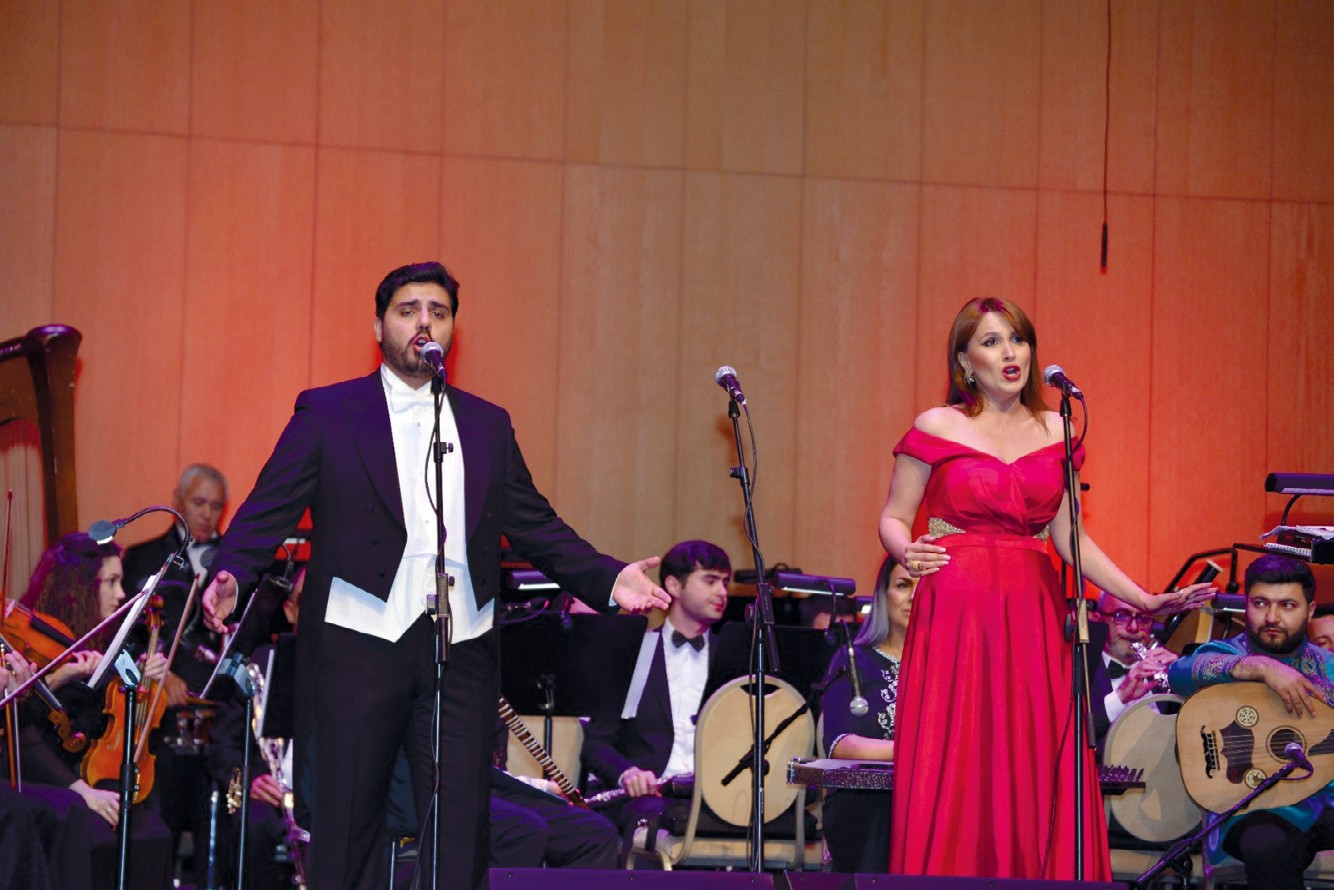
"Certainly! Our audience is always friendly trying not to hurt performers’ feelings; we can tell how well a performance went by applause intensity though sometimes what seems like good singing feels met with lukewarm reception which can be disappointing affecting future performance motivation or mood; positive reaction opens what feels like second or even third wind pushing you harder especially improving tenor high notes—I speak from personal experience. Audiences also differ by country: in Vienna when singing with Yusif Eyvazov audience reaction was noticeable immediately from their response to voice and performance—I was initially shocked by applause then understood after autograph requests how high their appreciation level was for an opera artist debuting on Austrian stage."
"What did you feel then?"
"I won’t hide—it was pleasant hearing words of gratitude praising my abilities including tonal quality and delivery when performing abroad; you realise you represent your country and feel proud doing so well enough. Thankfully I never experienced moments where that standard suffered even slightly despite many competitions and performances behind me: Kazakhstan, Saudi Arabia, Uzbekistan, Türkiye, Austria, Russia among others—all exclusively positive experiences yet respect for home stage remains profound too though fairness demands noting some singers differentiate between ‘here’ and ‘there’ performances; but how can vocal quality be high if you allow yourself slackening at home? It’s precisely there you must be among best; pleasing everyone constantly is impossible but Azerbaijani opera lovers have choices including preferences among tenors since our scene offers enough space for similar voice types; one just needs to work hard delivering quality ‘vocal content’ without resorting to elbowing others out of place—I am lucky here surrounded by wonderful talented colleagues ready to support proving professionalism at home then striving abroad to become among best singers so that once again they proudly represent Azerbaijan."
"The audience sees only opera’s glamorous side while singer’s hard work remains hidden..."
"The work of an opera singer is a separate ‘territory’ closed off from outsiders which may explain why ordinary viewers often underestimate how demanding singing really is thinking it not particularly difficult; yet voice requires daily practice while experience builds over years until ‘cords hold up.’ We are just people like those sitting in auditorium facing setbacks or health issues occasionally plus unpleasant creative moments occurring worldwide theatres too; nuances abound but despite difficulties singers seek best outcomes during rehearsals where music serves as conduit for beauty; we must focus on what we gain letting it fuel further professional growth—and it’s perhaps good our internal processes stay backstage because our task is delighting audiences who come to relax listen beautiful voices watch essentially fairy tales; artists must do everything so public believes the magic happening on stage making it interesting beyond orchestra pit since ultimately we derive pleasure from their response driving us toward perfection which although hard must leave our spectators satisfied eager to return again."
RECOMMEND:
 263
263

