

SKY-HIGH PRICES
The cost of land and property in Baku is on the rise, experts predict the trend will continue
Author: Ilaha MAMMADLI
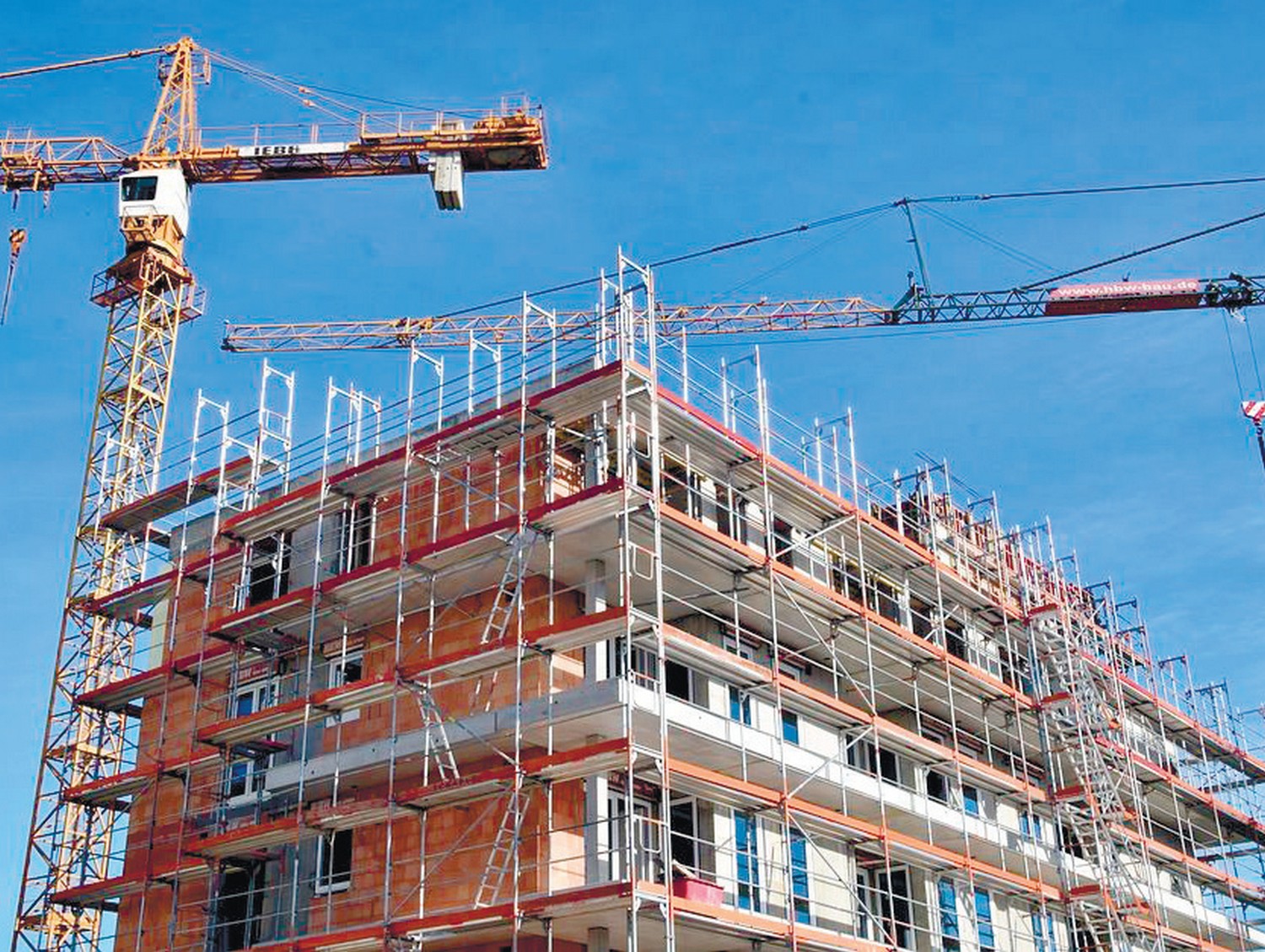
Azerbaijan's property market is currently experiencing a period of significant activity. The global inflation experienced in recent months has been caused by a number of factors, including the post-pandemic recovery, the conflict in Ukraine and rising commodity prices. These factors have had a significant impact on local markets. Despite its stable macroeconomic course, Azerbaijan was not immune to these trends. This was particularly evident in the construction sector, where the rise in the price of imported building materials has led to an increase in the cost of construction projects.
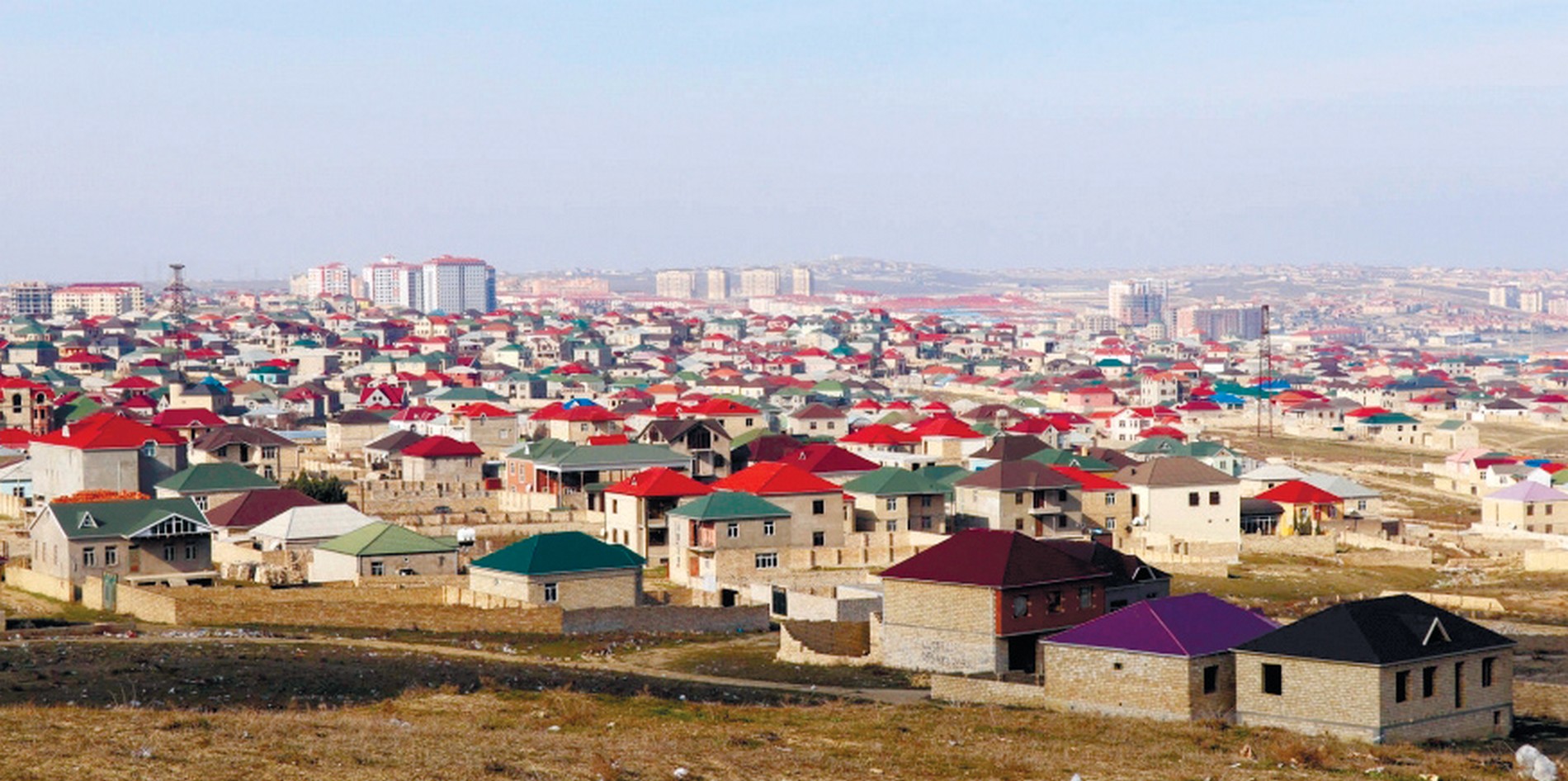
In this context, the Baku property market is demonstrating strong dynamics. According to the Society of Appraisers of Azerbaijan, average prices for flats in new buildings in Baku increased by 15.9% in June 2025 compared to the same period last year, and by 12.2% for secondary housing. Private residential buildings rose in price by 13.5%, non-residential objects by 12.5%, and land plots by an average of 15.4%, with some areas seeing increases of 25-28%.
Factors of price increase
The increase in property prices in Azerbaijan is the result of a combination of internal and external factors, both short-term and long-term.
Vugar Oruj, Head of the Society of Appraisers of Azerbaijan, identifies international economic challenges as a key factor, citing sanctions pressure, rising costs for logistics, raw materials and energy, particularly after 2022, as significant contributing elements. He asserts that these processes have had a direct impact on the increase in construction costs and increased the attractiveness of property as a "hard" asset for investment.
Oruj stated that the recent increase in the prices of metal, concrete, timber and other materials has led to a rise in construction costs, particularly in projects with a high import component.
Changes to internal regulations also had a significant impact on the market. Following the approval of the General Development Plan of Baku until 2040, restrictions were introduced on the issuance of new construction permits, city planning regulations were tightened and control over development activity was strengthened. This has led to a reduction in supply in the market, increasing pressure on prices.
Another key factor was the financial reforms. The transition to cashless settlements in property transactions and the introduction of VAT on primary sales increased the transparency of transactions, but at the same time increased the tax burden, which also affected prices.
Furthermore, the weakening purchasing power of the manat and the general increase in consumer prices have increased the population's interest in real estate as a means of preserving capital.
Demographic pressure remains an equally significant factor. The city's population growth and accelerated urbanisation, particularly in Baku and the Absheron Peninsula, have contributed to increased demand for both purchase and rental housing. An additional surge in demand was caused by the implementation of reconstruction programmes in the capital. These programmes provided for the demolition of obsolete housing.
Oruj has stated that mortgage programmes and the activities of the State Agency for Housing Construction, which are aimed at providing housing for socially vulnerable categories of citizens, have become a supporting factor.
However, given the limited supply, the market has experienced an increase in speculative demand. Consequently, real estate remains a reliable investment choice, and the presence of managed demand and elements of artificial excitement, as experts point out, also contributes to rising prices.
Oruj is confident that these trends will continue in the coming months.
Epicentre of price rise
The market for land plots merits particular attention. In the Sabail district, the price of one hectare of land increased to ₼422,780 (+28% year-on-year), and in the Yasamal and Nasimi districts to ₼202,588 (+25%) and ₼292,385 (+20% respectively).
Experts attribute this increase to the limited availability of land in the central zones of Baku, where there are virtually no vacant plots available for new construction. Furthermore, changes in the legal status of certain land territories have enabled their use for commercial and residential development, thereby increasing their market value.
Prices in other districts of the capital are also rising. In the Narimanov district, for instance, the cost of one hectare of land increased by 13 per cent (₼296,591). In the Khatai district, the increase was 12 per cent (₼232,965), and in the Nizami district, it was 18 per cent (₼63,842).
In the non-residential property market, average prices across most of Baku showed double-digit growth in June compared to the same period in 2024. The greatest increase in prices was noted in Narimanov district, where the price of 1 sq.m. of non-residential area rose by 20% to ₼5,525.
It is important to note that a comparable situation is also observed in other districts. Yasamal (+19%), Nasimi (+19%), Sabail (+16%), Nizami (+14%) and others.
In June, the highest price increase for private residential houses was recorded in the Sabail district, with an increase of 29% compared to the previous year (average price of 1 square metre: ₼3,002). When compared with May of this year, there has been an increase of 3.5 per cent.
The Sabail district is followed by the Nizami, Narimanov and Sabunchu districts. In the Nizami district, the price of private residential houses increased by 17 per cent, while in the Narimanov and Sabunchu districts, the increase was 16 per cent. When compared with May, the respective differences were 3.5%, 2.5% and 2.1%. When viewed in the context of annual price changes, the Nasimi district has seen a 14% increase, the Khazar district a 13% increase, and the Surakhani district a 12% increase. In comparison with May, prices increased by 2.8%, 5%, and 1.1%, respectively. The lowest prices were recorded in Khatai, Garadagh and Pirallahi districts, at 1.8, 0.8 and 5 per cent, respectively.
Current market trends in the real estate and land plot sector indicate a shift in investment priorities towards the city's central and developed districts. In light of the ongoing shortage of quality supply and the surge in construction activity, leading experts predict that high rates of price growth will persist at least until the end of 2025.
New wave of changes
The next stage of the legalisation process for unregistered houses, which began after the President of Azerbaijan signed the decree dated 16 July 2025, may also have a significant impact on the real estate market. It provides for the recognition of ownership rights on the basis of a number of papers that were previously not considered as title documents. These include certificates from local executive bodies, technical passports issued before 2021, orders on transfer of lands of former collective and state farms, and other relevant documentation.
Nigar Alimova, Head of the State Cadastre and Register of Immovable Property, estimates that approximately 100,000 houses will be eligible for official status.
The latest decree constitutes an amnesty, in that documents previously not recognised as documents of title are now accepted as grounds for registration. This paves the way for citizens to legalise real estate and involve such objects in economic turnover - from mortgages to taxation," she said.
According to the new regulations, extracts and technical passports issued before 1 January 2021, which include the boundaries of the land plot, are accepted as legally valid grounds for registering property ownership. Citizens will be able to register both the plot and the structure located on it simultaneously, without the need to "recognise" the object in the system beforehand, as was required previously.
The long-standing process of legalising houses without documentation is entering a new phase. The measures taken are designed to remove legal uncertainty and energise the market. According to current estimates, there are more than 500,000 properties without proper documentation in the country, and 100,000 of them now have the opportunity to obtain official extracts.
Oruj is convinced that transferring ownership of such properties to their rightful owners will have a beneficial effect on the country's economy. Registered houses can be used as collateral for loans, participate in mortgage programmes, and be subject to insurance and taxation. This will expand the market of valuation activities, strengthen the insurance sector and increase tax revenues," he emphasised.
Oruj has stated that a significant number of residential properties have been constructed on agricultural land without the requisite official permission. The owners of these properties are currently awaiting a change in the status of these territories. This is important for both the receipt of public services and the strengthening of state control.
The expert also drew attention to the impact of legalisation on market value: "Houses without documentation are less expensive. Following legalisation, there is potential for an increase in value, which could revitalise the market and attract new participants. Furthermore, the decree is of significance for the development of digital services. The introduction of a 15-day deadline for responding to citizens' appeals will reduce bureaucracy, improve the quality of services and strengthen digital governance. This contributes to the creation of a unified and transparent system of real estate records."
However, it should be noted that legalisation will not apply to all properties. Buildings erected in protection zones, on squatter plots or near strategically important facilities will not be covered by the decree.
Special attention is also paid to the issue of residential properties constructed on agricultural land in the Absheron peninsula. As N. Alimova noted, a significant part of such objects is located in Khirdalan and Hokmali settlement. In some cases, the owners have municipal documents, but legally these lands are still classified as agricultural land.
"Registration of property rights in areas with mass individual building in Absheron will only be possible once the land categories have been changed in accordance with the current legislation," she explained.
Concurrently, land plots previously transferred to citizens on the basis of orders on the distribution of collective and state farm lands can be registered.
"Such orders will be accepted as a basis for registration of ownership. In the presence of the relevant document, a citizen can apply to the cadastral authorities and initiate the registration procedure," said the head of the service.
It should be noted that citizens can already apply to ASAN Xidmət centres or directly to the State Service of Cadastre and Register of Immovable Property for registration of property rights.
The real estate market of Azerbaijan is entering a period of maturity. This will be characterised by a higher degree of structural organisation, investment depth and institutional stability. This transition will create new opportunities for market participants, which will require a higher level of management and strategic planning.
RECOMMEND:
 303
303

