

SANCTIONS ABROAD
The EU and US aim to slow Russia’s military machine with sanctions, expanding pressure to a global scale
Author: Samir VELIYEV
The eighteenth package of anti-Russian sanctions introduced by the European Union in July 2025 is, according to its authors, one of the most extensive and technologically detailed since the start of the conflict in Ukraine. Its main feature is the increased pressure not only directly on Russia but also on third countries and companies that facilitate evasion of previously imposed restrictions.
For the first time in the history of the EU’s sanctions policy against Russia, secondary sanctions have been introduced. These lists include legal entities and organisations from China, Türkiye, India, the UAE, Kazakhstan, Uzbekistan, and several other countries that the EU considers key players in supplying dual-use products, electronics, and components used by the Russian military complex.
Sanctions with specific features
Export restrictions on high-tech products have also been expanded, including semiconductors, specialised machinery, communication equipment, and software used in military and intelligence fields. The list of goods banned from import into Russia has been extended to include industrial chemicals, equipment for the oil and gas sector, and products related to nuclear energy. A ban has been imposed on exporting a range of IT services and cloud computing, as well as providing Russian companies with European software—especially in cybersecurity, telecommunications, and digital infrastructure sectors.
It is also significant that the EU has strengthened control over financial flows. New restrictions were imposed on Russian banks, including asset freezes and prohibitions on transactions with several major credit institutions. Cryptocurrency platforms and digital asset transactions came under particular scrutiny to prevent the use of cryptocurrencies for sanction evasion. The list of individuals subject to personal restrictions was also expanded: this includes Russian officials, members of military leadership, and businessmen linked to the military-industrial complex.
Overall, the 18th package represents an attempt to change the approach to sanctions policy itself: moving from targeted sanctions to a broader strategy that includes combating intermediaries and strengthening enforcement controls. This distinguishes it both legally and politically-economically and demonstrates the EU’s intention to extend the radius of sanction pressure beyond its own borders.
Sanctions or a “Boomerang”?
At the same time, despite the toughness and scale of the 18th package of anti-Russian sanctions, assessments of its effectiveness remain mixed. Sceptics point out that introducing new restrictions—especially on third countries—may be largely symbolic and unlikely to cause an immediate disruption in supplies to Russia. The mechanisms for circumventing sanctions have become flexible over more than two years of conflict: complex logistics chains through CIS countries, Türkiye, China, and other neutral states allow Moscow to continue importing critical products, particularly dual-use components. Many European officials and experts admit that identifying and blocking such channels requires time, resources, and political will—elements not always sufficiently available even within the EU.
Moreover, imposing secondary sanctions carries a risk of deteriorating relations with some EU partners, including Türkiye and Central Asian countries, which perceive Brussels’ pressure as interference in their internal affairs and sovereign economic policies. Some countries have openly expressed dissatisfaction, hinting they will seek alternative cooperation routes with Russia, especially in energy and trade sectors.
The 18th package has a dual impact on the EU’s own economy: on one hand, it seemingly strengthens strategic autonomy and stimulates development of domestic industries; on the other hand, it brings costs, instability, and internal disagreements.
In the short term, sanctions again complicate trade and investment with Russia, especially in energy, mechanical engineering, chemical industry, and high technology sectors. Some European companies previously closely cooperating with Russian partners lose important markets, raw material suppliers, and revenue. This is particularly acute for enterprises in Germany, Italy, Austria, Hungary, and Slovakia—countries historically having stronger economic ties with Russia.
The introduction of secondary sanctions affecting re-exporter countries may make it harder for European firms to operate in third-country markets such as Central Asia or Türkiye. This entails increased bureaucratic burdens, legal uncertainty, and geopolitical risks for European businesses—especially small and medium-sized enterprises.
Delayed effect
At the same time, sanctions combined with the energy split from Russia have triggered a large-scale restructuring of EU energy policy. The transition to renewable energy sources is accelerating; investments are growing in hydrogen, nuclear energy, and liquefied natural gas (LNG) infrastructure. Despite difficulties, Germany and France have reduced dependence on Russian gas through supplies from Norway, the US, Azerbaijan, and Qatar. This enhances Europe’s resilience—albeit at the cost of higher energy expenses for households and industry in the short term.
Inflationary pressures caused by rising energy prices, transport, and logistics peaked in 2022-2023 but began to ease by mid-2024. Nevertheless, European industry continues to face challenges—particularly in energy-intensive sectors such as metallurgy, glassmaking, and cement production. Rising electricity costs have hit Europe’s automotive industry hard.
It is also important that the political cost of sanctions is increasing within the EU. In some countries—especially in Eastern Europe—populist and Eurosceptic forces are gaining strength by criticising sanctions as a source of economic problems. Meanwhile, consensus remains in Brussels and major Western European capitals on the need to continue pressure on Russia despite these associated costs.
Regarding negative effects on Russia’s economy, expectations are low that measures from the 18th package will produce significant shifts in Russia’s economy. Despite shortages of some components, Russia’s military-industrial complex continues weapon production. Imports via third countries have increased—including electronics, machinery, and parts from China, UAE, and Türkiye. The Russian Central Bank has adapted to new financial conditions by maintaining relative rouble stability; businesses are increasingly reorienting towards Asian markets.
Still, over the long term a cumulative effect of sanctions is felt. Technological lag grows; access to modern Western solutions worsens; product quality declines—including in civilian sectors. Strengthened EU controls over transit chains could seriously complicate parallel import sustainability in future. Yet sceptics emphasise that without coordination with China and a tougher international stance, the EU’s sanctions policy is unlikely to fundamentally change Moscow’s behaviour or bring major economic shifts soon.
The US pushing harder...
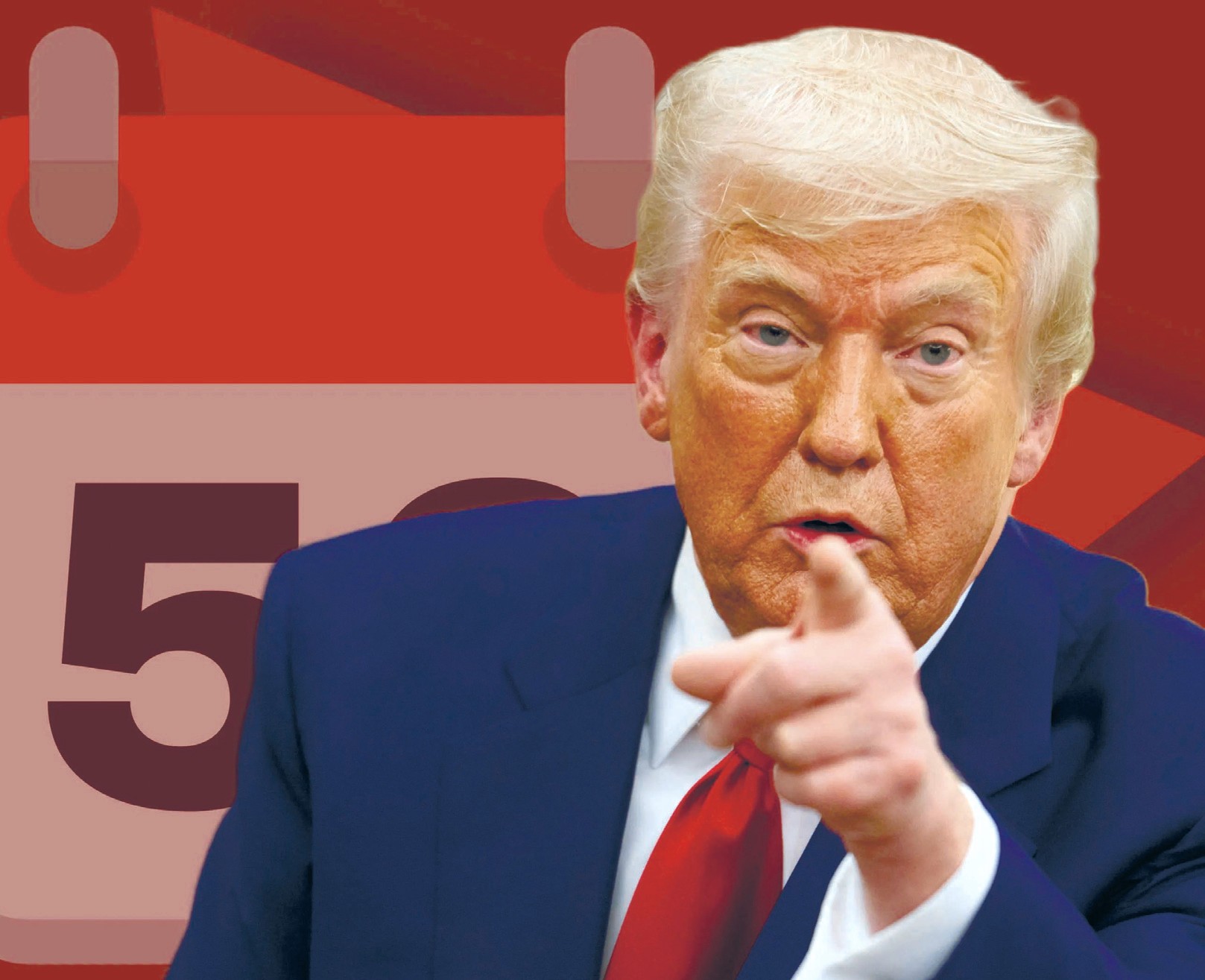
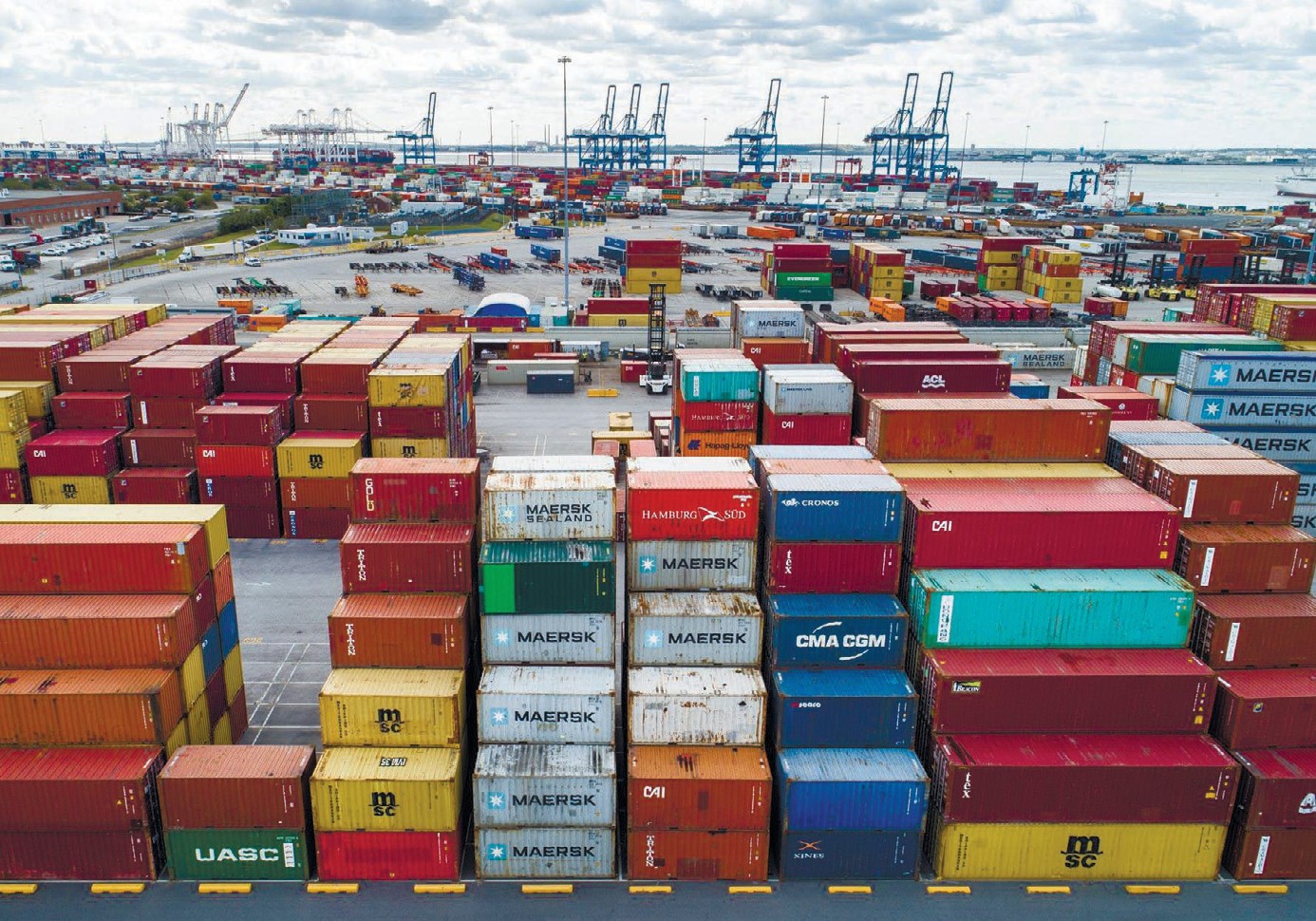
In addition to European efforts, the United States has intensified pressure on Russia by launching a new wave of sanctions aimed not only at limiting Russian revenues but also at deterring third countries cooperating with Moscow. A central element is former President Donald Trump’s initiative: he declared an ultimatum that if Russia does not end the war in Ukraine within 50 days, the US will impose 100-percent tariffs on imports from countries buying Russian oil. Thus sanctions acquire a secondary character—impacting not only the source of the problem but also its surroundings.
Meanwhile, Senate bill S.1241 (Sanctioning Russia Act) is under discussion proposing even tougher measures: tariffs up to 500% on energy resources; massive financial restrictions; bans on investment; enhanced oversight of “shadow fleets”—schemes circumventing sanctions in maritime oil trade.
Washington’s goal remains sharply limiting Russia’s export revenues—primarily from oil and gas—while preserving global energy balance. Yet markets so far respond cautiously: oil prices remain within a stable range; countries like India and Türkiye are reluctant to give up profitable Russian oil supplies.
Thus this new US sanctions wave symbolises not so much economic isolation of Russia as an attempt to build an international coalition of pressure. The effectiveness of this strategy will depend on other countries’ willingness to comply with US pressure and Russia’s ability to adapt to new conditions.
Sanctions plus war on schedule
As to the impact of the 18th package on the war in Ukraine, as with previous measures, it will be more delayed and indirect than immediate or decisive. Sanctions aimed at restricting Russia’s access to modern technologies, dual-use components, and military electronics theoretically should hamper production of precision weapons, drones, communication systems, and other equipment actively used at the front line. However, in practice these restrictions’ effects manifest with delay since Russia still retains opportunities to procure necessary components via third countries and shadow schemes. Moreover, Russia produces a range of complex technical components domestically for missiles, UAVs, and other equipment—reducing somewhat its import dependence.
In the short term, Russia’s military machine is unlikely to experience acute resource shortages. Weapon stocks, large-scale industrial mobilisation, and assistance from Iran, North Korea, and several other countries compensate for many restrictions. Nonetheless signs of degradation appear: increased use of outdated weapon models; reduced numbers of precision missiles; quality of some Russian drones lags behind Western counterparts.
If EU sanction mechanisms against evasion begin to function—such as real pressure on logistics hubs in Kazakhstan, UAE, and Türkiye—this may eventually slow equipment reproduction and reduce rotation rates at the front line. Particularly vulnerable remains production of complex electronics and optical systems that cannot be quickly replaced by domestic analogues.
However it must be acknowledged that no single sanction package—including the 18th—can by itself bring a sharp turning point in the war’s course. Victory or defeat depends primarily on military resources, logistics, morale, tactics, as well as levels of Western aid to Ukraine. Sanctions only create conditions under which Russia’s military and economic power over time may begin to weaken—if supported by real control measures and global coordination. Otherwise Russia will adapt to new circumstances albeit at growing costs. Prolonging war under these conditions imposes a heavy burden mainly on Ukraine which bears most associated costs.
RECOMMEND:
 281
281

