
WHAT'S IN YOUR NAME?
Offensive names in Azerbaijan: a social phenomenon, legal norms and the role of the state
Author: Sabira ALAKBAR
The issue of unconventional and incongruous names that parents choose for their children is a subject that is periodically discussed in the Azerbaijani media. Despite regular publications and explanations, the problem persists, indicating its entrenched nature. Indeed, in Azerbaijan, there are parents who opt for names that are considered unusual or not of Azerbaijani origin for their children. For example, names such as X or D, or those whose origin and purpose are unclear, such as Mansa and Jekad, should be avoided. Similarly, names that literally denote objects, such as Khiyar (cucumber), Arkhabala, or Ingilis.
The repeated emergence of this issue has been noted by Sayaly Sadygova, the deputy chair of the Terminology Commission, who has suggested that parents who choose such names as Razil (shameful), Künda (flatbread), Shikayat (complaint) and Türma (prison) for their children may be suffering from psychological disorders. It is challenging to comprehend why a parent would choose to bestow upon their child a name that could potentially humiliate them or hinder their future life prospects.
Research indicates that parents may lack familiarity with their child's native language or may simply wish for a unique name. This desire can result in the selection of unconventional names that do not align with Azerbaijani naming conventions. These names may represent objects or absurd combinations of words that are likely to be met with ridicule. Alternatively, names may have foreign origins, where they may be common in other regions but not suit the national context. Finally, names may lack any discernible meaning. It has been observed that some parents choose names for their children that they themselves do not fully comprehend.
Name or stigma
A name is not merely a word on a document. It has been shown to influence personality development, impact self-esteem, and play a role in how others perceive the child. A child who is labelled Shameful or Complaint is likely to face social exclusion, emotional distress and psychological trauma from a young age. This stigma can have a detrimental effect on an individual's life and progress at the early stages of their career. It is a valid question to consider whether it is appropriate to allow parents who are motivated by strange motives to cause such irreversible moral harm to their children. It is evident that the state must intervene in this matter.
If parents choose to humiliate their child during the naming stage, this may be indicative of an unhealthy family environment. In such cases, an assessment may be necessary to ensure the child's rights and future well-being are protected.
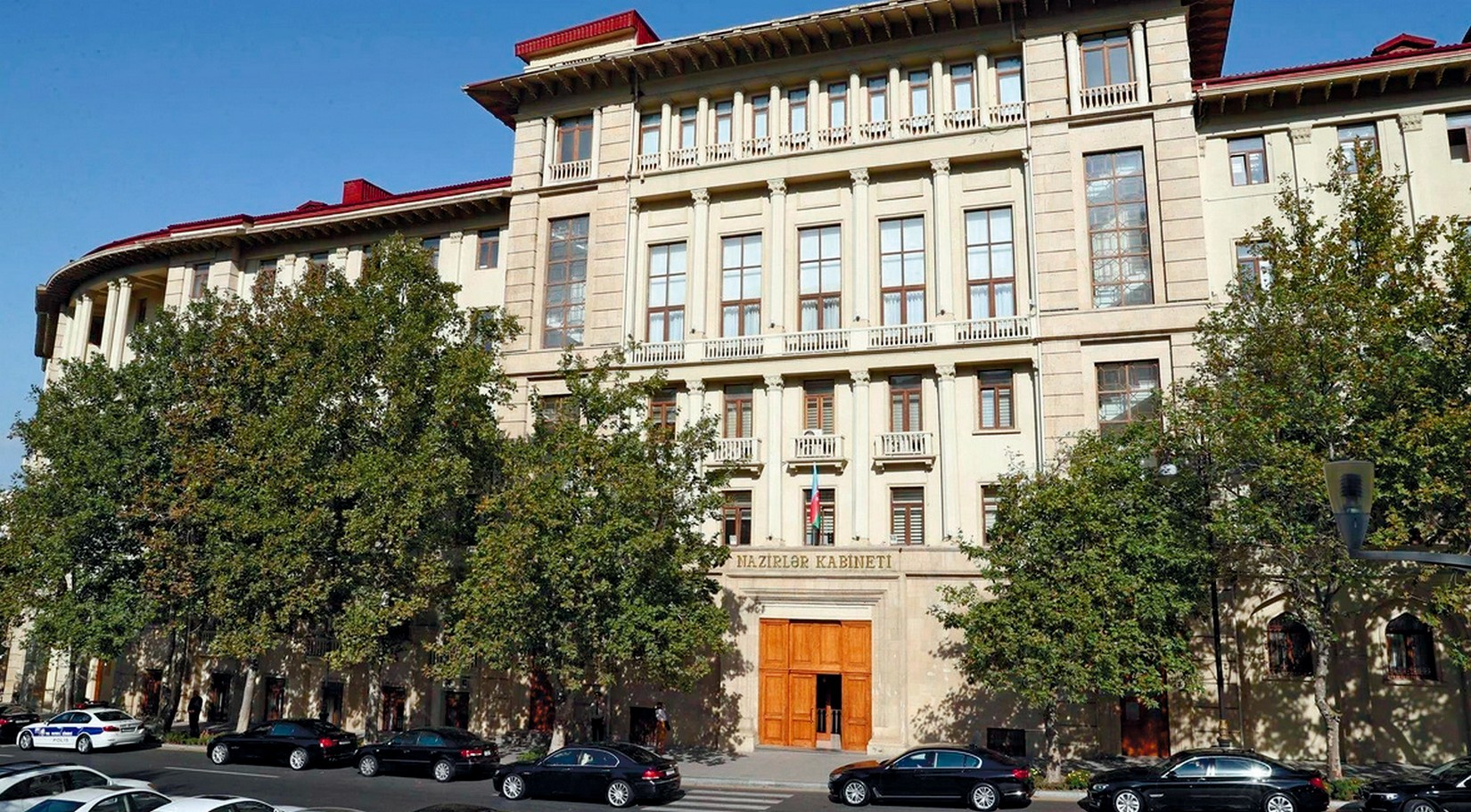
The Terminology Commission, which is part of the Cabinet of Ministers of Azerbaijan, plays an important role in preserving and protecting the Azerbaijani language as a whole. In terms of nomenclature, its function is to ensure the prevention of the utilisation of any names that may potentially cause harm to a child or result in the erosion of linguistic norms. In instances where parents attempt to register an inappropriate name, the commission provides a detailed explanation of the reasons for refusal, clearly outlining the potential issues involved. It suggests alternatives. It advises consulting name dictionaries to help choose a suitable option. In exceptional circumstances, it is legally permissible for it to refuse registration.
This practice is intended to maintain the cultural and linguistic identity of Azerbaijan, while also protecting children from potential social and psychological problems associated with unusual names. Such situations highlight the importance of effective communication between state bodies and society.
Do's and Don't's?
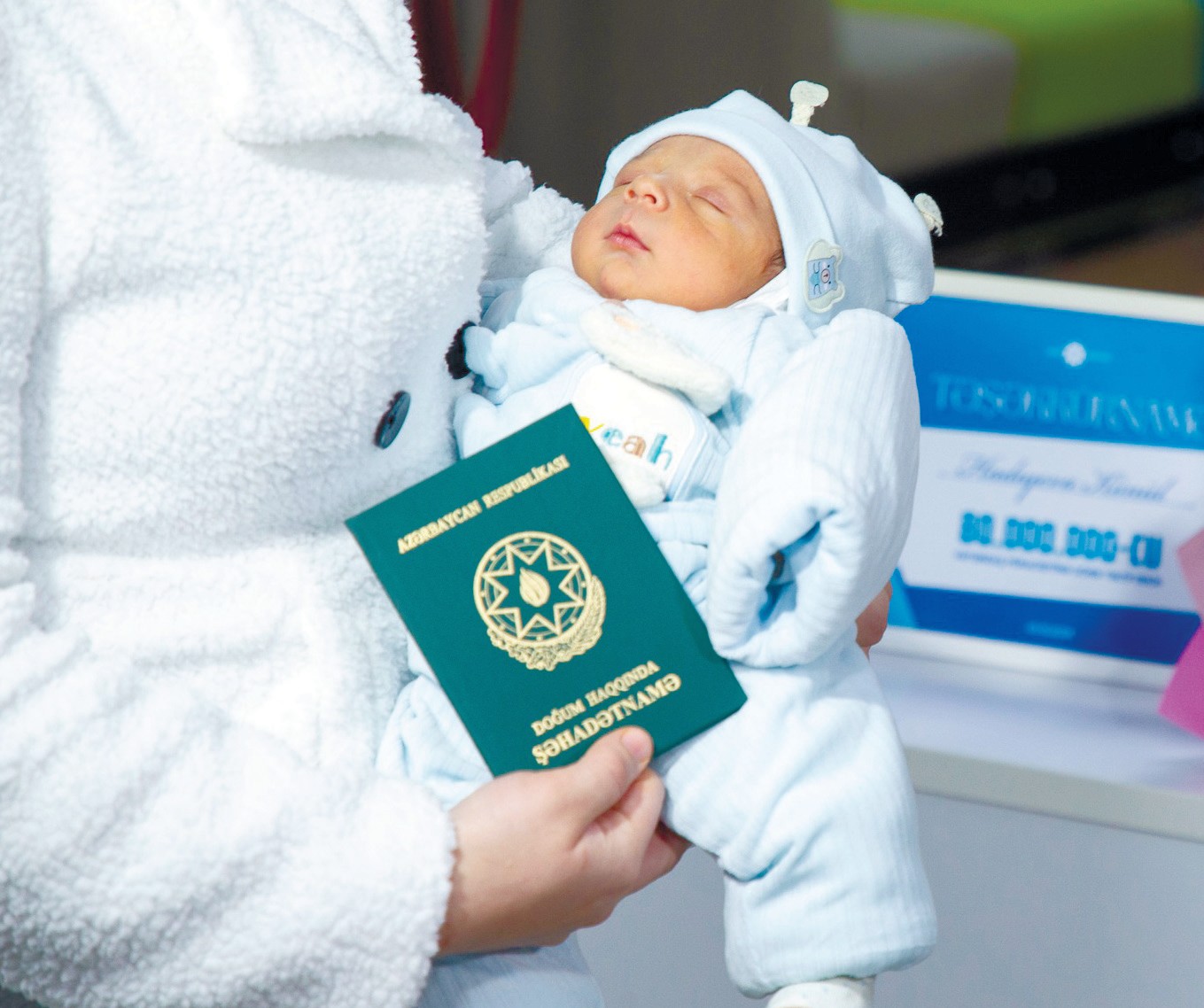
By law in Azerbaijan it is prohibited to give children offensive, sarcastic, gender-inappropriate or harmful-to-the-child names. Parents also cannot give a child several names — only one is permitted (except for complex compound forms like Mammadhasan or Aliakber). According to the Family Code, a name, surname or patronymic may be changed only upon reaching the age of 18.
The Terminology Commission has repeatedly forbidden the registration of names symbolising aggression (Hitler, Stalin), those that can provoke ridicule (Traktor, Kombayn, Limonad, Pishik, Ben Laden), as well as names that are too long (two- or three-word) or sonically incomplete (fewer than three sounds).
The traffic-light system
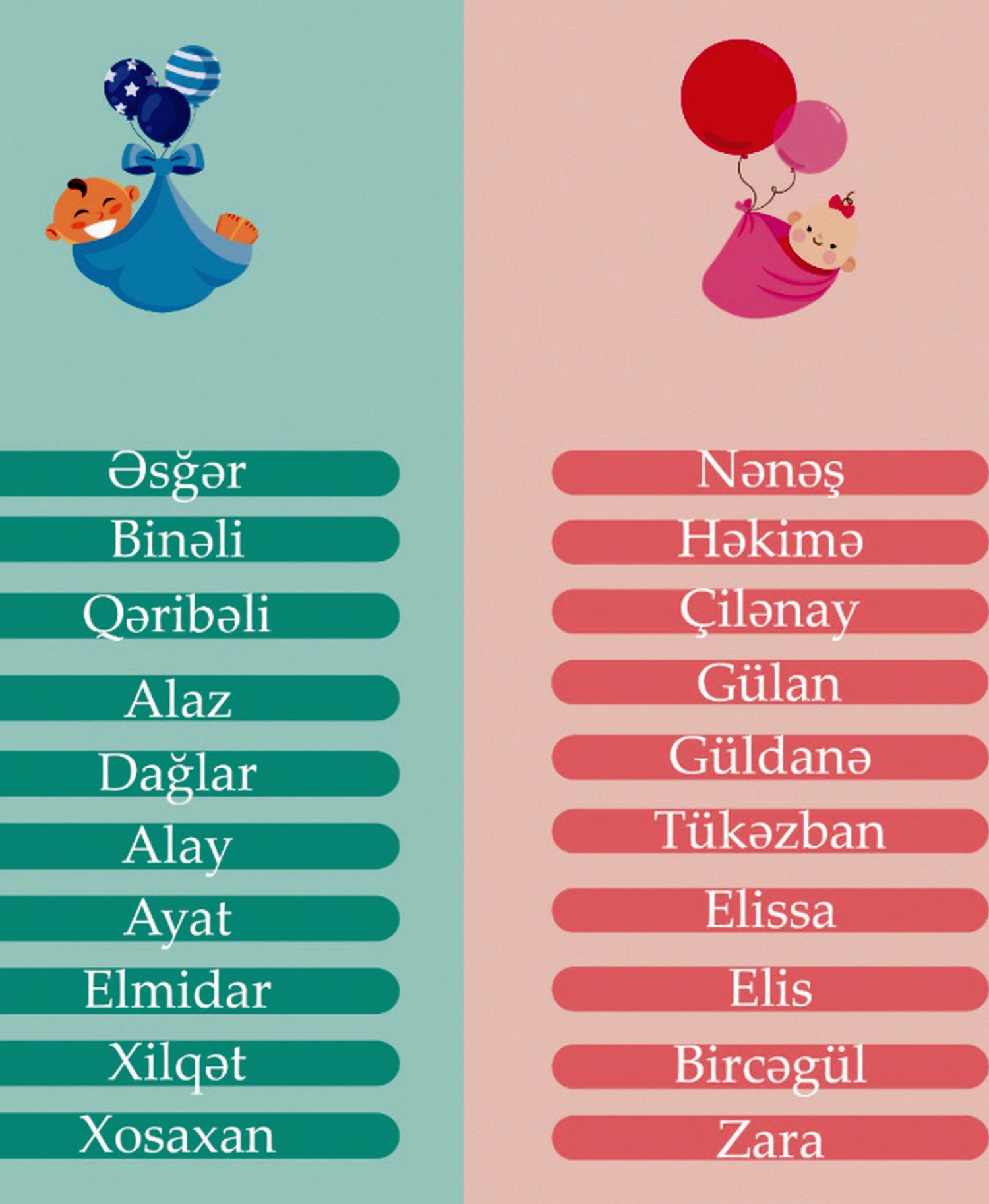
The Institute of Information Technology of ANAS has outlined a three-tiered system for the registration of names. Names on the green list correspond to national and cultural values. Names on the yellow list are considered inappropriate or likely to provoke ridicule. Names on the red list are strictly prohibited. For instance, the names of aggressors or offensive words. It is not uncommon for a name to be initially rejected but subsequently registered after an appeal to a court or confirmation of relatives bearing that name.
Law-enforcement officers and sociologists advocate for restrictions on negative names, citing the importance of safeguarding the interests of the child and their mental well-being.
Similar practices abroad
The issue of unusual names that have the potential to cause harm is not exclusive to Azerbaijan. Many countries, particularly in Europe and Asia, have strict laws and rules regulating the registration of names. In Germany, for instance, the authorities adopt a very strict approach to this matter. It is important to note that a name must indicate the child's sex and cannot be a surname, an object or a product name. In that particular context, names such as Matti (for a boy, since it sounds feminine), Lucifer and Adolf Hitler have been disqualified on obvious grounds.
In Sweden, the registration of a name requires the approval of the Swedish Tax Agency from both parents. One of the most notable cases involved parents who chose to name their son Brfxxccxxmnpcccclllmmnprxvclmnckssqlbb11116 (pronounced Albin) as a form of protest against strict regulations. Unfortunately, the registration was not successful. It should be noted that names such as IKEA and Metallica have also been rejected. These are just a few examples that can be cited.
It is evident that the motivation of authorities in different countries is consistent — to protect the rights and interests of children. Despite cultural differences, the goal remains consistent: to prevent a name from causing suffering and complexes, and to uphold linguistic and cultural norms.
Why this matters
A name is a person's most important identifier, the first aspect of their personal presentation. Attempts to name a child Khiyar, Arkhabala, Bombahadur and other similarly unusual variants are not merely eccentric, but a worrying signal that requires the attention of society and the state. It is important to consider the possibility that each such case may involve irresponsibility, psychological instability or even a potential threat to the child. It is evident that such families should be subject to monitoring by social services. This is to ensure that children are not subjected to the consequences of their parents' unconventional fantasies and are not burdened with an offensive name throughout their lives.
A name can have a significant impact on an individual's psychological well-being and sense of self-worth. Therefore, it is vital that the list of prohibited names is clear and easily understood by all parties. The appeals procedure must be transparent and accessible to all. If parents consciously place a child in a vulnerable position through the choice of name, social services involvement should be considered — it is in the child's best interests.
At the same time, it is necessary to ensure balance — protection of children, observance of linguistic norms and respect for diversity.
RECOMMEND:
 254
254