

THE AZERBAIJANI SOUL OF AN AMERICAN
Jeffrey WERBOCK: "Mugham's universal message is about Azerbaijan being a unique place with its own cultural heritage."
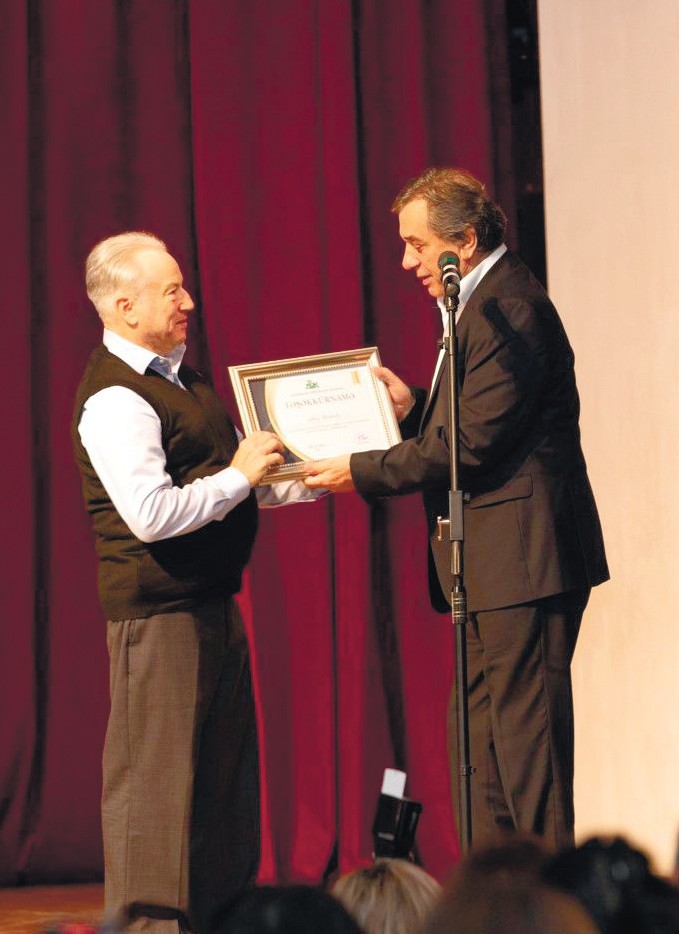
Author: Sabira ALAKBAR
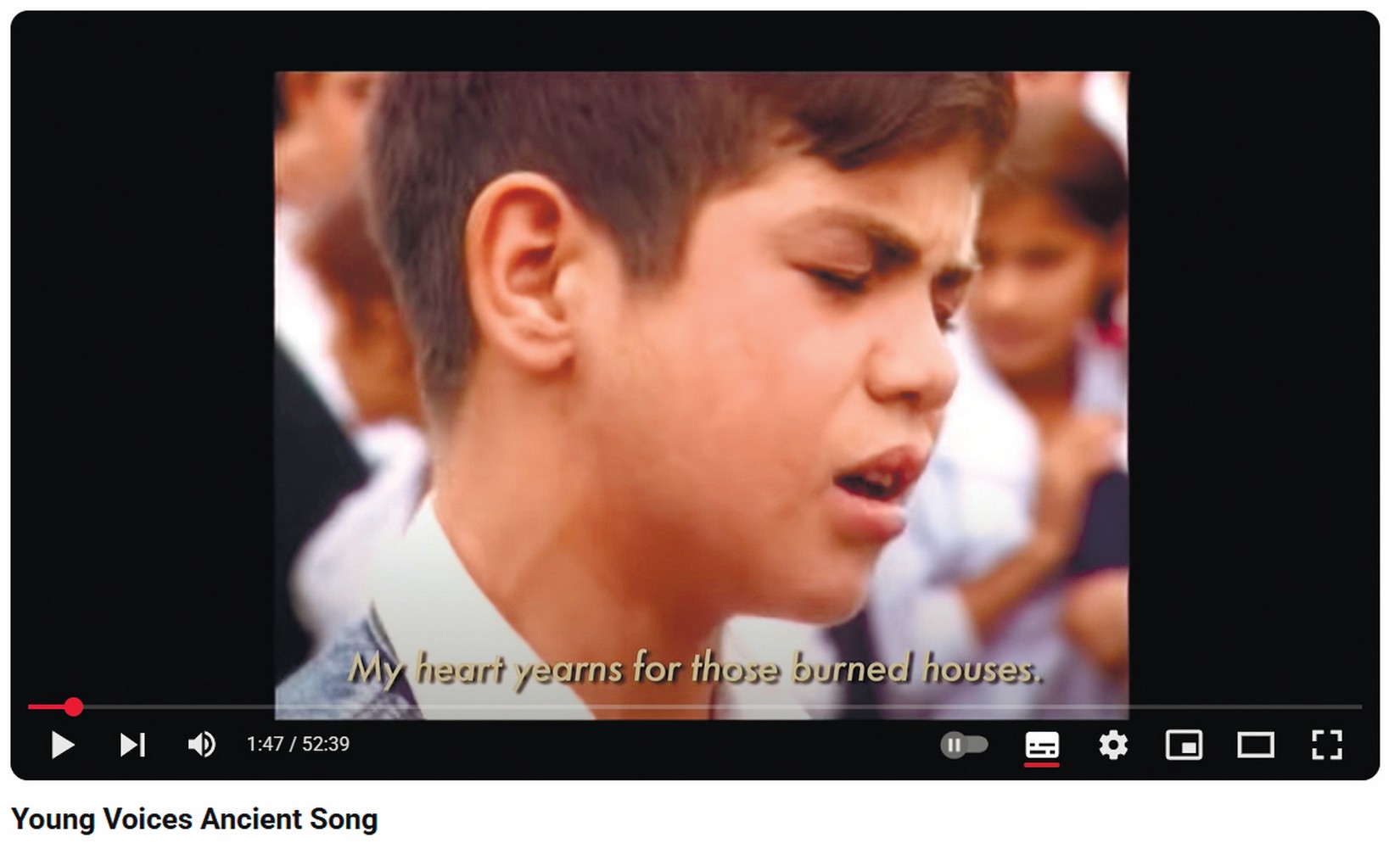
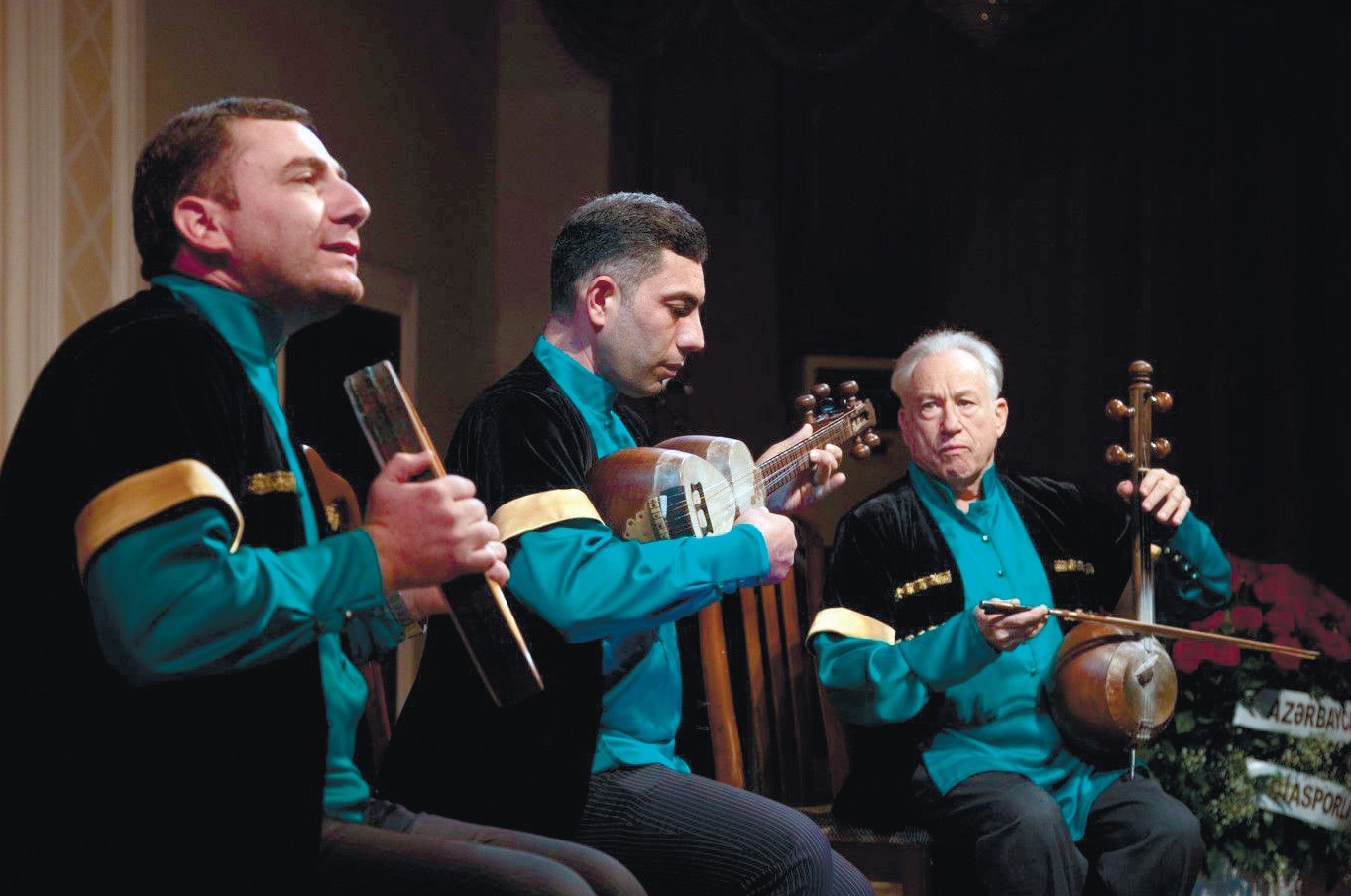
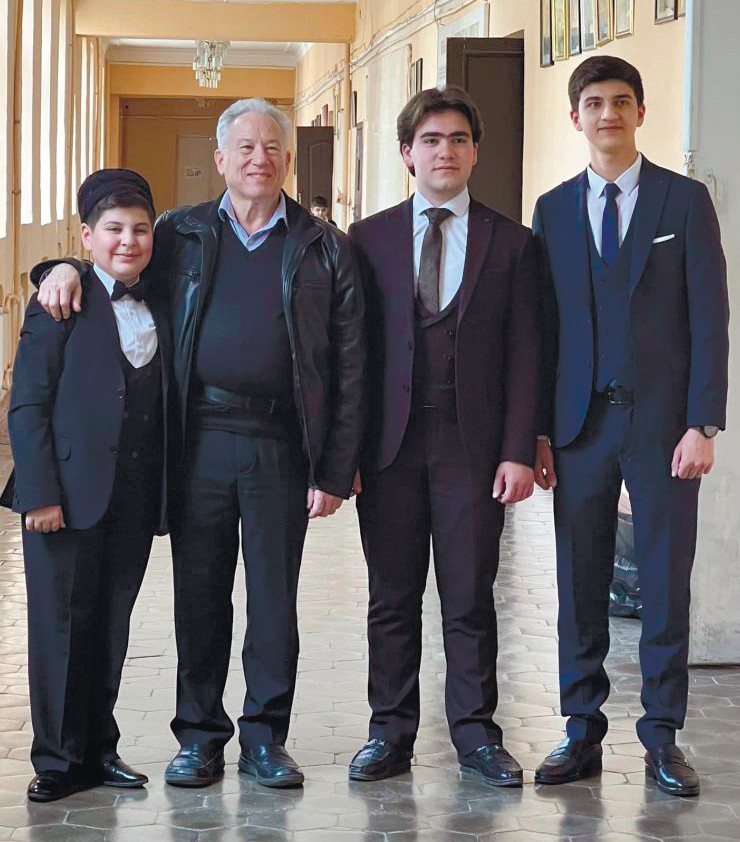
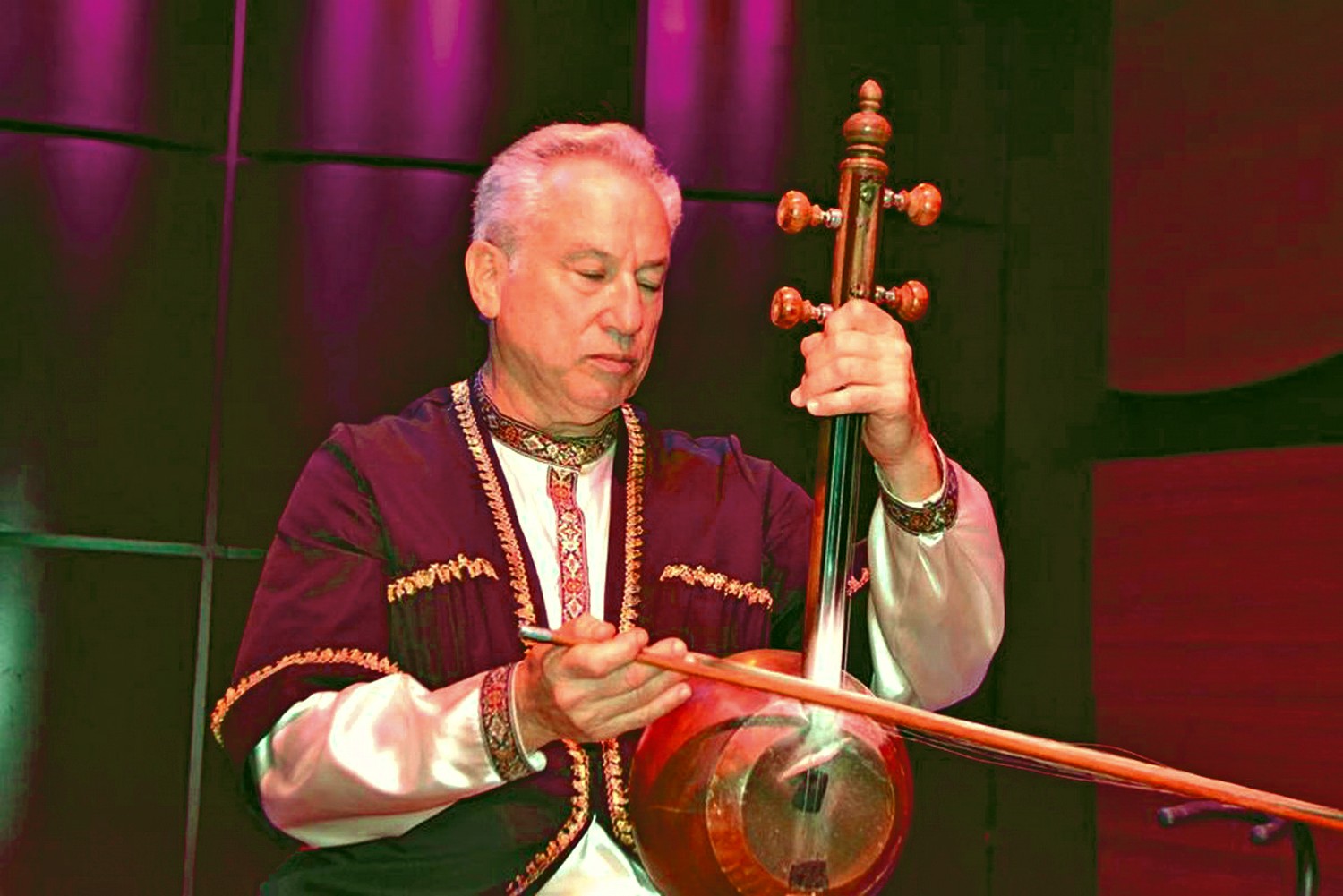
The name Jeffrey Werbock is familiar to anyone interested in the art of mugham. Born in Philadelphia, this American musician has spent decades studying and promoting Azerbaijan’s musical heritage. He chairs the American Mugham Society and plays tar, kamancha, oud and gaval. He also appears as a vocal accompanist, ensemble member and soloist. He founded and leads the Mugham Society of America, which organises lectures, concerts and events to promote mugham in the West. He regularly gives lecture‑concerts worldwide and calls mugham "the musical prayer of humanity." He explains mugham’s structure, its syntax, microtonality and improvisational features. He worked on the documentaries Children Sing Mugham and Young Voices, Ancient Song, presenting them in many countries. He has visited refugee camps to find young mugham performers and show how children in Azerbaijan master this complex form. His films portray the joys and sorrows of the Azerbaijani soul as expressed through mugham performance.
He has travelled and performed across the United States, Europe, Azerbaijan and Israel as performer, teacher and lecturer. His journey is a rare example of how someone from another culture can fall deeply in love with Azerbaijani art and become its genuine ambassador.
We spoke with Jeffrey Werbock about mugham’s spiritual dimension and its patriotic significance for Azerbaijan.
"Jeffrey, how did it begin? How did you first encounter mugham, and what made you dedicate your life to this music?"
"I grew up in a musical family: my mother played piano and my father sang baritone in clubs to help the family through the Great Depression. We had records of Spanish flamenco virtuosos that I loved. At ten I taught myself basic flamenco chords and melodies on guitar and learned the chord progressions of 1960s popular music. By fifteen I was composing my own songs. At nineteen I moved from Philadelphia to Los Angeles to meet like‑minded musicians and build an audience. There I met an elderly man from Daghestan who played the Azerbaijani kamancha. Though his renditions of Caucasian traditions were simple, his sense of rhythm and the emotional power of his mughams stunned me. When I heard him play—probably a simplified Shur—it felt like all my musical experience had led to that moment. I began training in January 1973. The kamancha was a real challenge since I had never played a bowed string instrument, but I immediately knew it was my instrument. Years later I took up the Azerbaijani tar. With my first teacher, Zevulun Avshalomov, and several drummers who learned the gaval, we formed a traditional trio and began performing concerts."
"Mugham is called a treasure of Azerbaijan’s intangible heritage. Coming from another culture, what was your first revelation?"
"At first mugham felt 'foreign' to me as an American, but very quickly I felt 'at home.' The kamancha did not seem strange; oddly, the violin started to feel foreign. It was like a musical revolution inside me. I still cannot fully describe the emotions I feel when I see traditional Azerbaijani instruments—the sight alone answers some deep feeling I can’t name. My attraction wasn’t tied to nationality or patriotism. My grandfather didn’t listen to mugham, so my relationship to it differs from that of Azerbaijanis, for whom mugham is homeland music. Some Azerbaijanis associate mugham with sadness—understandable given its minor modes and plaintive timbre—but for me it brings joy, inspiration and pleasure."
"Is there a mugham or melody you return to in hard times for strength?"
"All mughams are great in their own ways. I learned early that, unlike some Eastern musical traditions, you can’t just tweak a few notes and call it a different mugham. Each has its own character, personality, mood and melodic structure that can’t be transferred by minor changes. Still, I play some mughams more often. Some are more fixed and composed; others invite improvisation. I enjoy finding fresh ways to express a mugham’s core feeling, so I tend to play those more—and because I practise them more, they feature often in performances."
"How do you explain to Western audiences that mugham’s spiritual depth can’t be fully described in words?"
"Most of my work introducing mugham happens in universities, conservatoires, music schools and museums. I explain mugham’s structure and demonstrate its elements so first‑time listeners are prepared to appreciate this unusual genre. I want students who attend my sessions to have an unforgettable experience. The best way to awaken attentive listening is to help them consciously register what they feel when they hear the specific sequences of tones and textures typical of Azerbaijani mugham. When they hear it, they grasp the art form and recognise the genius of mugham as a musical genre."
"You’re American, but your heart is in Azerbaijan. What strength or uniqueness in the Azerbaijani people gave rise to mugham?"
"I’m no socio‑psychology expert, but I’ll say this: many peoples in the region weave carpets, and many are beautiful, but Azerbaijani carpets give me a kind of exhilaration—an imaginative charge. I often wonder who these people are who create such complex geometric patterns that rival, and sometimes surpass, abstract art. Look at Azerbaijani cuisine too—the delicacy of baklava and the rich culinary creativity suggest a people with endless inventiveness. That creative ingenuity shows in visual arts and food, and it has been applied to music, producing mugham—an aesthetic achievement of the highest order."
"When you perform mugham abroad, do you feel like an ambassador for Azerbaijan?"
"Since most of my work presenting mugham happens outside Azerbaijan, I don’t hide my love for the country, its people and culture. That openness helps audiences receive the music and enhances their experience."
"What does mugham tell the world about Azerbaijan and its soul?"
"Mugham tells the world that Azerbaijan is a singular place with its own cultural heritage. Of course, mugham relates to neighbouring musical traditions, but anyone who listens closely to those related genres will likely agree: Azerbaijani mugham is unique and stands out."
"Why did this art form arise in Azerbaijan rather than elsewhere?"
"That’s a complex question requiring history and socio‑psychological analysis—enough for a whole book. Briefly: look at a map. Azerbaijan sits at a crossroads of cultures—North Caucasus and Iran on one side, Türkiye and Turkmenistan on another, with Russia, Central Asia, Afghanistan, Pakistan and India nearby. This location made Azerbaijani music a synthesis of many traditions, producing sounds that seem exotic and mesmerising to Western ears. The ashug tradition deserves special mention: though "ashug" appears in Türkiye, the Azerbaijani ashug is different—singing with a powerful yodelling technique that can carry across passes and valleys. Likely once a means of mountain communication, it evolved into an art form charged with energy and emotion. That ashug element helped shape the Azerbaijani version of what we now call mugham, making it distinctive in the region."
"What would you say to young Azerbaijanis discovering mugham today? Why preserve it?"
"I’ve often heard young Azerbaijanis say they began to appreciate mugham because an outsider, an American, drew their attention to it. When I first studied mugham with Zevulun Avshalomov—recognised as a leading expert—I feared it was a fading tradition. When I first visited Azerbaijan back in 1989, mugham was losing popularity and often seen as the music of the past. But thanks to Azerbaijan’s leadership, mugham is flourishing perhaps more than ever. An International Mugham Centre has been built on Baku’s boulevard, a National Music Conservatory established, and mugham competitions are broadcast on television. The Heydar Aliyev Foundation have supported cultural events has promoted mugham both in Azerbaijan and worldwide, while the State Committee for Diaspora Affairs has done a great job to protect intangible heritage at home and abroad. I am deeply grateful to both these organisations. They set an example for other countries with traditional arts. My message to young people: be proud that you are Azerbaijani."
"Is mugham the musical heart of Azerbaijan, part of its national identity?"
"Absolutely. Mugham is integral to Azerbaijani culture and identity. Now that Shusha—the birthplace of mugham—has been liberated (I made a documentary about it that will be posted on YouTube), mugham can be heard there again every day. May Shusha once more serve as the cultural capital of Azerbaijan’s great musical tradition."
"If you could describe Azerbaijan’s soul through music in single phrase, what would it be?"
"Music holds a special place in people’s hearts, and few places match Azerbaijan’s variety of musical traditions. Not every country welcomes music at the state level as Azerbaijan does. The country shows how to promote all musical genres while holding mugham as the pinnacle of its musical culture."
RECOMMEND:
 279
279

