

GOOD OL' RECIPES STILL WORK
The Venezuelan Crisis: a focal point of ideological and geopolitical interests
Author: Samir VELIYEV
Venezuelan President Nicolás Maduro has ordered the reinforcement of the country's borders with Colombia, as well as its Atlantic and Caribbean coastlines, dispatching 25,000 military personnel. He stated the objective of this mobilisation was the "protection of national sovereignty and the country's security". This move, unprecedented in the nation's modern history, came as a number of Caracas's neighbours began to openly align with the US position of exerting pressure on Venezuela and its president.
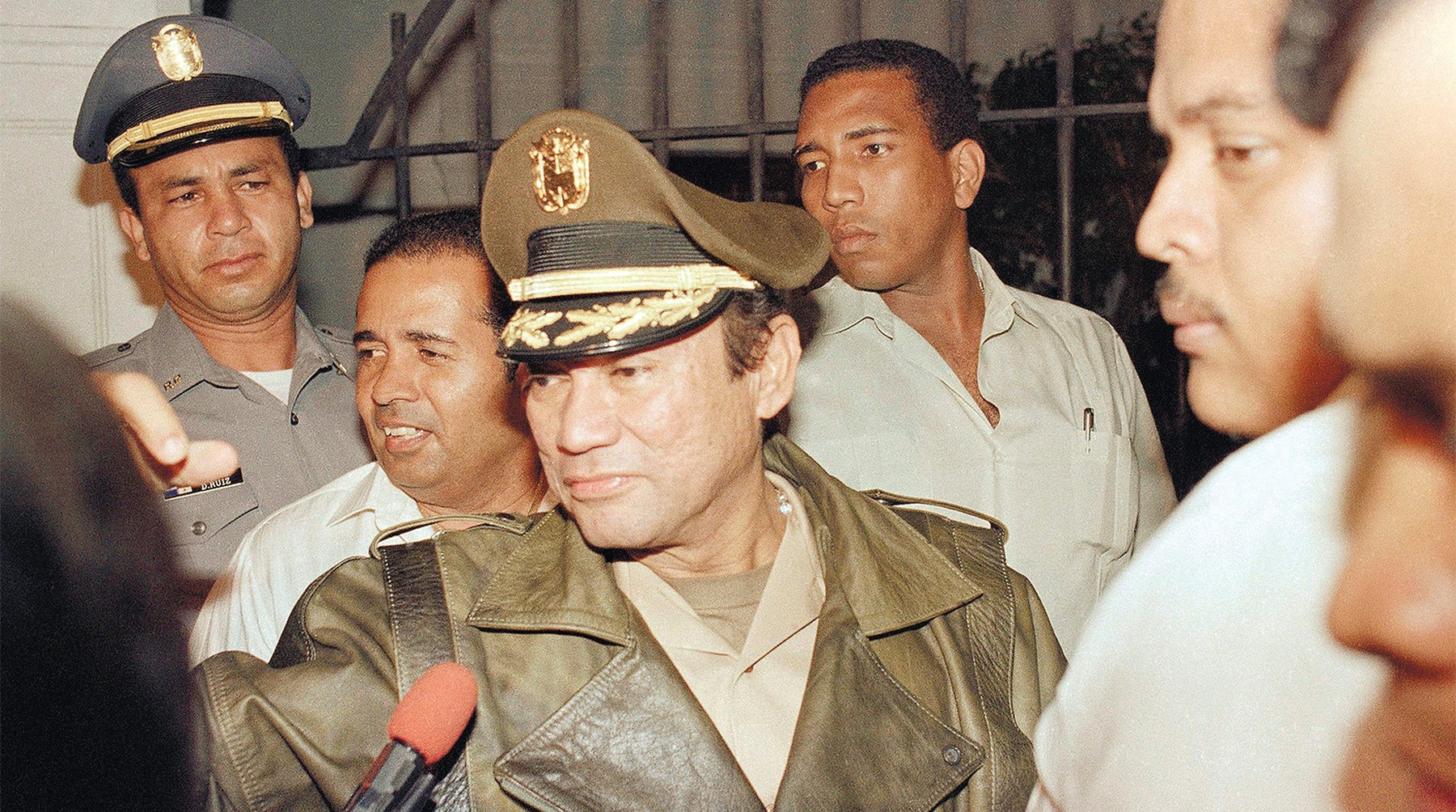
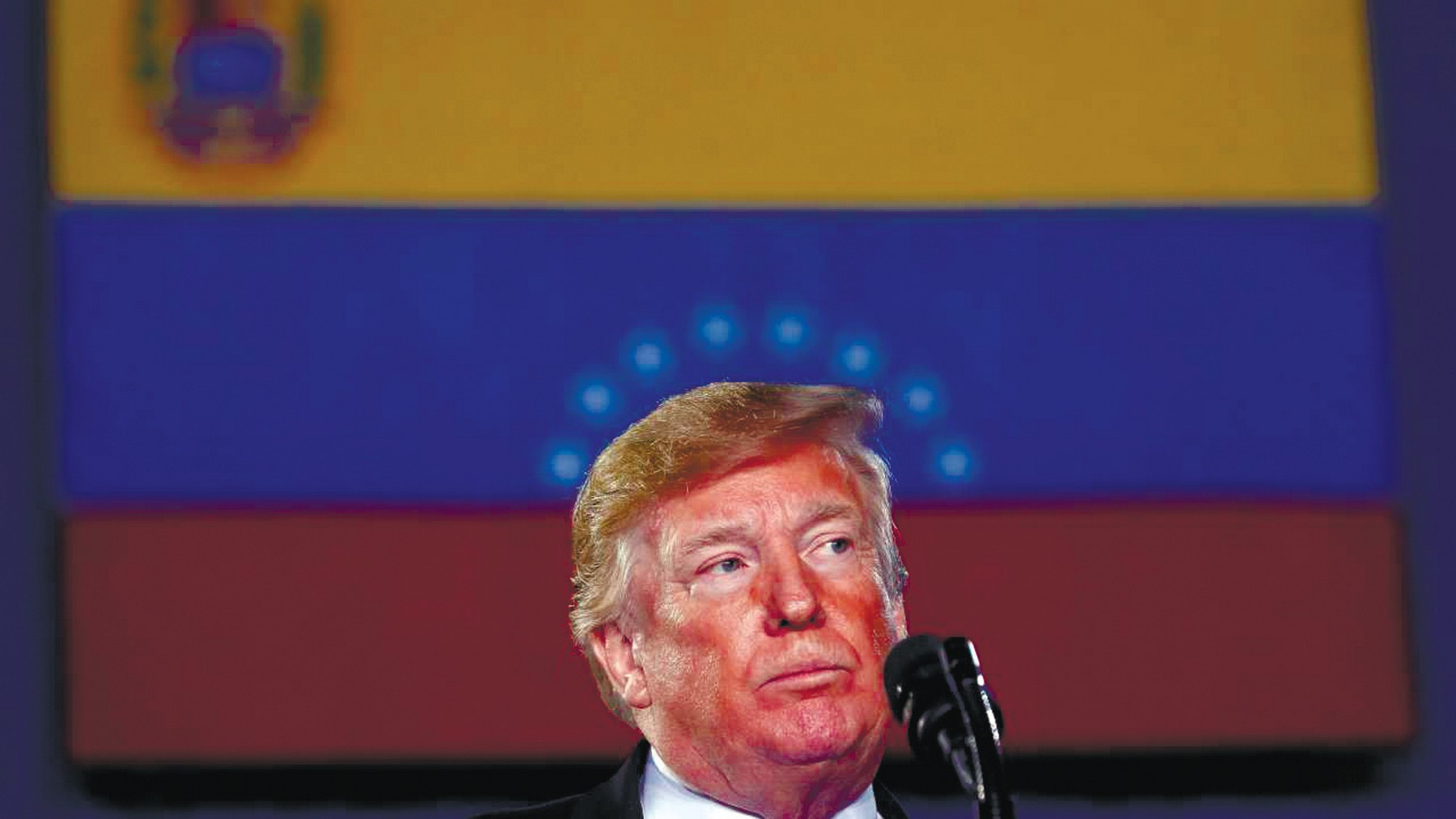
In recent months, the Donald Trump administration has significantly increased its pressure on Venezuela, arguing that Maduro is harbouring drug cartels that traffic narcotics primarily to the US. A reward of $50 million was even offered for his capture, an exceptional act in politics. This has led many, both within the region and beyond, to recall the ousting of Panamanian dictator Manuel Noriega, who was similarly accused of links to drug cartels and was subsequently tried on those charges.
Maduro as the new Noriega
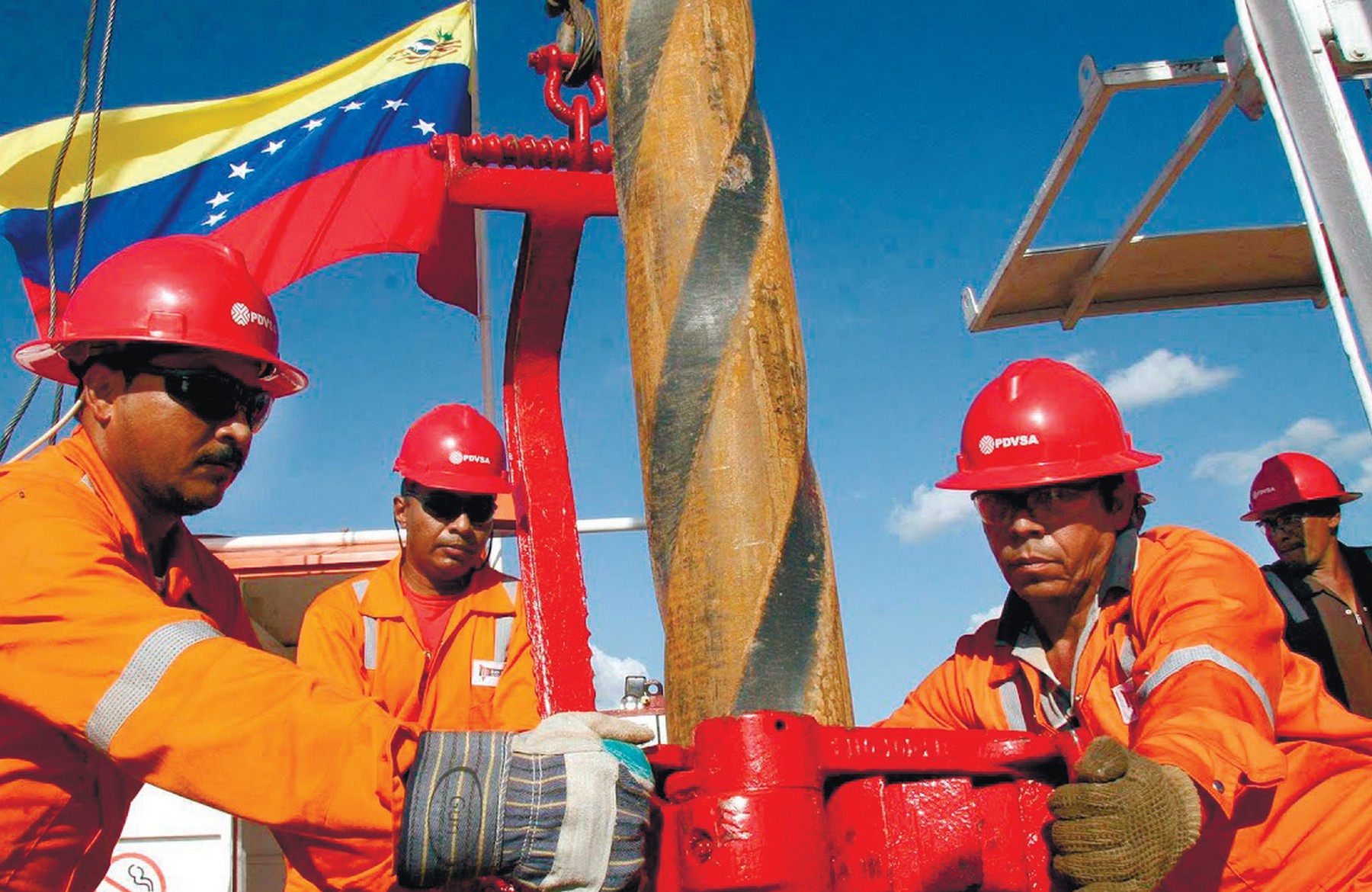
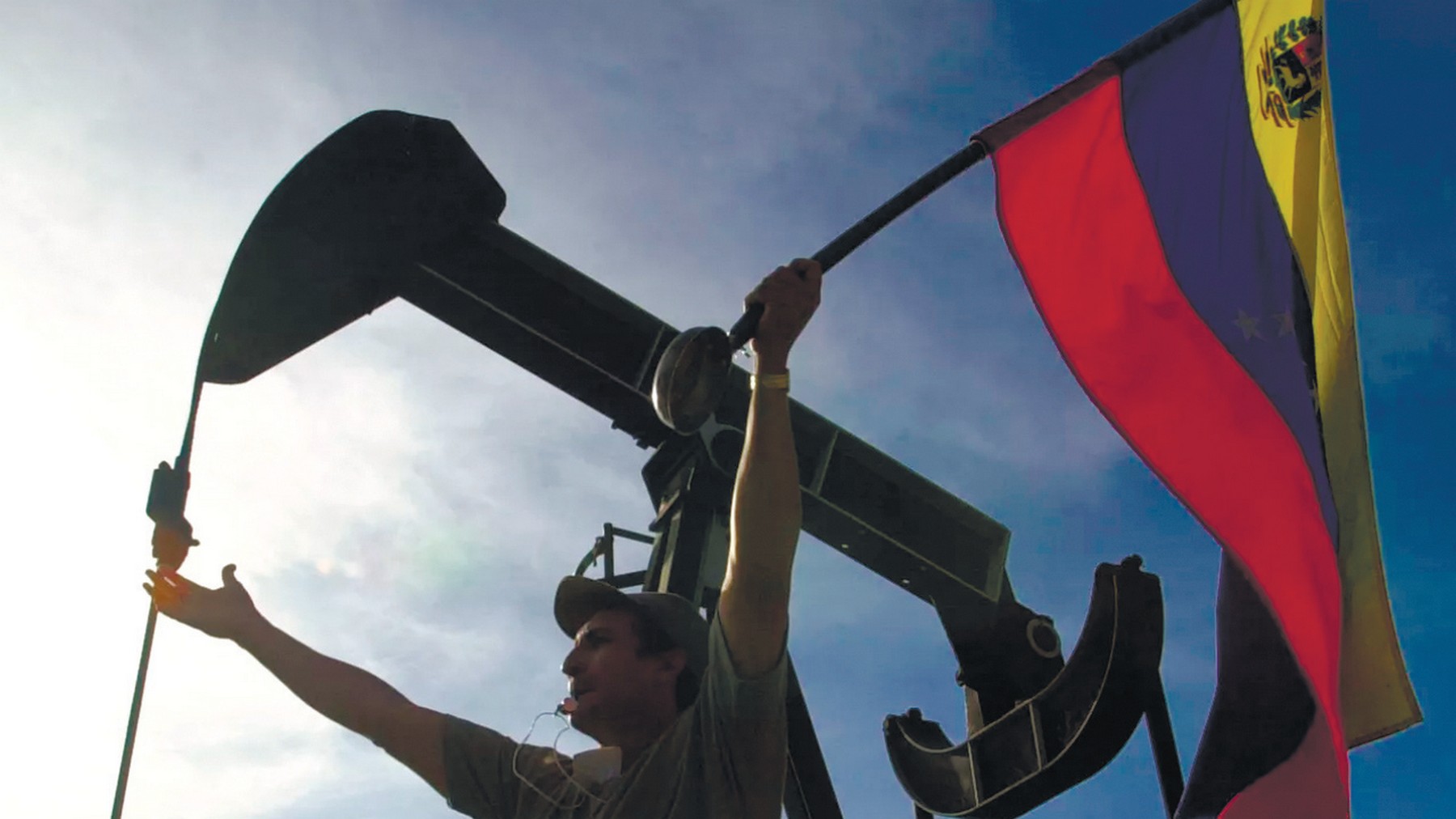
The events unfolding in Venezuela are in many ways reminiscent of the situation in Panama in the late 1980s. Then, too, the fight against drug trafficking and security threats was combined with broader strategic objectives. In Venezuela's case, energy is an additional factor. The country possesses the world's largest oil reserves, and changes in its domestic policy could create opportunities for international cooperation, including for American companies, while simultaneously shifting the balance of influence held by Russia and China, which have strengthened their positions in the country under Maduro.
China has already become one of the main importers of Venezuelan oil, with purchase volumes continuing to grow. These deliveries are made on terms favourable to Beijing, which enhances the competitiveness of the Chinese economy. The geopolitical dimension also remains significant. Amidst global rivalry with China and Russia, Washington once again perceives Latin America as a key area where the continued presence of Moscow and Beijing affects the strategic balance of power.
The domestic political aspect cannot be overlooked either. For Donald Trump, during an election period, the issue of Venezuela became part of cultivating the image of a strong leader who confronts "socialist regimes" and advocates for the security of US borders. For his electorate, the situation in Venezuela served as a symbolic example of the confrontation between the "free world" and its opponents.
Thus, the Trump administration's actions against Nicolás Maduro can be seen as an element of a multi-level strategy, combining crime-fighting concerns, economic interests, geopolitical rivalry, and domestic political calculations. Much like the operation against Noriega, this policy is complex in nature. It is aimed at redistributing influence in the region, protecting national interests, and strengthening the US position in Latin America within a changing world order.
A bet on internal political division
Within Venezuela itself, the reaction to the Trump administration's measures—the accusations of drug trafficking, the bounty on Nicolás Maduro, and the threat of military intervention—has divided society.
For the Maduro government, these actions confirmed its thesis that the crisis is instigated by external forces, primarily the US, seeking to seize Venezuela's wealth and strip it of its sovereignty. The official rhetoric from Caracas is based on the image of "imperialist aggression" and appeals to patriotic sentiments. Maduro and his circle declare they will not allow a repeat of the Panama-Noriega scenario, vowing to mobilise the armed forces, militias, and the populace to defend the country from foreign intervention. The authorities have attempted to use American pressure as a tool for consolidation. Even some domestic critics have perceived the threat of military intervention as a violation of sovereignty, forcing them into a defensive posture.
Conversely, the opposition welcomes the US actions, though not always to the same degree. Its more radical factions see this as an opportunity to overthrow Maduro and begin a transition to a new government led by Juan Guaidó or other leaders. They anticipate that the regime's international isolation, sanctions, and the threat of force will hasten its collapse. However, more moderate elements within the opposition are cautious about the American moves, fearing that Trump's military rhetoric could lead to an escalation of the conflict and civilian casualties. Furthermore, an excessive reliance on external factors makes the opposition vulnerable to accusations of collaborationism and undermines its domestic legitimacy.
Consequently, the American strategy has produced a dual effect within Venezuela. For the authorities, it provides a reason to reinforce their "anti-imperialist agenda" and rally supporters around the idea of defending independence. For the opposition, it opens the prospect of weakening the regime but simultaneously places it in an awkward position: dependence on Washington hinders the building of a national consensus and deepens the split in the ranks of Maduro's opponents. As a result, the Venezuelan crisis increasingly takes on the character not only of an internal confrontation but also of a geopolitical battleground, where domestic actors find themselves closely tied to external players.
Latin America facing a choice
The reaction of Latin American states to the Trump administration's actions is highly noteworthy. It is ambiguous and reflects a deep political division within the region. Some countries have supported Washington's hardline course, seeing it as an opportunity to accelerate a change of government in Venezuela and mitigate the threat of instability emanating from Caracas. Other states, in contrast, have perceived Trump's policy as a manifestation of "traditional American intervention" in the internal affairs of Latin America and have opposed any military scenarios.
The governments most loyal to Washington's initiatives have been those with a right-wing and conservative orientation. The Colombian government, for example, views the Venezuelan crisis as a threat to its national security, given the flow of refugees across their shared border and Caracas's close ties with armed groups operating on its territory. A similar line is taken by Chile, Peru, and a number of other countries in the "Lima Group", which coordinates diplomatic pressure on Caracas. Brazil, despite its criticism of the Maduro regime, condemns American sanctions and pressure tactics, viewing them as a violation of international norms.
At the same time, states with left-wing or centrist governments oppose Trump's approach. Mexico, despite its close economic ties with the US, maintains a restrained position, calling for dialogue and a peaceful resolution to the crisis, refusing to recognise Guaidó, and condemning threats of military intervention. Cuba and Nicaragua openly support Maduro, viewing Washington's campaign as a continuation of its policy of regime change in the spirit of the "Monroe Doctrine". Bolivia, led by the left-wing government of Luis Arce, has also strongly condemned the US actions and expressed its support for Maduro.
As a result, the region has been divided into two camps. One group of countries—Colombia, Chile, Peru, Argentina—supports stringent US measures, hoping this will accelerate the fall of the Maduro regime and reduce risks to their own stability. The other group—Mexico, Cuba, Nicaragua, Bolivia—sees in American policy a repetition of old patterns of intervention and a threatening violation of regional sovereignty.
The region amidst global confrontation
The Venezuelan crisis is not an exclusively internal issue; it has evolved into a complex, multi-layered process where political, economic, and geopolitical factors are intertwined. For Caracas, it is a struggle to maintain political stability and its resource base under sanctions and pressure. For the opposition, it is an opportunity to achieve a transformation of power with the backing of international support, but it is also a challenge associated with the risk of losing autonomy in the eyes of the public.
For the countries of the region, the situation in Venezuela has become a test of regional solidarity. Colombia, Chile, Peru, and other states that have supported the US line link it to issues of migration, drug trafficking, and regional security. Mexico, Bolivia, Cuba, and Nicaragua, on the other hand, advocate for preserving the principle of non-intervention and seeking diplomatic solutions. Consequently, Latin America has split into two camps, reflecting not only ideological differences but also varying conceptions of how to integrate into the global system.
On a global level, the crisis in Venezuela has become an element of the rivalry between the world's leading players. The US views the situation as part of its policy in the Western Hemisphere, while Russia and China are strengthening their positions through investment, trade, and military-technical cooperation. Caracas, in turn, strives to maintain a balance, using its external relations as a tool for internal stability.
In a broader context, the Venezuelan crisis can be viewed as an indicator of a changing international order. As a multipolar world takes shape, regional conflicts are increasingly becoming focal points of global interests. In these circumstances, Latin America is not merely an arena for external rivalry but also an active participant shaping its own agenda.
RECOMMEND:
 223
223

