

WIND FROM THE EAST
How China conducts military shows and sets geopolitical accents
Author: NURANI
Over the past century, numerous geographical terms with political connotations have emerged, along with impressive phrases that play on these geopolitical concepts to varying degrees. Following the First World War, for instance, the term "Intermarium" was used. During the Cold War, "Eastern Europe" denoted the countries under the control of the USSR. Concepts like the Near, Middle, and Far East were also prevalent. Both the USSR and its geopolitical adversaries adhered to a similar notion: while the countries of the East possessed great potential, abundant resources, and vast populations, it was considered premature for them to act as independent players on the world stage. The most they could aspire to was the role of satellites to the "great white masters", even if some of these masters referred to themselves as "comrades".
The news from the beginning of September, when China celebrated the 80th anniversary of its victory in the Second World War and hosted an expanded SCO summit, already signals new political trends. This brings to mind Mao Zedong's famous phrase: "The wind from the East precedes the wind from the West".
The forgotten war
Such a lavish celebration perhaps represented a challenge in itself. Most Western countries commemorate the end of the Second World War in Europe on May 8. In Russia and most of the post-Soviet space, however, it is celebrated on May 9, and it is more a tribute to memory than a large-scale military spectacle. In the new century, Russia began to alter this tradition, and May 9 evolved into more than just a major public holiday. On this day, parades commenced on Red Square, foreign guests were invited, and the slogan "We can do it again" became an almost central theme. However, with the onset of the war in Ukraine, the celebrations became less frequent.
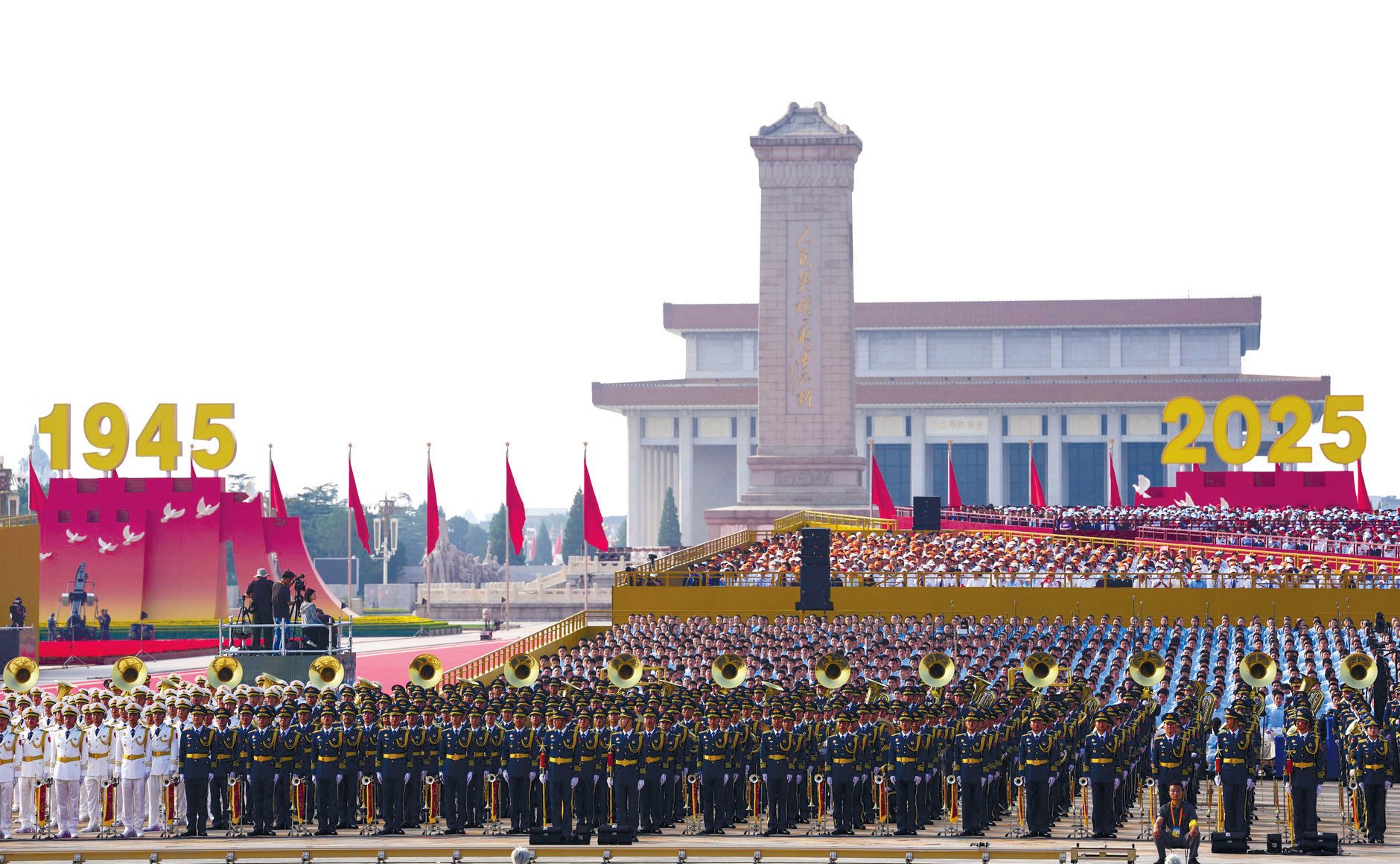
And now China is holding its own Victory Parade, reminding the entire world that the war was not confined to Europe. The conflict between Japan and China began in 1937, two years before the "European" Second World War. Moreover, the same Allied forces fought against Japan, continuing after Germany's defeat to achieve its capitulation. The Japanese instrument of surrender was signed on September 2 aboard the American battleship Missouri.
But China did not merely hold celebrations in honour of the 80th anniversary of its wartime victory. It clearly signalled its ambition for a global role—one at least as significant as Russia's prior to the "Ukrainian sanctions".
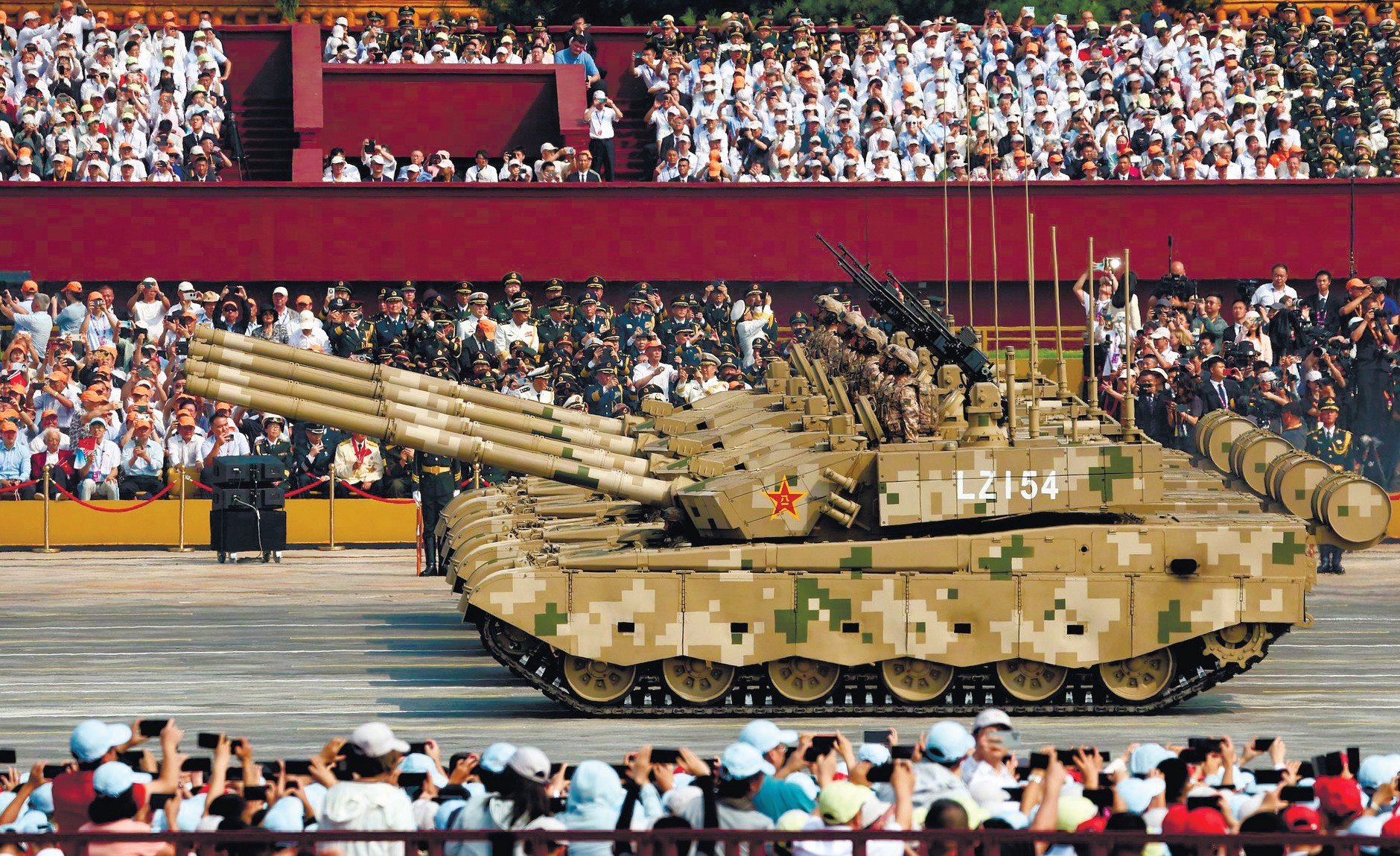
Of course, the grand military parade in Tiananmen Square also played a part. It was not simply a demonstration of polished marching skills. China began translating its economic achievements into military capability some time ago. Yet, Western experts often spoke dismissively of the PRC's accomplishments in this domain. They contended that while China had built its economy on "screwdriver assembly", it remained a "paper tiger" when it came to genuine military technology. Now, that opinion is no longer tenable. China has displayed highly effective and high-tech weaponry—as far as can be judged from a parade, of course.
One could argue at length about the intended audience for this demonstration of military might. But the saying, "If you want peace, prepare for war", speaks for itself.
Soft power
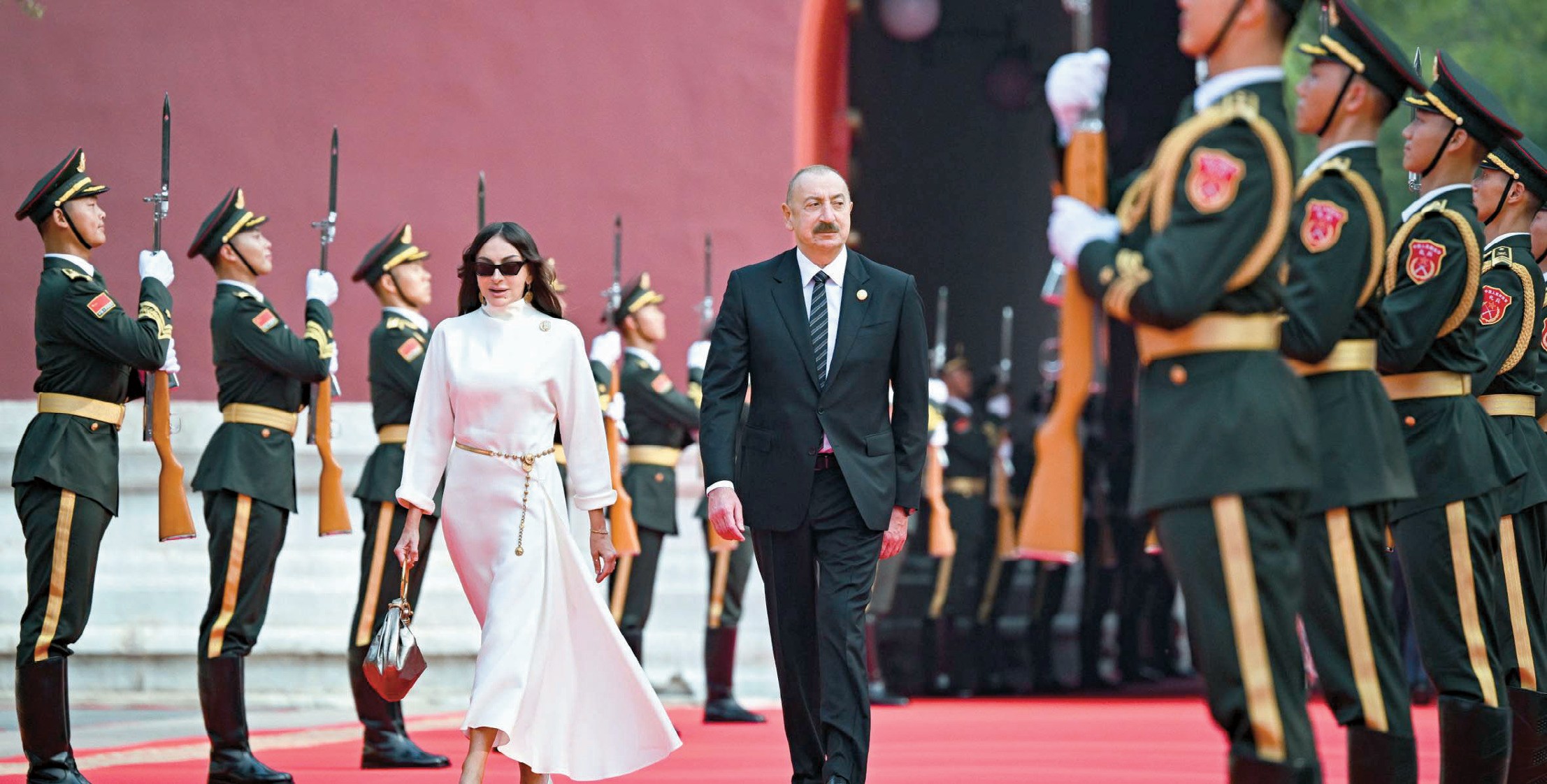
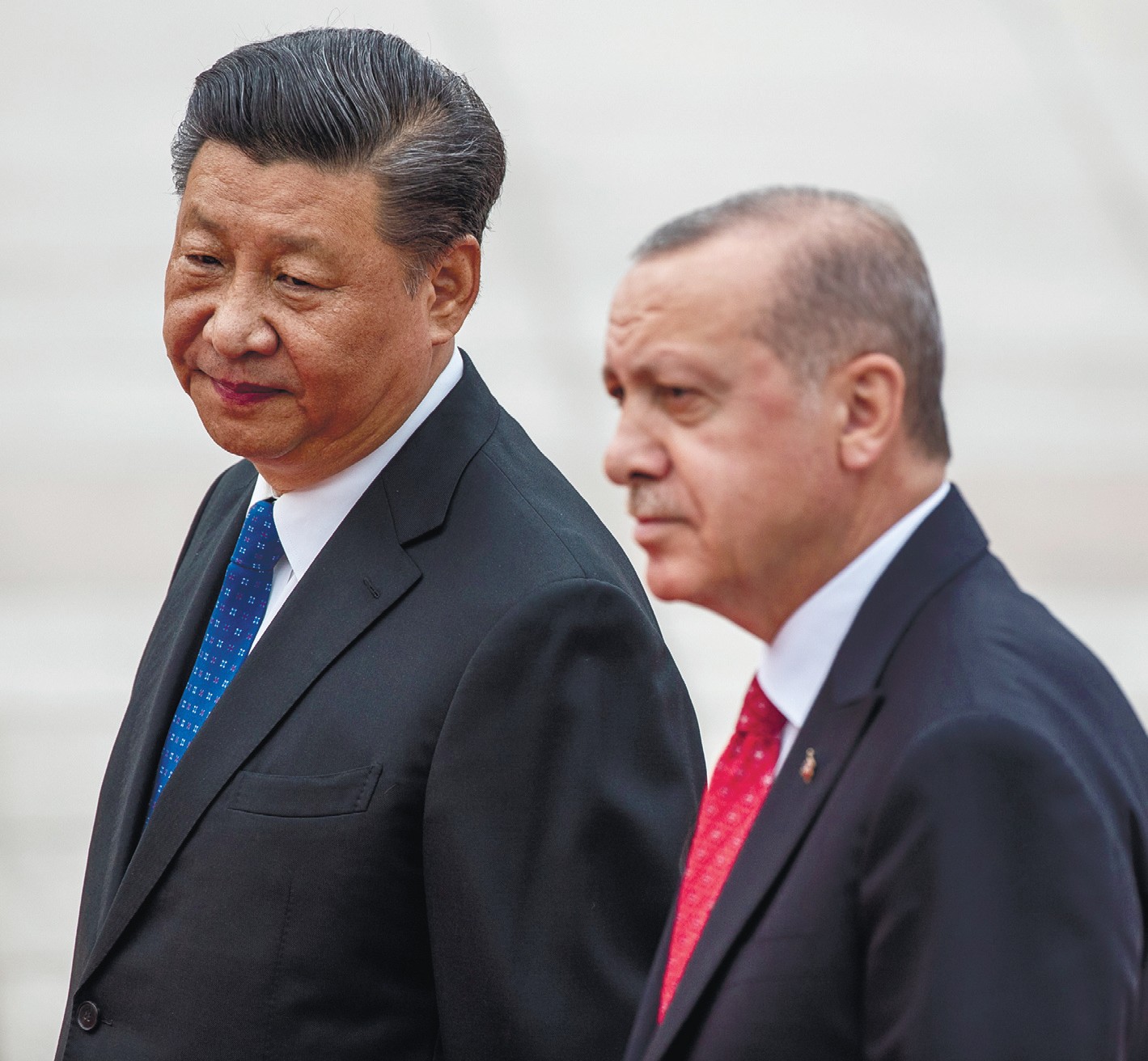
Without a doubt, "soft power" remains central to Beijing's strategy. In this respect, the parade created the desired impression. Until recently, it appeared that China could only rely on the support of Myanmar's military regime or other similar states. However, in addition to heads of state from the Asia-Pacific Region (APR), the Celestial Empire was visited by distinguished guests from unexpected countries, surprising many observers. The presence of Turkic leaders, including President Ilham Aliyev of Azerbaijan and President Recep Tayyip Erdogan of Türkiye, warrants special attention. Türkiye, it should be noted, is a member of NATO.
President Ilham Aliyev's visit to Beijing, the warm and solemn welcome at the airport, and the emphatic protocol at the gala banquet were all closely followed by Azerbaijani experts and analysts as they occurred. Relations between Baku and Beijing are developing, are on an upward trajectory, and have already reached the level of a strategic partnership. Only recently, Ilham Aliyev paid a state visit to China. And now, the Azerbaijani leader is back in the Middle Kingdom for negotiations with the Chinese leadership, including President Xi Jinping.
During this period, of course, some things have changed. Sensational negotiations took place in Washington, where Azerbaijan resolved many issues in its relations with the United States. Most importantly, Baku and Yerevan managed to advance the peace process.
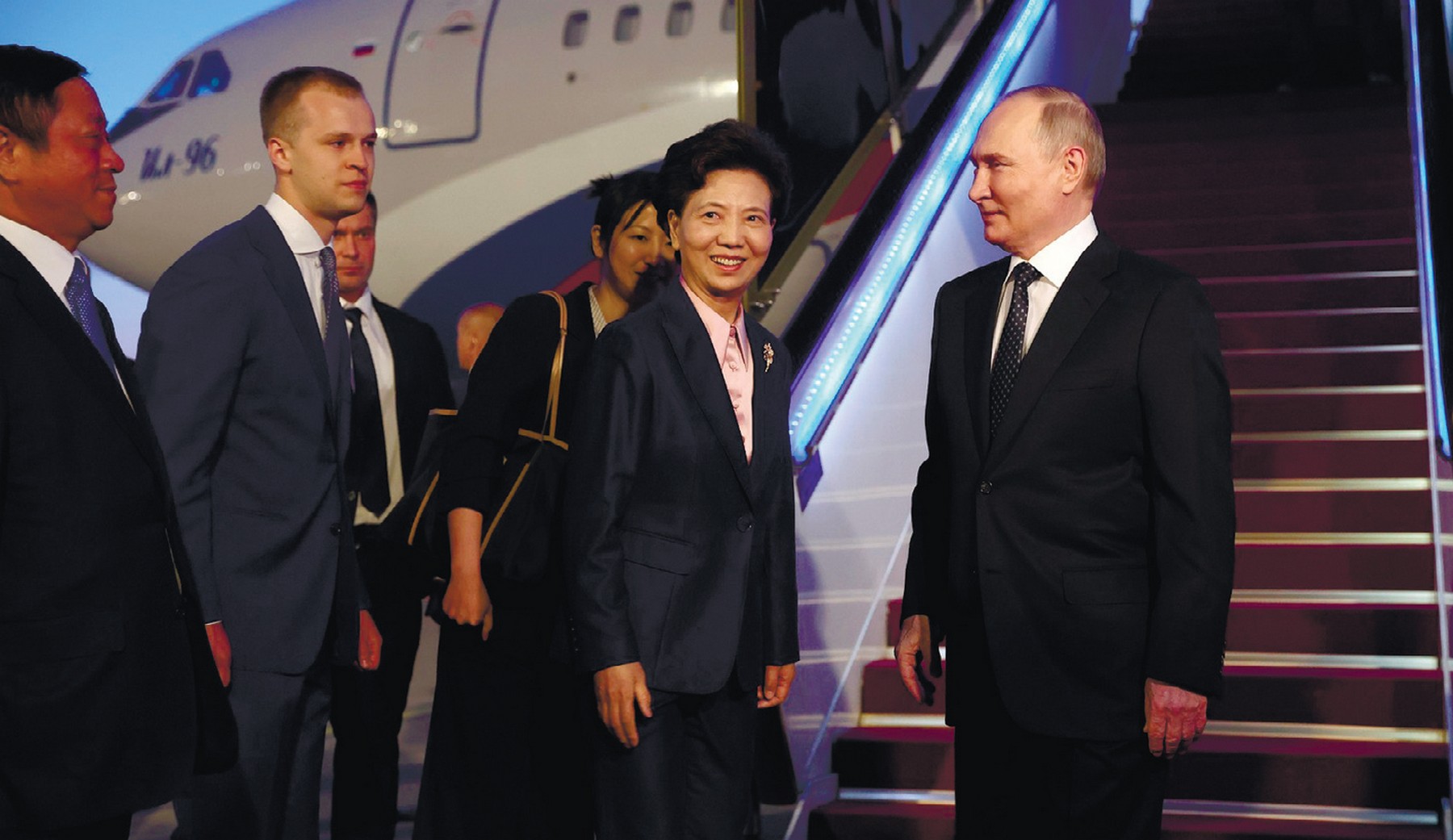
Theoretically, the Washington talks could have created certain difficulties in relations with China. But Azerbaijan is capable of finding a balance, pursuing a multi-vector diplomacy, and avoiding taking sides, thereby preventing its involvement in highly dangerous geopolitical ventures. Therefore, the talks in the United States are unlikely to have caused China any concern. However, the strengthening of regional stability and security and the imminent opening of the Zangezur corridor—which could also be dubbed the "Trump route"—is another matter. Beijing is interested in constructing a robust logistics and cooperation system along the revived Silk Road, and in this context, it cannot fail to notice the processes taking place in the Turkic-speaking countries. China is actively offering investment, high technology, and more, fully understanding that the Turkic countries are valuable and promising partners. That is why President Ilham Aliyev and his Kazakh counterpart, Kassym-Jomart Tokayev, received such a grand welcome in Beijing, which, incidentally, contrasted sharply with the rather modest ceremony held for Russian President Vladimir Putin. Russia remains an important and valuable partner for China, but the war in Ukraine, sanctions, and political and geopolitical risks are all compelling Beijing to exercise caution. And, as Chairman Mao advised, to adopt the tactics of the wise monkey, who watches from a ridge as two tigers fight in the valley below.
For Azerbaijan, the outcomes of President Ilham Aliyev's visit to China can be deemed successful. Even if the project of full membership in the SCO was not fully realised, Baku has gained Beijing's support on this issue.
News that wasn't
Until recently, Russian experts, particularly those close to the Kremlin, believed that in the Russia-China geopolitical alliance, Moscow was the leader and Beijing the follower. This assumption will now have to be revised under conditions of severe time pressure. The modest reception for Putin in Beijing speaks volumes. China continues to roll out the red carpet for the Russian leader, but without the former pomp and circumstance. China's representation at the Vladivostok Economic Forum was also very modest. This is despite the fact that, against the backdrop of war and sanctions, Moscow holds high hopes for China, which is gaining strength in every sense. However, for obvious reasons, Beijing is in no hurry to fulfil these hopes.
Russia expects primarily military and political support from China. And although information about deliveries of military products from China to Russia periodically appears in the media, this is clearly not what Moscow was counting on. Beijing is also refraining from participating in the circumvention of sanctions, especially in an area as sensitive for Russia as aviation.
Most Russian airlines used foreign-made aircraft that were leased. With the start of the war, the lessors reclaimed their aircraft. Civilian aircraft, both cargo and passenger, can be repurposed for military transport.
It was precisely for providing such services that the notorious Ruben Vardanian was placed under Ukrainian sanctions and is now facing charges for his "activities" in a Baku court.
Russia refused to return the aircraft, an act described as "the biggest theft in aviation". But such aircraft immediately find themselves operating illegally. This means they cannot undergo certified technical inspections, and it is impossible to purchase consumables or spare parts for them. Moscow attempted to solve this problem with Beijing's assistance. This effort was unsuccessful.
China seeks to refrain from participating in dubious and risky geopolitical games. And Beijing has apparently chosen its tactic: a policy of formal acceptance without particularly warm embraces. This is not a reason, of course, to speak of the alliance between the Russian Federation and the PRC in the past tense. The parties have too much mutual interest for that. But there is also no doubt that Russian experts have greatly overestimated their importance to China.
RECOMMEND:
 237
237

