

IN THE WORLD OF A COSTUME DESIGNER
Mehriban EFENDI: "...Sometimes my artistic soul manifests itself in two avatars simultaneously. That's the moment I feel creative 'feast and freedom'"
Author: Tatiana IVANAEVA
A significant part of a film's success depends, among other things, on its visual component. The production designer is responsible for interiors, location shoots in nature, and everyday details. And how the heroes of the cinematic narrative will appear lies in the hands of the costume designer—those who usually do not shine on posters, rarely appear on red carpets, and most often modestly stand somewhat aside at premieres.
Honoured Artist of Azerbaijan Mehriban EFENDI is known for her painting works that have received worldwide recognition. At the same time, in her creative palette, there is also a place for cinema, to which she has been devoted for more than a decade, and her name as an artist is associated with almost thirty films. As a costume designer, she knows how to create an entire world on screen with the help of details. Winner of the Best Costume Designer Award (2010) at the International Cinema and Costume Moulin festival (Paris), the Lola Award of the International Macedonian Film Festival in Skopje and the German Film Academy, she never tires of noting that costumes are an integral part of cinematographic art.
"I began my career in animation, having graduated from the prestigious Soyuzmultfilm school in Moscow. Upon returning to Azerbaijan, I worked on national cartoons. In this field, there is certainly room for creativity, but it is important to recognise the significant constraints that are in place for me as an artist. I found myself growing weary of repeatedly drawing the same character types. Consequently, the concept of love did not align with the animation genre. Upon accepting the offer to transition my professional focus to the field of cinema, I immediately recognised the vast potential and expansive opportunities this change would bring. Regardless of the number of actors involved, the only limitation on your imagination is the time available. Cinema offers greater creative freedom. Please note that this is not without restrictions. However, in this case, the constraints are more aligned with those of management in execution, with the aim of avoiding delays to the film process itself."
"What is the definition of an artist in cinematography?"
"An artist in cinematography differs significantly from his colleagues who are painters. In this field, it is essential to possess knowledge and skills that extend beyond the realm of 'communication with the canvas'. For instance, the organisation of interactions between members of the filming team is to be conducted in accordance with strict frameworks. Your creativity, which relies on management, must be sustained within the set tasks. In this section, we explore the concept of the 'free artist', examining how a painter is able to create without external constraints. In the field of cinematography, there is a format of interdependence among all members of the working group, where some of the most closely connected are the director, cinematographer, and artist. While the first person shouldered the majority of responsibility, this does not absolve the others of their own accountability.
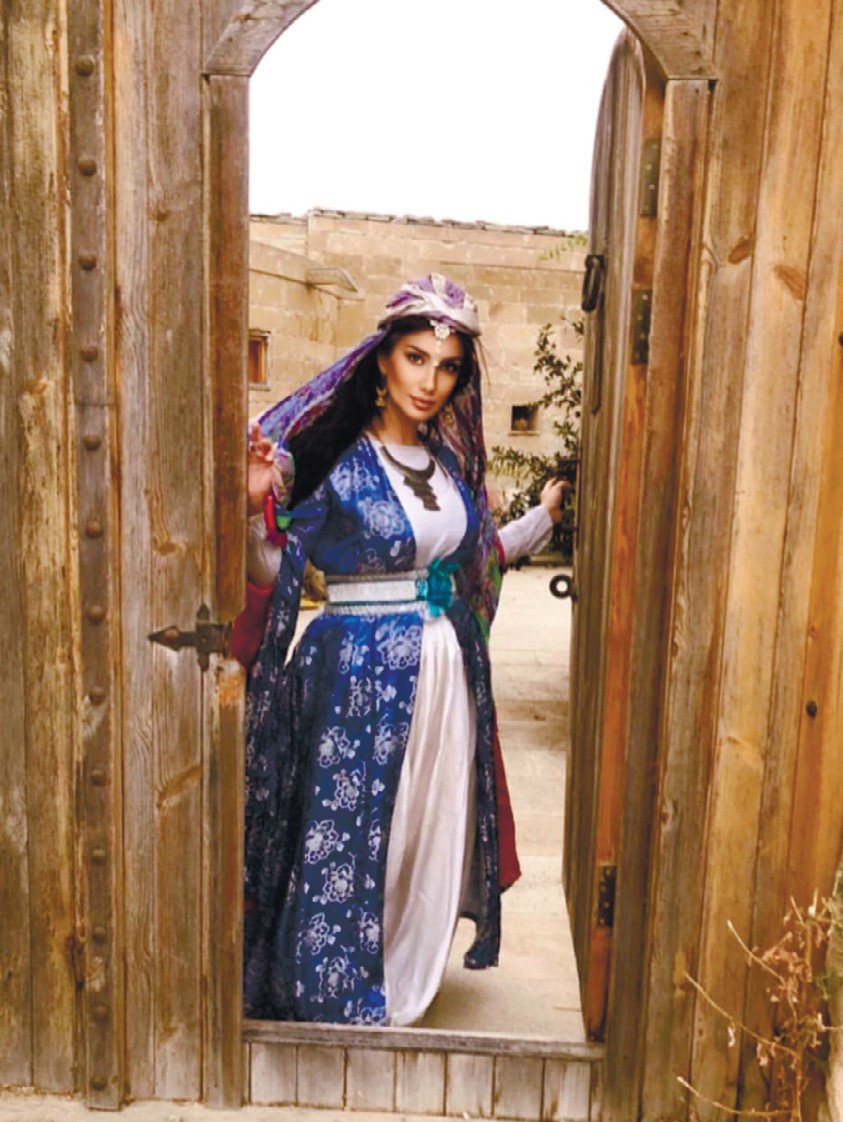
"Going back to the artist in cinematography, it is clear that this field is closely linked to psychology. Furthermore, it is essential to be a designer in the broadest sense. The work on costumes is closely linked to the script, which needs to be read and analysed in depth before the first command. The action is initiated by the motor. Furthermore, this process entails contributing to the creation of the overall framework, ensuring that the actors are able to work in a comfortable environment. The costume is a reflection of the character's personality as described in the script, and the artist must anticipate its 'life' within the framework of the story that the viewer will then see."
"Films are categorised into different genres, including historical, 'everyday' and fantastical films."
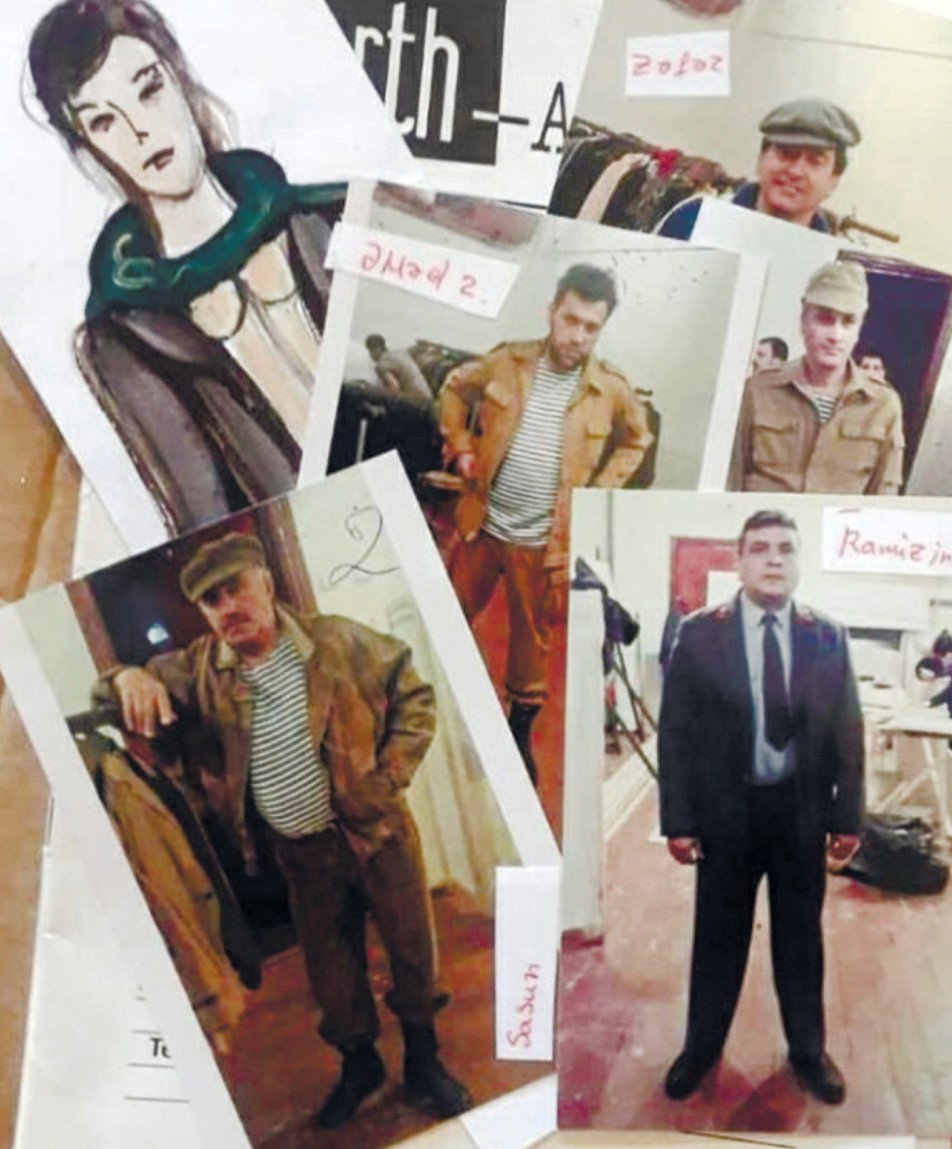
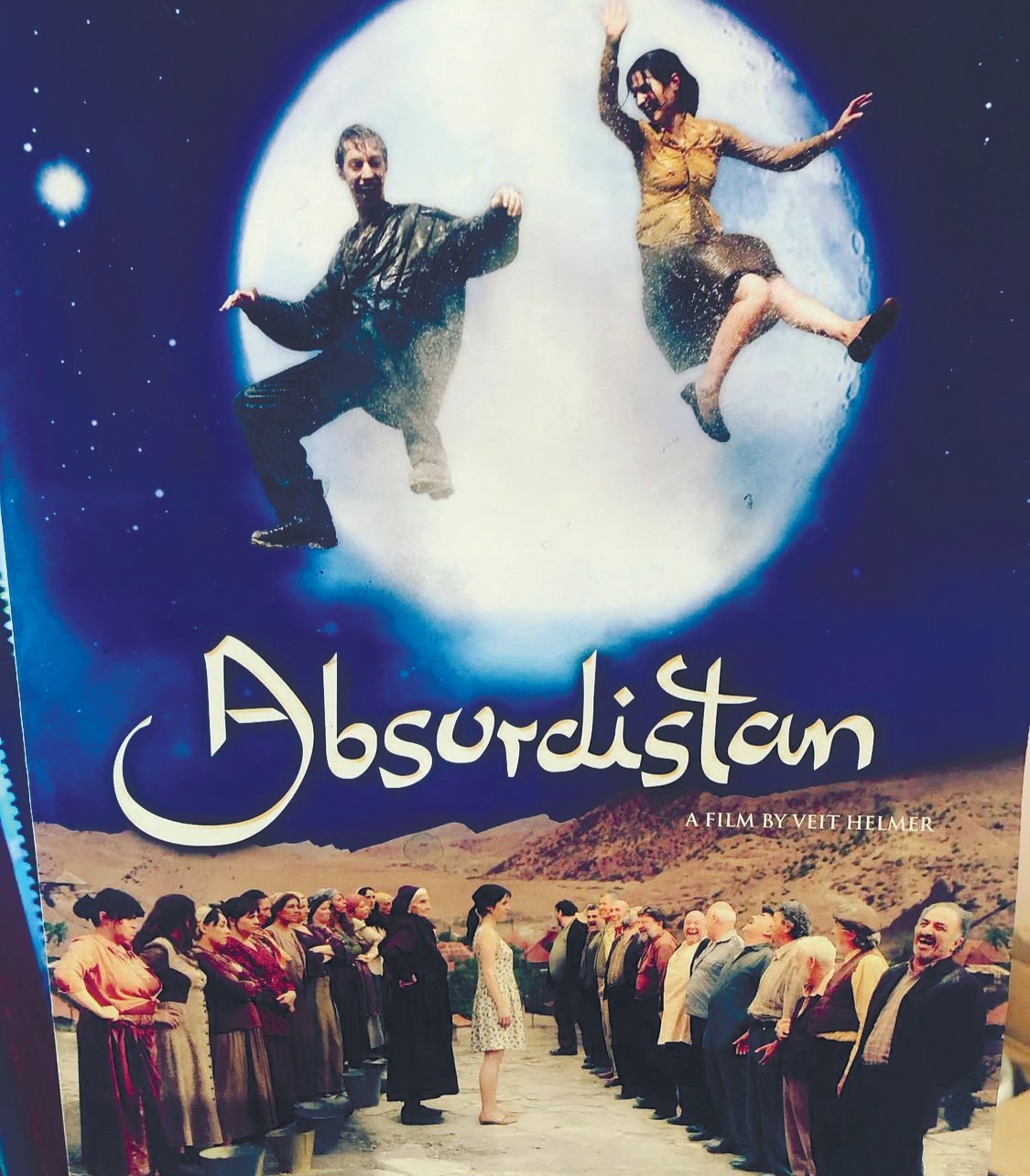
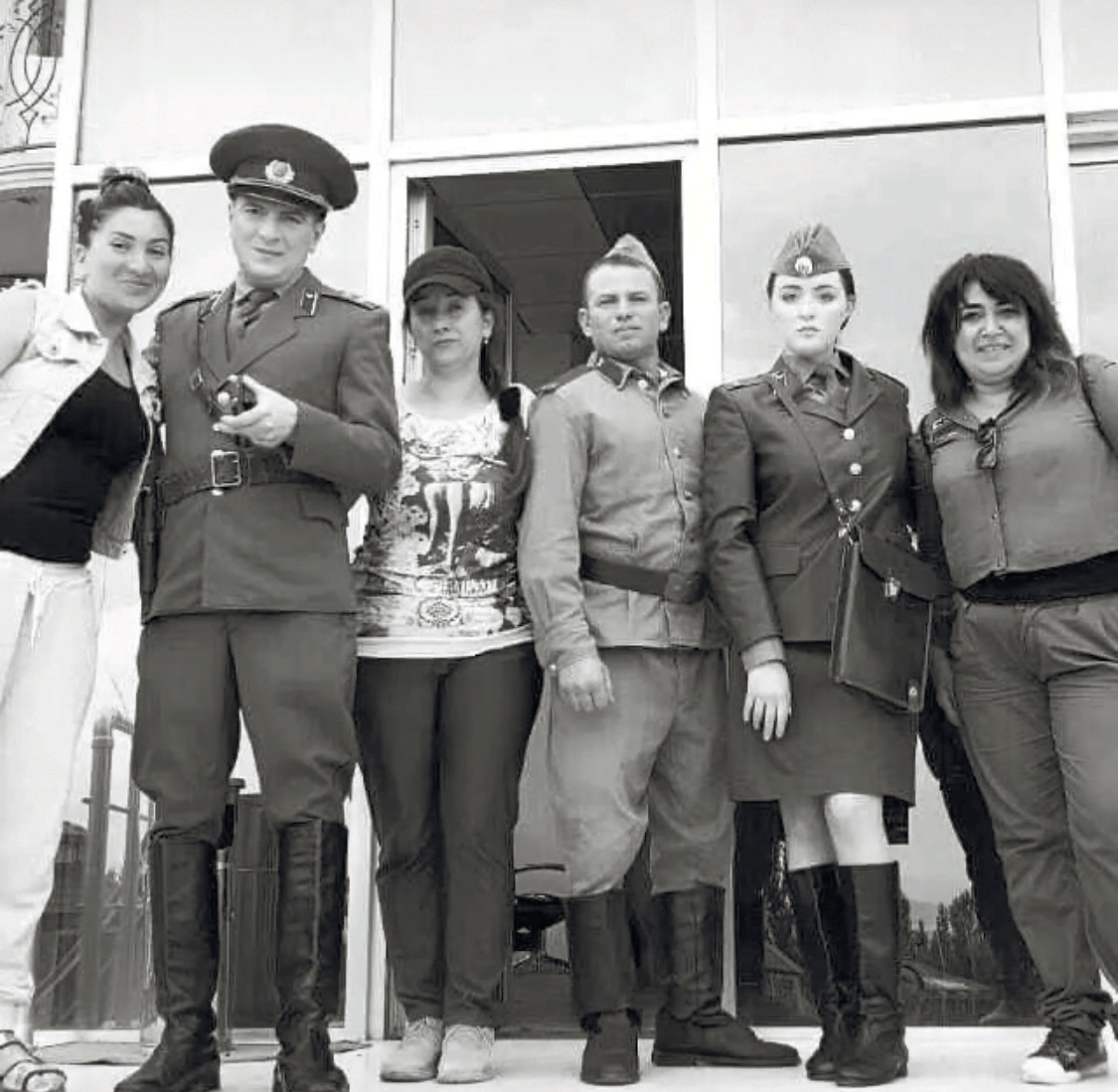
"If this is a proposal for a purely historical film, then the artist must reproduce the era in which the cinematic narrative takes place. In this genre, artists have the opportunity to contribute to the project based on their own vision, and it becomes apparent that there is potential for expansion. In the context of 'everyday' ones, as you have defined a broad range of film genres, it is evident that there is also a connection to time and place. However, within this framework, there is an opportunity, while adhering to the theme, to innovate. There are occasions when the cinema respects and reflects reality, and on such occasions it can even demand it. For instance, in the widely acclaimed film Son nəfəsədək, which was filmed in Garabagh, real combatants participated in the filming and wore their own military uniforms, which they had stored at home. In the context of historical films, it is essential to be aware of the relevant measures. However, films without ties are a 'song of the creator's soul' for the artist. I am pleased to inform you that this is my preferred format. The boundaries of fantasy are defined by the sizing of clothing and the characteristics of the character's personality; all else is determined by the artist's creative vision. This is a very extensive range. Again, I recall Absurdistan, which won more than three dozen international awards, among which was the Fashion in Cinema Award as a high evaluation of my work."
"So, costumes for films can influence the fashion industry?"
"This has always been the case. Many world brands do not overlook the work of costume designers. In the history of cinematography, there are numerous examples of the clothing of on-screen heroes becoming in demand in real life, contributing to the creation of fashion trends and later appearing on catwalks. Cinema provides a valuable opportunity for artists to showcase their talents as fashion designers. I have previously encountered instances where, upon familiarising myself with the script, I have been able to create satisfactory costumes in accordance with the designated characters of the heroes, without significant difficulty. I always endeavoured to contribute my personal perspective, even in situations where the plot might be considered farcical. For instance, in the film Red Train (Qırmızı Qatar), which was shot in Uzbekistan, the costumes were prepared by the SEZAM fashion house, which was the leading fashion house in the country at that time. In a period of one month, the production team successfully sewed and created more than two hundred costumes, utilising a wide range of unconventional materials. I recall the immense satisfaction expressed at the conclusion of this ambitious project, which showcased an unorthodox approach and remarkable imagination. It is not widely known, but we collected bird feathers from the zoo for one of the costumes worn by the musician Zahra Guliyeva."
"Does the script influence the creation of costumes or decorations."
"The approach varies, but if artists are given the opportunity to contribute to the film, then it should be used to its fullest potential. I recall the reaction of the creative group members of Red Train when they saw my sketches. There was some scepticism about whether the designs would remain on paper, but when the costumes 'came to life' as an art project, the director of the SEZAM fashion house, Maryam Yagubovna, and her team were happy."
"Who is the main person in the film crew?"
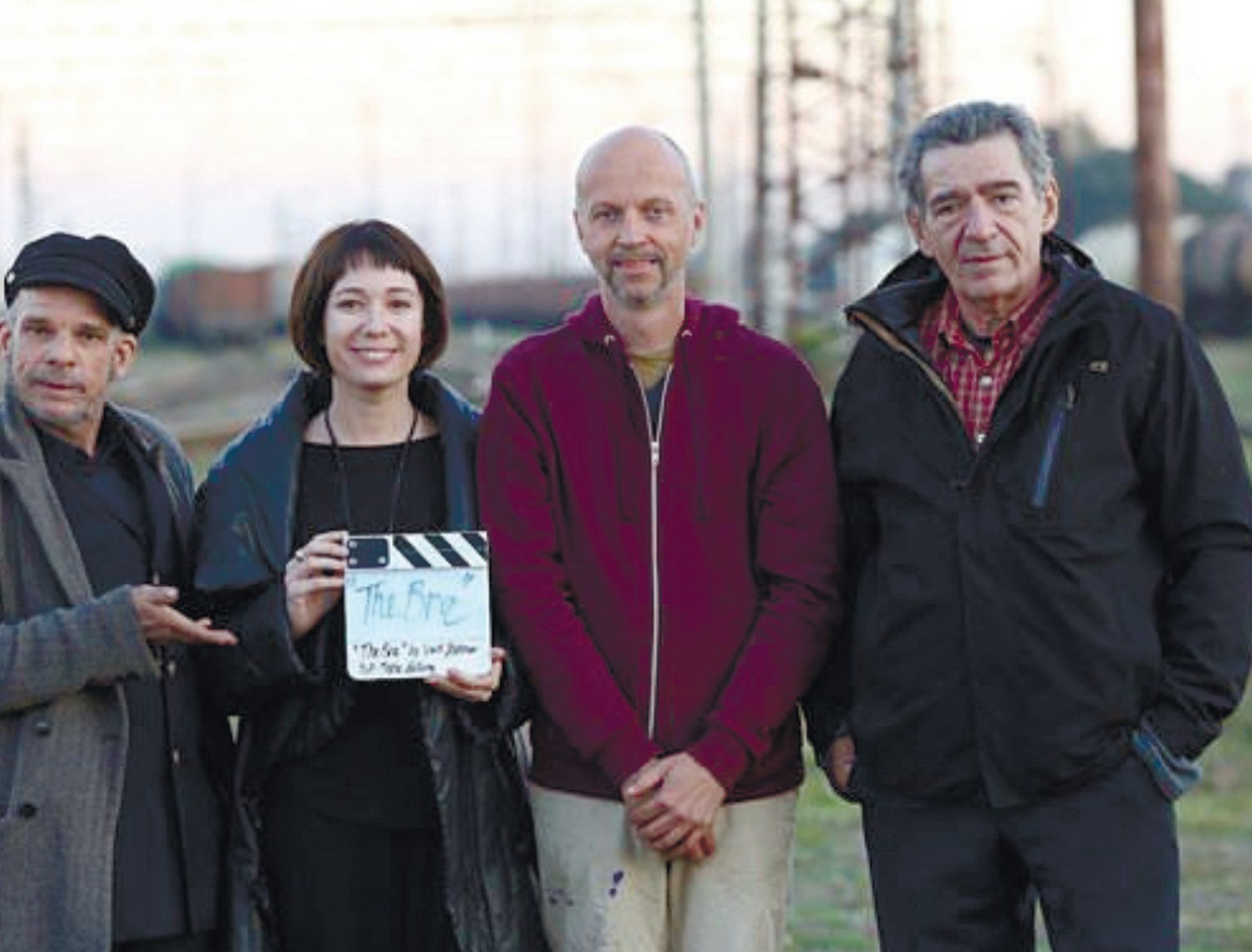
"I firmly believe that even if a team member performs their duties with enthusiasm and contributes to the group, thereby creating value, they will still be a key member. This applies to all employees. The issue at hand is not the position that has been defined within the working group for one or another member. The group functions as a unified organism, providing support to the director. While he is the leader in this process, each member of the film crew is also responsible. We also share successes and failures equally. Cinematographers are a distinct profession from other creative roles. We are all committed to achieving the desired result, despite the unique characteristics of our team members. There is no distinction made between the costume designer and the production designer. For instance, working with Mais Aghabayov resulted in a highly productive partnership, and both parties were eager to acknowledge the satisfaction derived from collaborative creativity. In our professional experience, we have always found it beneficial to share information and seek consultation in order to achieve the best possible outcome. This approach fosters full trust and optimal working comfort."
"Could you explain the process which helps to initiate a dialogue between the director and the artist?"
"With the mandatory presence of the cinematographer! It is important to note that in some cases, listeners may first hear the artist's music. The cinematographer is the person who 'stands behind the picture and rules' on the set, directing the technical services. This is particularly relevant when it comes to the correct method for setting the light. Ultimately, the decision rests with the director, who must ensure the optimal composition of the group, ensuring that each individual is best suited to their role."
"Any instances when you realised that your costume did not fit?"
"This is a working process. It is important to be aware that events can occur. This is not only evident in the costumes, but also in the decorations. While the designs may appear harmonious on paper, under the spotlight, elements disrupt the overall balance. It is essential to identify that organic quality. The only issue that needs to be addressed in this case is the issue of financing. The production of a film is a costly business. However, even with a robust material base, it is crucial to recognise that cinema is a creative process, which necessitates an emotional element that resonates with living individuals. It is undeniable that viewers can sense where their money was spent. The latter is catastrophic..."
"You work in the production of both films and television films. Do the approaches differ?"
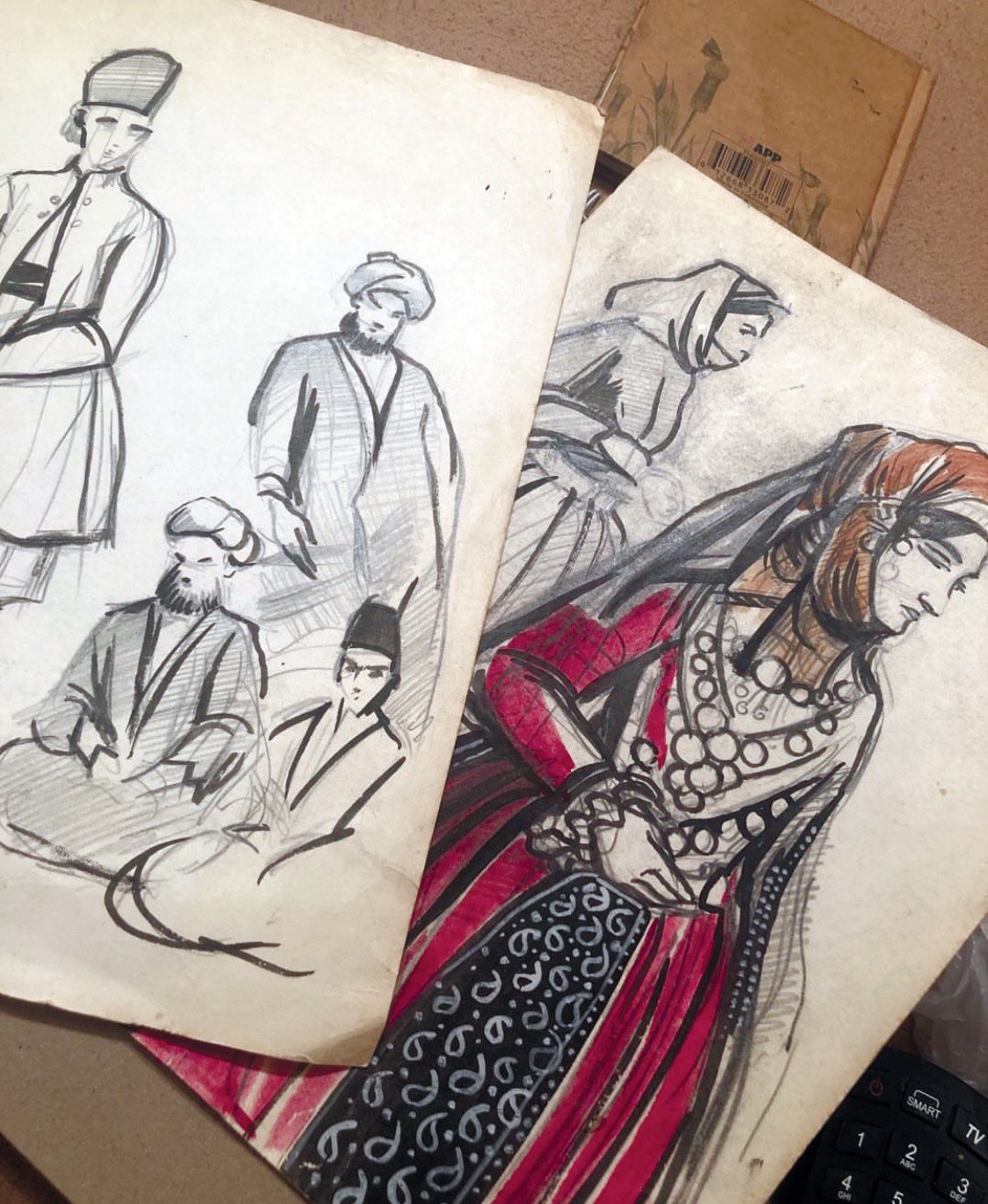
"Absolutely! This is especially relevant given the opportunity for comparison. I began my career in cinema during a period when film shoots were conducted using professional cameras, which imposed specific conditions. At that time, the filming process was still based on film, with a greater emphasis on achieving a natural appearance. The costume department at the film studio therefore differed from other 'counterparts' in that costumes were sewn with consideration for how they would appear on film. In the current context, where sound is predominantly recorded on set, it is imperative that costumes are as quiet as possible. In television projects, the requirements differ little. In my opinion, cinema represents haute couture art, whereas television is prêt-à-porter. At the same time, I do not underestimate the latter. It is simply a more democratic approach. Television screens have a high luminosity preference. I created this illustration as part of my professional experience in the field of advertising. I would like to know how many of them were shot by Fuad Alishev. Cinema and television are geared towards different tasks. Television programmes and series are produced in a certain style for the purpose of maintaining viewer retention on a specific channel. While it is not accurate to suggest that cinemagoers are able to simply leave the cinema, it is evident from observation that this does not occur frequently. The audience's anticipation of the conclusion is evident. In my professional opinion, a well-crafted film can be compared to a theatrical experience, as it encourages viewers to engage in post-viewing reflection. The remote control provides a wider choice of bright pictures. Frankly, modern digital technologies have the advantage of facilitating the shooting process. In the current business environment, it is possible to modify the colour gamut with a single click. On occasion, this process can be somewhat unwarranted, resulting in the months-long search for an organic combination of the palette being rendered redundant. While AI can be a valuable asset in certain creative processes, it cannot fully replace the unique talents of production and costume designers."
"How do you create sketches for costumes or decorations? And how many are prepared on average?"
"It depends on the mosaic of character traits, along with significant decorative elements. It is essential to thoroughly familiarise oneself with the script of the film and to live through it in one's mind. By the way, we do not condone haste. It is important to note that work on the film begins long before the shootings. During the course of the discussion, the issues may be clarified. Therefore, based on the initial concept, the creation of 10-15 sketches for each character is recommended, with due consideration given to psychological nuances. The incorporation of the artist's personal sensibilities during the visualisation process is expected to generate a distinctive tonal quality in the final images. It is important to note that when a project is initiated, the artist typically has no prior knowledge of which actors will be involved in which roles. I recall an unverified opinion that the actors for Stranger's Time by Huseyn Mehdiyev were selected based on the sketches I created. This occurred on multiple occasions when sketches 'hit' the actors invited to the shootings, whom I had not seen in advance. However, this is a logical approach. It is essential for the costume designer to envision the characters as real people. I believe it is preferable not to be aware of the cast in advance. The process of inventing and drawing sketches is a fascinating creative process in its own right. Artists differ from ordinary people in that they have the ability to transform their inner vision into tangible reality on canvas or paper."
"The process of film making is like assembling puzzles, taking inspiration from words and phrases."
"I would describe it as involving a certain physical heaviness for the artist. But the journey from initial concept to its actualisation on screen is what really interesting! After all, the collective labour of each crew member, brought together and synthesised into a single film, is a living picture. I find the same level of satisfaction in this process as I do when creating my pictorial works. I am occasionally asked to identify the benefits that cinema provides. It is evident that these are always different scripts, and their authors are of great interest to me, given their vision and ability to present plot twists. They also play a role in the direction of the company. When you engage with their energy, it is as if you are transported through multiple realms, brought to life by actors in front of the camera. This is an action-oriented project that has the potential to captivate audiences and leave a positive impact on participants."
"What about viewing the final cut?"
"Exclusively as an ordinary viewer with full access to the entire hall. I am very pleased with the result of this project. The thought that the approach in this instance should have been different has never been raised. In the field of cinematography, every element is meticulously planned in advance. Absurdistan, for instance, required three years of preparation, and the shootings took only three months!"
"Math does matter!"
"I would describe it as an essential part of life. The budget for Red Train exceeded one million dollars, making it one of the most expensive two-part films of 1993. It was a very serious and demanding project. I think any film project formally commences once the script is taken into work. At this point, the script begins to take shape through sketches, tests and the placement of actors within the setting. Also, it is almost impossible to convey in words the emotions when everything is assembled before you on the screen in a single ensemble."
"In certain films, you embody both the roles of costume designer and decorator."
"This provides certain advantages in the workplace, imposes significant obligations, and endows creative searches with broad 'powers'. Occasionally, the script aligns more closely with my vision within the specified parameters. I recall how the director of Absurdistan, Veit Helmer, suggested that I should take the lead in shaping the work on this film, as he had learned enough about my paintings online. He observed that I would be well-suited to a role involving a creative element. However, given my familiarity with the script, I understood that this area did not align with my personal preferences in terms of embodying the written story. There is potential for expansion in the area of costume creation. Occasionally, however, it is necessary for my artistic soul to manifest itself in two avatars during the film production. And that is the moment I really feel 'creative feast and freedom'."
"Ultimately, the director's decision is final."
"Absolutely. Although the preparatory period, during which many consultations take place, is an essential part of the process, the final version of the film is something that only the director can truly predict. He is able to make corrections relying on his vision. Whether they are justified or not, the answer is for the viewer to decide."
RECOMMEND:
 207
207

