

PARTNERSHIP FOR INVESTMENT
$10-billion-worth memorandums of intent and project agreements signed at the 1st AIIF 2025 forum
Author: Aghasaf NAJAFOV
For many years, Azerbaijan has been a leader in the region for attracting foreign direct investment. This is partly due to the country's considerable energy potential and favourable geographical location at the crossroads of Europe and Asia. In order to streamline investment flows, the business climate has been liberalised for the past six years as part of tax reforms, a system of benefits and preferences for business has been introduced, and international corporate governance practices have been implemented.
The system of public-private partnership (PPP) plays a vital role among the mechanisms for increasing investment activity in Azerbaijan.
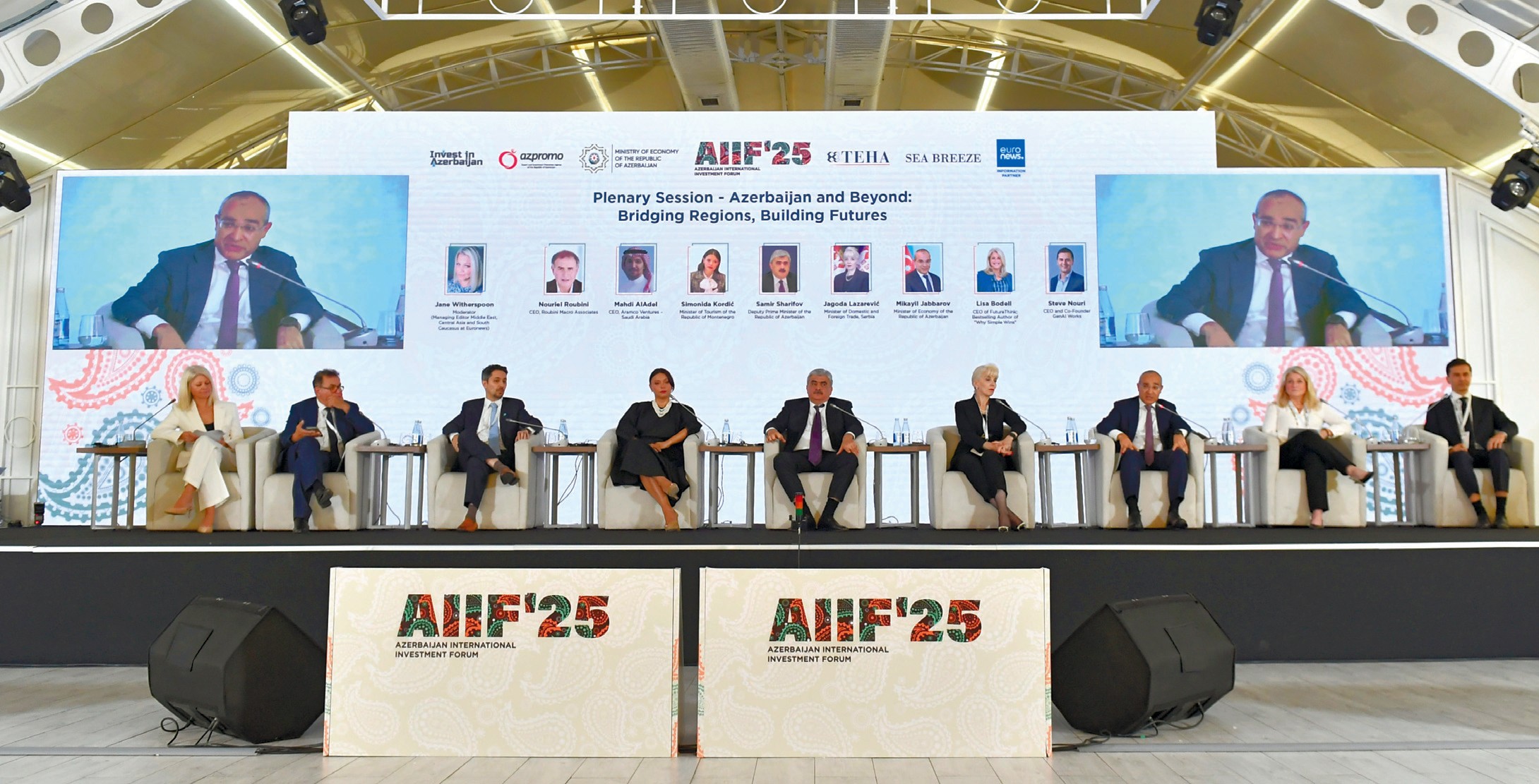
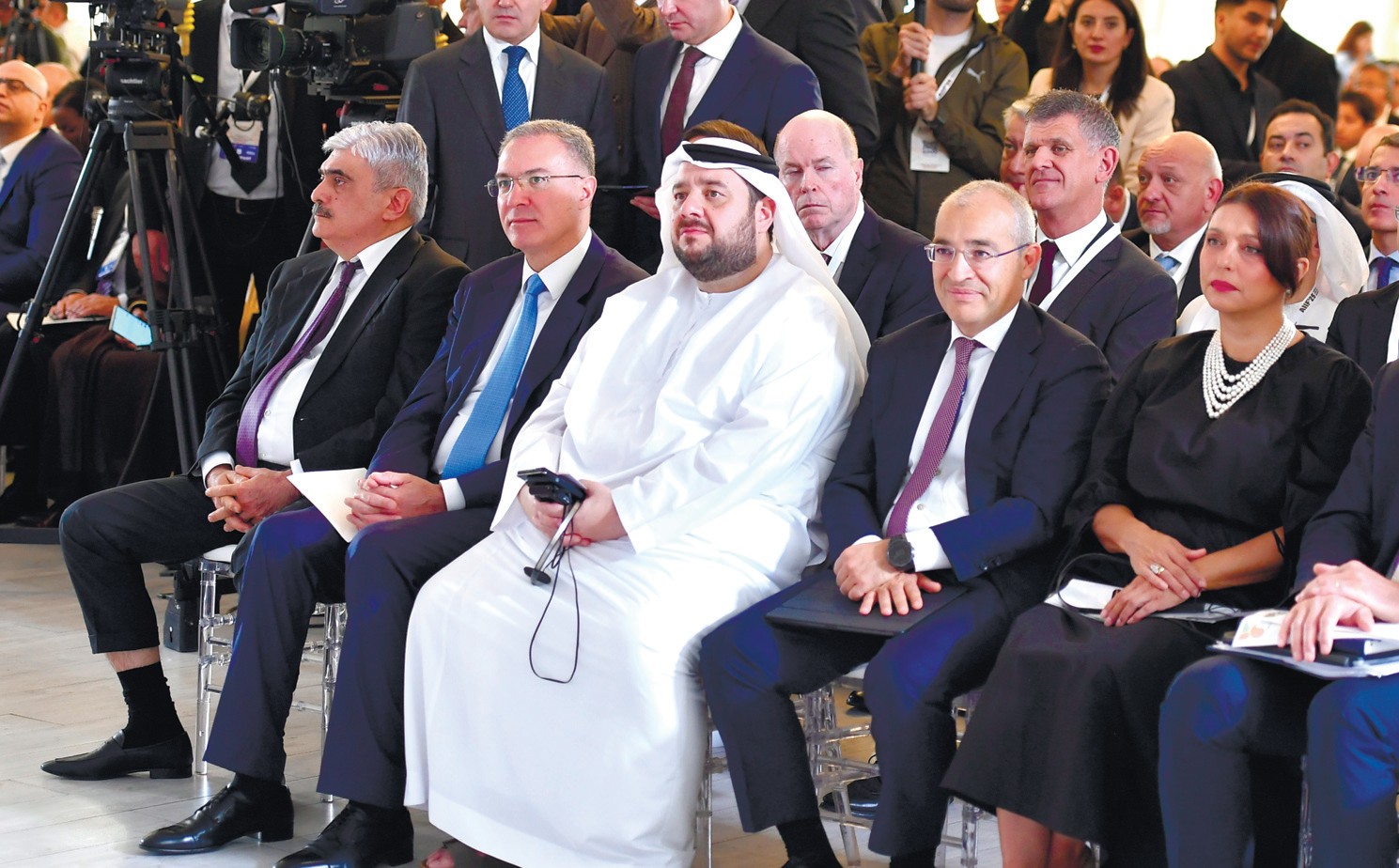
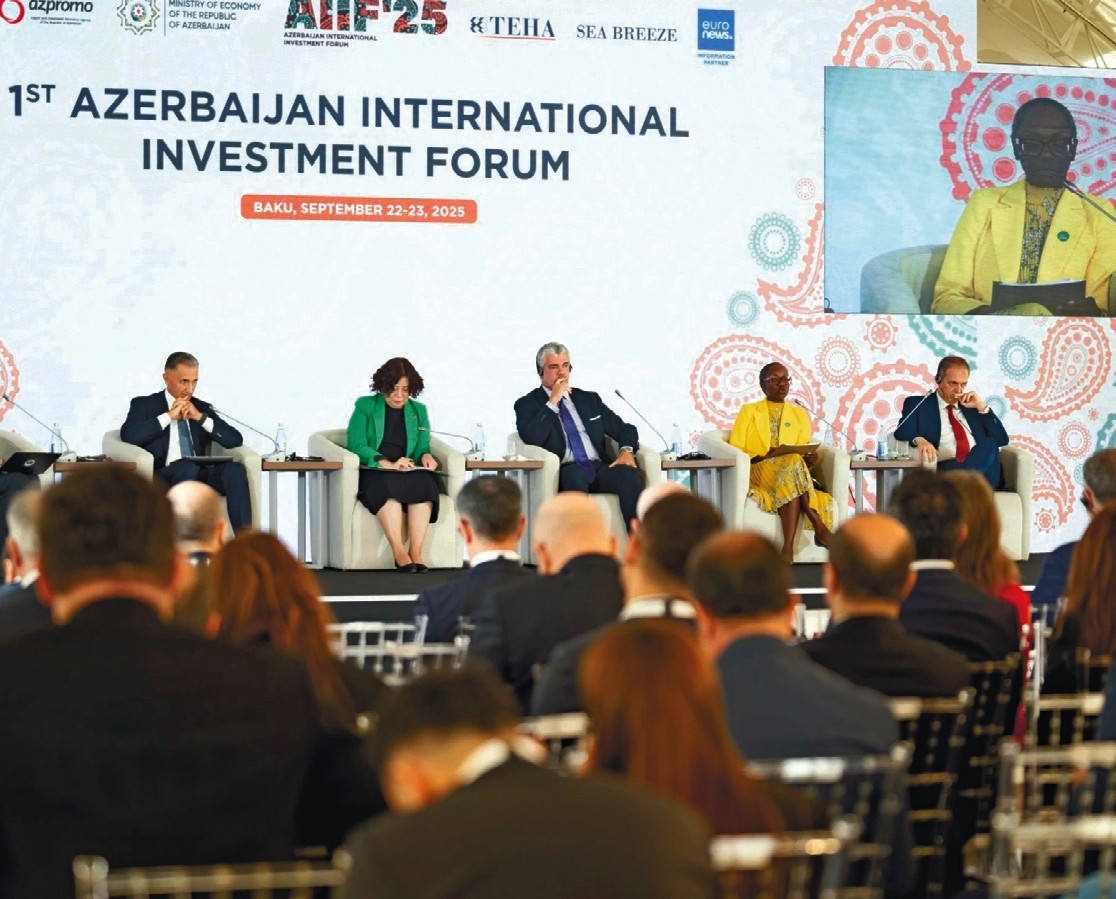
The first Azerbaijan International Investment Forum, AIIF 2025, held in Baku, saw discussions on achievements in this area and the plans of international donor structures.
The first forum
AIIF 2025 was held under the patronage of the President of Azerbaijan, Ilham Aliyev. The forum was conceived as a unique platform for exploring investment opportunities in states located at the strategic intersection of East and West, as well as for shaping the future of global trade and sustainable supply chains.
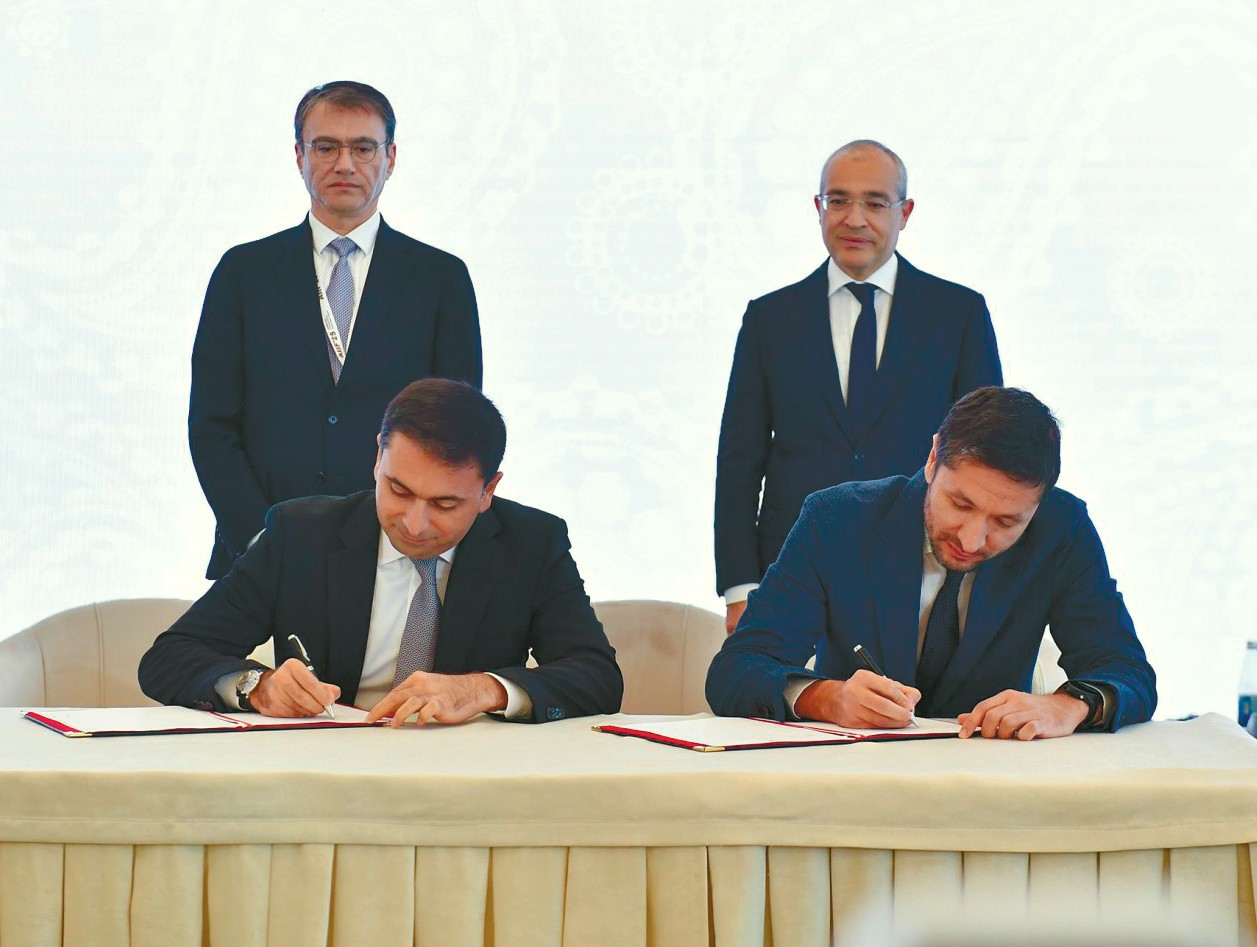
The forum's success is evidenced by the signing of memorandums of intent, project agreements, and other documents totalling approximately $10 billion at the conclusion of the event. "The value of projects planned for implementation in the non-oil sector alone, with the involvement of foreign investment, exceeds $7 billion. Large-scale investment in our country opens new opportunities for economic diversification and accelerates the transfer of innovation and technology," wrote the Minister of Economy of the Republic of Azerbaijan, Mikayil Jabbarov, on his social media page on X.
During the two-day event, two plenary meetings and a dozen panel sessions were held. The agenda included discussions on strategic regional integration, transit opportunities, innovation, "green" energy, and aspects of small and medium-sized business development, among other topics.
Furthermore, the Ministry of Economy and the International Finance Corporation (IFC) entered into a "Cooperation Agreement on Enhancing Skills in the Sphere of Public-Private Partnership." This agreement facilitates the transfer of knowledge and expertise, as well as the development of capabilities in this domain through operational and consulting services.
A meeting was held between Mr. Jabbarov and the IFC's Regional Manager for Europe, Mr. Thomas Lubeck, on the sidelines of the forum. The head of the Ministry of Economy has confirmed that discussions have been held on the application of PPP mechanisms in Azerbaijan, the implementation of joint infrastructure and social projects, and the prospective role of the IFC in these processes. "The agreement concluded during the forum is a significant development in fostering collaboration between the public and private sectors in Azerbaijan. It contributes to enhancing the investment climate and supporting sustainable economic growth."
This cooperation is also aimed at developing a strategy for implementing PPP projects, enhancing human resource potential, improving the investment process review mechanism, and preparing sectoral guidance for the selection and execution of relevant projects.
"PPP mechanisms are considered the most effective tool for implementing large-scale projects in the water infrastructure sector," stated AIIF 2025 participant Enrico Pinali, the Regional Head for Private Sector Development in Central and West Asia at the Asian Development Bank (ADB). "Governments must provide political support, a regulatory framework, standards, and incentives for private sector participation, while private companies bring capital, expertise, and the necessary technological innovations."
In September, the Azerbaijan State Water Resources Agency (ADSEA) and the ADB signed a technical assistance agreement on PPPs for the modernisation of the Hovsan wastewater treatment plant. The capacity of the plant is planned to be increased to 200,000 cubic metres. This project follows the agreement between ADSEA and the Saudi company ACWA Power for the construction of a seawater desalination plant, which was the second major PPP project this year. In the future, the ADB is prepared to support other initiatives, including investing in "green" and sustainable infrastructure by applying PPP mechanisms in sectors such as transport, energy, water supply, education, and human capital development.
"By cooperating with Azerbaijan, UK Export Finance intends to adapt and direct its financing tools to the PPP sphere," said Chris Allam, Senior Business Development Specialist at UK Export Finance, during the forum in Baku. "More specifically, regarding Azerbaijan, we have up to £5 billion of available capacity. Within the PPP framework, our company can perform a dual role: we can mitigate risks for commercial banks and help attract private capital to projects." According to Allam, priority areas for PPP could include toll road projects, railway initiatives, airports, the "green" energy and decarbonisation sectors, as well as healthcare and education.
The working model
In accordance with international best practice, public-private partnerships are based on long-term collaboration between the state and business to solve socially significant tasks. It involves the attraction of private investment and expertise for the creation, reconstruction, and operation of infrastructure, social and utility facilities, as well as for the provision of goods and services to the population. The PPP model is founded on the pooling of resources and the equitable distribution of risks. This allows the state to develop infrastructure and improve the quality of services, while enabling businesses to secure stable revenues and a return on investment, as well as gaining long-term access to new projects and markets. In developed countries, such cooperation is long-term in nature, the partner selection process is carried out based on transparent competitive procedures, and it is aimed at solving public, socially significant tasks and improving the quality of life for the population.
It is worth noting that PPP schemes have been successfully implemented in Azerbaijan's cooperation with international financial organisations, various funds, and donor structures for over 25 years. The primary objectives of this initiative have been to provide financing for large-scale and capital-intensive infrastructure projects, to support the development of rural communities and agricultural enterprises, and to encourage the growth of small and medium-sized businesses.
The active implementation of PPP schemes provided vital support to businesses during the pandemic crisis of 2020-2021.
In the last decade, this method has also been applied in the field of urban planning. In accordance with the Cabinet of Ministers' decision No. 86 of February 25, 2016, buildings are being demolished in the capital, after which the subsequent redevelopment of city blocks is carried out by housing construction cooperatives on a PPP basis, with a portion of the housing provided to the former residents of the demolished homes. According to information published by the Cabinet of Ministers in mid-September 2025, a large-scale reconstruction of several strategically important territories in Baku is planned based on PPP principles. These projects will cover the area around Lake Böyükshor, between Heydar Aliyev and Ziya Bunyadov avenues, as well as the districts adjacent to the Heydar Aliyev Oil Refinery.
PPP mechanisms have been very effectively integrated into the development of "green" energy, involving the participation of local and foreign investors in competitions and auctions for the construction of renewable energy source (RES) generation facilities. For instance, at the beginning of the year, Turkish companies initiated construction of a 13 MW "green" generating facility in Garabagh, based on the PPP model. According to Azerenerji OJSC, preparations are underway for the implementation of two additional energy projects under this scheme in the liberated territories.
In turn, SOCAR Green, a subsidiary of the State Oil Company of Azerbaijan, considers the application of PPP mechanisms, as well as the provision of subsidies and benefits, to be of great importance for attracting high-tech companies in fields such as geothermal, solar, and wind energy, and the creation of energy storage systems like battery technologies.
Legislative framework
Tax incentives play a crucial role in the development of PPP instruments. One of the key amendments to the Tax Code is designed to encourage the development of electricity generation projects in the RES segment. Consequently, PPP participants are granted fiscal benefits for implementing projects related to service provision and the creation and management of the necessary "green" infrastructure.
In the current business climate, it is imperative to prioritise the field of modern innovations and the digitalisation of the economy. It should be noted that a digital economy strategy is being developed through 2030 under the auspices of the Centre for Analysis and Coordination of the Fourth Industrial Revolution, which operates under the Ministry of Economy. The document outlines 51 key initiatives, encompassing the modernisation of network infrastructure, the fostering of start-ups, and the implementation of digitalisation in accordance with the Industry 4.0 concept.
A key step in this sphere was the formation of a regulatory framework for the PPP system. Specifically, on December 27, 2022, the law "On Public-Private Partnership" was adopted in Azerbaijan. In accordance with the provisions of the law, such a partnership may be executed on the basis of a competition or direct negotiations, organised by the Ministry of Economy. These negotiations are to be conducted in accordance with the principles of protecting free competition, transparency and efficiency, ensuring equal rights for applicants, and safeguarding the interests and balance of risks between the parties. The maximum term for the execution of PPP projects is set at 49 years, which fully complies with international standards. Furthermore, incentive measures provided for by the law "On Investment Activity" apply to such projects. Information regarding preferences on taxes and other state payments is provided, as well as additional financial support, guarantees, benefits, and compensation. The guarantees and elements of state support include the provision of goods, raw materials, and equipment for the project's implementation. Furthermore, the state is committed to procuring a specified volume of the produced goods, providing subsidies or concessional loans, and maintaining regulated price levels.
In July, the Ministry of Economy published a list of projects to be developed, including the construction of a science and technology park in Baku, centres for the disposal of biological waste and animal remains in several regions, and the formation of a tourist and recreational zone in the Kalbajar district.
The PPP segment, which covers a wide range of sectors and involves both domestic and foreign companies, is regarded as a highly promising framework for cooperation, with a focus on investing in various areas of the economy and implementing major projects.
RECOMMEND:
 202
202

