

BRITAIN IN THE SPOTLIGHT
Trump's visit to London exposes new alliances and old crises, from politics to migration
Author: Irina KHALTURINA
As anticipated, the global media's primary focus was US President Donald Trump's state visit to the UK. The reception at Windsor Castle, hosted by King Charles III for the head of the White House, was widely covered by the press, who described it as a "magnificent spectacle". It was evident that the American leader derived great pleasure from the event, to the extent that he broke protocol with royalty on several occasions. However, contrary to concerns, his behaviour was not provocative and he maintained a high level of courtesy at all times. He acknowledged the "lion heart of the people of the kingdom" and praised Charles III as "a great gentleman and a great king."
Trump's meeting with Prime Minister Keir Starmer proceeded smoothly. In a move that signals a new era in the relationship between the two nations, the United Kingdom and the United States have announced a "special relationship" that does not focus on contentious issues such as tariffs or ways to exert pressure on Russia. Starmer emphasised that the US and Britain are each other's main partners in defence and trade, as well as in science and technology. "We are ready to work together to determine the direction of this century just as we did in the last," Starmer proclaimed, referring to AI technology, quantum computing and nuclear energy.
Trump also expressed optimism regarding a "historic deal on technological prosperity" that "will ensure Washington and London's leadership in the next great technological revolution." "This visit has initiated a significant number of business deals worth billions of dollars in various sectors... This is a natural partnership for close allies," the American leader said.
Political instability in Britain and Europe
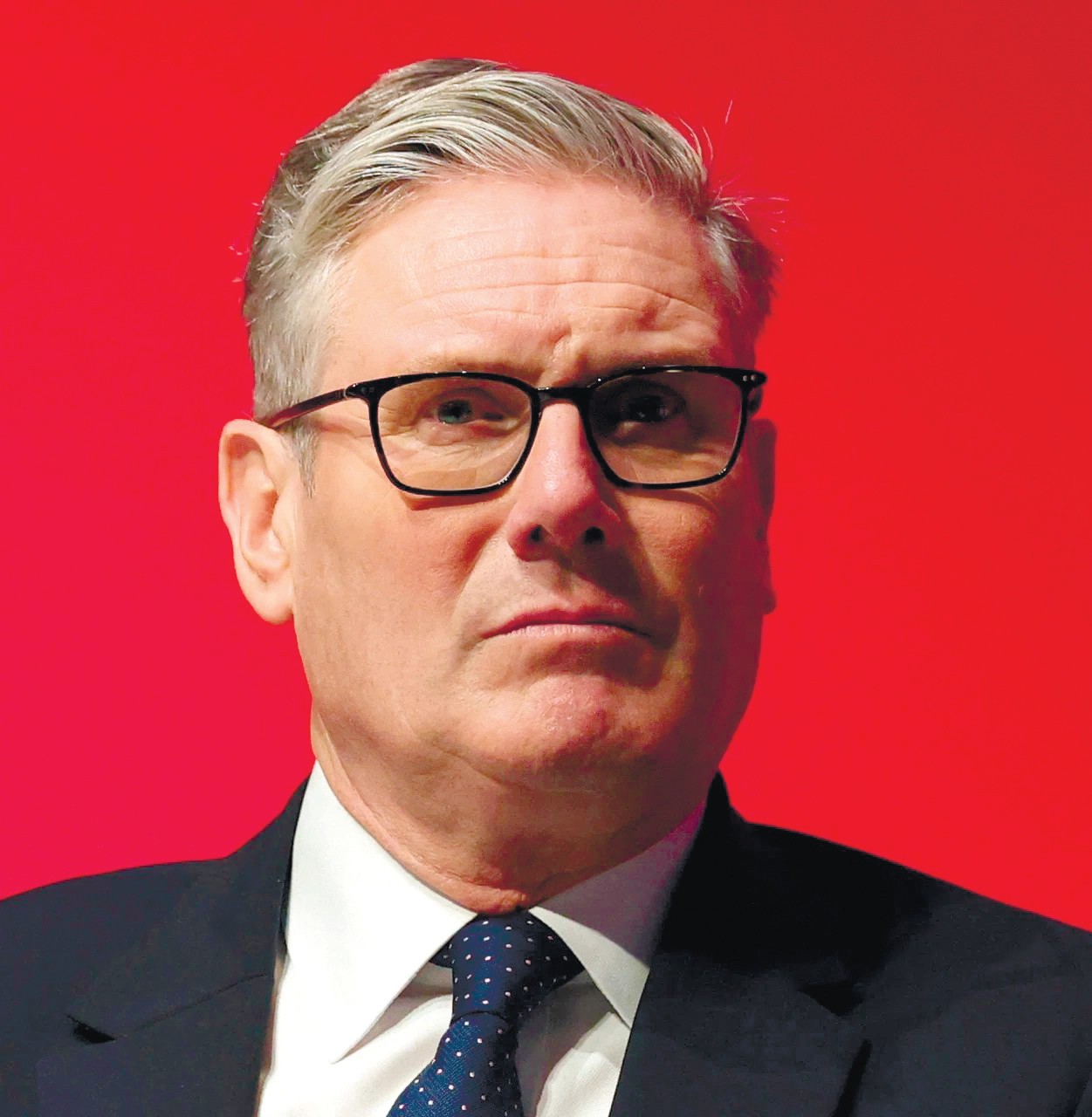
Disagreements over tariffs, immigration, climate and global conflicts aside, there are significant concerns about the foundations on which the declared partnership, which is supposed to prolong the leadership of the leading Western countries, will be built. The domestic political atmosphere in the UK is far from normal at the present time. It appears that many of the hopes and plans that were voiced when Starmer became prime minister will not be realised. The British government and the ruling Labour Party are experiencing significant internal turbulence. According to The Economist, only 20% of voters support the government's actions, and Starmer's personal ratings are even lower. Furthermore, the country is currently experiencing an unpopular budget, low economic growth, concerns about inflation, questions about the effectiveness of public services, and strong anti-immigrant sentiment. Consequently, opposition political forces are gaining confidence, particularly the populist far-right Reform Party led by Nigel Farage, who is confident of replacing Starmer in his position one day.
As experts observe, the traditionally reliable political centre in the UK is no longer as solid as it once was, as the Conservative Party, which was in power from 2010 to 2024, is also experiencing a crisis. The current British cabinet is finding it increasingly difficult to withstand pressure from both the far right and the far left. The Labour Party is experiencing a shift in support towards left-wing parties, while the Tories are seeing a decline in support relative to the Reform Party. There has been an unprecedented rise in the influence of politicians who were previously taken seriously by few. In addition to Farage, these include the left-wing Green Party member Zac Goldsmith and the former Labour Party member and newly elected left-winger Jeremy Corbyn.
Migration, radicalisation and new international fault lines
Analogous trends are evident throughout the EU, with which Britain has formally severed ties but remains confronted with shared challenges. In the context of declining economic growth, declining business competitiveness, high public debt, public dissatisfaction with migration policy, budget allocation and the work of government agencies, voters' views are becoming more radical, which periodically spills over into the streets. Consequently, ruling coalitions across the Old World are becoming unstable, centrist parties are losing votes, and parties are polarising and fragmenting.
On 15 September 2025, local elections were held in North Rhine-Westphalia, Germany's industrial heartland. The Christian Democratic Union, led by Chancellor Friedrich Merz, emerged victorious. However, the key point to note is that the far-right Alternative for Germany (AfD), led by Alice Weidel, which is considered extremist in some states, received almost three times more votes than in the previous elections in 2020. The Alternative for Germany (AfD) has become the second most significant political force in the country and is now the main opposition party in Germany. Initially starting its growth in the eastern states of Germany, it is steadily advancing westward and is a strong contender for the next election.
In September, the centrist Bayrou government fell in France. Due to the issue of spending cuts, it was unable to meet the demands of both the far left and the far right. It seems improbable that the recently appointed prime minister, Sébastien Lecornu, the fifth leader in two years, will be able to maintain his position for a significant period. All this is happening under the close observation of supporters of Marine Le Pen's National Rally, who have successfully overturned a court ruling that prohibited her from holding political office in the future.
In Spain, Prime Minister Pedro Sánchez's socialist-led coalition is also showing signs of fragility. In Italy, Prime Minister Giorgia Meloni is maintaining her position, albeit with ongoing challenges from within her coalition. The domestic political situations in the Netherlands, Belgium, Poland, Romania and other countries are also somewhat unstable, due to similar reasons.
It is interesting to note that a similar situation is occurring in the United States, despite President Donald Trump's efforts to portray a sense of control. In the United States, the Make America Great Again (MAGA) movement is one of the main political forces, while leftists represent a more localised and specific political movement. Furthermore, in contrast to Europe, the level of political violence is significantly higher in the US, a trend that has escalated following the assassination of Charlie Kirk, a right-wing activist who defended conservative values and was a supporter of Trump. The left expressed great satisfaction at his death and demonstrated this in every way possible on social media. It is challenging to predict the outcome of the 2028 elections in America. However, the possibility of unrest during the election process cannot be discounted. This is particularly evident in states where both Democrats and Republicans have a strong presence, such as Colorado.
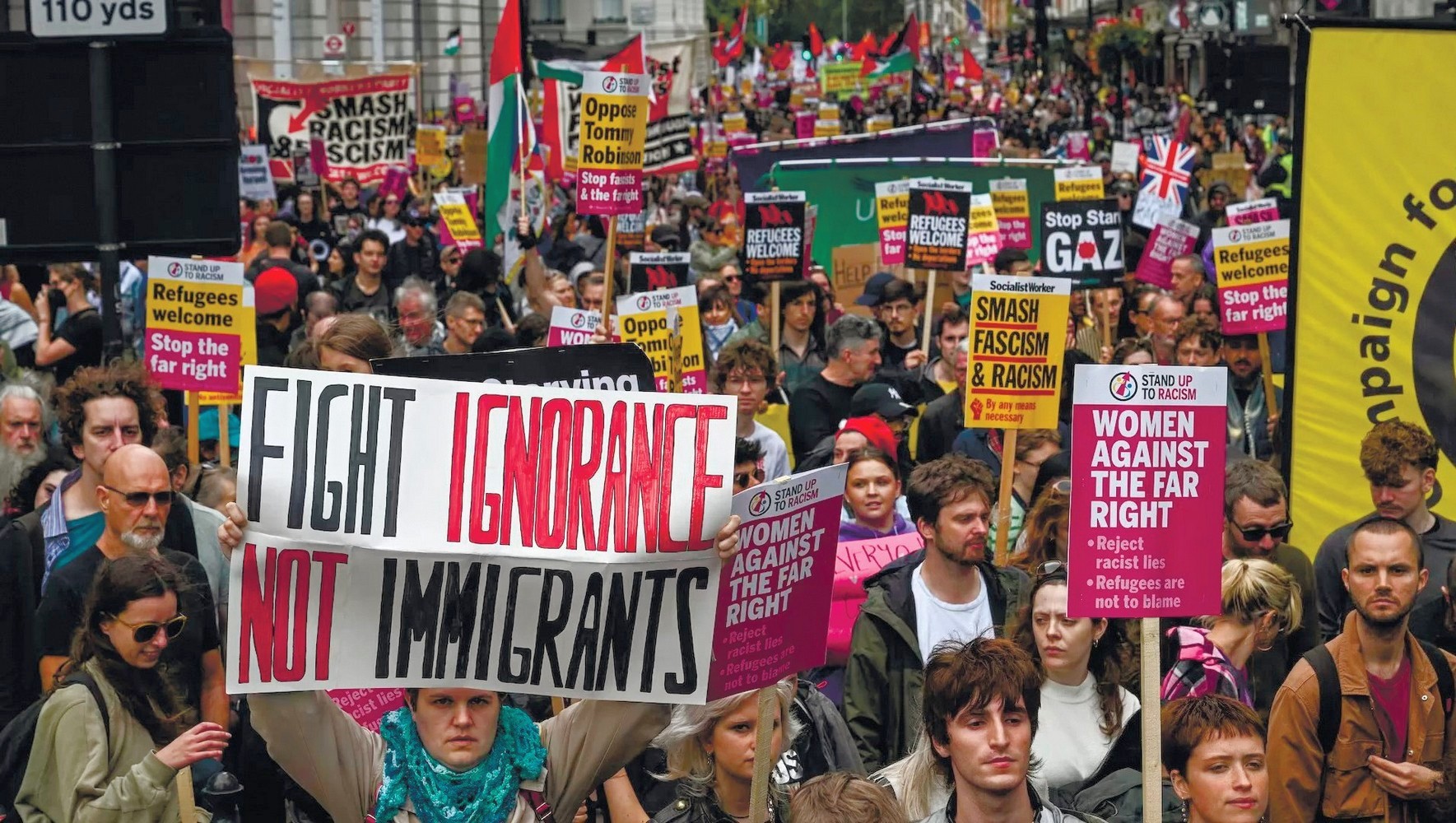
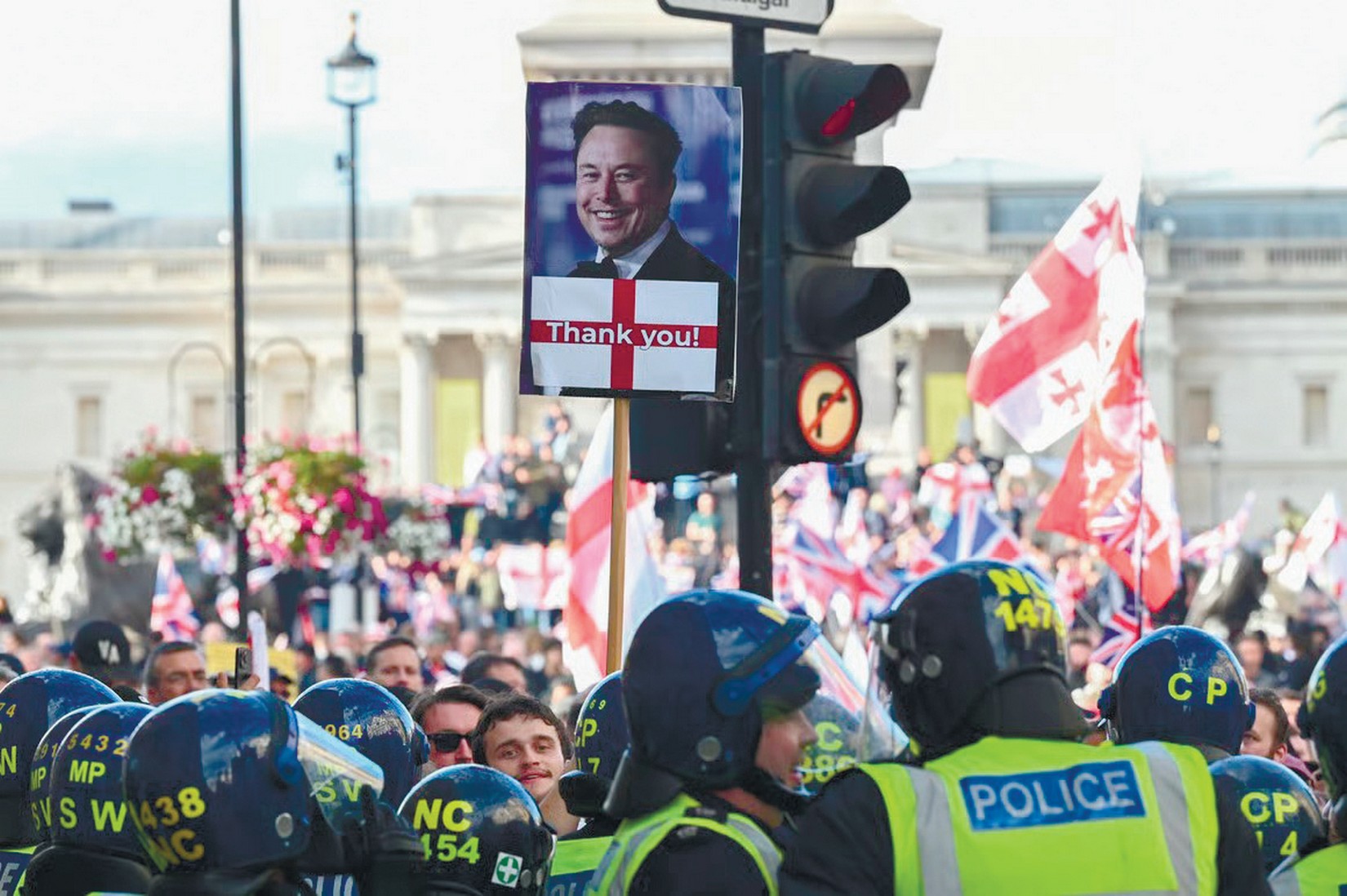
Concurrently, in both Europe and the US, there has been a notable surge in the popularity of such sentiments within the political sphere, which is predominantly attributed to the presence of migrants. There have been numerous protests in the UK by people dissatisfied with immigration, but September's Unite the Kingdom rally in London, attended by thousands, saw a record number of participants gather under the banners of the far right. The rally was organised by Tommy Robinson, founder of the far-right English Defence League, who declared that "the revolution has begun".
Robinson has become known for his Islamophobic and anti-immigrant views. The English Defence League, which he founded in 2009, organises street protests. While a revolution in Britain is improbable, this trend is noteworthy and should be given attention.
It is also interesting to note that a number of American media outlets have linked the protests in the UK to Donald Trump's MAGA movement, as there has been interference from American entrepreneur Elon Musk, who allegedly supports the far right in Europe, particularly Robinson. As Trump himself noted during his visit to the UK, millions of people, many of whom have a "dark" past, have crossed the American border unchecked under the Biden administration. The American president is convinced that they must be stopped by any means necessary.
Indeed, Britain has more illegal immigrants than any other European country. The majority of these individuals hail from non-EU countries, including India, Nigeria and Pakistan. In Britain, as in several other European countries, this was an attempt to address another issue: declining birth rates, which, as we are aware, can result in significant economic, political and social challenges. It is estimated that 50% of the EU population is now aged 44 and over. This poses a significant threat to the social model of states, which relies on working citizens contributing to support pensioners. It appears that an increase in immigration flows could be beneficial, however the situation is actually deteriorating.
During his speech at the UN General Assembly, Trump delivered a strong critique of Europe, reiterating his stance that immigrants are compromising the cultural fabric, economic stability and legal systems of their host nations. " It’s time to end the failed experiment of open borders. [...] Your countries are going to hell... Europe is in serious trouble. They’ve been invaded by a force of illegal aliens like nobody’s ever seen before... It's not sustainable. And because they choose to be politically correct, they’re doing just absolutely nothing about it. I look at London, where you have a terrible mayor. And it’s been so changed," Trump stated. At the same time, the American president placed particular emphasis on his own efforts to curb migration, suggesting that foreign leaders would be well-advised to emulate these measures.
The Reform UK party and its leader Farage, who, like Trump, advocates reducing immigration (even legal), increasing police numbers and defence spending, agree with the White House chief. It is evident that other European politicians, including Alice Weidel and Marine Le Pen, are in alignment with the sentiments expressed by Trump. The question is whether they will be the leaders who will guide the "new era" and "set the direction for this century".
International relations are evolving beyond the conventional, established framework. It is interesting to note the close interconnection between technological progress and migration policy. Nevertheless, this is now a reality...
RECOMMEND:
 193
193

