

SMOKELESS FUTURE
Jacek OLCZAK: "Over the past ten years we have not built a single cigarette factory, but sixteen factories for smokeless products"

Author: Sabira ALAKBAR, Baku-Dubai-Baku
PMI Technovation 2025, a conference organised by Philip Morris International (PMI), took place in Dubai. PMI is one of the world's largest tobacco companies, founded in the US, with operations in more than 100 countries. PMI is known for its transformation strategy, which aims to move away from conventional cigarettes and towards smokeless, reduced-risk alternatives. At the event the company presented its achievements and plans in smokeless alternatives, once again emphasising its strategic objective.
Since launching its flagship product IQOS (a tobacco-heating system developed and introduced by PMI), the company has invested more than $14 billion in research and development. To date, over 40 million smokers worldwide have switched to smokeless alternatives, which account for more than 99% of PMI's investments. In 2025 smokeless alternatives already represent over 40% of the company's gross revenue.
The conference addressed key aspects of PMI's transformation, including scientific research, the role of innovation and the challenges associated with regulatory frameworks. Particular attention was paid to the experience of countries such as Japan and Sweden. In Japan the smoking rate fell by 50% after the introduction of smokeless products, and in Sweden, according to 2022 data, adult smoking prevalence was only 5.6%, one of the lowest rates in Europe.
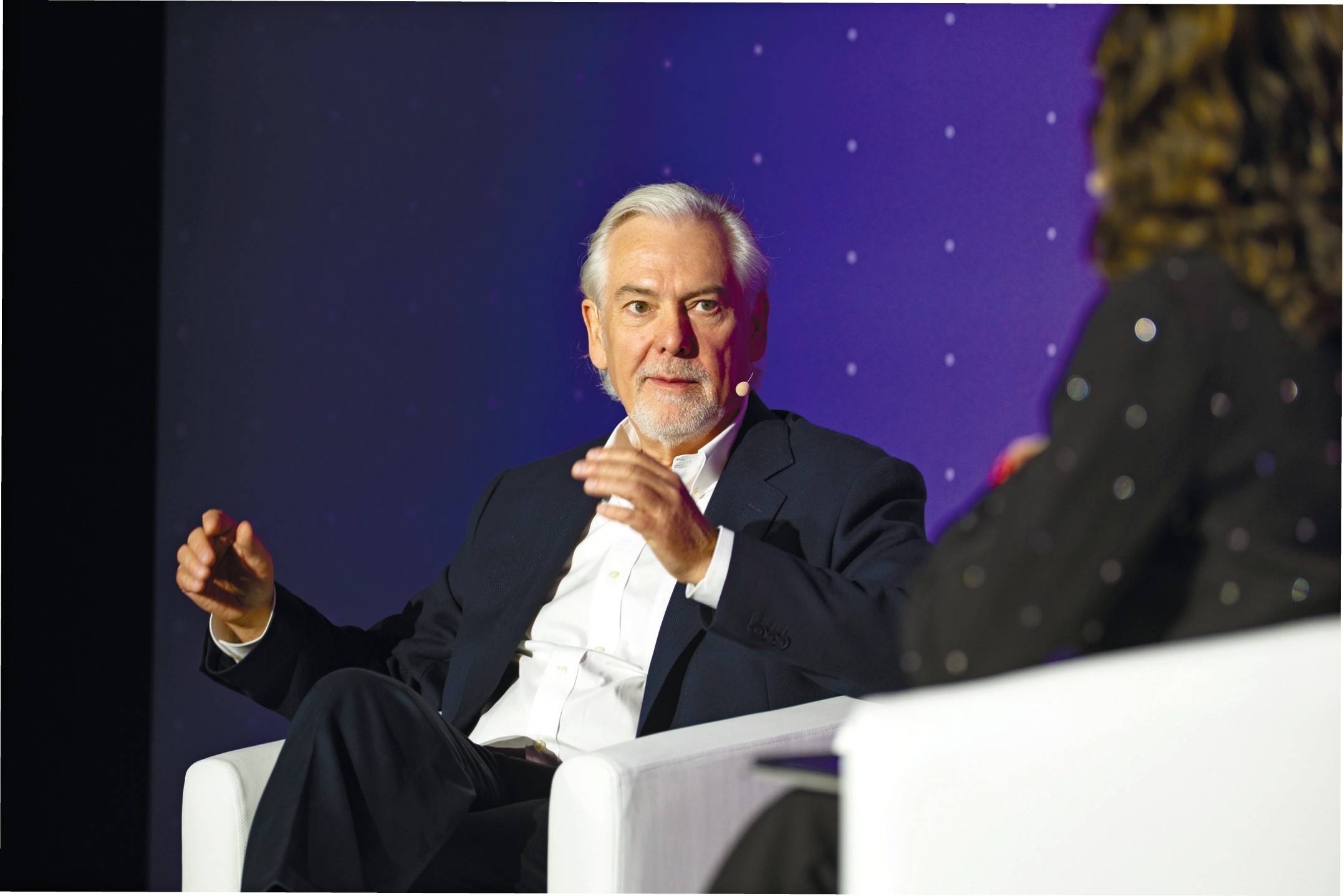
On the sidelines of the conference R+ correspondent met with PMI Chief Executive Jacek OLCHAK, who kindly agreed to answer our questions, shared his vision for the future of the tobacco industry and explained the company's strategy in transitioning to smokeless products.
"Your company has set a goal to phase out cigarettes entirely. Yet many experts regard that objective as overly ambitious while the cigarette business remains the main source of profit. Can you name a realistic year when PMI will stop producing cigarettes? How do you persuade your own business to give up its most profitable product?"
"To answer that question properly you have to analyse whether consumers are ready to accept smokeless products. We have abundant evidence from nearly one hundred markets where our smokeless products are present that smokers consider alternatives, are willing to learn about them, try them and switch. After ten years we already have 40 million consumers; in one year we sold 150 billion IQOS sticks worldwide. That shows demand is growing year after year.
"An important point is: in which countries are we allowed to sell alternatives and where can we speak to consumers about them so they can make an informed decision? People need access to information, the chance to meet representatives and try the product. In countries where they are permitted and communication is allowed, cigarette sales decline roughly 7–10% per year.
"Take Japan: ten years after IQOS introduction smoking there fell by 50%—in just ten years. I believe that in a country like Japan, over the next decade (perhaps a little longer) smoking can be virtually eliminated. But if we go to a country opposite to Japan, say Türkiye, where cigarettes are allowed but alternatives are banned, then with the current logic smoking will remain even after two hundred years.
"So my answer to 'when will we stop selling cigarettes' is this: it is not about us, it is about the consumer. When consumers stop buying, the market will change. If I stop selling traditional cigarettes tomorrow, consumers will turn either to competitors or to illicit products, and the world is full of illegal tobacco. Therefore you must think differently: if we do not change consumer choices by warning about the risks of smoking, motivating quitting, and providing alternatives, smoking will be with us for a very long time."
"How do you plan to convince public health critics—who traditionally oppose any tobacco company—that PMI's transformation is not mere PR but a genuine course? Beyond scientific publications, what concrete step could fundamentally reduce distrust?"
"I am very glad we did not listen to our critics ten years ago. Had we listened then, we would not have launched IQOS and would still be selling cigarettes. At least today, with 150 billion IQOS sticks sold, I know those are not 150 billion cigarettes. The numbers speak for themselves: 40 million users of our smokeless products are former smokers. Our company has effectively reduced the number of smokers by 40 million. That is a huge and tangible figure.
"Moreover, we have invested $14 billion in research, development, building factories and so on. Even for a company like Philip Morris, that is a very substantial sum that demonstrates seriousness of intent. Over the past ten years we have not built a single cigarette factory, but we have built sixteen factories for smokeless products.
"So the most powerful evidence is the real-world results: millions who switched to alternatives and did not return to cigarettes, significant investment and infrastructure. That reduces the 'image' rhetoric and makes the transformation tangible. "
"Azerbaijan is called a 'leading market' where, by your public statements, 100% of PMI’s revenue comes from the smokeless segment. What produced that effect—laws, consumers, marketing or a combination of factors? And what one key lesson from Azerbaijan are you now applying to other developing markets?"
"Specifically regarding Azerbaijan. Does it not seem logical that when we entered the Azerbaijani market, with two million smokers, we could have secured a premium, image-driven, high-margin niche of conventional cigarettes as a symbol of status and exclusivity before committing to the costly technological race with IQOS? But we did not do that. Our first product in your market was smokeless cigarettes.
"In Azerbaijan, on the one hand the government recognised a difference between products—this was reflected in differentiated tax burdens and tax rates, and that is a positive signal. But that is not everything. The most important current issue is marketing and communication: what freedoms producers have and how you can differentiate the product from cigarettes. When the market offers smokers a diversity of alternatives and they are properly informed, the majority make a measured decision. Today in Azerbaijan the products are permitted, but with respect to regulatory mechanisms they are effectively positioned as cigarettes—and that creates limits on communication and marketing. I am not talking about flashy advertising. I am talking about the consumer's right to information about a product. It is the combination of factors—consumer willingness to try new things, market ecosystem and absence of artificial barriers to communication—that produces a rapid effect. The key lesson from Azerbaijan: if you recognise product differences and allow people to receive information and try alternatives, the transition happens quickly."
"In many countries, notably Brazil or Türkiye, smokeless alternatives are banned while cigarettes remain legal. How do you explain this contradiction in international regulation and what single scientifically grounded approach would you propose to governments worldwide?"
"It is entirely illogical and not science-based—a policy stuck in the past: banning less harmful alternatives while permitting the most harmful form of nicotine. Brazil and Türkiye, as is known, have effectively banned a number of tobacco products and pride themselves on tough anti-tobacco policies. But what is the net result? Cigarette sales do not fall, they rise! Rather than admit the obvious, these states in effect deny their citizens access to better alternatives: after forty years of such policy we still have millions of smokers. It is like banning seat belts but continuing to sell cars.
"Think of everything we have done to make smokers quit: shocking health warnings and marketing bans, restricting where a product can be used and excessively high excise taxes and cigarette prices. And still people keep smoking. Clearly people like to smoke, so it is time to change the approach. You should not ban but offer harm-reducing alternatives. At the same time, in countries that provided real alternatives, there has been a significant fall in smoking: as I pointed out with Japan and Sweden. In countries where alternatives are banned the number of smokers increases—and they fall decades behind.
"A scientifically grounded approach is simple: regulation should be proportionate to risk. If a product demonstrably reduces harm, it should be regulated differently from cigarettes, while maintaining measures to prevent access by minors. Regulators should not focus on banning technologies but on how to encourage switching—akin to what is done with electric vehicles (infrastructure, tax incentives, etc.). If a product reduces smoking by 7% per year, think about what can be done to double that figure.
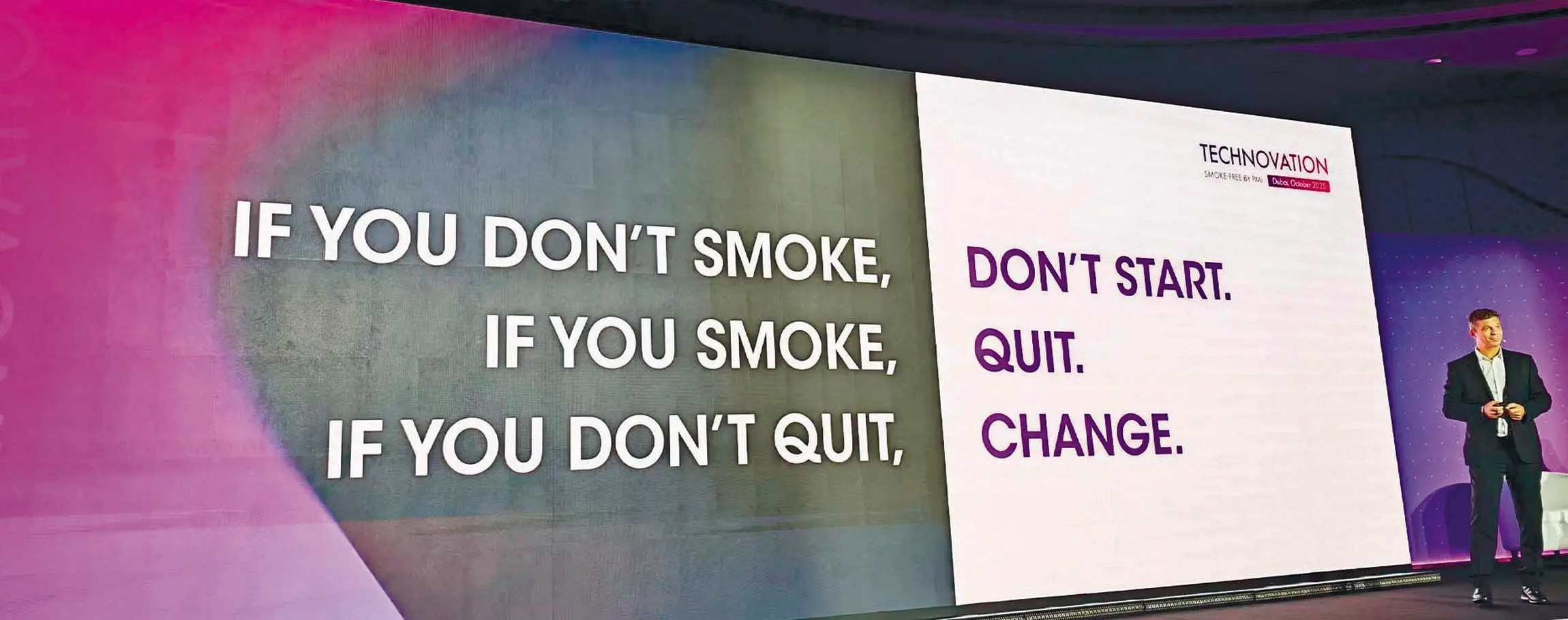
"Otherwise we risk wasting time and postponing positive health impacts. If we want to be honest and pragmatic, we should accept three main tenets, which PMI has formulated as the basis of its strategy: "If you don't smoke, don't start. If you smoke, quit. If you don't quit, switch-change." The third principle—the smoker's right to "switch"—should underpin sound policy, not archaic bans."
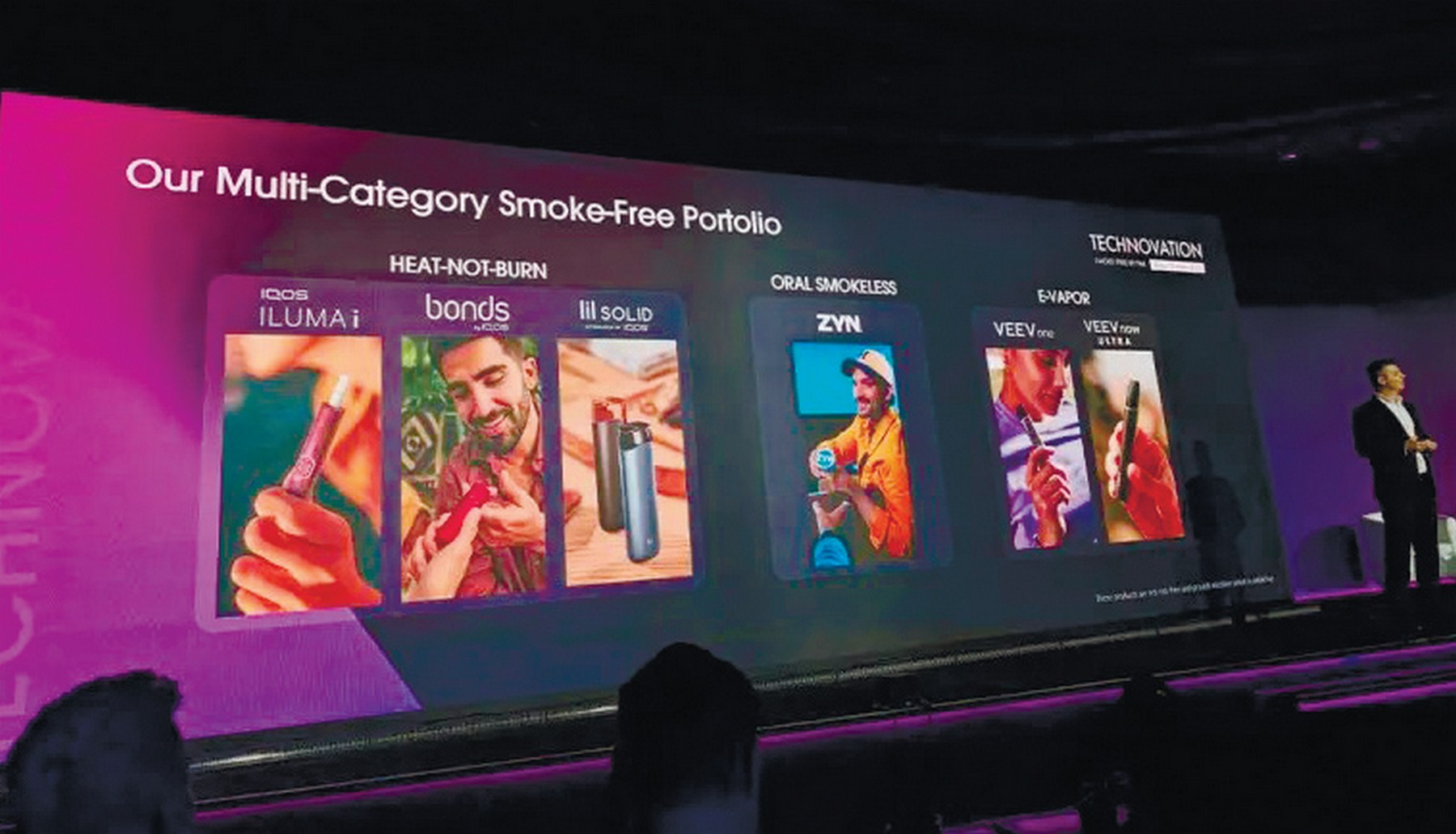
Philip Morris International builds its strategy on a scientific foundation and starts from a core idea: harm to health stems not from nicotine and tobacco per se but from products of tobacco combustion. That is why PMI bets on smokeless alternatives, offering smokers realistic reduced-risk options that also decrease harm to bystanders.
The experiences of Japan, Sweden and Azerbaijan show that when consumers gain access to information and safer products, they can make an informed choice. A science-based approach combined with innovative technologies allows PMI not only to reduce cigarette sales but also to materially lower the harm caused by smoking for millions of people worldwide—both for smokers themselves and for those around them.
Thus, according to Jacek Olchak, the future of the tobacco industry lies in a shift to smokeless products, where regulation, technology and consumer education create the conditions for a global transformation and substantial improvements in public health.
RECOMMEND:
 302
302

