

SCOOTER WITHOUT RULES
Electric scooters could become part of Baku’s modern urban landscape, provided safety is governed by strict legislation
Author: Sabira ALAKBAR
While world capitals are introducing the toughest restrictions – and even total bans – on the use of electric scooters, citing public safety concerns and the strain on infrastructure, Azerbaijan has taken a different path. In Baku, scooters have become a symbol of micromobility and youth leisure. Yet, the growing number of road accidents, including tragic fatal incidents, raises an urgent question: how can innovation and safety on the roads be reconciled?
Baku is not Paris
Transport expert Aslan Asadov rightly notes that the reasons behind European bans lie largely in climatic and infrastructural factors. In countries with long, cold seasons and frequent rainfall, the seasonal nature of scooter use reduces their relevance as year-round transport.
"In Azerbaijan, however, the situation is entirely different. In recent years, scooters have become especially popular among young people… In areas of the capital with heavy traffic, they provide mobility and speed. Therefore, a ban is not expected any time soon," the expert emphasises.
Indeed, thanks to the warm climate and the need to relieve congestion in central districts, scooters are viewed as a useful element of the urban environment. They offer a fast, affordable, and environmentally friendly alternative to private cars – ideal for short distances.
The dangers of scootering
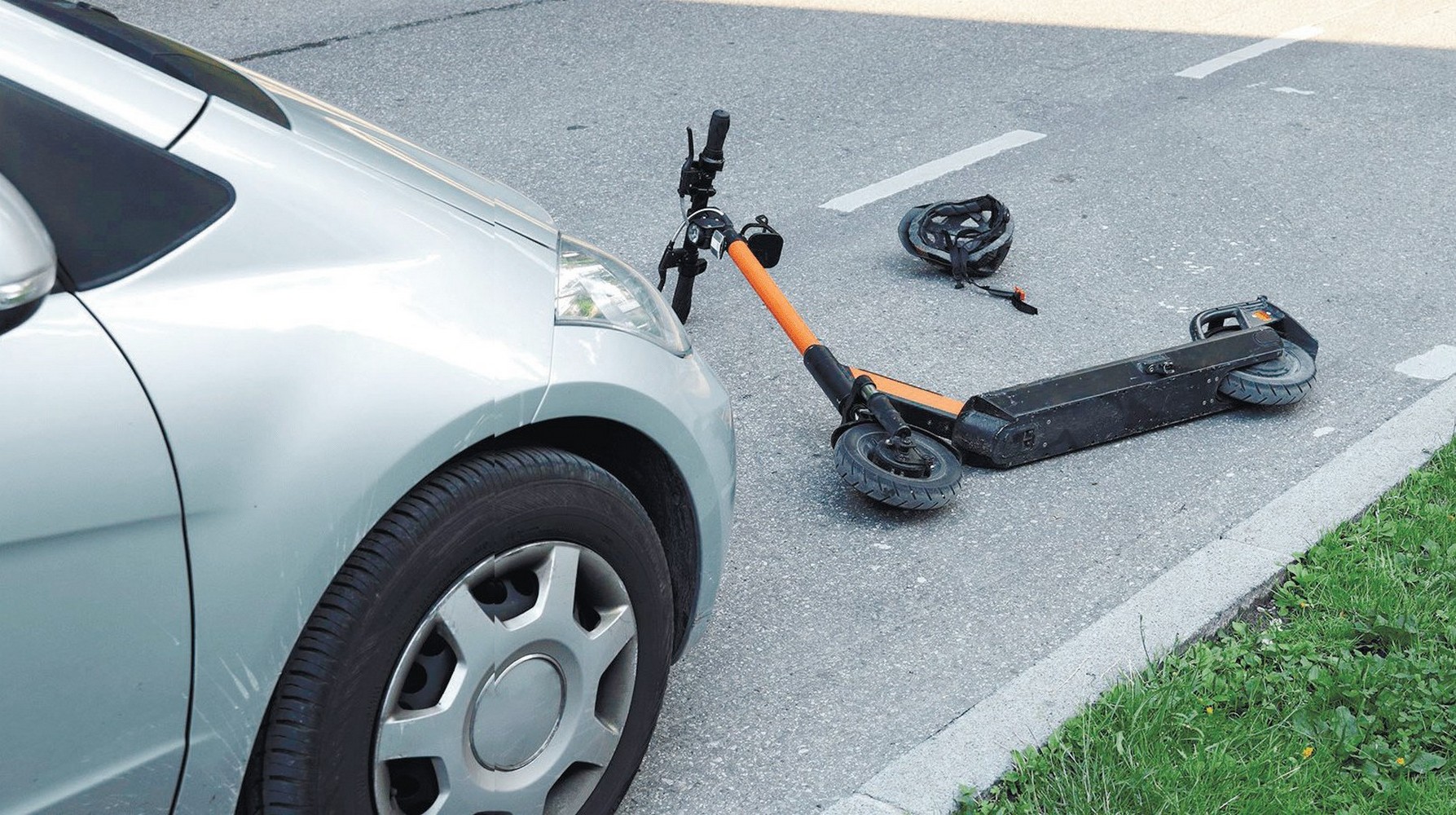
However, the positive potential of electric scooters is overshadowed by a worrying rise in accidents. Baku’s news feeds regularly report collisions in which scooter riders become either victims or culprits. Cases of running red lights, reckless manoeuvres between vehicles, and a lack of protective gear (particularly helmets) turn the scooter from a convenient gadget into a high-risk vehicle.
The situation is especially critical in crowded areas, where scooters endanger pedestrians due to excessive speed – an indication of poor road culture and disregard for basic rules. It is common to see riders ignoring prohibitive signs and riding through pedestrian zones where electric scooters clearly do not belong. The result can be tragic.
Children on the road
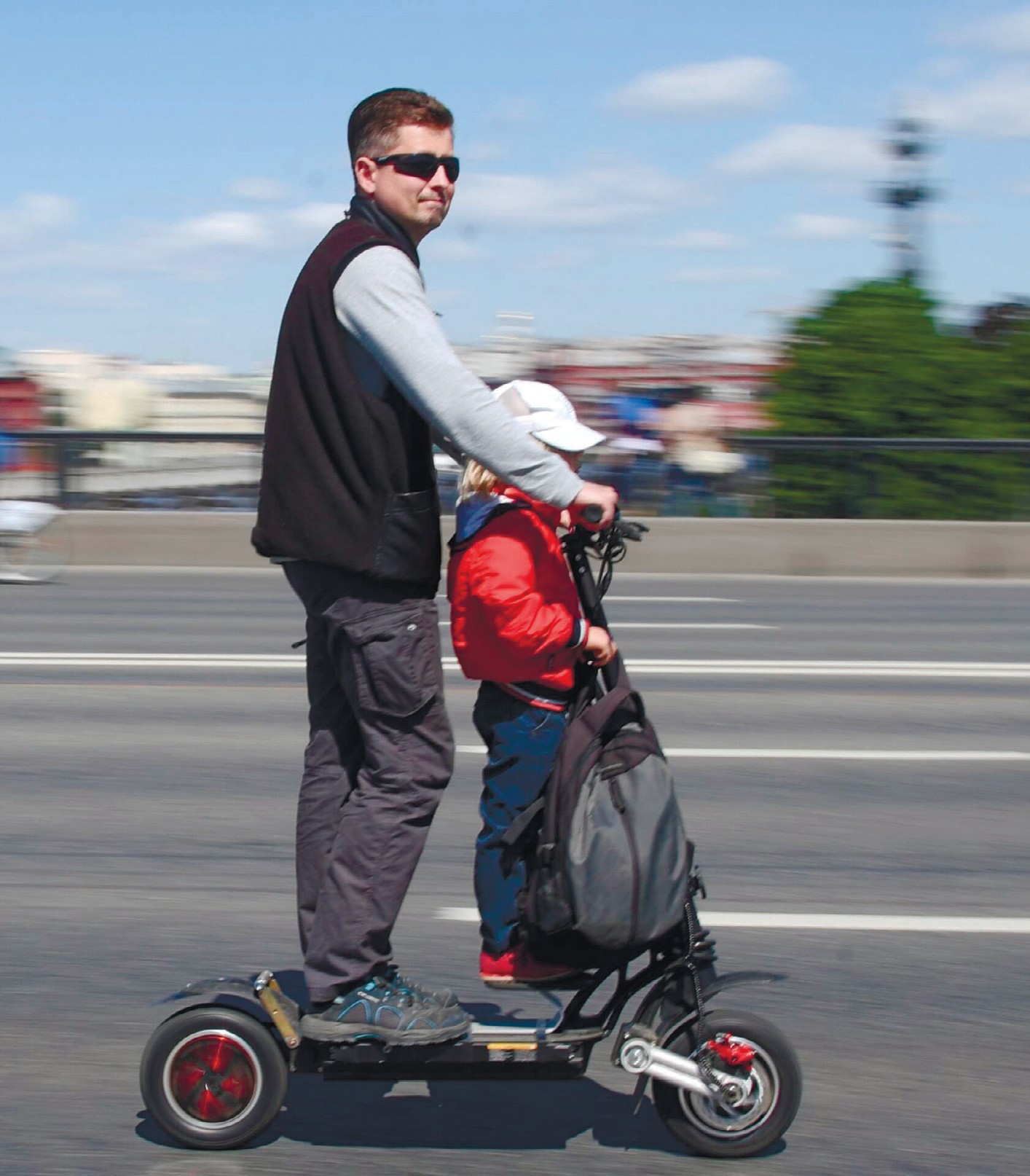
The most distressing aspect of the problem is the widespread use of scooters by children and teenagers, including on busy streets in Baku. Lacking experience or the ability to assess traffic situations, they become the most vulnerable road users. Their injuries in accidents often result in fatalities or lifelong disabilities.
Azerbaijani legislation has taken an important step by defining a scooter as a "small electric vehicle" (with a power of up to 1 kW and a weight of up to 55 kg) and setting a minimum driving age of 14. This amendment to the Law On Road Traffic was intended to bring scooter riders into the legal framework by equating them with cyclists.
However, the law clashes with social carelessness. Children clearly under 14 continue to ride in the streets. Their presence on the road is a direct consequence of parental negligence.
Moral and legal responsibility
At present, Azerbaijani legislation contains an evident gap: the absence of a clear and strict administrative mechanism for holding parents accountable.
Although civil liability for damage caused by a child under 14 already falls on parents, this measure is retrospective and fails to prevent tragedies. Effective prevention requires amendments to the Administrative Code.
Among proposed tightening measures is the introduction of a specific and substantial administrative fine for parents. This fine would apply either for the very act of "handing over control" of an electric scooter to someone under 14 or for "failure to fulfil parental duties" that led to a child riding into traffic. Experts also propose introducing administrative responsibility for parents whose underage children are caught riding without a protective helmet, as well as granting law enforcement the right to temporarily confiscate a scooter until a legal guardian arrives.
Another critical issue in reducing injuries is the legal regulation of protective gear. Since the Law "On Road Traffic" classifies a "small electric vehicle" as equivalent to a bicycle, it is often not subject to the same strict helmet requirements imposed on riders of mopeds or motorcycles.
Yet it must be noted that some scooters can reach speeds of 25 km/h or more. The absence of a helmet in an accident often proves fatal, leading to head trauma or death. The current complacency – among both users and their parents – stems directly from the lack of a clear legal rule mandating protective gear for this category of transport.
The situation mirrors the mandatory use of seatbelts in cars: although a passive safety measure, it is legally required in most countries (including Azerbaijan), and violations incur fines. To address this issue, the Administrative Code should be amended to make helmet use compulsory for riders of electric scooters and bicycles, especially minors. Furthermore, parents whose children are caught riding without helmets should face significant fines. The state must act as a guarantor of safety, making basic protection a legal requirement, not merely a recommendation.
Formalising these rules in the Administrative Code will transform the current age and safety requirements from mere declarations into enforceable legal norms.
Equally important is ensuring accountability for adult scooter riders. Such drivers often blatantly ignore existing cycle lanes, opting instead for pavements or car lanes, and frequently ride without helmets – setting a negative example for youth and creating direct risks. It is essential to enshrine in Azerbaijan’s Administrative Code specific penalties for riding scooters on pavements (outside designated areas) and for the absence of protective equipment among all users. Only the inevitability of punishment, regardless of age, can elevate scooter-riding culture to the necessary standard.
Two sides of the coin
On the other hand, one positive development lies in the improvement of urban infrastructure. In Baku, bicycle lanes have been created and, under new legislative provisions, are designated zones for scooter traffic.
However, infrastructure alone cannot ensure safety. Many users continue to ignore these designated lanes. Thus, the city’s task is not only to create such routes but to ensure their continuity, logical layout, and strict enforcement of proper use by scooter riders. This also includes monitoring compliance with speed limits, especially near pedestrian areas.
Strict regulation
While Azerbaijan recognises the benefits of micromobility, it is in no rush to follow Europe’s path of total prohibition – nor should it. Yet without immediate and rigorous regulatory measures, particularly those strengthening parental responsibility and discipline among both minors and adults, the situation cannot be controlled.
Electric scooters can indeed become part of Baku’s modern image – but only if that image is not marred by daily reports of road casualties. The key to success lies in a balanced approach: developing infrastructure, enforcing strict legislation, and, most importantly, fostering personal responsibility.
Baku stands at a crossroads. Choosing the path of discipline, accountability, and the inevitability of punishment can transform scooters into a safe and useful form of urban transport. The choice is clear: law and order must become the principal investment in the future of micromobility.
RECOMMEND:
 215
215