

GREEN AND SMART
Restoration works in Garabagh and East Zangezur contribute to the development of a new urban planning concept in Azerbaijan
Author: Aghasaf NAJAFOV
Five years have passed since the Victory in the Patriotic War. In this short period, many thousands of kilometres of roads have been laid in Garabagh and East Zangezur, three airports have been built, the energy and utility sectors have been restored, and housing, social, and industrial facilities are being constructed.
This "great construction" has supported local builders and contractors and helped increase the production of building materials, becoming a driver for the development of the entire industry.
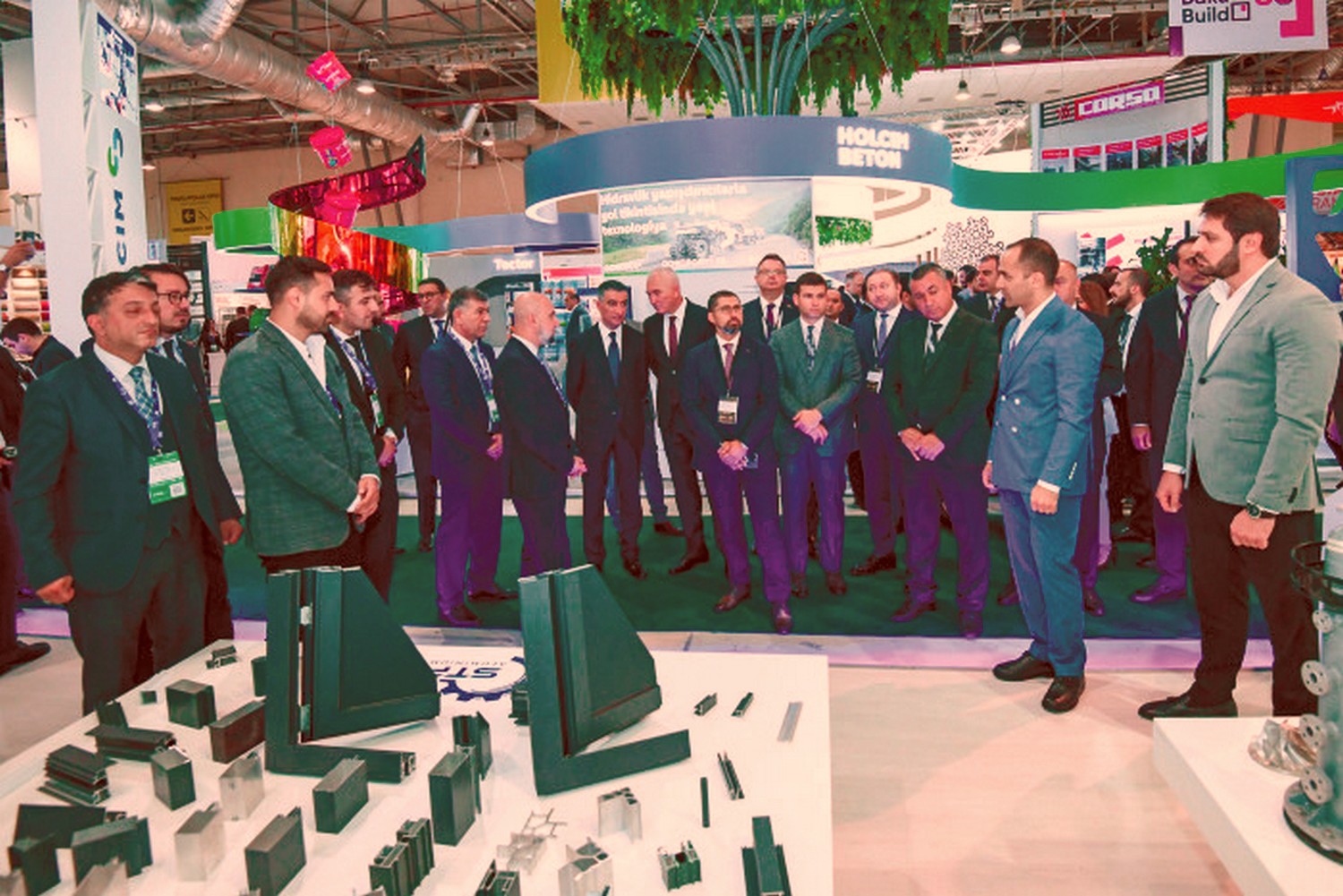
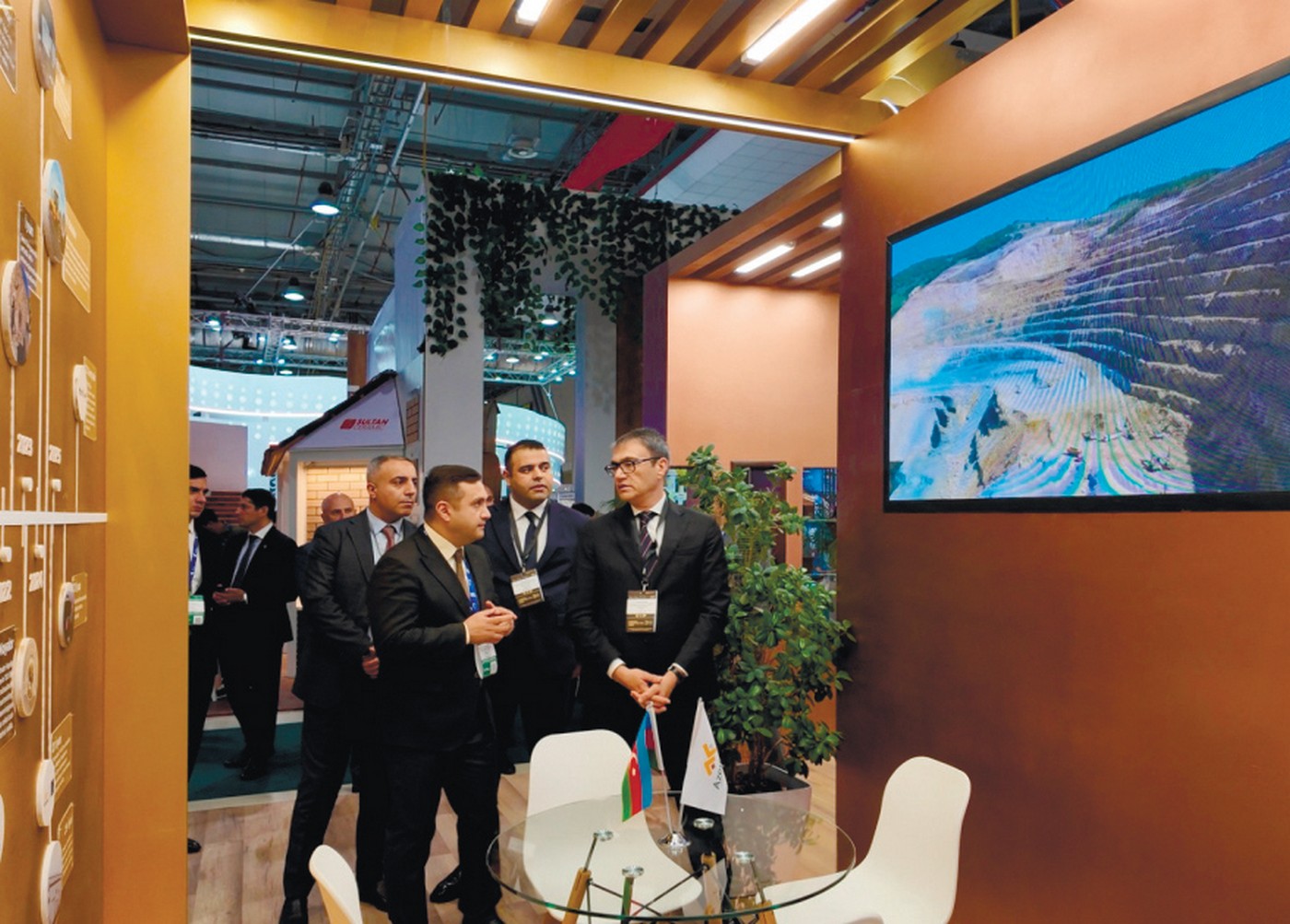
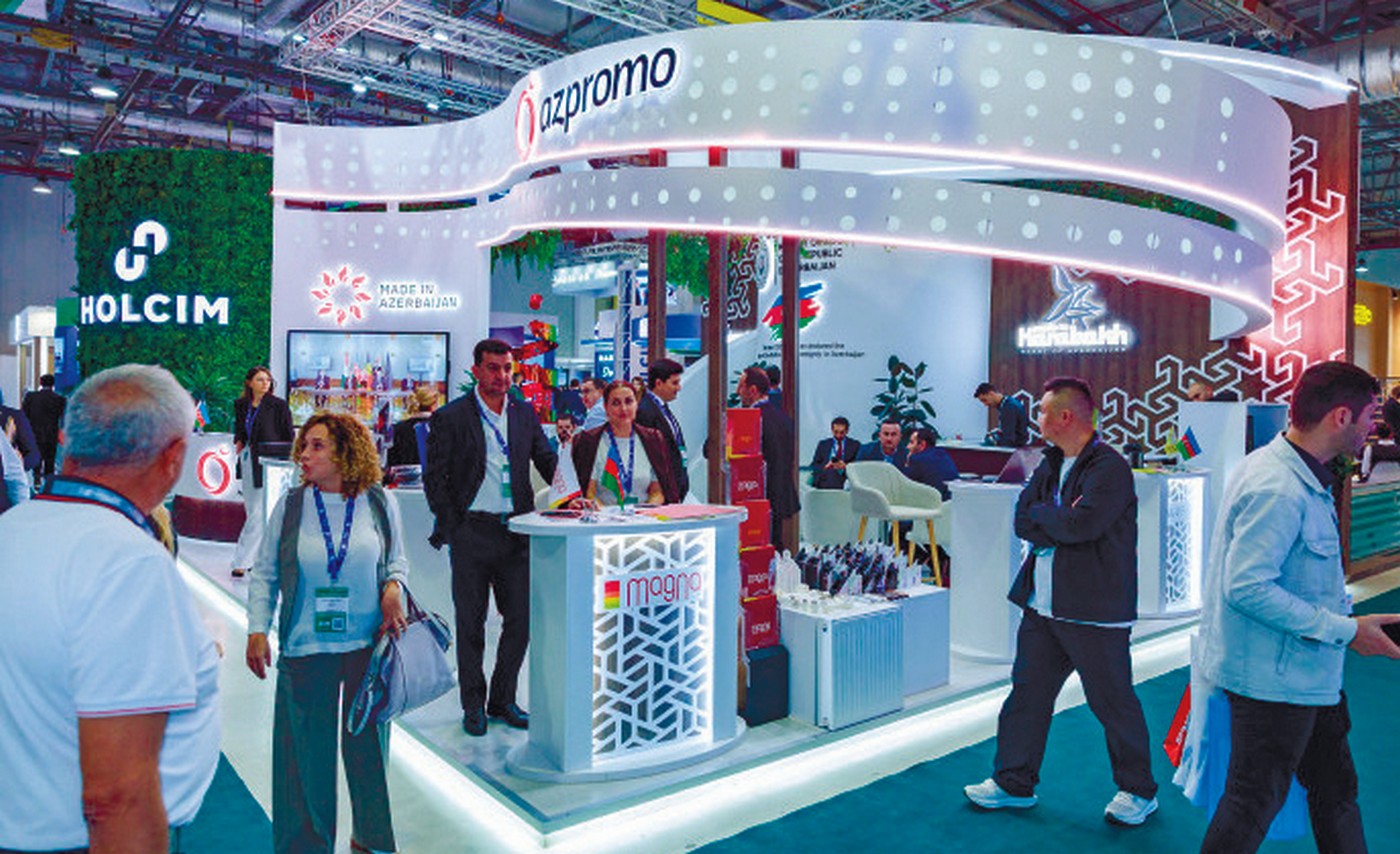
The scale of the work carried out and the new trends were demonstrated during the V Azerbaijan International "Restoration, Reconstruction and Development of Garabagh" (Rebuild Garabagh 2025) exhibition, as well as the III National Urban Development Forum (NUFA3).
By joint efforts
"This year's 'Restoration, Reconstruction and Development of Garabagh' exhibition coincides with a significant period in the history of Azerbaijan's statehood—important anniversaries that personify our sovereignty and national unity: we are proudly celebrating the thirtieth anniversary of the adoption of our Constitution and the fifth anniversary of the historic Victory in the Patriotic War," stated President of Azerbaijan Ilham Aliyev at Rebuild Garabagh 2025.
The unceasing interest in the Caspian Construction Week forums clearly demonstrates the desire of global producers of building materials, providers of construction services, developers of advanced technologies, and design and consulting firms to participate as contractors in multi-billion projects in the liberated territories. This is not surprising, given the unprecedented volumes of the "great Garabagh construction" for the Caspian region: the budget funds allocated for restoration work in 2021-2025 are estimated at more than ₼23 billion. And this is far from the limit, as the long-term plan involves developing the territory for the return of over 1.1 million people to their native cities and villages.
Turkish companies are leading in the contract work, implementing the lion's share of contracts for the supply of equipment and the construction of roads, railways, airports, and utility and energy infrastructure. Turkish businesses have also submitted a considerable number of investment applications for the development of mineral resources, gold and copper deposits, the development of the tourism sector, agricultural processing, clothing production, and so on.
Italian contractors are active in the development of the power grid and substations, while companies from Russia and Belarus are carrying out projects for servicing cargo transport and constructing an agro-town. There are also a number of proposals from entrepreneurs from Uzbekistan, Kazakhstan, the United Kingdom, Hungary, Israel, and Pakistan—in total, from over four dozen countries.
However, to the greatest extent, the "construction site" in the liberated lands has been providing work for dozens of domestic housing construction cooperatives, as well as contracting and transport structures, for five years now. Moreover, these capital-intensive works have played the role of a driver, stimulating the growth of basic building materials production, including through increased state orders.
According to the State Statistics Committee, in 2022, local enterprises increased the production of building materials by 12.6%; in 2023, this figure rose by 31.8%, and it remained at 16.9% in 2024. The results for 2025 have not yet been summarised, but in three quarters, the volume of building materials production has already surpassed 1 billion ₼.
It is noteworthy that local enterprises, having increased output, have also replenished their warehouse stocks, allowing them to operate flexibly with supplies and sell surplus products abroad. As Ramiz Isayev, chairman of the Association of Construction Material Producers of Azerbaijan, noted, in 2023, the export of building materials amounted to about $60 million; in 2024, it was $68.5 million, which is 14.2% more, and by the end of 2025, last year's figure may be exceeded by 20%. According to the expert, this is due to the dynamic development of the industry against the backdrop of growing domestic demand for products.
"The main demand is for concrete, cement, rebar, insulation materials, bricks, tiles, and metal structures: a large part of the demand is driven by large infrastructure projects within the country, including the 'Great Return' programme, as well as orders from Georgia and Central Asian countries," emphasised R. Isayev.
Climate-resilient and healthy cities
In the second stage of the Garabagh region's revival, the vector has shifted towards the construction of residential and social infrastructure, as well as, within the framework of public-private partnerships, the opening of service and production facilities to create jobs for citizens returning to their native homes. There is more than enough work here—currently, master plans for 8 cities and 90 villages with a population of over 300,000 people have been approved[cite: 30, 31].
Today, citizens have returned to six cities and 22 villages liberated from occupation. The process of receiving former internally displaced persons is most active in Shusha, Zangilan, Fuzuli, Aghdam, and Lachin districts, where housing construction is underway. By the beginning of 2027, it is planned to build several tens of thousands of apartments and individual residential houses here.
For the first time in Azerbaijan's modern history, work in the Garabagh region is being carried out using the most advanced urban planning methods. The basic principle here is the development of energy-efficient cities and villages using modern "green" and digital solutions, including mechanisms of the "Smart City" concept in managing the utility and residential sectors, as well as public transport.
The achievements of recent years and the prospects for implementing advanced solutions in this sphere were discussed first in Khankendi and then in Baku, where the panel sessions of NUFA3 were held. The forum, organised in partnership with the State Committee for Urban Planning and Architecture of Azerbaijan and the UN Human Settlements Programme (UN-Habitat), was attended by about 400 delegates from over 60 countries.
This year's NUFA3 events were held under the motto "Climate-resilient and healthy cities: regional partnerships and innovative solutions". "The national urban development forums, held jointly with UN-Habitat, are another clear manifestation of Azerbaijan's successful cooperation with international partners in this field," Ilham Aliyev said in his address to the NUFA3 participants.
The head of state emphasised that the approaches adopted in the country in the field of urban planning and urbanisation, as well as the construction and restoration work carried out in the Garabagh and East Zangezur economic regions, demonstrate the strategic vision of the Azerbaijani state and its ability to realise its urban planning goals.
Basic principles
The process of restoring the Garabagh region is linked with the tasks of sustainable development, environmental safety, and the use of modern technologies in architectural design and urban environment management. New approaches are being tested here—digital planning, energy-efficient construction, renewable energy sources, and the integration of natural landscapes into the architectural space.
The strategic direction of Azerbaijan's urban planning policy is focused on forming an ecologically safe, sustainable, and convenient urban environment. Particular attention is paid to adapting cities to climate change, developing energy-efficient infrastructure, and creating a balanced urban ecosystem.
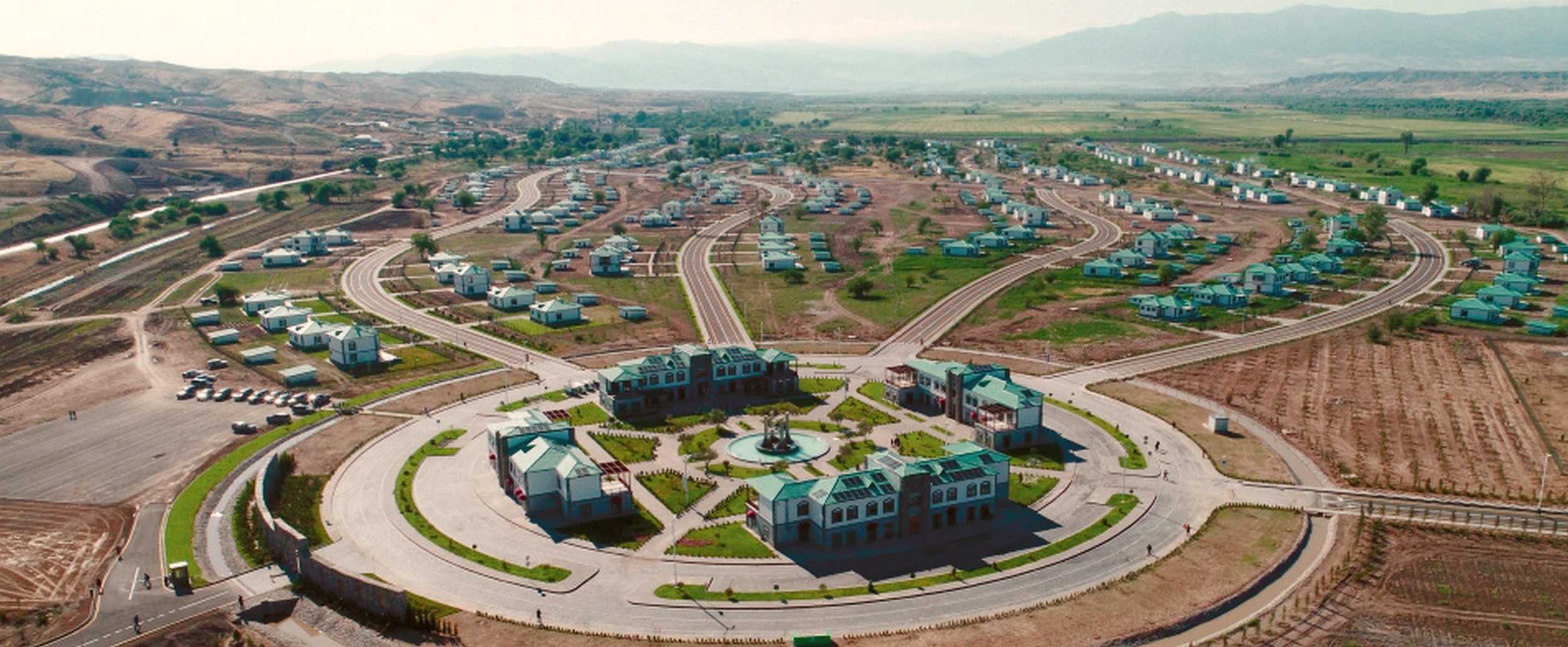
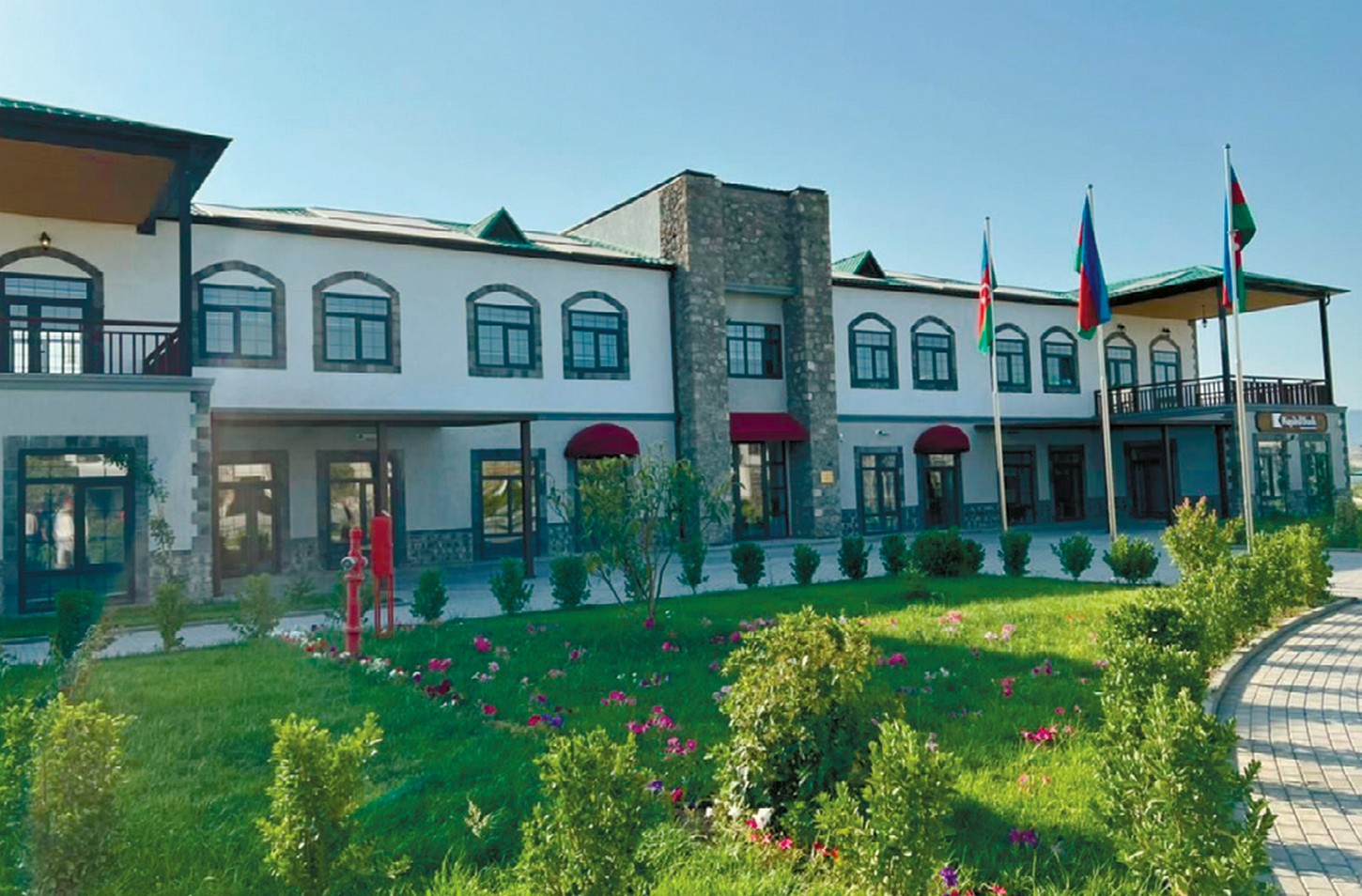
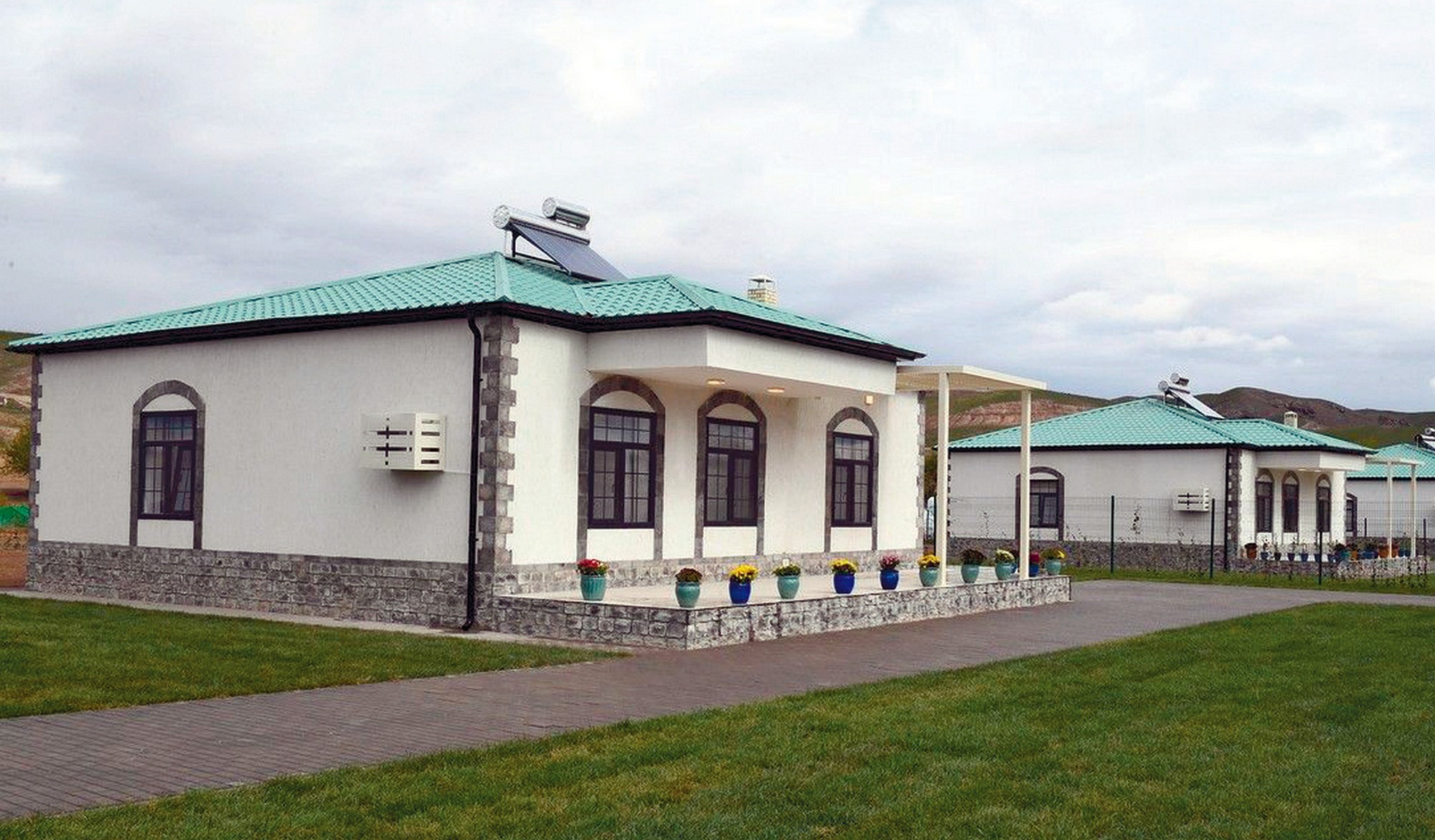
For clarity, during the forum, the villages of Aghali in the Zangilan district and Dovletyarly in the Fuzuli district, as well as the city of Khojaly, were presented as examples of forming "smart" settlements, where the "Smart City" and "Smart Village" concepts are being implemented. In these settlements and in Garabagh as a whole, elements of digitalisation of the utility sector and waste management are being widely introduced for the first time in the post-Soviet space, and "green" generation is being used.
According to Javid Abdullayev, Director of the State Agency for Renewables, the village of Aghali is a benchmark in terms of sustainable solutions and "green" technologies. A benchmark has been established here, against which all work in this area can be compared.
Shusha, Khankendi, Khojaly, Aghdam, and Lachin are actively using the latest technologies in fire safety and natural disaster warning systems, and integrated management centres for urban transport with "smart" parking, bus stops, etc., are being created. Eco-friendly materials and IoT technologies ("smart home") are being widely used in housing construction.
Renewables are seen as the main element for powering the settlements of Garabagh. The most effective electricity distribution has been formed in the city of Shusha: the city uses LED lighting, and solar panels are being installed en masse, etc.
The principle of energy efficiency is recognised as a basic parameter for the construction of multi-storey and individual houses in the liberated territories. Based on the experience of European countries, the State Committee for Urban Planning and Architecture has adopted energy efficiency categories A, B, C, D, and E. Specifically, the operation of buildings below category C is already prohibited in Azerbaijan, and the construction of low-category houses will not be permitted in the Garabagh region either.
At the same time, business entities are being encouraged to improve the energy efficiency of buildings, introduce economical lighting, heating, and air conditioning systems, improve thermal insulation, and so on. The creation of accessible public spaces, a safe transport environment, ecologically clean recreation zones, and educational centres is becoming an integral part of the development strategy for cities and villages in the liberated territories of the country.
"Today, in the Garabagh region, not only are destroyed cities being restored, but a sustainable and intelligent living environment is being created from scratch: residents will be able to reach hospitals, schools, kindergartens, and service points within 15 minutes. This is the '15-minute city model,' which promotes an ecological and efficient lifestyle," stated Vahid Hajiyev, the President's Special Representative for the Gubadli, Jabrayil, and Zangilan districts.
According to him, new settlements are being built along major highways and transit lines, which facilitates residents' access to workplaces, logistics centres, and industrial zones, and also stimulates local entrepreneurship. This approach saves the budget and ensures comfort for residents.
There is no doubt that advanced technologies and know-how in the field of urban planning and the formation of an urbanised environment will become the basic principle of the new revival programme for the Garabagh region.
The experience accumulated here is gradually becoming the basis for applying similar approaches throughout the country, forming a unified urban planning vision—the concept of the "new Azerbaijani city".
RECOMMEND:
 196
196

