

FRAGILE TRUCE IN GAZA
Will the international community succeed in preventing the resumption of war between Israelis and Palestinians?
Author: Natig NAZIMOGHLU
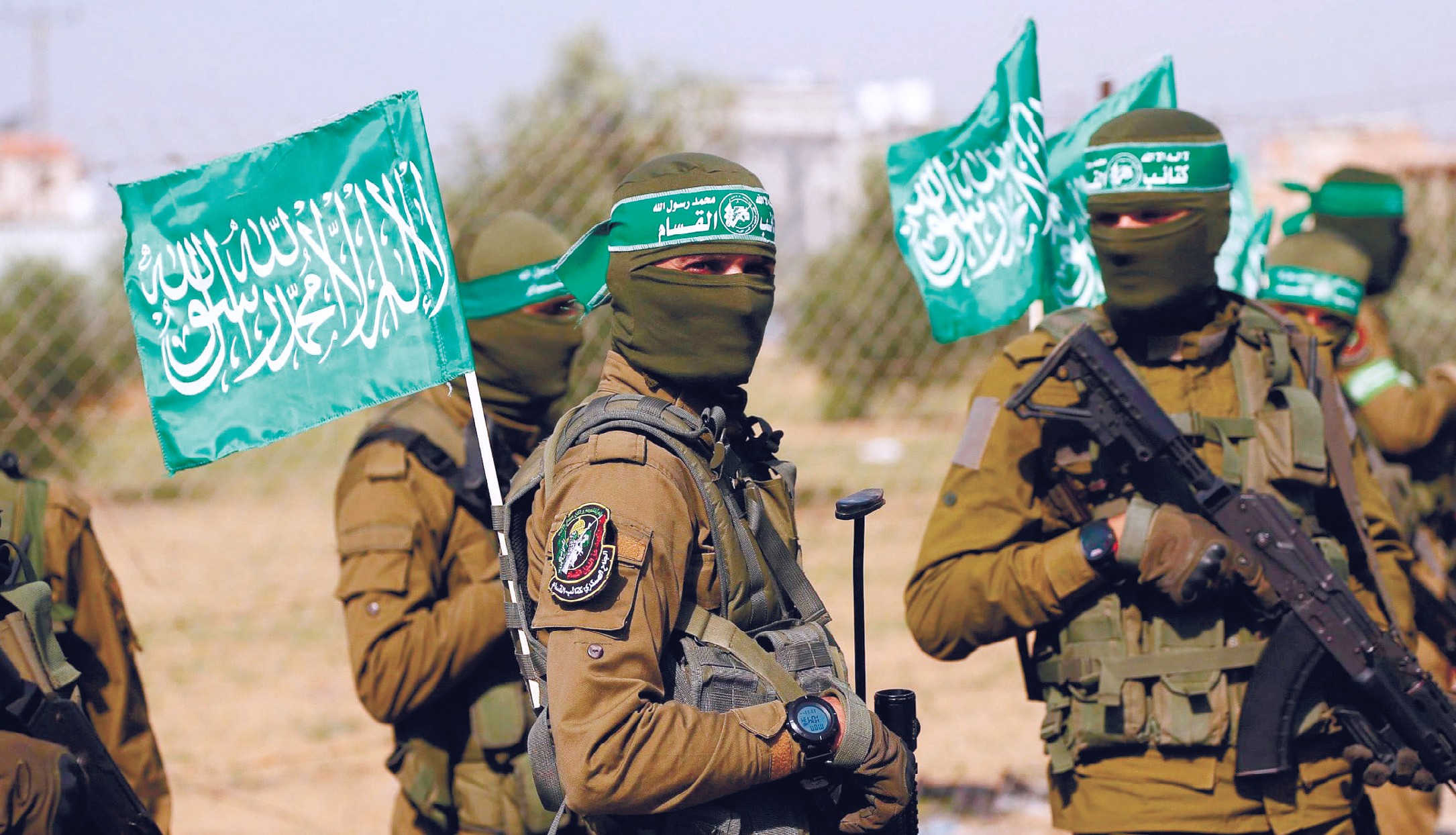
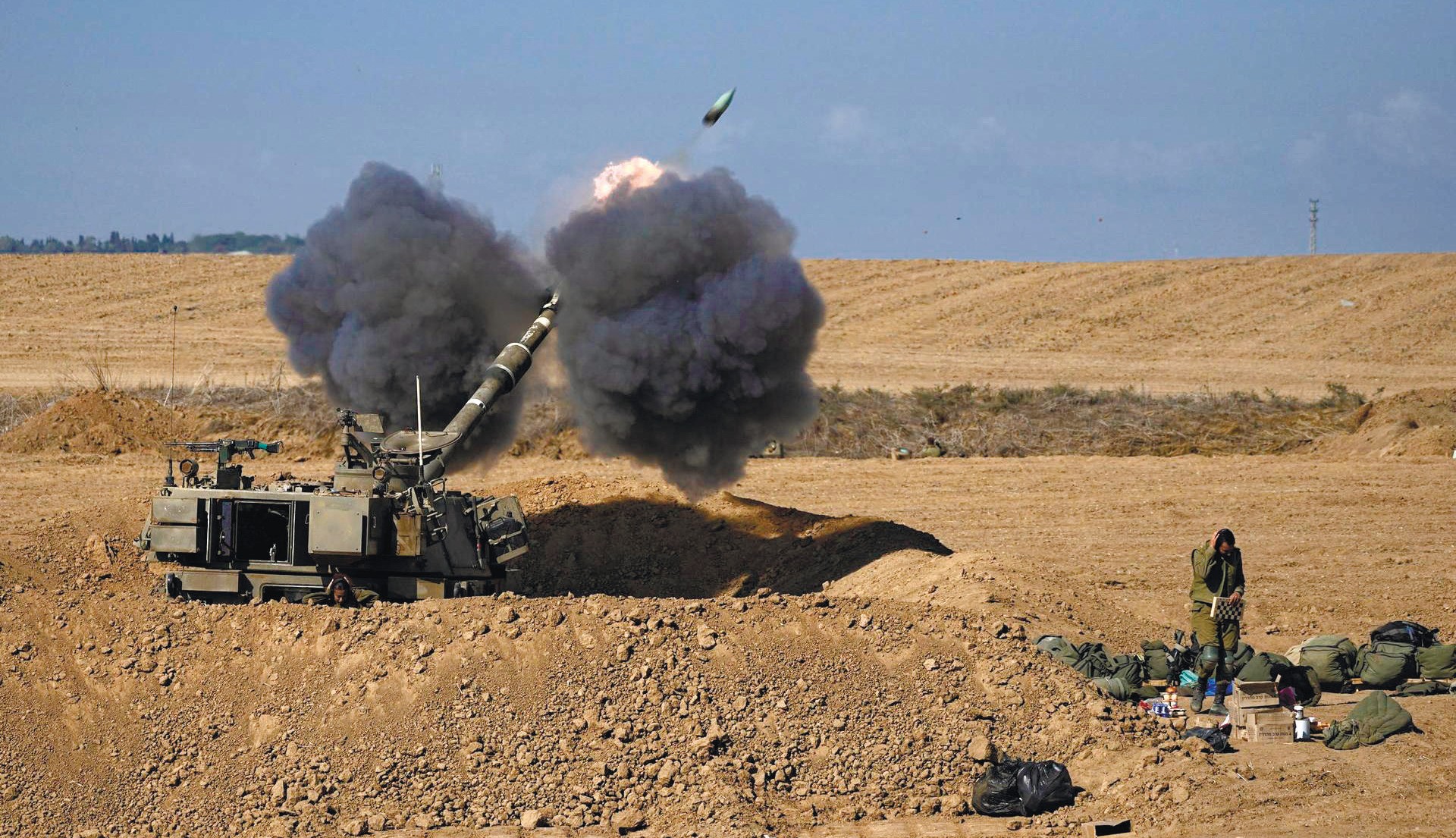
The ceasefire regime established by the agreement concluded at the Sharm el-Sheikh Peace Summit is generally holding in the Gaza Strip. However, periodic Israeli strikes on the Palestinian enclave and the still uncertain fate of the radical group Hamas mean that a genuine peace has not yet taken root.
IDF strikes and Hamas tunnels
Under the agreements based on US President Donald Trump's peace plan, Hamas freed Israeli hostages who had been held for 737 days. In return, Israel released 250 Palestinian prisoners from its jails and 1,718 detainees within the Gaza Strip, and pulled its troops back to the so-called "yellow zone". Nonetheless, even after this withdrawal, the IDF still controls over 50% of the enclave.
The peace plan put forward by the US administration also calls for the disarmament of Hamas. Consequently, the US's "regional partners"—Türkiye, Egypt, and Qatar, which alongside the US served as guarantors of the ceasefire between Israel and Hamas—have pledged to ensure that the Palestinian group does not pose a "threat to its neighbours or their populations". This aligns with Israel's strategy, which from the outset of the military operation launched right after the Hamas terrorist attack on October 7, 2023, aimed to crush the organisation and end its years-long rule in the Gaza Strip.
Israel continues to make it clear, even after the ceasefire agreement, that Hamas must no longer have a presence in the Gaza Strip. Despite the truce declared on October 10, 2025, the Israeli army carries out periodic strikes on the enclave, justifying them as necessary to suppress Hamas's military activities, such as its militants crossing the "yellow zone" boundary. Dozens of Palestinians have been killed and hundreds wounded since the truce was declared. Overall, the Israeli military operation has resulted in more than 68,000 casualties and 170,000 injured.
Israel's actions have been backed by the US. Experts point out that an Israeli army strike on Rafah came soon after US officials claimed to have "credible reports" that Hamas was planning an "imminent attack". The alleged target of this attack is the Palestinian population, reflecting rumours of significant internal resistance to Hamas's rule among Palestinians.
Reports indicate that Hamas faces opposition not only from Fatah, which leads the Palestinian National Authority based in Ramallah, but also from other armed factions within Gaza. For instance, the "Abu Shababa People's Forces", which Hamas accuses of colluding with Israel to create division among Palestinians. Hamas alleges that, to this end, the Israelis are arming and financing groups that defy its rule in Gaza.
Meanwhile, Israel has warned that it will continue to take firm action to root out Hamas's control. Israeli Defence Minister Israel Katz directed the IDF to "now prioritise the destruction of tunnels in the 'yellow zone'". He stated that "the strategic goal is to demilitarise Gaza by completely eliminating the terrorist tunnels, 60% of which remain, and to disarm Hamas".
This demonstrates that the conflict between Israel and Hamas is far from resolved. Consequently, the deployment of international security forces to Gaza to prevent a return to war has become a matter of urgent importance.
Which military forces will enter the enclave?
The deployment of international forces to the Gaza Strip to help uphold the ceasefire between Israel and Hamas is part of Donald Trump's peace plan. However, which countries will contribute troops? Intensive negotiations appear to be ongoing, with several Arab and European nations considered potential contributors to a peacekeeping mission in Gaza.
According to President Trump's statement, the US will not send its own military to the Palestinian enclave. US Secretary of State Marco Rubio, during a visit to Israel, stressed that the international forces must be composed of troops from "countries that Israel approves of". Israel has indicated that it firmly opposes the involvement of certain nations, with Türkiye at the top of the list.
Israeli Foreign Minister Gideon Sa'ar explicitly said that Israel will not permit Türkiye's armed forces to be deployed in Gaza under the US plan to end the war. "Countries that wish to contribute troops must at the very least be fair towards Israel," Sa'ar added.
Meanwhile, Türkiye, which was instrumental alongside other mediators in brokering the Gaza truce, is not alone in condemning Israel's policies towards the Palestinians. In fact, most nations share this view, as evidenced by UN documents accusing Israel of genocidal acts in Gaza. The International Court of Justice has also issued an advisory opinion outlining Israel's duties as an occupying power, requiring it to adhere to international humanitarian law by supplying the population with food, water, shelter, fuel, medical aid, and other essentials for survival.
A separate mention should be made of a session of the Hague Tribunal convened at Istanbul University, chaired by Professor Richard Falk, the former UN Special Rapporteur on Palestine. The statement issued alleges that "Israel, based on the ideology of Zionist supremacy, is perpetrating genocide against Gaza's population as part of a comprehensive apartheid regime." Tel Aviv is accused of employing genocidal tactics such as "imposing starvation and food scarcity by deliberately withholding food and water", "massacres in homes", "environmental catastrophe", "deliberate destruction and targeting of healthcare infrastructure, equipment, and staff", "reproductive killing" (defined as intentional, systematic harm to Palestinian reproductive health to prevent births, deny future lives, and undermine safe childbirth), and "academic destruction" (eradicating Palestine's intellectual future by killing, silencing, and exiling a whole generation of students and educators, and demolishing schools and universities).
These political and legal judgements undoubtedly tarnish Israel's international reputation, leading to harsher criticism even from European nations that have traditionally backed the Jewish state. Consequently, this context makes it difficult to identify countries that meet Israel's demand for "fair" treatment. The selection of such countries is crucial for the peace process, which hinges on the deployment of international security forces to Gaza.
Therefore, despite the ceasefire, Gaza's future remains highly uncertain. This uncertainty stems not only from the fate of Hamas, which the current Israeli government under Benjamin Netanyahu has vowed to eliminate. A comprehensive Israeli-Palestinian resolution is stalled by several core issues: the status of Jerusalem, the future of Jewish settlements in the Israeli-occupied West Bank (indeed, the Knesset has preliminarily approved a bill to annex this area), and the establishment of an independent Palestinian state. On all these points, Israeli and Palestinian positions remain poles apart, which is why the Gaza truce is not seen as a definitive step towards lasting peace.
RECOMMEND:
 173
173

