

WASHINGTON MAKES A BET
C5+1 transforms into a tool of soft power and strategic influence for the US
Author: Ilgar VELIZADE
Since gaining independence, the states of Central Asia have never been under such intense scrutiny from global power centres as they are today. A network of countries is gradually forming around the region, aiming to strengthen their political and economic presence, turning Central Asia into a key node in global competition. The most active and consistent line in this direction is being demonstrated by the United States, which is expanding its tools of engagement and seeking to cement its influence in the Central Asian space.
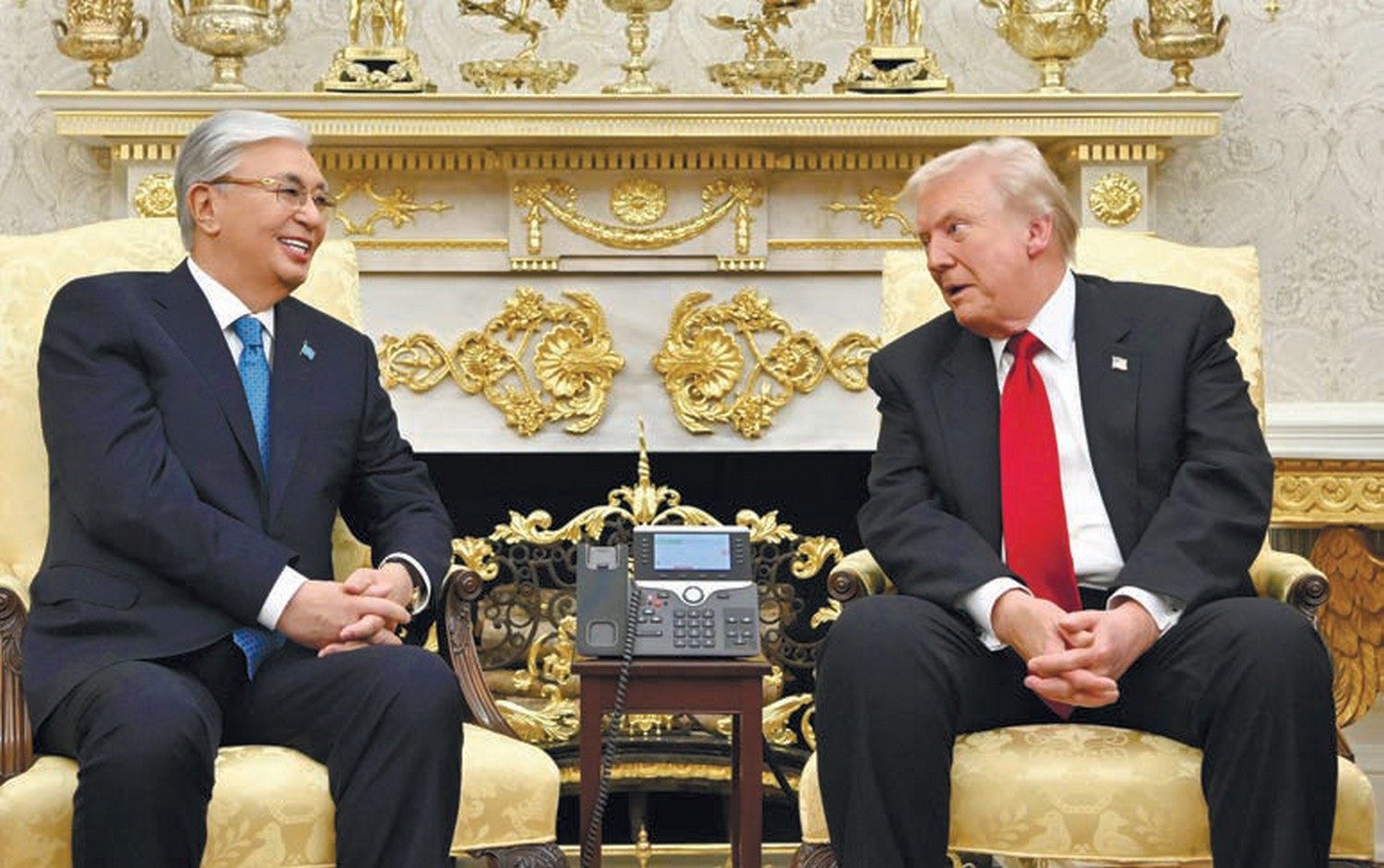
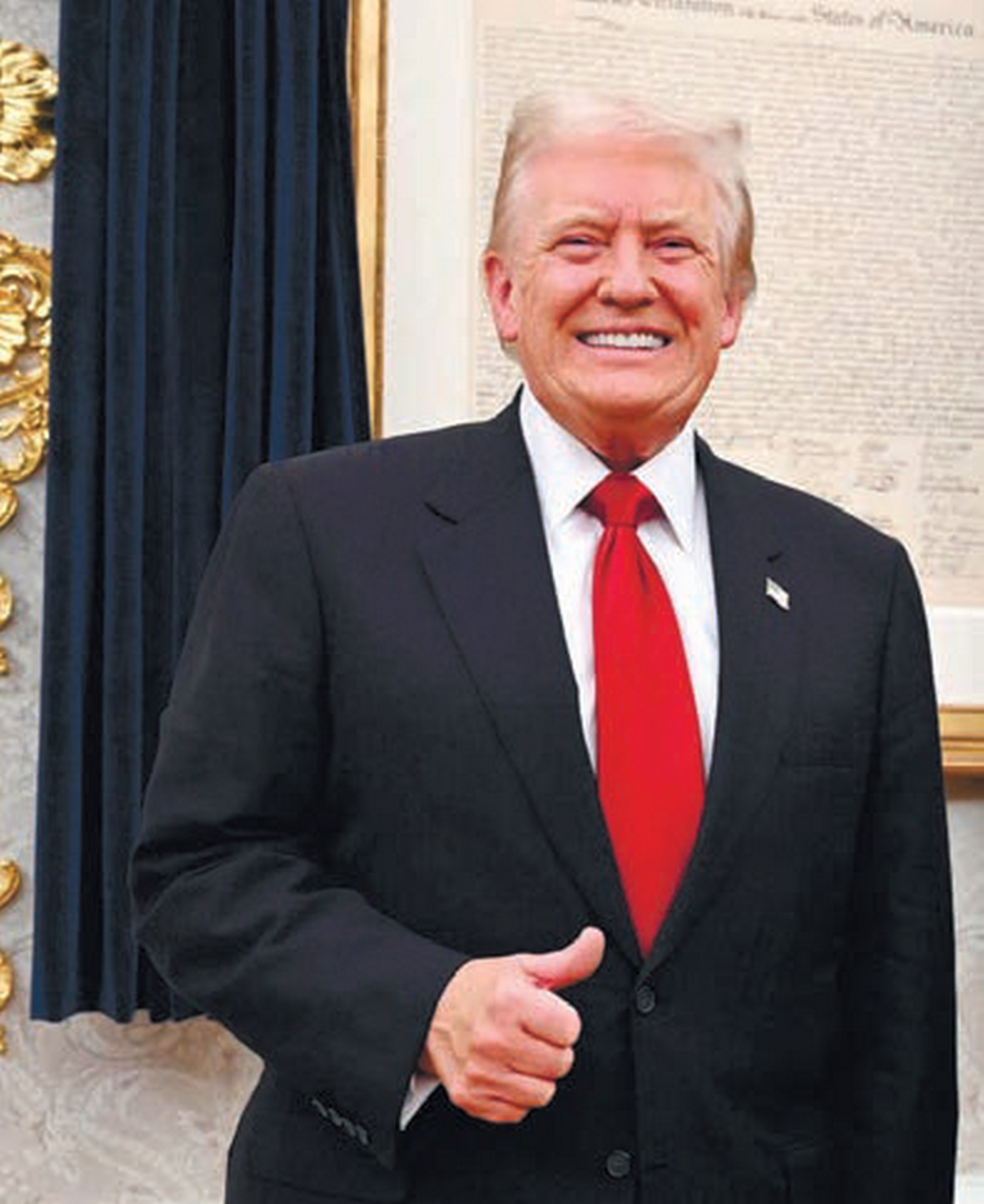
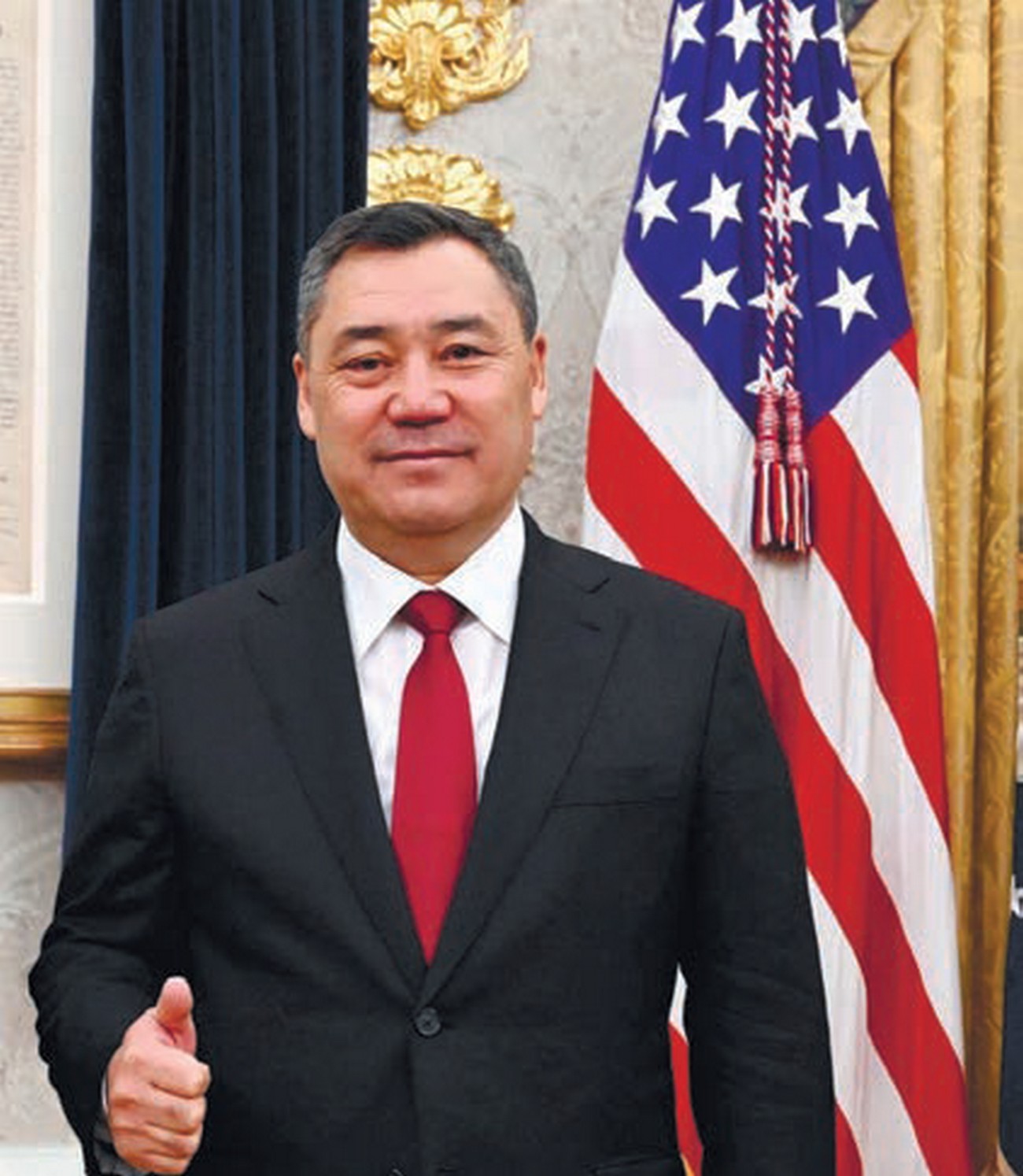
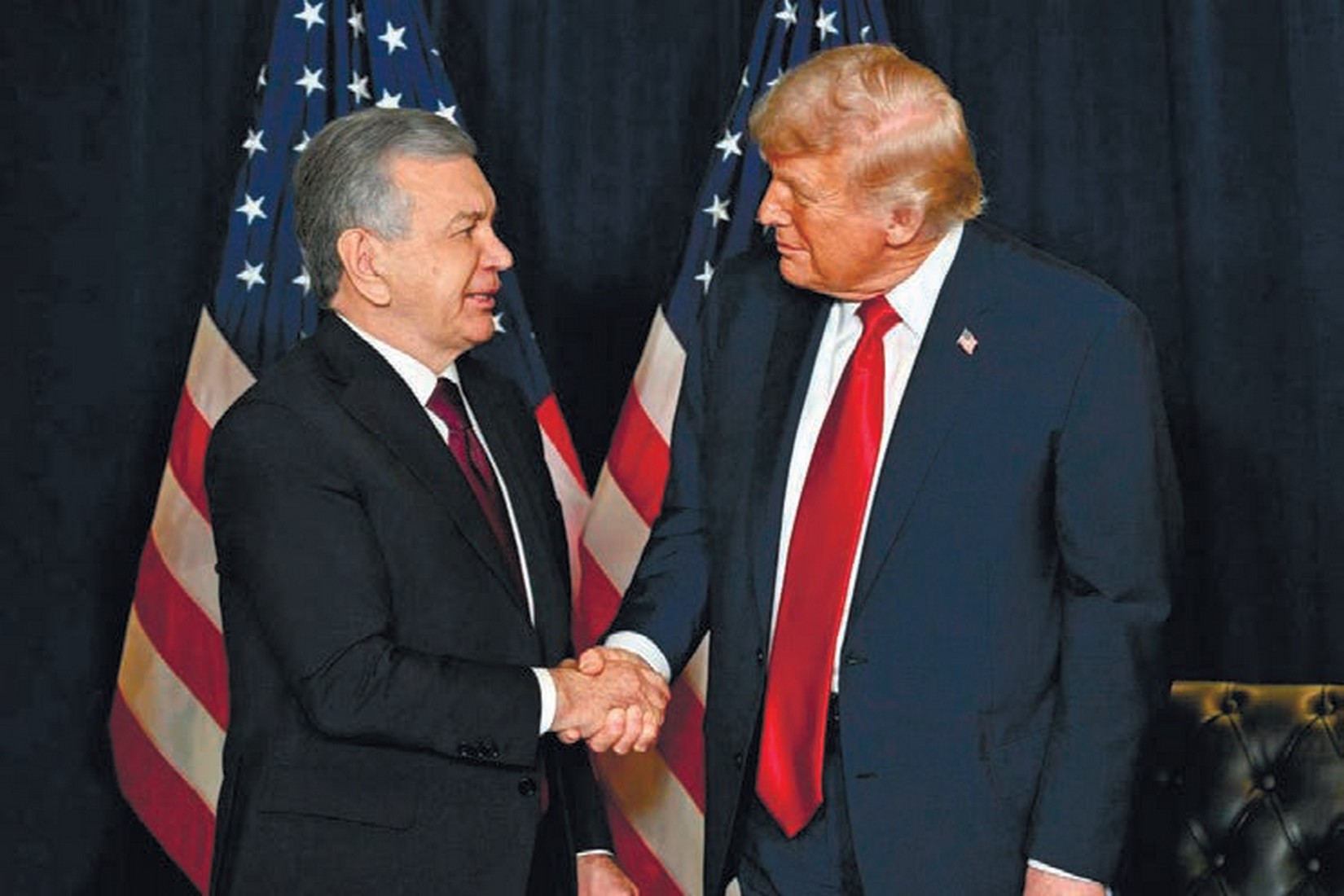
In this context, the "Central Asia plus United States" summit on November 6 in Washington became the most indicative attempt by the American administration in recent decades to lend the C5+1 format institutional depth and strategic direction. Washington aims to transform it from a platform for political declarations into a full-fledged mechanism for long-term partnership, focused on reshaping the region's infrastructural, energy, digital, and economic environment, as well as strengthening the resilience of Central Asian states in the face of competitive external influences.
Evolution of the format
The C5+1 format was established in 2015 on the sidelines of the UN General Assembly, when the US initiated regular consultations with the five Central Asian countries. Its creation was a response to the increasing activity of China and Russia in the region and was aimed at developing cooperation in the spheres of economics, security, transport, and energy. Since then, the format has gradually evolved from political declarations to practical cooperation. Over the years, approximately 10 full-fledged meetings have been held at the ministerial and leader levels. Although the format has intensified in recent years, the November summit in Washington can be considered its most substantive and institutionally formalised phase.
During the official dialogue in Washington, the Central Asian countries received a package of initiatives where proposals were presented directly by the American administration at the level of the president and relevant agencies. Essentially, this refers not to a single document but to a series of programmes and projects that were outlined to the regional countries during working negotiations, bilateral meetings, and a general session held in the format of a working dinner. It was on this platform that the US presented a list of infrastructural, energy, and digital initiatives, signalling readiness to finance specific areas through grants, investments, and technical cooperation.
The Washington summit took place under conditions where the Central Asian region is undergoing large-scale transformations. Russia has lost a significant portion of its economic and political influence after 2022, China is actively strengthening its positions through lending, logistical routes, and the export of digital technologies, and Türkiye and the EU have enhanced their participation in energy and transport projects. These shifts create a unique window of opportunity for the US, which seeks to offer the Central Asian countries a long-term model of interaction based on its own priorities, including investments, technological partnership, the expansion of transport corridors, and the strengthening of regional security.
Economy, transport, cybersecurity
A key financial outcome of the summit was the announcement of up to $3 billion in funding through the US International Development Finance Corporation and the Export-Import Bank of the United States. These funds are aimed at improving infrastructure quality, primarily modernising the Trans-Caspian International Transport Route, which in recent years has become a vital link for the transit of goods between Europe and Asia, bypassing Russian and Chinese corridors. The investments envisage the expansion of the ports of Aktau in Kazakhstan and Turkmenbashi in Turkmenistan, improving the capacity of railway sections in Uzbekistan and Kyrgyzstan, the digitalisation of logistical flows, and the implementation of technological solutions for real-time cargo tracking.
Washington aims to make the Trans-Caspian route structurally integrated into its projects, competitive, and resilient to external risks, understanding that it is through transport that a new configuration of the regional economy can be formed. In particular, it fits organically into the TRIPP project (Trump Route for International Peace and Prosperity) in the South Caucasus, where infrastructural solutions are linked to prospective political plans aimed at transforming the system of regional political relations within the post-conflict agenda. According to this logic, modernising the corridor is viewed not only as an economic initiative but also as a tool to cement US political interests in the region.
It is no coincidence that during the meeting, US President Donald Trump specifically emphasised the TRIPP project, presenting it as a factor in enhancing trade and cooperation among the region's countries. The American leader called the project global and stated that it would benefit each of the countries. Thanks to the established infrastructure, Azerbaijan has assumed the position of a key element of the Middle Corridor and has become a strategic partner for the Central Asian states, which is reflected both in Washington's assessments and in regional approaches.
An equally important part of the agreements involved climate and water projects. The US declared its readiness to allocate up to $150 million for the restoration of irrigation systems, combating land dehydration, and improving the transboundary management of water flows. This is crucial for Kyrgyzstan, Tajikistan, and Uzbekistan, which face soil degradation, disrupted seasonal water supply, and climate change. Central Asia is known to be one of the world's centres of water deficit, and Washington clearly seeks to establish itself in this sphere, creating a deep technical dependence on American solutions in water resource management.
Practical results of the summit
Speaking of the meeting's outcomes, it is worth noting that Kazakhstan received one of the largest and most strategically significant packages of agreements. Thus, the US expressed its intention to increase purchases of uranium and critical minerals, which is linked to the need for supply diversification for the American defence-industrial complex and energy sector. Kazakhstan is a world leader in uranium extraction, and strengthening ties with it is beneficial for Washington in the context of competition with China, which is actively expanding its presence in Kazakhstan's mining industry.
In addition to minerals, the US agreed to establish a Cyber Resilience Centre, which will serve as a platform for training specialists in protecting critical infrastructure, including energy systems, financial networks, and state databases. Washington also expressed interest in modernising Kazakhstan's energy grids, which should ensure better load balancing and enhance the country's export potential relative to China and Uzbekistan.
Uzbekistan became the second-largest beneficiary of Washington's offerings. The US confirmed its readiness to invest in the digitalisation of Uzbek industry, the modernisation of railway infrastructure, the development of solar energy, and the creation of a pilot hydrogen cluster. Tashkent is viewed by Washington as a key partner in the regional architecture of economic modernisation. Additionally, the establishment of a second digital security centre was secured—this time with a focus on protecting financial systems and training specialists in banking cybersecurity. This is particularly significant for Uzbekistan, which is currently conducting large-scale reforms in the banking sector.
Kyrgyzstan received packages related mainly to hydropower, irrigation, and the modernisation of water systems. The US wants to support the modernisation of small hydropower plants, the restoration of canals, and the elimination of water losses, which in Kyrgyzstan reach 40% due to dilapidated infrastructure. Support for the textile sector, included in the programme through the potential restoration of the GSP regime (reduction or elimination of tariff rates on certain goods), appears to be an important tool for stimulating exports to the US and expanding the country's economic base. Washington also agreed on programmes for training anti-corruption personnel and cybersecurity specialists, which holds additional significance in the context of public administration reforms.
Tajikistan also secured infrastructure-oriented agreements related to the restoration of irrigation networks, the modernisation of water management systems, and support for projects in the Amu Darya basin, which is critically important given climate change and the country's complex geography. US participation in modernising hydropower infrastructure, including improving the efficiency of old hydroelectric power plants, is under discussion, which could significantly reduce winter electricity deficits. An important part of the negotiations involved measures to create systems for monitoring logistical flows and threats on the Tajik-Afghan border, considering the instability in Afghanistan's northern provinces.
Turkmenistan, for the first time in many years, expressed readiness to consider the participation of Western companies in developing gas fields and modernising gas transport infrastructure. For the US, this is an opportunity to access this country's energy assets and strengthen alternative gas supply routes to Europe. As part of expanding the transport corridor, the US proposed participation in modernising the port of Turkmenbashi, including expanding the container terminal and installing security systems, which enhances Turkmenistan's role in the Middle Corridor.
The concluded summit indicates that the Central Asian countries are seeking to diversify their foreign economic ties, strengthening relations with the US without abandoning cooperation with China, Russia, or the EU. For Washington, the summit became a tool for enhancing its role through economic, infrastructural, and technological presence, as well as a way to limit growing Chinese influence.
Moreover, the C5+1 format has for the first time received a clear institutional structure, financially backed by commitments, and has become a mechanism through which the US intends to position itself as one of the key architects of the region's infrastructural and energy modernisation. In the long term, this could alter the configuration of regional flows of goods, energy resources, technologies, and finances, creating prerequisites for a new balance of power in Central Asia.
RECOMMEND:
 176
176