

LOW EMISSIONS ECONOMY
Azerbaijan strengthens its climate agenda between COP29 and COP30, accelerating the green transition
Author: Ilaha MAMMADLI
Azerbaijan was one of the first in the region to establish a strategic framework for a "green" transition, outlining its position in relevant documents.
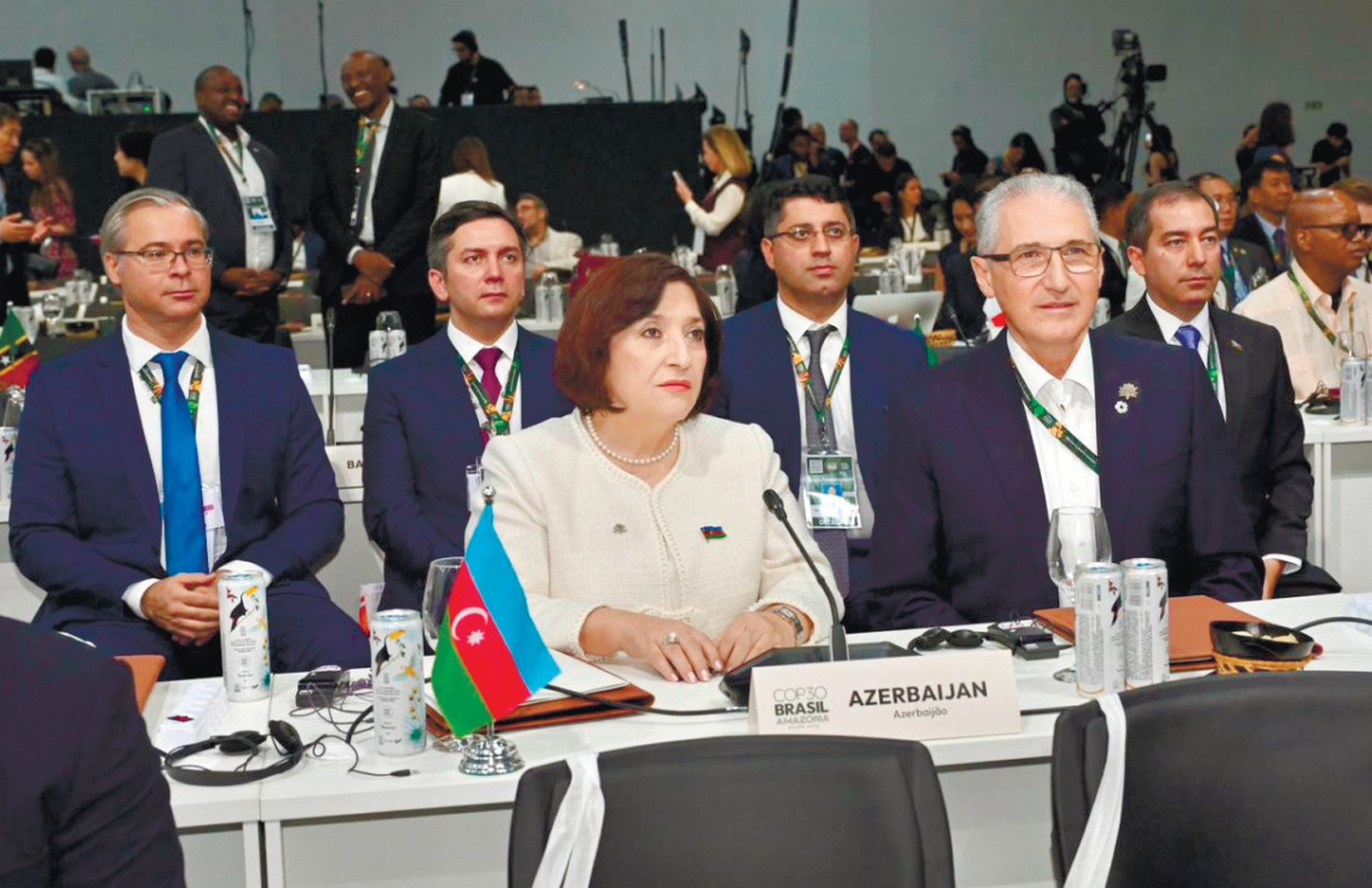
A logical continuation was the updated text of its "Nationally Determined Contribution" (NDC) for reducing greenhouse gas emissions—NDC 3.0. It was presented in Belém, Brazil, at COP30 and set the direction for climate policy until 2035 for key economic sectors.
A solution for oil and gas
The oil and gas sector remains a key element of Azerbaijan's economy, forming about 37% of GDP while simultaneously being one of the largest sources of greenhouse gas emissions. In 2022, it accounted for 28% of fugitive gas emissions, including methane and CO₂, released into the atmosphere primarily from leaks, well venting, routine flaring, and fuel combustion in production processes. NDC 3.0 proposes a series of measures, ranging from improving equipment energy efficiency and implementing programmes for the timely detection and repair of leaks, to engineering solutions that can reduce controlled emissions.
As the focus shifts to longer-term horizons, efforts are concentrating on the electrification of technological processes and converting equipment to electricity generated from renewable sources (RES). Technologies for carbon capture, utilisation and storage (CCUS) are also being introduced, which can radically reduce emissions in the most intensive extraction and processing zones.
Particularly significant is the commitment to achieve zero routine flaring of associated gas by 2030, in accordance with the Oil and Gas Decarbonisation Charter. Although a complete halt is impossible for safety requirements, the total volume of flared gas can be offset by modernising gas-gathering infrastructure, introducing systems for processing and using associated gas, and transitioning to stricter methane monitoring, including satellite technologies and infrared cameras.
The energy of the future
The energy sector, which supplies households, industry, agriculture, and the oil and gas complex, forms about 21% of fugitive gas emissions. Although emissions have decreased noticeably over the last two decades due to the abandonment of fuel oil and the switch to natural gas, the expected growth in electricity demand until 2035 creates new challenges.
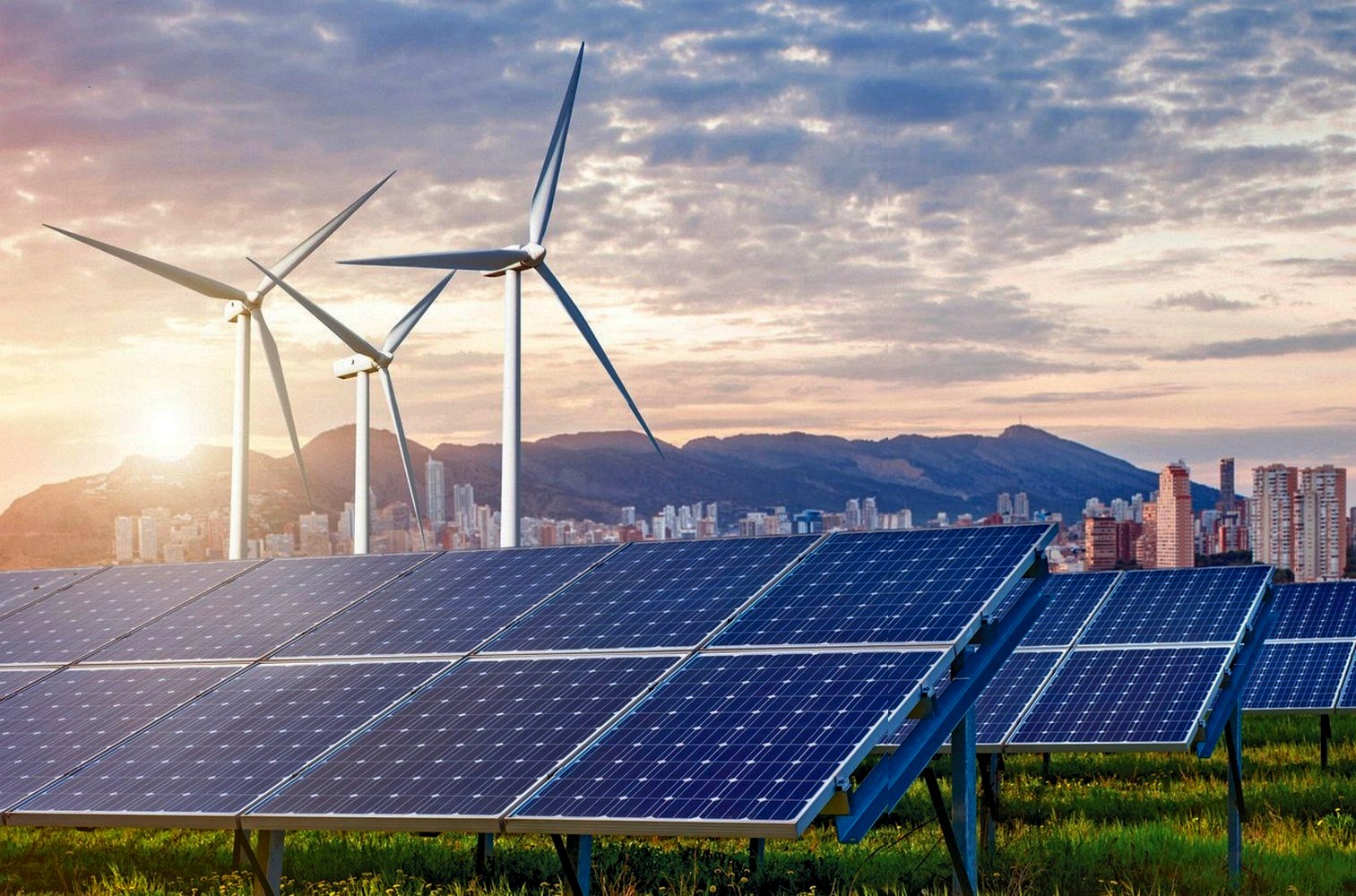
It is believed that the electrification of transport, industry, and buildings will inevitably increase the load on the energy system, and without large-scale modernisation, this will lead to increased emissions. This is precisely why the NDC envisages a comprehensive transformation of the industry. This includes strengthening transmission lines and building new substations, digitalising grid management, reducing technical losses by modernising distribution networks, a large-scale increase in solar and wind power capacity, and the introduction of long-duration energy storage systems necessary for integrating large volumes of RES. Simultaneously, a gradual replacement of open-cycle gas turbines with more efficient combined-cycle gas turbine plants is planned, which will reduce specific emissions while maintaining necessary capacity.
Solar energy remains the priority for development, followed by onshore wind generation, while offshore wind power is seen as a promising long-term direction with high potential, contingent on further technological progress and an attractive investment climate.
Achieving the goals of NDC 3.0 will require significant investments in RES, CCUS, electricity grid infrastructure, methane monitoring technologies, and specialist training. The large-scale attraction of capital will be offset in the long term by reduced operational costs, technological modernisation, and the transition to a more sustainable, economically efficient, and environmentally safe energy system.
A city without exhaust
The transport sector, accounting for about 6% of Azerbaijan's GDP, is one of the most dynamic sources of emission growth. In 2022, it was responsible for 13% of all greenhouse gas emissions, with 92% of those generated by road transport running predominantly on petrol and diesel fuel.
NDC 3.0 defines three interconnected directions for the transition: reducing the total distance travelled by vehicles, lowering emissions per kilometre, and a gradual modal shift towards public transport, electric trains, the metro, and micro-mobility. This logic fully aligns with the task of forming a new urban environment where mobility remains accessible and convenient but ceases to be a source of disproportionately high emissions.
By 2035, Azerbaijan intends to conduct a deep modernisation of transport infrastructure. Expanding the metro, developing bus routes and railway connections should form the basis for a gradual move away from internal combustion engine vehicles. Plans include stimulating the purchase of electric vehicles, supporting the renewal of public transport, and introducing biofuels, including aviation and marine blends.
The foundation of this programme is not only the import of equipment but also the formation of national production capacities. At the end of September 2025, the Azerbaijan Energy Automotive Factory began operations—an Azerbaijani-Chinese joint venture created with the participation of the Business Development Fund, SARDA Group, and the company BYD. Its capacity is designed for the production of 500 electric buses per year. By the end of 2025, the enterprise intends to produce 300 vehicles: 200 for Baku, 60 for Nakhchivan, and 40 for the Garabagh region, where transport infrastructure is being developed practically from scratch. This step not only ensures localised production and reduces import dependence but also forms a new industrial segment related to clean technologies.
Thus, the transport transformation outlined in NDC 3.0 becomes an integral part of Azerbaijan's climate policy and an important condition for future sustainable growth, in which air quality, convenience of movement, and technological renewal go hand in hand.
Industry under high pressure
Industry provides a quarter of GDP and remains a complex sector to decarbonise. High-temperature processes, chemical reactions, and dependence on hydrocarbon fuel generate a significant volume of emissions.
The complexity of industrial decarbonisation lies in its high energy intensity and dependence on processes requiring high-temperature heat, where traditional hydrocarbon fuel plays a key role.
In parallel, the creation of industrial parks is becoming an important transformation tool: concentrating enterprises in one zone facilitates the implementation of modern low-carbon solutions—from heat and waste recovery to CCUS systems and large-scale electrification. State policy is aimed at ensuring the share of such parks, specifically the products manufactured on their territory, reaches 15% in the structure of industrial production.
Parallel initiatives are being implemented that create the basis for future low-carbon development. Among them are programmes supporting energy efficiency, the construction of a direct reduced iron plant as a more environmentally friendly metallurgy technology, and the expansion of industrial zones, including the Sumgayit Industrial Park and the Aluminium Production Complex.
Technologies for detecting and preventing leaks, which allow for the reduction of fugitive methane emissions—one of the most potent greenhouse gases—also play an important role.
However, the central element of decarbonisation is gradually becoming electrification, which will significantly reduce the carbon footprint of Azerbaijani industry in the long term. In many production chains, replacing gas boilers with electric analogues and heat pumps will enable a shift to cleaner energy sources, especially as the share of renewable resources in the national energy balance increases.
Balance of nature
According to the NDC, the expansion of forested areas will be a key tool for stabilising emissions: by 2026, forest cover will increase by another 30,000 hectares, bringing its share to 12.3%. This task is enshrined in the country's Socio-Economic Development Strategy and is closely linked to the introduction of more sustainable agricultural practices.
Achieving climate goals requires a comprehensive approach aimed at reducing emissions from all elements of the agricultural sector. One of the priorities will be reducing methane emissions through adjustments to animal diets and the use of modern feed additives. However, free-range livestock farming may limit the effectiveness of these solutions. An important addition to these measures will be the creation of medium and large composting facilities to reduce emissions associated with manure decomposition, as well as optimising herd structure.
Substantial potential also lies in transitioning agricultural machinery from diesel fuel to electric alternatives. This applies to both transport vehicles and tractors, as well as stationary equipment, including irrigation systems, pumps, elevators, and refrigeration units. However, such a transition will require developed infrastructure for charging and energy storage, implying significant investment and long-term planning. Parallel initiatives are being developed to introduce precision and no-till farming, reduce excessive fertiliser use, and create land monitoring information systems, especially considering the high vulnerability of soils to erosion in the country's mountainous regions.
The expansion of forested areas, as emphasised by the NDC, will become a central element of decarbonisation in Azerbaijan, enhancing the natural potential for sequestration and ensuring compensation for emissions in other sectors of the economy. Achieving the goals by 2035 will require significant capital investment, particularly in the electrification of machinery, infrastructure development, and the introduction of grain processing technologies. Additional costs will also be associated with the use of feed additives, which play a key role in reducing methane emissions.
Funds for green transition
Sustainable financing is a key element in increasing the economy's resilience to climate risks.
As reported by the Chairman of the Central Bank of Azerbaijan (CBA), Taleh Kazimov, the approved "Green Taxonomy" became the first systemic document defining criteria for "green" projects and creating a foundation for mobilising sustainable financing.
The CBA's strategy includes a wide spectrum of reforms aimed at forming a strong sustainable financing ecosystem. "These steps create the basis for the full-fledged functioning of a 'green' capital market in the country," believes the CBA head.
Understanding the importance of professional capacity, the CBA is actively developing cooperation with the EBRD, the World Bank, the Partnership for Carbon Accounting Financials, etc., expanding the capabilities of financial specialists. Simultaneously, the CBA initiated an interdepartmental project to assess climate risks and developed a roadmap for transition risk data with the support of the IMF, which helps address the systemic data deficit—one of the key barriers in managing climate threats. The availability of such tools allows financial institutions to more accurately forecast and mitigate the impact of risks, increasing the overall resilience of the financial system to climate uncertainty.
In parallel, according to Kazimov, the possibility of introducing instruments of "green" monetary policy is being studied, considering international experience and current macroeconomic conditions.
Simultaneously, cooperation with international financial organisations continues, from which Azerbaijani banks are already receiving environmental credit lines, expanding access to sustainable capital. Conditions for issuing "green" bonds are also being created—the corresponding regulatory framework is already in the final stage of approval.
Important directions will also include the introduction of an ESG Risk Radar tool and active participation in international climate analysis initiatives, which is particularly important as climate challenges know no borders, emphasises Kazimov.
It is worth noting that Azerbaijan's banking sector has already committed to reducing its own emissions by 35% by 2030. The country's banks intend to mobilise ₼2 billion for green projects. In the first half of 2025, ₼330 million were allocated for this purpose, reflecting the high degree of readiness of the financial system to support the sustainable transformation of the economy.
Thus, Azerbaijan seeks to demonstrate that climate policy is not a limitation, but an opportunity. An opportunity to modernise infrastructure, create new industries, strengthen export potential, and become a regional leader in sustainable development. And this transformation has already begun.
RECOMMEND:
 176
176