

TOGETHER OR APART?
The outcome of presidential election raises questions about the future of a united Bosnia and Herzegovina
Author: Natig NAZIMOGHLU
In the snap presidential election in the Serb Republic, an entity within Bosnia and Herzegovina, victory went to Sinisa Karan, a figure known for his separatist views. Notably, this development—which could have consequences not only for Bosnia and Herzegovina but for the entire Balkan region—coincided with the 30th anniversary of the Dayton Agreement, the future of which is increasingly assessed with ambiguity and even scepticism.
Dodik and Karan
Sinisa Karan, the newly elected president, previously served as Minister of Science, Technology and Higher Education of the Serb Republic and earlier as Minister of Internal Affairs. He is a trusted associate of former president Milorad Dodik, leader of the Alliance of Independent Social Democrats (SNSD). Dodik, who served as president from 2010 to 2018 and then again from November 2022, was removed from office on August 6, 2025 for refusing to recognise the decisions of Christian Schmidt—the UN High Representative for Bosnia and Herzegovina. This institution was established under the Dayton Peace Agreement that ended the Bosnian War of 1992–1995.
That war, the bloodiest conflict in Europe since the Second World War, broke out amid the collapse of former Yugoslavia. On February 29–March 1, 1992, Bosnia and Herzegovina held a referendum on independence. The overwhelming majority of Serbs boycotted it. Supported by Belgrade and the Yugoslav army, this boycott led to a war that claimed more than 300,000 lives. Genocide and mass killings were committed in numerous Bosnian towns—Srebrenica, Zvornik, Visegrad and others.
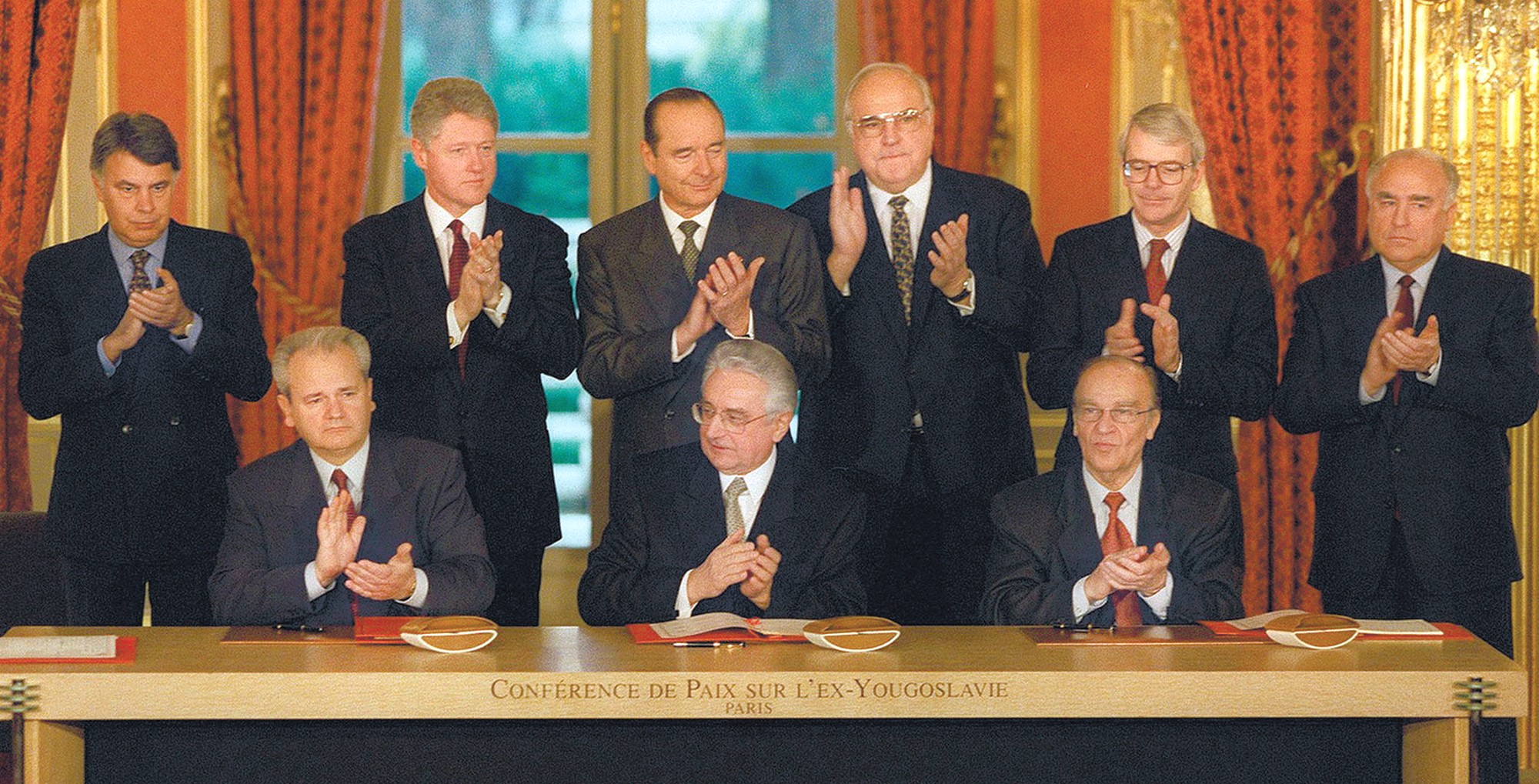
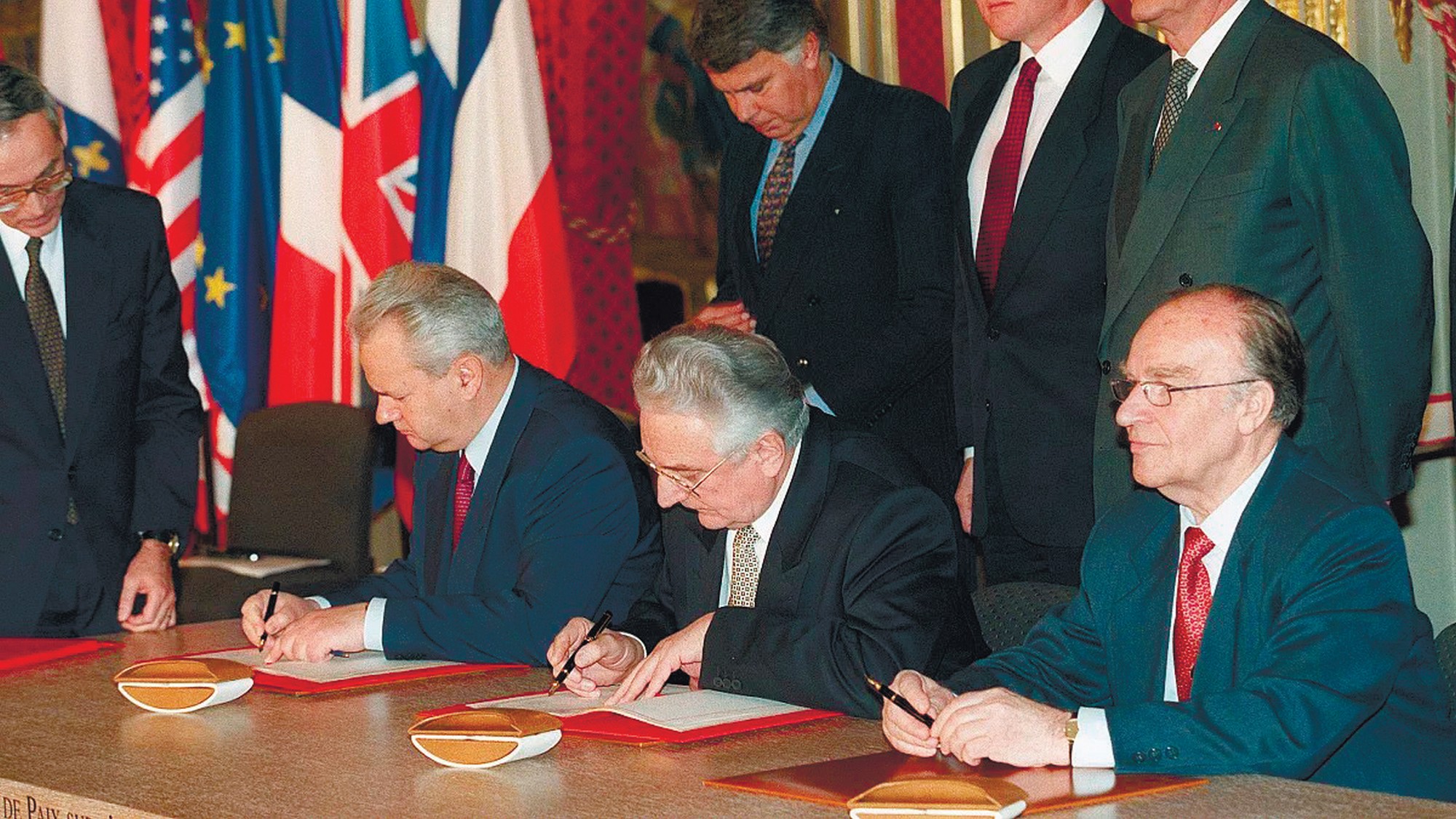
Peace came only after negotiations at the US military base in Dayton, Ohio, on November 21, 1995. The agreement was signed on December 14 in Paris by the presidents of Bosnia and Herzegovina, Serbia and Croatia. The Dayton Agreement divided Bosnia and Herzegovina into two entities—the Serb Republic, predominantly inhabited by Serbs, and the Croat–Muslim Federation of Bosnia and Herzegovina. The Brcko District received special status: de jure belonging to both entities, but de facto under international administration with real authority concentrated in the hands of the High Representative.
Around one-third of Bosnia and Herzegovina’s population of more than 3.5 million lives in the Serb Republic, which makes up nearly half the country’s territory. It is therefore clear that separatist ambitions within this Serb entity could have severe repercussions for Bosnia and Herzegovina’s territorial integrity.
Dodik is considered the leading figure of the Serb separatist movement. During his presidency, he opposed the High Representative and the Office of the High Representative (OHR), which holds extensive powers, including the right to dismiss senior officials. Declaring that “the Serb Republic will separate from Bosnia and Herzegovina”, Dodik refused to publish High Representative Schmidt’s decisions in the entity’s official gazette. Schmidt immediately annulled Dodik’s refusal, while prosecutors also opened a criminal case against him for failing to implement OHR decisions.
The trial, which began in December 2023, resulted in a sentence: one year of imprisonment and a six-year ban on holding political office. Later, the Court of Bosnia and Herzegovina replaced the prison term with a fine, but the ban on political activity was upheld. Based on this ban, the Central Election Commission removed Dodik from the presidency.
Nonetheless, Dodik retained substantial influence over political developments in the Serb Republic. On October 18, 2025, his ally Ana Trisic-Babic became acting head of the autonomous entity. Then on November 23, Karan—the candidate supported by Dodik’s party—won the snap presidential election.
According to the Central Election Commission, Karan secured around 51% of the vote, while his main competitor, Branko Blanusa from the Serb Democratic Party, received nearly 48%. Voter turnout was only 35%. The opposition rejected the results, alleging falsification through “demographic manipulation, cross-border influence from Serbia and the collapse of election oversight”.
Yet the fact remains: the ruling force in the Serb Republic has preserved its power. A candidate entrusted by Dodik won the election, prompting Dodik to comment with satisfaction that those seeking to sideline him had now “ended up with two Dodiks”.
What will happen to the Dayton Agreement?
Karan’s election means that the Serb Republic’s leadership will continue to pursue separation from Bosnia and Herzegovina. As Dodik has said, “separation remains the ultimate goal” for him personally and for the SNSD. This inevitably complicates negotiations with the other entity—the Croat–Bosniak Federation—and, more importantly, with the Office of the High Representative. Representatives of the SNSD, referring to the results of the snap election, openly state: “The OHR is not welcome in the Serb Republic.” Since the OHR’s core mandate is to ensure implementation of the Dayton Agreement, a fundamental question arises: what future awaits this historic document?
Across Bosnia and Herzegovina—not only in Serb but also in Bosniak (Muslim) and Croat political and social circles—voices calling for a revision of the Dayton Agreement grow louder. Critics argue that it has “expired” and “requires renewal”. The political structure created under Dayton is widely viewed as cumbersome. The two entities are connected by a weak central government, which struggles to take and implement decisions that satisfy all sides. This affects both domestic and foreign policy, especially at the level of the Presidency—the highest collective governing body in Bosnia and Herzegovina. The Presidency consists of three members: one Bosniak, one Croat and one Serb, each elected for a four-year term. The Bosniak and Croat members are elected by voters in the Federation of Bosnia and Herzegovina, while the Serb member is elected by voters in the Serb Republic. The chairmanship rotates every eight months. But what will happen if the increasingly separatist course of the Serb Republic’s leadership undermines the entire constitutional order established by Dayton?
The chief authors and sponsors of the Dayton Agreement—the US and major European states—openly declare their interest in maintaining the Dayton structure. Despite all its flaws, the agreement ended a devastating war. And however artificial Bosnia and Herzegovina may appear as a state composed of two distinct entities, it has existed in peace and relative stability for three decades. A collapse of the Dayton framework, potentially leading to the disintegration of Bosnia and Herzegovina, would risk renewed instability not only there but across the region, especially given the likely involvement of Serbia—traditionally supported by Russia—and Croatia, a member of NATO and the European Union.
Karan has reaffirmed his stance on “separation”, stating: “The Serb people have given their final answer, rejecting any foreigner or usurper who attempts to alter their will.” Supporters of Bosnia and Herzegovina’s unity now place their hopes on the fact that Karan is likely to serve less than a year as president. In October 2026, the country will hold general elections to choose the three members of the Presidency and the presidents of both entities—the Serb Republic and the Federation of Bosnia and Herzegovina.
Thus, there remains a possibility that the political trajectory entrenched in the Serb Republic following the snap election—itself a result of removing the leader of Serb separatism from office—may still change. Much will depend on the powerful geopolitical factor represented by the will of Western capitals. The question is whether the architects of the Dayton Agreement are prepared to abandon their own creation so easily.
RECOMMEND:
 188
188

