

BRIDGE OF PEACE
On the contribution of dialogue between Azerbaijani and Armenian experts to the ongoing peace process
Author: NURANI
The conflict between Armenia and Azerbaijan over Garabagh, which the international community never found the courage to describe as aggression against Azerbaijan, lasted for nearly three decades. During that time it brought immense suffering and also left a deep imprint on historical and political memory, including in the delicate sphere of conflict diplomacy. This concerns, in particular, the OSCE Minsk Group. That entirely ineffective structure did not advance the settlement of the conflict by even a single step during all the years of its existence. Former co-chairs openly referred to it as a “retirement club”. Yet even within this framework, there were some notable personalities.
In 2004, Bernard Fassier, a former officer and seasoned diplomat, was appointed France’s co-chair of the OSCE Minsk Group. At his press conferences in Baku he naturally did not disclose details of the negotiations, but he was fond of excursions into “political philosophy”. He consistently urged journalists (hoping that they would in turn influence their audiences) to recognise that war was not a solution and that one should look forward rather than back. At one of these press conferences he remarked: “It is easy to start a war, but no one knows where or when it will have to be ended.” He excluded from his reflections the fact that the war was already ongoing and that a frozen conflict did not constitute peace.
The war is now over. Recently Azerbaijan celebrated the fifth anniversary of its remarkable Victory in Garabagh with a parade and fireworks. Baku constantly emphasises that the page of war must finally be turned. While it is important to sign a full peace agreement, instruments of public dialogue that help overcome entrenched “conflict perceptions” are no less vital.
One such instrument is expected to be the so-called Bridge of Peace—a dialogue between Azerbaijani and Armenian experts.
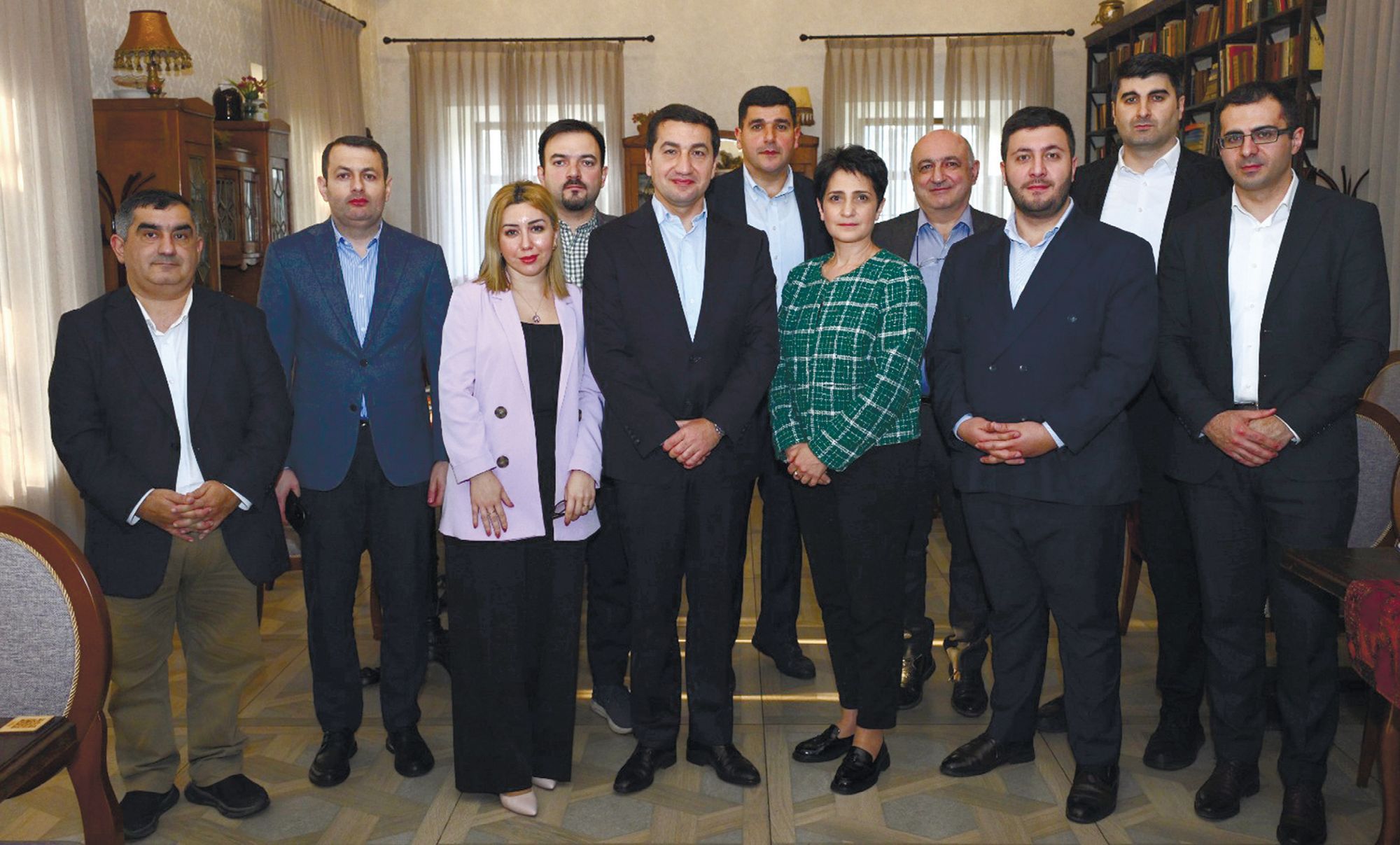
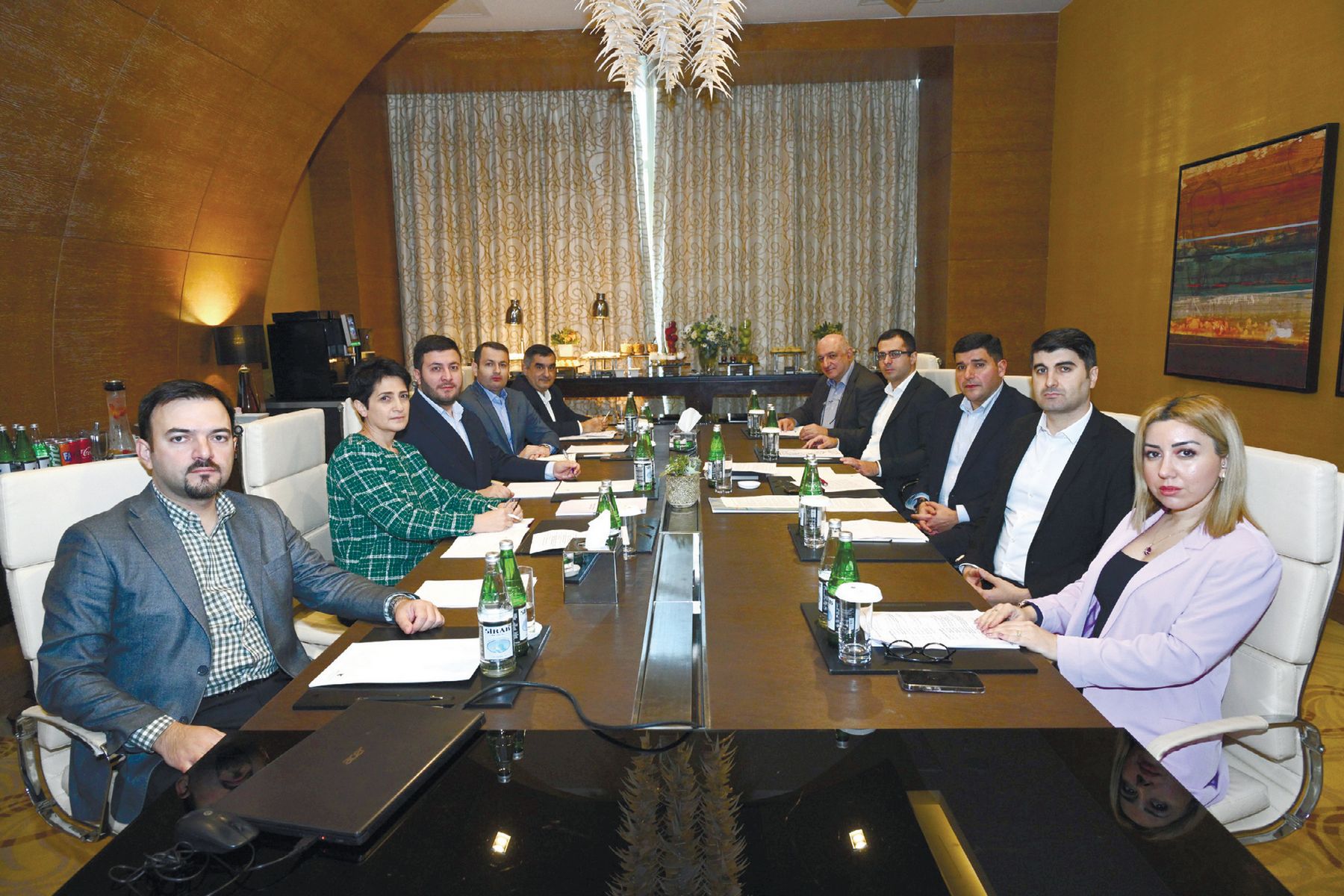
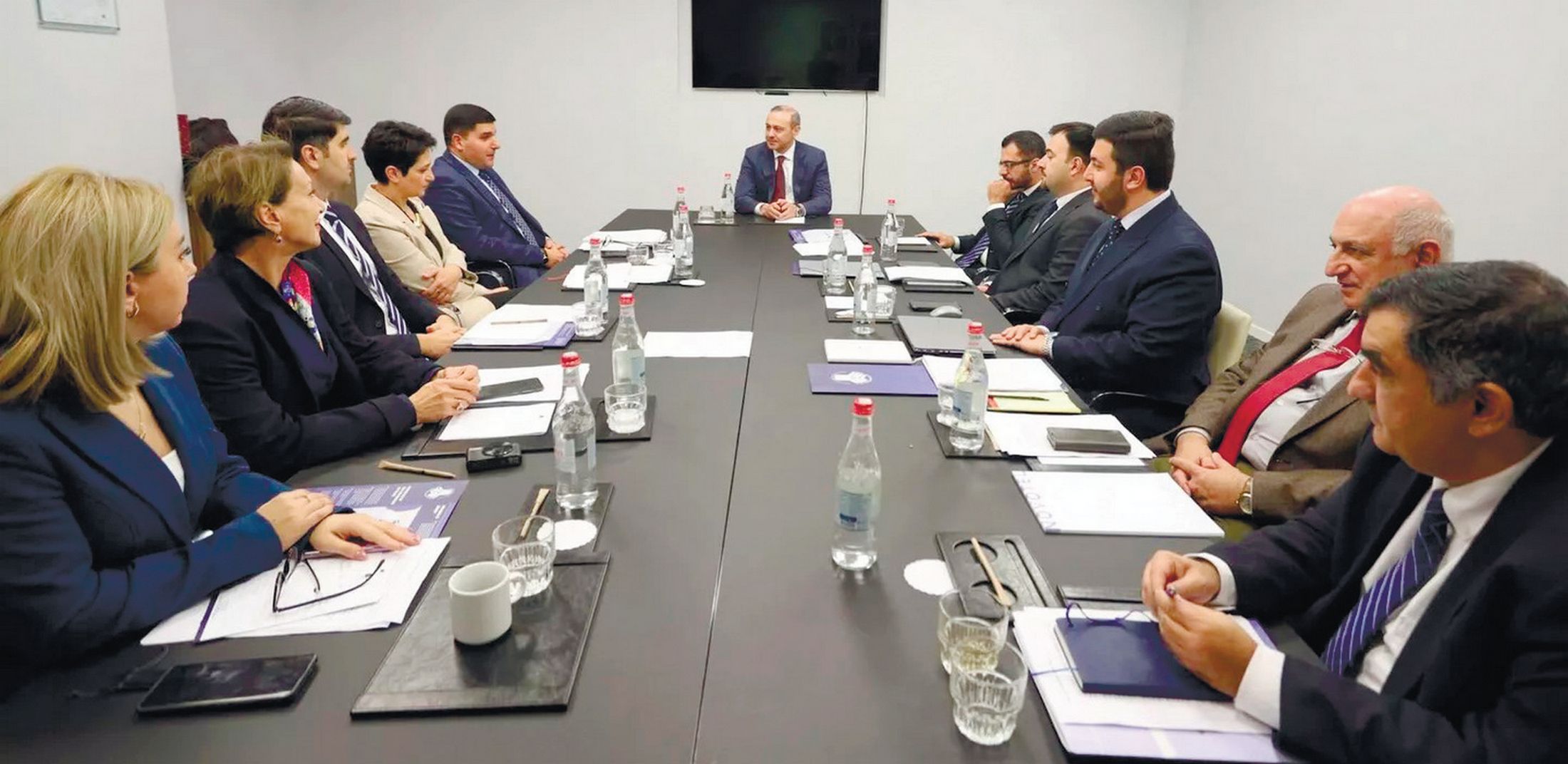
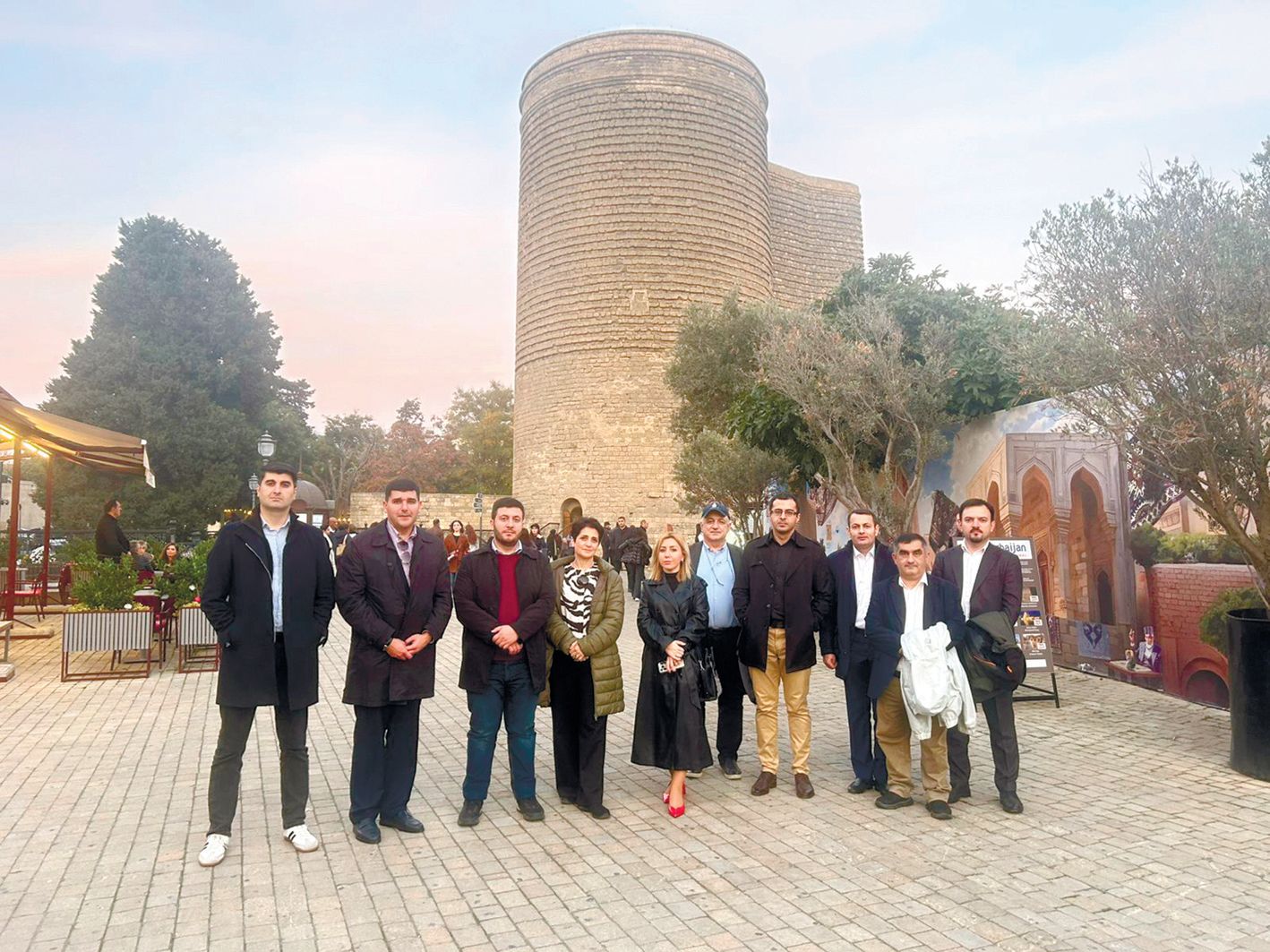
The first stage of this dialogue took place on 21–22 October in Yerevan, where, for the first time, an AZAL aircraft landed to bring the Azerbaijani participants. A month later, on 21–22 November, Armenian experts arrived in Baku. The guests from Yerevan met with their Azerbaijani counterparts, and they also had a meeting with the Presidential Assistant Hikmet Hajiyev. According to expert Areg Kochinyan, Hajiyev asked him to convey to Armenian society that for Azerbaijan the war is over. Kochinyan added: “They want to build peace on the basis of this post-war reality and are striving for a comprehensive and long-term peace with Armenia, under which Azerbaijan will have no territorial claims.”
For entirely understandable reasons, the participants are not rushing to disclose what exactly was discussed or what conclusions were reached. Nevertheless, the general mood is clear. People on both sides of the former line of contact, now the state border, cannot continue living in perpetual hostility and hatred. Azerbaijan and Armenia deserve a peaceful future, and achieving it requires sustained work.
Peacebuilding anew
Even during the war, except for periods of intense fighting in the early 1990s and in autumn 2020, Azerbaijan and Armenia were not in total isolation from each other. Official Armenian delegations occasionally came to international forums held in Baku. In 2010, for example, Catholicos Garegin II visited Azerbaijan to take part in the World Forum on Intercultural Dialogue. Armenian athletes competed at the inaugural European Games in 2015. Of course, there were scandals as well, such as Armenia’s saga of participation, or more precisely non-participation, in the 2012 Eurovision Song Contest. The Armenian delegation initially demanded special security guarantees, received them, but then refused either to send an entrant or to attend. For this the country was fined by the European Broadcasting Union.
An even more striking scandal occurred during the European Weightlifting Championships in Yerevan. On 15 April 2023, during the opening ceremony, local designer Aram Nikoghosyan set fire to the Azerbaijani flag. In protest, the Azerbaijani team withdrew from the event. Two days later, on 17 April, the flags of Azerbaijan and Türkiye on the flagpoles were found slashed.
There were also repeated attempts to organise so-called “people’s diplomacy”. These were mainly meetings of activists from various non-governmental organisations, often held under the patronage of third countries, usually in Tbilisi and occasionally elsewhere in Europe. The idea was that “people’s diplomacy” could foster an atmosphere of trust, teach citizens of the two countries to see each other not through a gunsight but through dialogue, and “melt the ice”.
The Armenian authorities supported such projects, especially since they subtly promoted the notion that the sides should begin rapprochement immediately, open roads, end “blockades”, and postpone “everything else” for later. In Baku, this sparked understandable indignation: how could reconciliation occur “here and now” when 20% of Azerbaijani territory was under occupation and a million Azerbaijani refugees could not return home? Was it not too early?
After the 44-day Patriotic War and the 2023 counterterrorism operations, many organisers of these peacebuilding initiatives faded into the background and no longer proposed their projects. It appears that “people’s diplomacy” financed by foreign grants was in demand so long as Armenian soldiers were stationed in Shusha and Jabrayil, but not now, when Azerbaijan has restored its territorial integrity.
The current meetings of experts reflect a new philosophy of dialogue — genuine people’s diplomacy. The conflict has been resolved by military and political means. Azerbaijan’s territorial integrity has been restored. A peace agreement has been initialled during negotiations in the US, and the time has come to build dialogue. Moreover, this process does not involve foreign grants.
There is also another perspective. The official peace track is currently on pause. The peace agreement was initialled in August 2025 in Washington. For a full signing, as Baku has repeatedly stressed, Armenia must amend its constitution. The issue concerns the preamble, which refers to the Declaration of Independence of Armenia, and that declaration contains an explicit reference to the decision on “miatsum”, meaning the annexation of Garabagh. Yerevan is preparing to amend the constitution, but it has not specified what the changes will be. Prime Minister Nikol Pashinyan has said that only after the parliamentary elections in June 2026 will a referendum on constitutional amendments be held. The logic is clear: Pashinyan wants to feel politically secure by the time of the referendum. This means that the peace process will remain on pause until summer or perhaps autumn 2026.
Meanwhile, two significant developments have already occurred. First, a shipment of Kazakh and Russian wheat was delivered to Armenia via Azerbaijani territory. Second, the expert dialogue has begun. In other words, the peace process is advancing outside the official track, and the “Bridge of Peace” also plays a role in this progress.
A narrow circle of peacebuilders?
It is far too early to speak about any specific outcomes of the expert dialogue. There have been only two meetings, and the “Bridge of Peace” has only just begun its work. Besides, experts, journalists and civil activists, despite their best intentions, cannot prepare large-scale diplomatic decisions or implement them. Their objectives lie primarily in the sphere of public opinion.
This, however, is not a simple matter. The war was a profound tragedy for both countries. Yet in Azerbaijan most of society is confident that the country has achieved its military objectives and must now focus on halting further confrontation and building a peaceful future. This does not necessarily imply warm embraces with recent adversaries. The painful political experience of the Soviet era has not been forgotten, when official rhetoric extolled the “friendship of peoples”, Azerbaijani artists performed in Yerevan, and yet in Armenian political circles a betrayal was being prepared — the separatist uprising in Garabagh. Azerbaijan is ready to follow its own path to peace, but not to rush along it in disregard of historical memory.
The situation in Armenia is different. Revanchist sentiments remain palpable. After the October meeting, nationalist circles expressed indignation at the composition of the Azerbaijani delegation, which included, among others, participants in the eco-activists’ protest on the Lachin–Shusha road. Now they attack their own representatives who travelled to Baku. Nationalist critics ask how they could visit Baku while “Armenian prisoners languish in Azerbaijani cells” and “the issue of refugees from Artsakh remains unresolved”.
Revanchist sentiments in Armenian society are still significant, though their actual strength will become clearer only after the parliamentary elections. Considerable work with public opinion lies ahead, particularly in Armenia. One expert dialogue will not suffice.
RECOMMEND:
 199
199

