

SYRIA. A YEAR LATER
the long-suffering country getting stabilised after the fall of a long-standing dictatorship
Author: natig NAZIMOGHLU
Syria is experiencing another surge in military-political tension. The intense struggle between the new authorities and opposing forces, along with the continued broad involvement of influential external centres in the Syrian situation, indicate that full stabilisation of the country’s condition remains far off.
Islamic State manifests itself once again
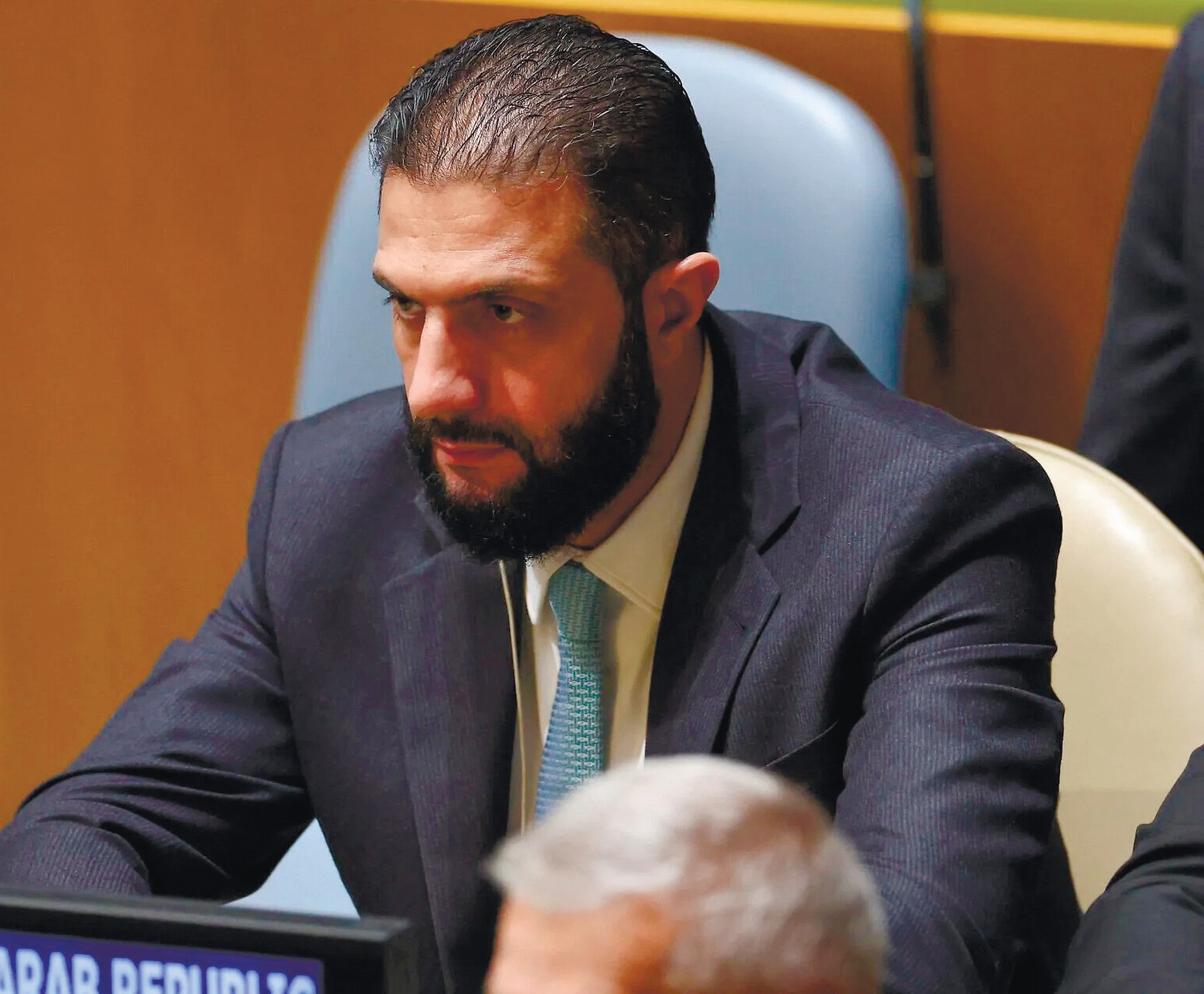
a year after the fall of the Assad regime, Syria’s new leadership, headed by Ahmed Al-Sharaa, leader of the Hayat Tahrir Al-Sham group and acting as temporary president during the transitional period, continues to face significant threats to its security and territorial integrity. Terrorism remains a key challenge, as demonstrated by the resurgence of the so-called Islamic State (IS), whose positions in Syria and neighbouring Iraq were considered nearly destroyed in 2019 due to counterterrorism efforts by several powerful global and regional actors, including the US, Russia, and Türkiye. However, recent developments show at least attempts by is to regain its former influence.
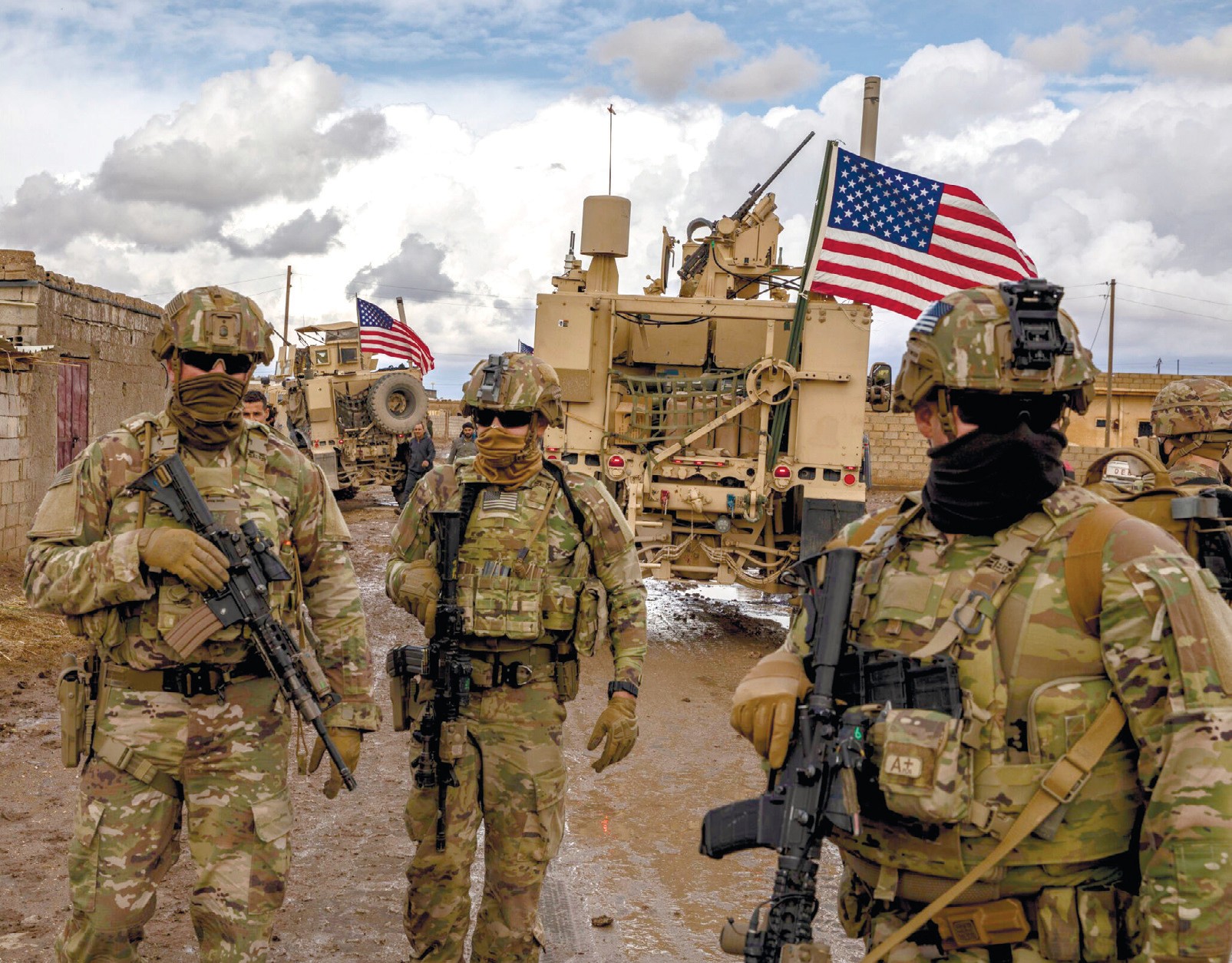
in the year since the change of power in Syria, is has repeatedly made its presence felt, aiming not only to strike at the new government but also at us forces still present on Syrian soil. According to reports from the United States Central Command (CENTCOM), numerous operations over the last six months have targeted and eliminated is militants “posing a direct threat to the united states and regional security,” disrupting the group’s efforts to “revive and inspire terrorist attacks worldwide.”
the new US operation on Syrian territory, Hawkeye Strike, unfolded on December 19-20 in response to an attack on December 13 in Palmyra, where an is militant assaulted a joint patrol of Syrian security services and American troops. The attack killed two us military personnel, a civilian American translator, and two Syrians; three American soldiers were wounded. The attacker was neutralised. According to Syria’s ministry of interior, he was a security forces employee without any command role. His affiliation with is was unquestioned by the American side, and then-us president Donald Trump promised a “very serious response” to the terrorist group.
pentagon chief Pete Hegseth described strikes on terrorist infrastructure and weapons depots as “not the start of a war but a declaration of revenge.” CENTCOM reported attacks on over seventy targets in central Syria using fighter jets, attack helicopters, and artillery. “We will continue relentlessly pursuing terrorists who seek to harm Americans and our partners in the region,” emphasised CENTCOM commander Admiral Brad Cooper.
speaking of partners, the American side specifically refers to Jordan. Reports indicate Jordanian combat aviation supported Hawkeye Strike. Jordan’s military command explained its participation by expressing a desire to prevent extremist groups from establishing footholds that threaten the security of Syria’s neighbouring countries.
perhaps most notable is the coordination between us command and Syrian authorities. Washington stresses its contacts with Damascus, mentioning Al-Sharaa’s government support for operations targeting is remnants within Syria. While us forces struck terrorist sites mainly in central regions, transitional government security forces attacked is militants hiding in eastern and southeastern areas—the Syrian desert. Washington’s support means much for Syria’s new leadership, especially considering that threats to security and stability come not only from is.
Assads, kurds and others…
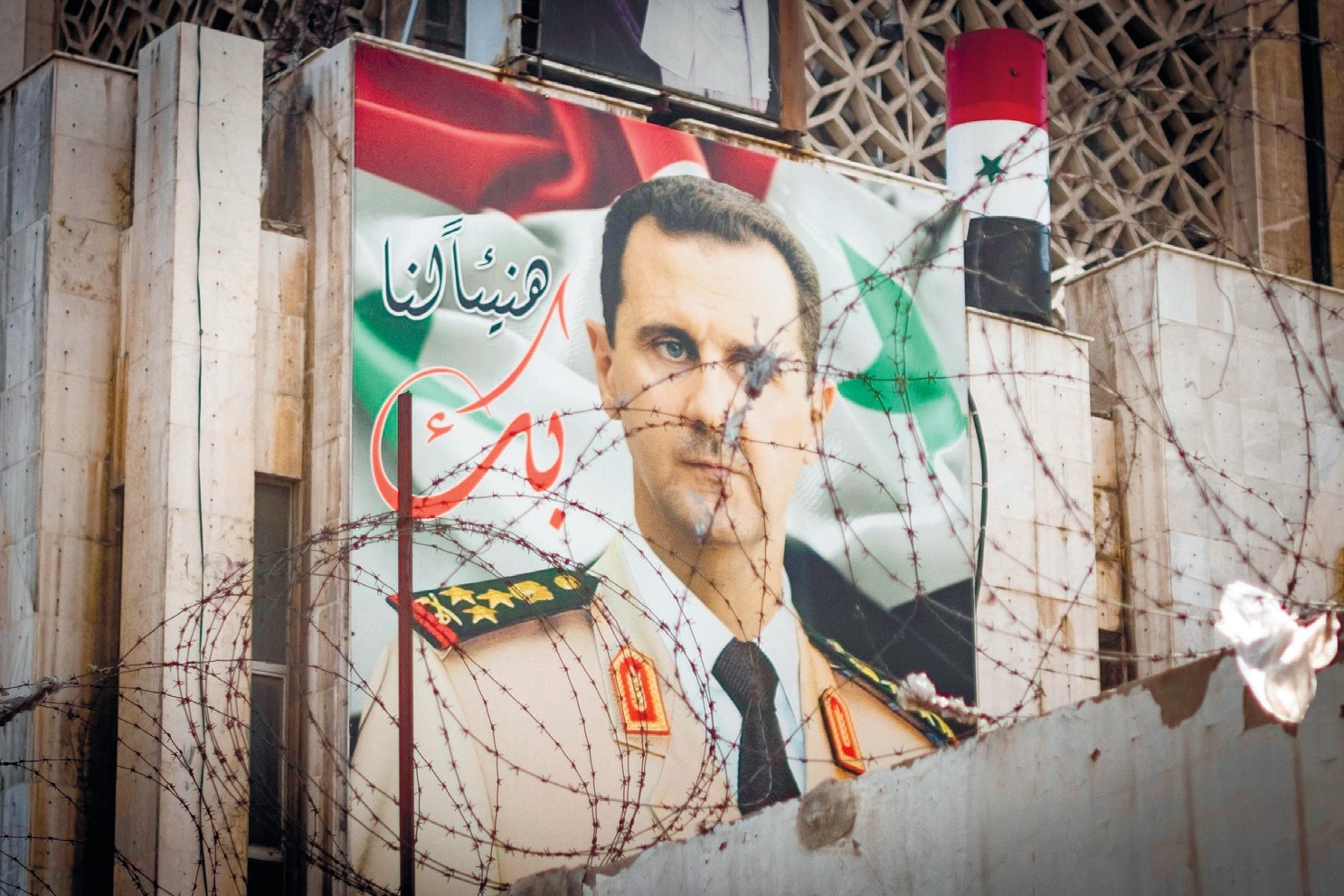
the internal Syrian escalation is also fuelled by the potential for significant activity from supporters of deposed Bashar Assad. Tragically, clashes between “new” and “former” factions periodically result in civilian casualties.
in march 2025, protests in Latakia—a western province where a large part of its two million population are Alawites, traditionally Assad regime supporters—were suppressed. There is no consensus on whether this was an attempted uprising or a spontaneous reaction to Alawite elite displacement from politics, including arrests of former regime figures. Regardless, thousands of civilians died during suppression of these Alawite demonstrations in march.
in late November, mass Alawite protests erupted in Homs and other cities demanding local autonomy, release of detainees, and return of abducted community members. Media coverage suggests local activists and religious figures led these peaceful protests, which did not appear directly linked to former government supporters.
meanwhile, reuters published details of a conspiracy involving associates of ex-president Bashar Assad. It claims that former head of Syrian Arab Republic intelligence Kamal Hassan and Assad’s cousin billionaire Rami Mahlouf—both exiled—are spending millions to form armed groups aiming to spark an uprising in coastal provinces Latakia and Tartus. Reuters suggests their likely goal is an Alawite separatist regime but does not rule out ambitions to regain control over all Syria.
despite reported bitter conflict between Hassan and Mahlouf themselves, experts cited by Reuters believe this “continues Assad regime’s power struggle” and represents “attempts by former regime leaders to reclaim influence over the Alawite community.” Assad himself, now sheltered in Moscow, is excluded from involvement; however, Syria’s current authorities are fully aware of uprising plans and prepared to counter them.
the course of events also shows Al-Sharaa’s government determination to resist ongoing Kurdish efforts to impose their vision on Damascus regarding Syria’s administrative-territorial structure. On march 10 Al-Sharaa and Mazlum Abdi, commander of Syrian Democratic Forces (SDF), signed an agreement on phased integration of Kurdish groups into state institutions and military structures. The process was scheduled for completion by end 2025 but no clear signs show Kurdish civil or military bodies have fully joined Syria’s authority or obey Damascus.
in other words, failure to meet deadlines led to armed clashes in two Aleppo districts controlled by Kurds—Sheikh Maqsud and Ashrafiya. Initial clashes happened in October; on December 22-23 Aleppo saw full-scale fighting between government troops and Kurdish groups.
Syria’s ministry of interior stated Kurdish armed groups attacked government officials at checkpoints in sheikh maksud and ashrafiya districts. Reports indicate at least three civilians died and twenty-five were injured during these shootouts.
these clashes occurred hours after a meeting in Damascus between President Ahmed Al-Sharaa and a high-level delegation from Türkiye: foreign minister Hakan Fidan, defence minister Yasar Guler, and National Intelligence Organisation (MIT) head Ibrahim Kalin. At a joint press conference Fidan and Assad Al-Shaybani accused SDF of delaying agreed commitments. Fidan said: "it is important that SDF be integrated into Syria’s government structures through dialogue and reconciliation transparently, so they no longer obstruct territorial integrity and long-term stability." he emphasised SDF’s cooperation with Israel and focus on its interests as key obstacles.
thus, geopolitical interests of powerful global players remain a primary cause of internal instability in Syria. After Assad’s overthrow Türkiye has become one of Syria’s main allies. However, Ankara views Kurdish separatist ambitions as serious threats not only to Syria’s sovereignty and territorial unity but also to Türkiye’s own security (hence repeated Turkish military operations aimed at crushing Kurdish terrorist groups). Türkiye expresses dissatisfaction with us and Israel’s “Syrian” policies: while Türkiye opposes Kurdish autonomy along its borders with Syria, Kurdish armed formations receive extensive—including military—support from us and Israel. Türkiye reasonably believes this backing strategically aims to limit its influence across the middle east.
notably, us diplomacy played a decisive role in achieving ceasefire in Aleppo. Thanks to American efforts, Syria’s defence ministry and sdf command reached a truce. But will this ceasefire lay the foundation for lasting peace when us interests both support Al-Sharaa’s government yet maintain a Kurdish factor loyal to Washington and Israel—one still reluctant to fully integrate into unified Syrian statehood?
all these nuances underscore Syria’s extraordinary complexity. The question of what will happen next remains open.
RECOMMEND:
 165
165

