

JAPANESE MOVE
Why Tokyo is betting on Central Asia

Author: Ilgar VELIZADE
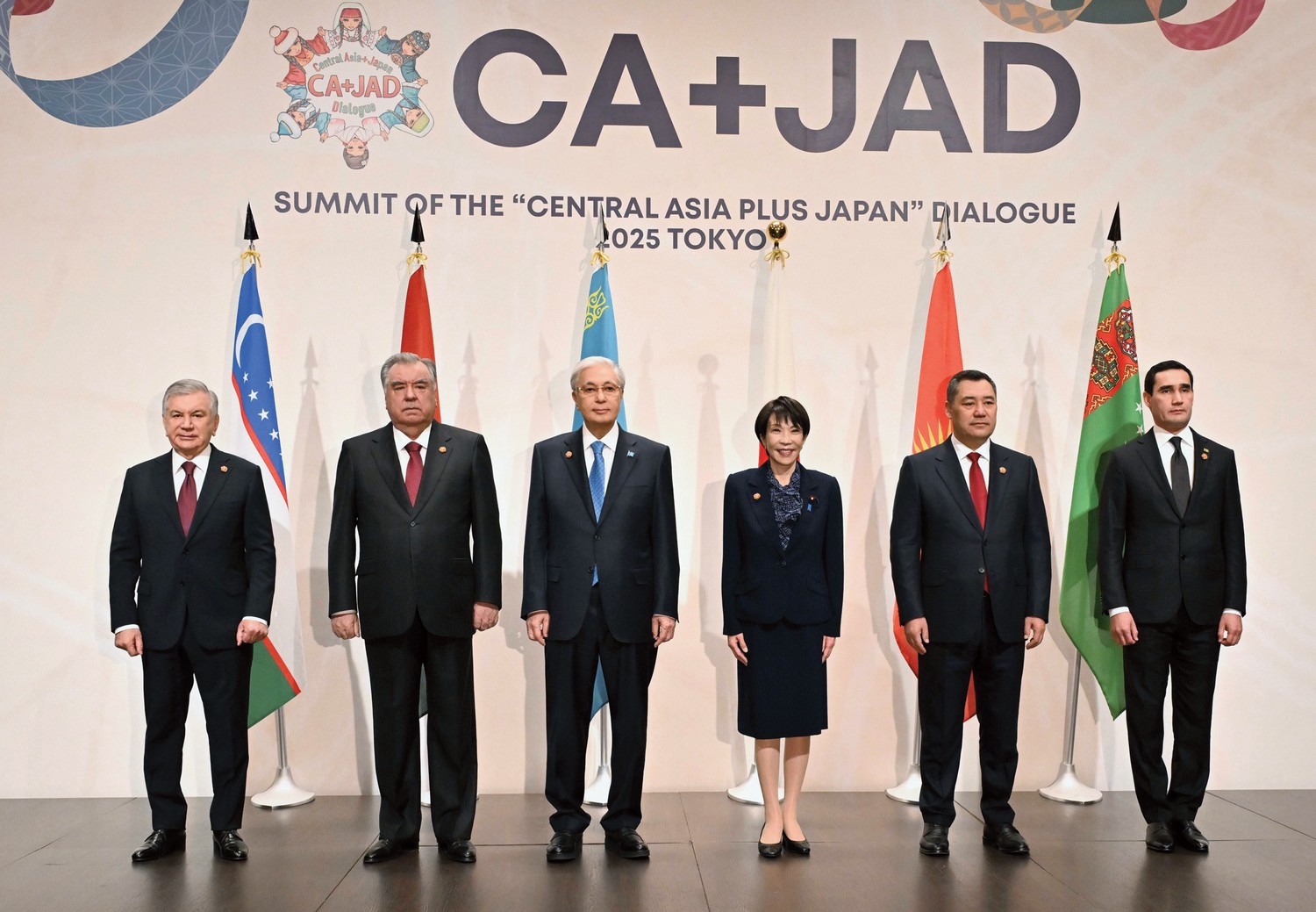
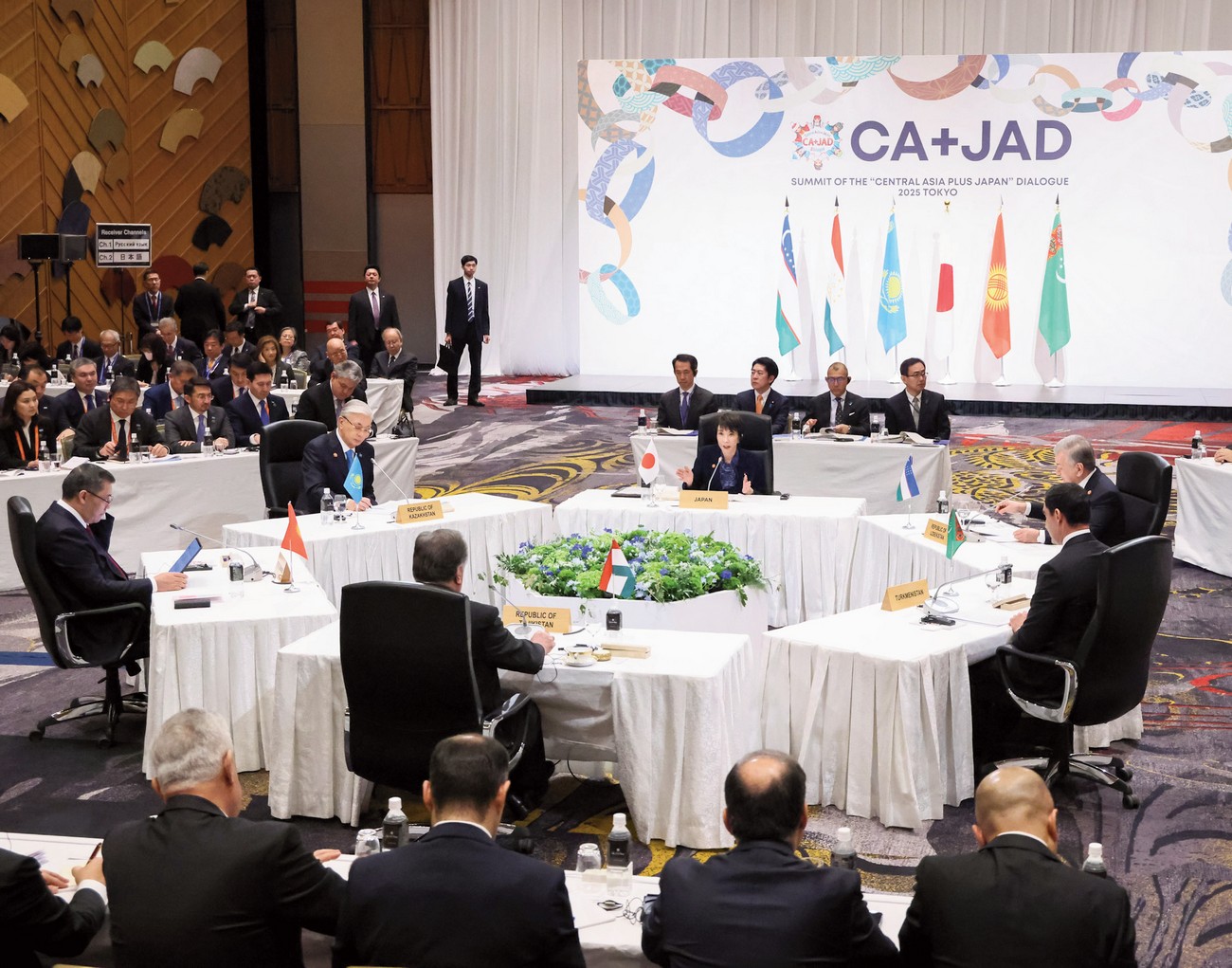
In recent years, the rivalry among leading players in global politics and economics in Central Asia (CA) has taken on a qualitatively new scale, turning it into one of the key arenas for global geo-economic competition. Against this backdrop, the advancement of Japan's policy in the Central Asian direction appears far from coincidental and reflects profound shifts in the architecture of international economic and strategic ties. Tokyo's aspiration to establish a foothold in a region rich in resource, transit, and technological potential aligns with a broader logic of diversifying foreign economic relations and reducing critical dependence on individual centres of power. The first-ever summit in the "Central Asia + Japan" format, held in Tokyo, served as a clear manifestation of this course and marked the transition of Japan's presence in CA from sporadic initiatives to a more systematic and institutionalised strategy.
Japan enters the game
The Tokyo summit was not merely a symbolic gesture of activating Japanese policy in the region but also a reflection of the intensification of multi-level geo-economic rivalry among the world's leading centres of power. This competition is contributing to the growth of Central Asia's own geopolitical and geo-economic capitalisation, as it increasingly moves beyond the confines of a peripheral space and transforms into an independent hub of global interests. The initiative by Japan's new Prime Minister Sanae Takaichi to gather the leaders of the five Central Asian states in the Japanese capital reflects Tokyo's desire to close the strategic gap with the main external players—primarily China and South Korea—and to institutionally secure its position in the region.
Over the course of one year, the leaders of Kazakhstan, Kyrgyzstan, Tajikistan, Turkmenistan, and Uzbekistan held separate summits with Donald Trump, Vladimir Putin, Xi Jinping, and Ursula von der Leyen. This diplomatic "marathon" vividly demonstrates the increased international significance of the region and its ability to act as an independent platform for the intersection of global actors' interests. For Japan, such dynamics mean the need to integrate into an already established and quite dense competitive environment, where China's positions remain the strongest.
Beijing is consistently strengthening its status as Central Asia's primary economic partner, relying on geographical proximity, large-scale infrastructure investments, and the deep integration of the region into the "Belt and Road" initiative. A significant role is also played by China's control over global supply chains for rare earth elements, which are critically important for high-tech industries—from semiconductor production to battery and defence technologies. The export restrictions introduced in 2025 against several Western countries have heightened concerns in the US, Japan, and South Korea, further elevating the strategic value of CA's resources. As a result, the region has come to be viewed by Tokyo as one of the few viable options for diversifying supplies of rare earth metals, uranium, gas, and gold outside the Chinese framework.
Tokyo's policy strengths
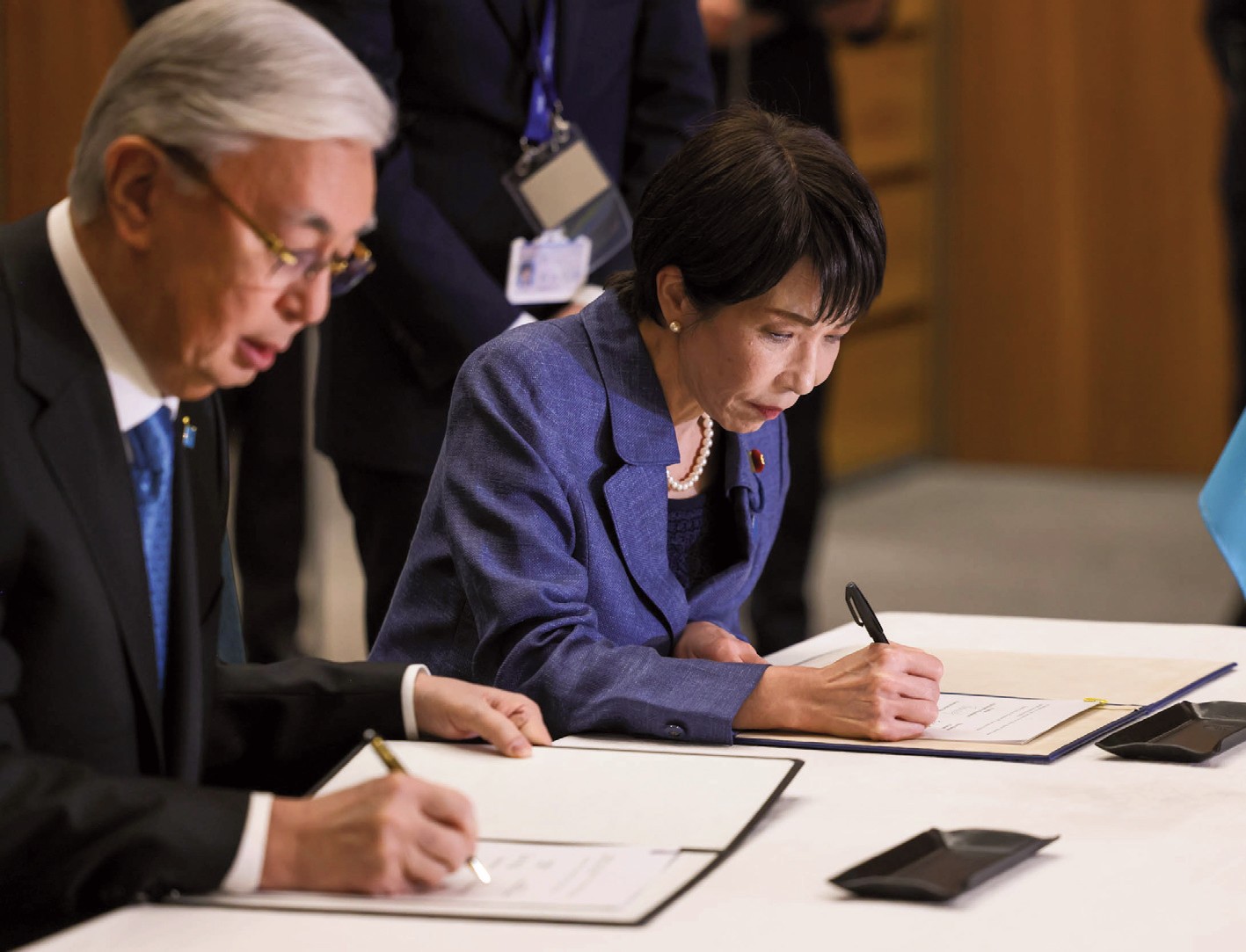
Japan's approach is characterised by fundamental caution and an emphasis on technological and institutional components. Within the framework of the summit, a framework agreement on "partnership in the field of artificial intelligence" was signed, focused on applying digital solutions in geological exploration, big data analysis, and the assessment of undeveloped deposits. It reflects Japan's aim to offer CA not so much large-scale lending as high-tech expertise and long-term investments with relatively low political risks. Unlike the Chinese model, Japan's strategy avoids rigid debt dependence and bets on gradual integration into national economic systems.
An additional element of Japan's strategy is support for the Trans-Caspian International Transport Route, seen as part of alternative logistics corridors that allow CA states to reduce dependence on Russian transit routes and expand access to markets in Europe, the Middle East, and South Asia. For Tokyo, the development of this route holds not only economic but also strategic importance, as it contributes to the formation of a more diversified and resilient Eurasian logistics architecture.
In the technological and economic competition for influence in CA, South Korea plays an active, albeit less public, role. Seoul acts as a kind of "quiet" competitor to Japan, focusing on industrial cooperation, energy, raw material processing, and infrastructure projects. The Korean model, based on flexible financial instruments, private sector involvement, and an orientation towards quick economic returns, is perceived as less politicised compared to the Chinese one and more pragmatic than the Japanese.
For the Central Asian states themselves, the rivalry between China, Japan, and South Korea creates additional room for foreign policy and economic manoeuvring. While maintaining strategic ties with Russia and deepening economic interaction with China, regional elites are simultaneously seeking to diversify external partnerships by attracting Japanese and Korean technologies, investments, and management practices. At the same time, objective constraints—challenging terrain, insufficiently developed infrastructure, and capital shortages—continue to limit the pace of resource development and intensify competition for the most accessible and profitable projects.
Tokyo Declaration: a new chapter in multilateral relations
The key political outcome of the summit was a document that recorded the transition of interaction between Japan and the CA states to a qualitatively new, more institutionalised level. It reflected a shared understanding that, amid sharpening global competition, the region is acquiring independent geo-economic and geopolitical significance, moving beyond the traditional perception as a peripheral space for rivalry among external players. The declaration affirmed the parties' readiness to deepen cooperation in areas of sustainable development, energy transition, transport and logistics connectivity, digitalisation, and human capital development, with an emphasis on the practical implementation of joint projects.
A natural extension of the declaration was the "Tokyo Initiative CA+JAD," serving as a framework platform for the practical implementation of the agreements reached. While the declaration sets out the strategic vision and political consensus, the initiative establishes mechanisms for their realisation through the launch of specific programmes and investment projects involving both public and private sectors. Japan pledged to allocate up to 3 trillion yen—around $20 billion—for the implementation of business projects in CA over the next five years, relying on official aid instruments. Particular attention is given to the sustainability of supply chains, the "green" transformation of the economy, and adaptation to climate change, which directly reflects the global priorities of Japan's foreign economic policy.
The Tokyo summit fits organically into the broader foreign policy course of the Takaichi government, aimed at reducing critical dependence on Chinese supply chains—primarily in the areas of rare earth elements, semiconductors, battery technologies, and artificial intelligence. The expansion of Japan's geo-economic presence involves combining state instruments with active engagement of private business—a model that Tokyo is already applying in Africa and the Indo-Pacific region and is now consistently extending to Central Asia.
The start of a long journey
Against this background, trade and economic ties between Japan and the CA states in 2024-2025 retain a consistently asymmetric character. Kazakhstan remains the absolute leader, accounting for the bulk of Japan's trade turnover, followed by Uzbekistan, which shows moderate but steady growth in interaction. Trade with Kyrgyzstan, Tajikistan, and Turkmenistan remains limited, underscoring Tokyo's ongoing interest in the region without a shift to a sharp expansion of trade presence and a simultaneous emphasis on investment and technological cooperation.
Overall, the Tokyo summit should be viewed as Japan's attempt to integrate into the long-term architecture of influence in Central Asia, relying primarily on economic, technological, and institutional tools. In conditions of China's dominant economic presence and South Korea's growing activity, the success of Japan's strategy will depend on Tokyo's ability to offer a unique combination of advanced technologies, sustainable long-term investments, and politically neutral partnership. It is precisely this model, which takes into account the interests of the Central Asian states themselves and does not imply direct confrontation with other external players, that can ensure Japan a independent and sustainable presence in the region.
RECOMMEND:
 211
211