

2025: BALANCE AMID CHAOS
Trade wars, local conflicts, and the return of power politics—what the world became this year



Author: Irina KHALTURINA
The geopolitical balance sheet for 2025 is decidedly mixed. On the one hand, diplomatic efforts to resolve protracted conflicts achieved varying degrees of success. Crucially, the international community managed to steer clear of apocalyptic scenarios—such as the outbreak of a Third World War—which is an achievement in itself.
On the other hand, the global arena has become increasingly fragmented. Local conflicts have persisted across multiple regions, while protectionism has surged and new trade wars have ignited. The world has effectively entered a phase of restructuring established trade flows and logistical supply chains. Amidst continuing tensions between the leading powers—the United States and China—the technological race has accelerated. In this context, control over the extraction and processing of rare earth metals has acquired critical strategic importance.
Notably, many analysts attribute both the positive and negative trends of the outgoing year to the return of Donald Trump to the White House. The US President was, without a doubt, the most defining political figure of 2025.
Political star of 2025
The inauguration of Donald Trump in January set the tone for the entire year. Already in the first weeks, the new-old president signed a whole series of decrees, signalling that he is returning not simply in his former role, but in a much more decisive form. Not without reason did the Western media jokingly dub his second term "Trump 1.0, but on steroids"—now he, it seemed, decided to implement everything he had once refrained from. The America First doctrine again became the basis of foreign policy, but this time without any reservations. The introduction of high import tariffs, not only against geopolitical rivals but also against the closest allies—the EU, Japan, and Asian countries—instantly exacerbated trade wars around the world. The domino effect was not long in coming: global markets were shaken, and Washington's allies felt that "friendship" with the new administration was taking on a very pragmatic form.
The finale of the turbulent political year was the new US National Security Strategy. And if anyone expected a standard document with traditional wording, they were mistaken. In the document, for the first time in many years, Russia and China are not named as the main adversaries. Instead, Europe received a portion of criticism the likes of which it had not heard for decades. The Americans bluntly predicted the Old World's "civilizational disappearance" under the onslaught of migration. And they even hinted that Europeans are deliberately prolonging the war in Ukraine. These statements fit perfectly into the general canvas of vivid events of 2025. From the resonant speech of Vice President James Vance at the Munich Security Conference to the scandalous confrontation in the Oval Office between Trump and Vladimir Zelensky. All this made it clear: an era without half-tones has arrived in Washington's politics.
Europe in bewilderment
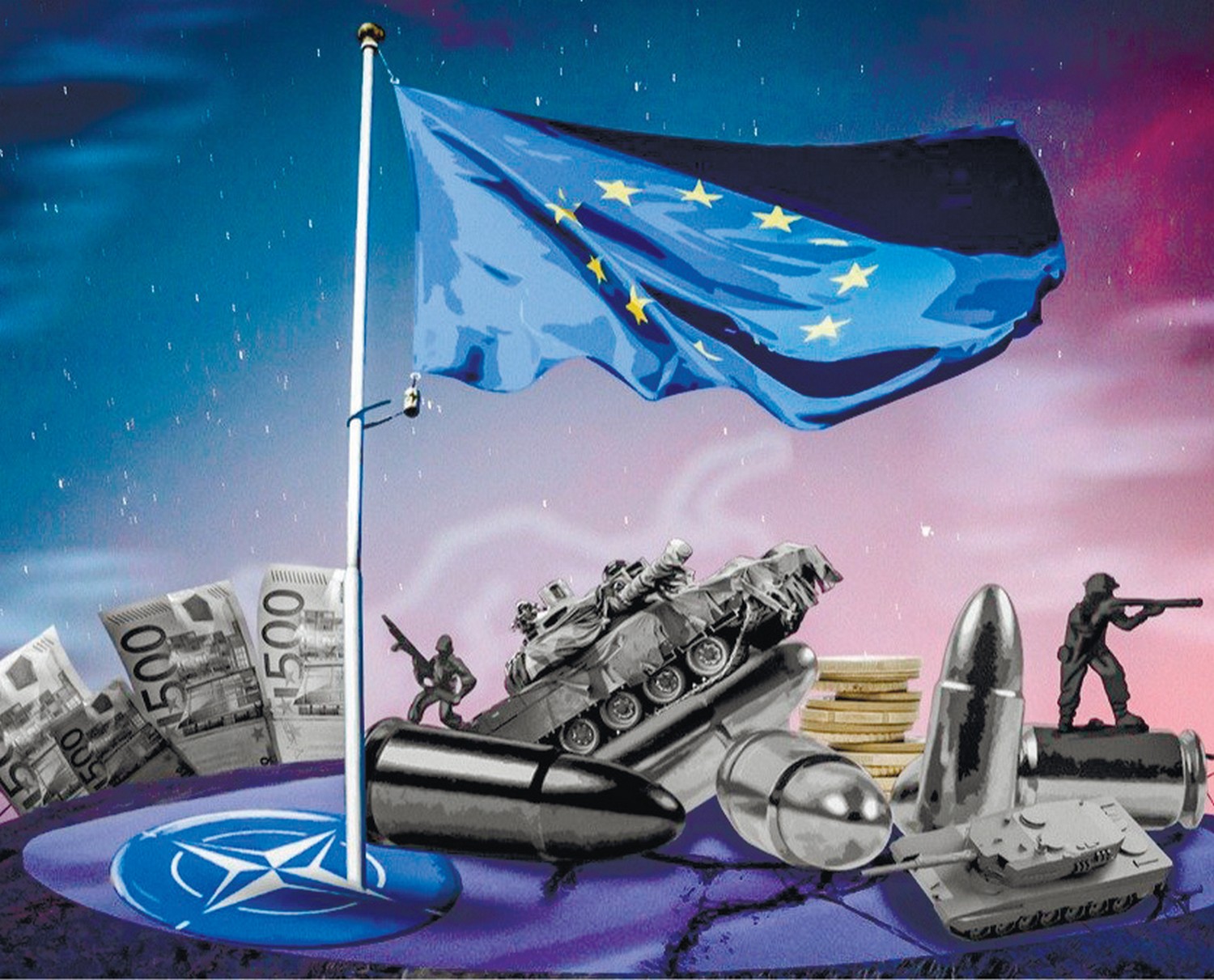
In the new US strategic doctrine, experts saw doubts about the strength of the Transatlantic Alliance—and this, perhaps, became the most negative signal of the year. Europe faced difficulties in defining its role in the new world order, resolving issues of expansion and economic stability against the backdrop of cooling relations with the US. Europeans took offence at Trump all year; articles even appeared in the local media in "defence of honour and dignity", emphasizing that no other region in the world (including America) ensures a higher quality of life for a significant part of the population than Europe. America was reminded of its support for nationalist voices in the EU, its "neo-imperial desire to take possession of Greenland (and Canada)", and it was said that Trumpism acts as an "exportable political project". Particularly painful for Europe was the perception of Washington's position on Ukraine. In the opinion of European capitals, the US, as the founder of NATO and its main military pillar, cannot switch to the role of an outside mediator, because what is happening directly concerns European security.
Meanwhile, Trump's defenders argue somewhat differently: it is not so much about a crisis of transatlantic ties as it is about a global struggle against the so-called "deep state" and its networks of influence—from the media and NGOs to international organizations and alliances. A vivid example of this new course was the truly sensational initiative of the Washington administration to close the US Agency for International Development (USAID) under the pretext of corruption and inefficiency. This step definitively showed: the era of "soft power" in foreign policy has been replaced by pragmatism and a hard balance of power.
Thus, in 2025, the classical concept of US global leadership was effectively revised. Now the priority is not global dominance, but the Western Hemisphere, the Indo-Pacific region, and Latin America. Americans view this part of the world as a zone of priority control. For example, all year Washington strengthened its military presence in the Caribbean basin, fortified positions around the Panama Canal, and demonstratively pressured Venezuela, accusing Nicolas Maduro of links to drug cartels and placing a $50 million bounty on his arrest.
China's well-elaborated strategy
All this took place amidst growing rivalry with China, although military rhetoric noticeably subsided. Trump is clearly shifting the focus of his strategy regarding Beijing to the economic side instead of strategic confrontation. And what is interesting: towards the end of the year, suggestions began to be heard more frequently that Russia might be viewed in this equation more as a partner or even a junior ally in containing Beijing than as a geopolitical adversary. Thus manifests Washington's new logic, in which ideological lines give way to calculation. All this, of course, does not mean that the US is suddenly turning into a peace-loving dove. Washington plans a large-scale modernisation of strategic forces, the nuclear arsenal, space forces, and missile defence systems, building them in close connection with artificial intelligence technologies.
But it is here that the main nerve of 2025 for the American establishment was revealed—China's almost monopoly control over global supplies of critical minerals and rare earth elements. Without them, neither the breakthrough development of AI, nor the launch of quantum computing at full power, nor the production of modern weapons is possible. For the Western industrial and defence base, this resulted in the realization of a painful strategic vulnerability. Today, China controls the lion's share of global capacities for processing critical minerals; in a number of segments, its share reaches 85-95%, which turns Beijing into an indispensable link in global supply chains. In this context, China's line on promoting a multipolar world order, weakening traditional Western alliances, and strengthening regional blocs in 2025 is perceived not as an abstract concept, but as part of a well-thought-out strategy backed by real economic and resource power.
Conflicts: Ukraine, Gaza, Iran...
The year saw the continued escalation and internationalisation of the Ukrainian conflict, paradoxically combined with renewed diplomatic attempts. Various peace initiatives circulated in political circles, including Donald Trump’s "28-point plan." The culmination of these efforts was the Alaska Summit in August 2025—a personal meeting between Trump and Putin at Joint Base Elmendorf-Richardson in Anchorage. While no formal agreements were signed, both parties publicly termed the talks "productive." Nevertheless, Trump’s campaign promise to "end the war on day one" remained a mere slogan; by year’s end, combat continued at full intensity. Events in Ukraine will undoubtedly remain at the centre of global attention in 2026, with potential ceasefire scenarios and the fate of frozen Russian assets high on the agenda.
The biggest shock to the international community was the brief but intense 12-day war between Israel and Iran, which erupted on June 13. This conflict, already dubbed the "Twelve-Day War," rapidly internationalized and threatened to ignite a full-scale regional conflagration. Initially attempting mediation, the United States eventually entered the fray, launching massive strikes on three key Iranian nuclear facilities: Fordow, Natanz, and Isfahan. This marked the first direct US strike on Iranian nuclear infrastructure in history. Trump declared the strikes had "destroyed" the infrastructure and set Tehran's nuclear program back by months or years, though experts disagree on the actual damage. Iran retaliated with ballistic missiles targeting the US Al Udeid Air Base in Qatar, though official US and Qatari reports claimed no casualties. For residents of Tehran hiding in shelters and citizens of Tel Aviv living under constant sirens, these 12 days were among the most tense in recent history.
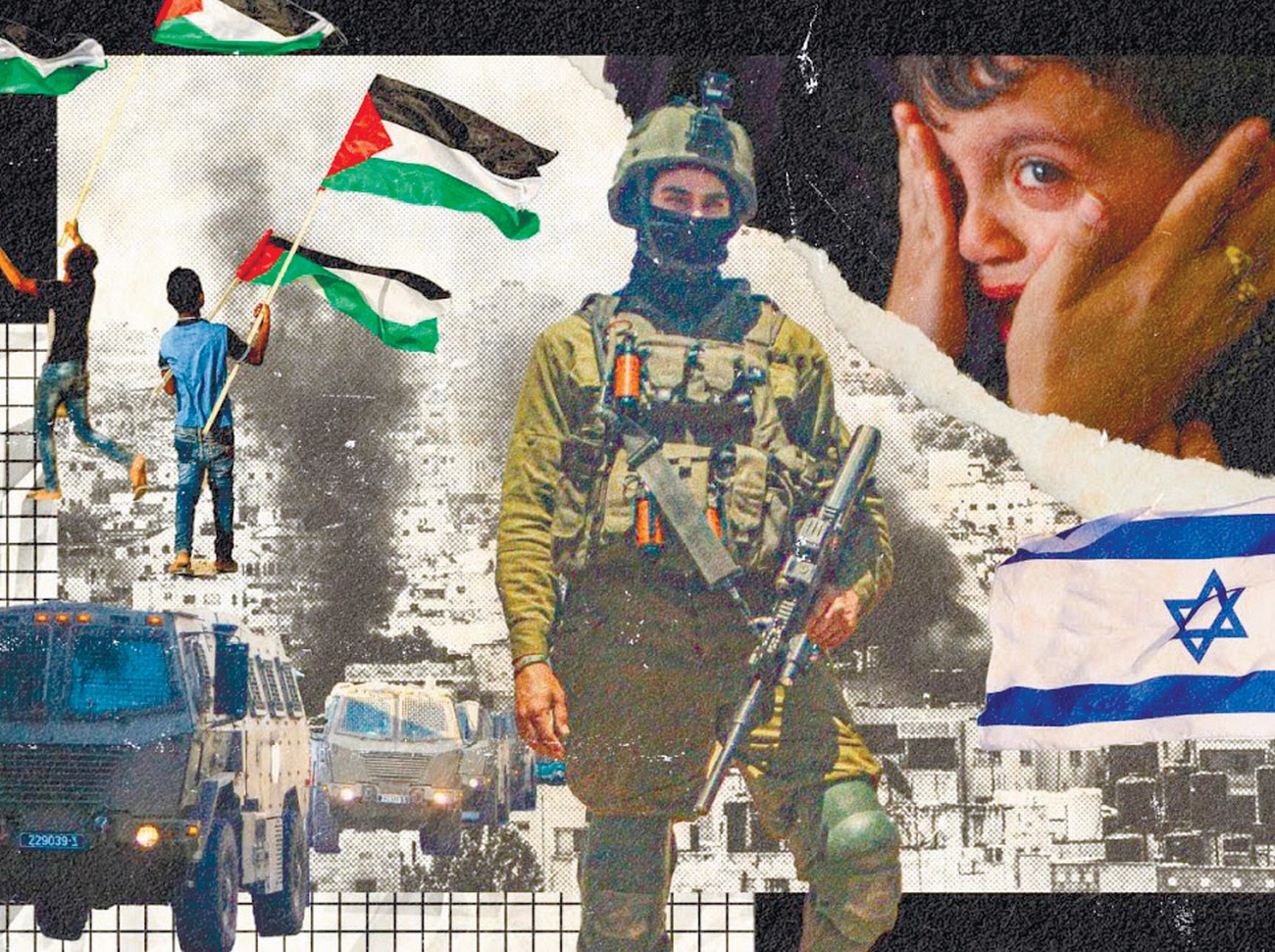
Meanwhile, the world continued to watch the war in Gaza, sparked by the Hamas attacks of October 7, 2023 and the following humanitarian crisis. Under immense pressure from Washington, Israel and Hamas finally agreed to a ceasefire, facilitating a complex exchange deal: the last surviving hostages returned to Israel, while thousands of Palestinian prisoners were released. The region remains volatile, however. An ambitious reconstruction plan for Gaza links the ceasefire to demilitarization, international oversight, and an externally managed security infrastructure. The sustainability of this truce depends on coordinated diplomacy, though its practical implementation remains uncertain.
The world also watched with alarm as violence flared between nuclear-armed India and Pakistan. A terrorist attack in Kashmir’s Pahalgam district killed 26 people, one of the bloodiest incidents in decades. Amidst mutual accusations, tensions between New Delhi and Islamabad quickly escalated into open military conflict. For several days, the sides exchanged artillery and airstrikes on military and infrastructure facilities, raising fears of nuclear escalation. Fortunately, active hostilities ceased after a week: mediated by the US, China, and the UN, both nations agreed to a ceasefire and gradual de-escalation of military activity at the borderline.
US presidential mediation also played a pivotal role in the historic peace summit between Azerbaijani President Ilham Aliyev and Armenian Prime Minister Nikol Pashinyan in Washington in August 2025. There, they initialled the Agreement on the Establishment of Peace and Inter-State Relations. After more than three decades of conflict between Baku and Yerevan, the South Caucasus may finally be transitioning from confrontation to controlled peace. Negotiations also focused on unblocking communications, resulting in the decision to develop the Trump Route for International Peace and Prosperity (TRIPP), also known as the Zangezur Corridor. For a few hours, the White House was the centre of global attention, shaping the future architecture of politics, economy and security in a region considered strategic for many actors. This event bolstered Trump’s bid to position the US as a "global peacemaker," while for Azerbaijan, it confirmed the diplomatic consolidation of its military victories.
Generation Z enters the game
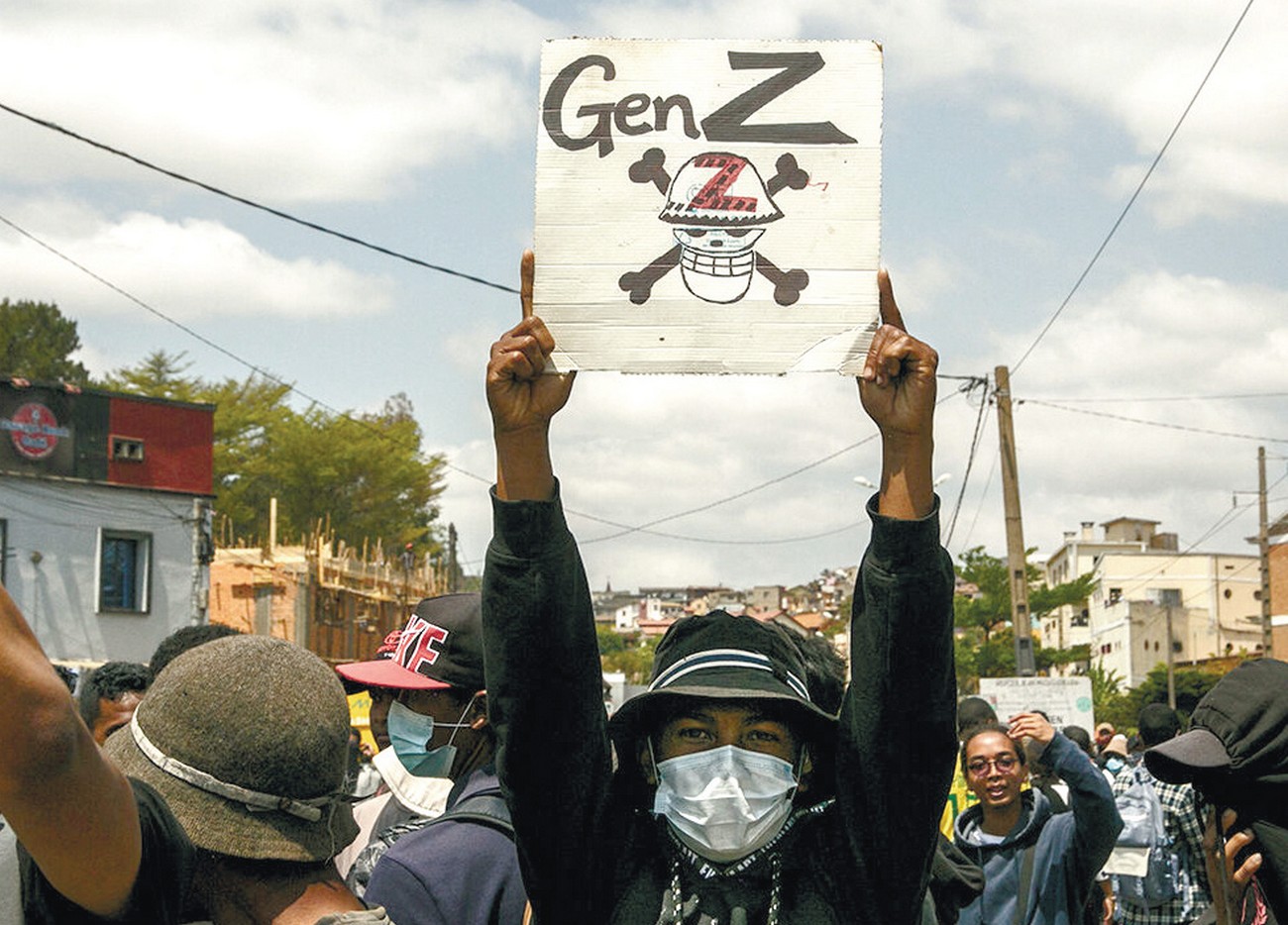
One of the most intriguing and unexpected developments of 2025 was the emergence of Generation Z as an independent global political force. Across the Global South—from Asia to Africa and Latin America—mass movements led by people under 30 erupted against low living standards, censorship in social networks, and corruption. This energy was most visible in Nepal, where youth protests against corruption and social media bans culminated in the arson of the parliament building in Kathmandu, forcing Prime Minister K. P. Sharma Oli to resign. Similar Gen Z-led uprisings occurred in Morocco, Kenya, Peru, and Tanzania. In Madagascar, this wave of discontent ultimately led to regime change. No longer just "online activists," Generation Z proved itself a tangible factor in shifting political courses and toppling governments.
A hostile climate
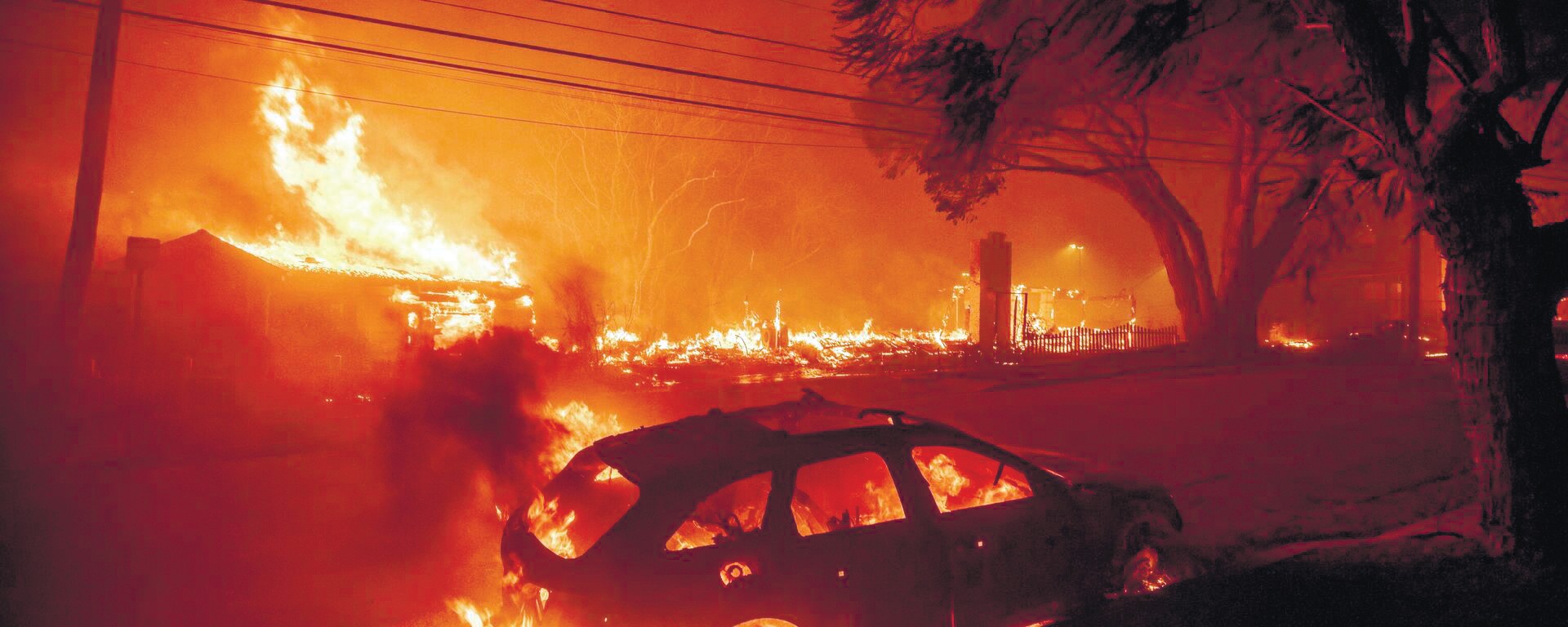
2025 will go down in history for its devastating natural disasters. Climate change intensified storms, droughts, and fires, contributing to a global catastrophe with millions of victims. In January, California wildfires destroyed thousands of homes in Los Angeles, forcing the evacuation of tens of thousands from Malibu and Santa Monica. Fires in the US and Canada burned a record 10 million hectares, sending smoke as far as Europe.
In October, Hurricane Melissa became one of the most powerful Atlantic storms in 150 years, devastating Jamaica and Cuba. Monsoon floods in India, Bangladesh, and Nepal created millions of refugees. Heatwaves and blackouts killed tens of thousands in India and Pakistan, while Europe lost €28 billion in crop failures due to dried-up rivers. 2025 was truly the year the climate bared its teeth.
Old "unkind" rules
Ultimately, 2025 was a year of fragile balance amidst chaos. Nation states grasped for new geopolitical landmarks but repeatedly collided with the old, "unkind" rules: the primacy of national interest and the right of the strong. Regional crises teetered on the brink of global catastrophe, while the climate signalled that humanity has no choice but to adapt and unite. The main question for 2026 is simple: will world leaders choose cooperation, or will they persist in confrontation?
RECOMMEND:
 251
251

