

PEACE AS STRATEGY
From war to transit: how Baku is shaping the region of the future
Author: Namig H. ALIYEV
International analytical centres are increasingly viewing the year 2025 as a pivotal moment for the South Caucasus, a strategic inflection point. After decades of conflict, the region is now entering a phase in which key parameters of security, transport connectivity and diplomatic balance are beginning to acquire an institutionally structured character. The processes under discussion are centred on the normalisation of Azerbaijani–Armenian relations and the active involvement of both global and regional actors.
The Washington Declaration as a political and legal foundation
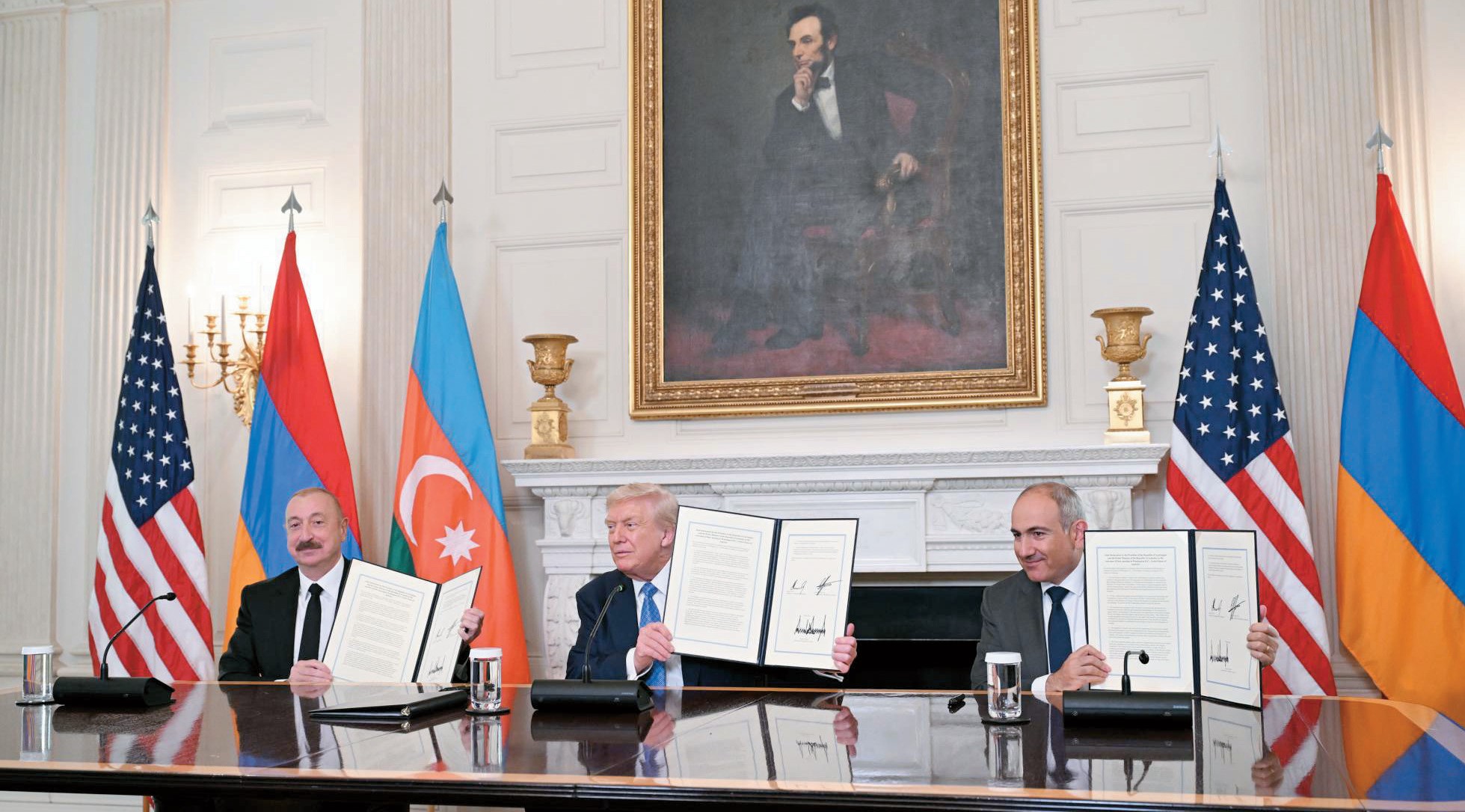
The signing on 8 August 2025 of the Joint Declaration by the President of Azerbaijan and the Prime Minister of Armenia, witnessed by the President of the United States in Washington, became the first multilaterally legitimised document to formalise the transition from post-conflict management to peaceful interstate interaction. "By demonstrating our commitment to our mission and enduring significant challenges, we have achieved a momentous victory and solidified it in the most distinguished setting worldwide—the White House of the United States, with the participation of the US President," President Ilham Aliyev highlighted in his New Year address.
The key significance of the declaration lies in the de facto recognition of the outcome of the 44-day war of 2020 as a new reality. Concurrently, it signalled the commencement of the establishment of interstate relations between Azerbaijan and Armenia. The summit effectively established a framework for the integration of three distinct processes: The establishment of peace between Azerbaijan and Armenia, the normalisation of relations between Armenia and Türkiye, and the opening of regional communications.
It is widely acknowledged that the Washington Declaration set the so-called point of no return, after which a return to the logic of a frozen conflict became virtually impossible.
"Despite the fact that we have lived under these conditions for only five months, we are already seeing the results—both politically and economically. A positive public mood, growing confidence in stability and security — all these factors, of course, enable us to move forward successfully and continue addressing all the tasks facing the country," Ilham Aliyev said on January 5 in his interview with local television channels.
Thus, in 2025 the United States returned to the region in the role of a political architect rather than merely a mediator. Experts from the American research organisation RAND Corporation note that Washington seeks to integrate the South Caucasus into a broader system of Eurasian stability, in which Azerbaijan is viewed as a sovereign actor, an energy and transport hub, and a partner meeting the criteria for deepened strategic interaction.
The initiative to repeal Section 907 in the US Congress became a symbolic expression of this transformation.
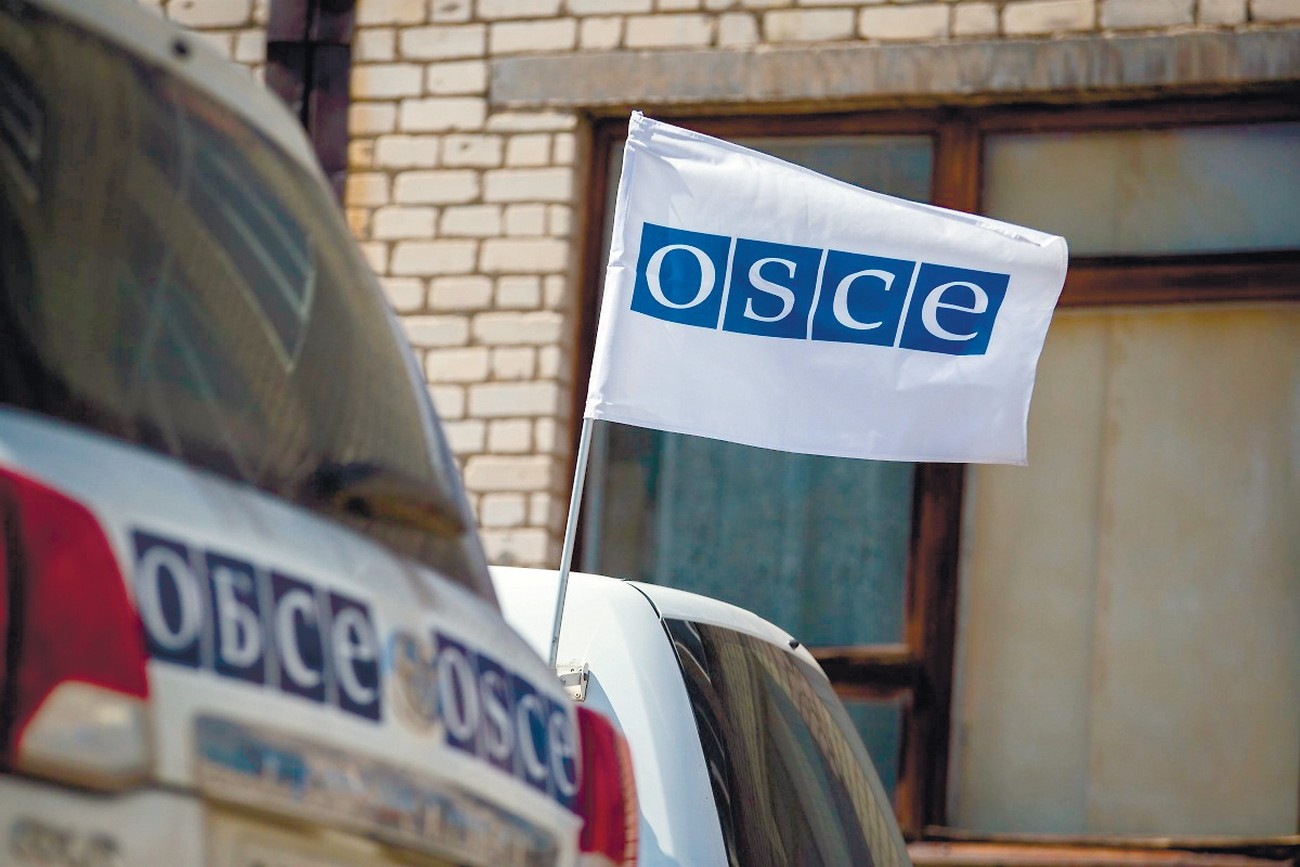
The dissolution of the OSCE Minsk Group and the EU’s dual approach
The decision to dissolve the Minsk Group, adopted by consensus among all member states, became the legal and political conclusion of the conflict in its former international status. This event definitively removed the label of a “country with an unresolved conflict” from Azerbaijan. The completion of the dissolution process in December of last year also served as a signal for the 50-year-old organisation, currently experiencing a serious crisis and ambiguously interpreting international law, above all the Helsinki Final Act of 1975.
The European Union, on the one hand, supported the dissolution of the OSCE Minsk Group, thereby de facto recognising the end of the conflict phase. On the other hand, EU–Armenia partnership documents containing elements of political and defence support were perceived in Baku as unbalanced and potentially counterproductive.
Such steps by the EU carry the risk of undermining trust and create the impression of a selective approach to regional stability.
Economic and humanitarian confidence-building measures: from declarations to practice
One of the fundamental features of the 2025 peace process was that it did not remain confined to diplomatic declarations and political statements, but began to acquire practical substance. In this context, economic and humanitarian confidence-building measures assumed independent significance as tools for de-escalation and for shaping a new logic of interaction between Azerbaijan and Armenia.
International analytical centres emphasise that sustainable peace in post-conflict regions is impossible without at least a minimal level of economic interdependence, even if at the initial stage it remains limited and symbolic. It is precisely in this light that the first steps are viewed—steps that only a few years ago would have been perceived as politically and psychologically impossible.
The transit of grain to Armenia through Azerbaijani territory became one such humanitarian and political signal. The opening of transport routes emerged as one of the most illustrative examples of the practical implementation of the peace agenda. Despite the relatively modest volumes of supplies, this step carried multi-layered significance. First, humanitarian: reducing Armenia’s vulnerability in the area of food security. Second, political: demonstrating Baku’s readiness to use sovereign control over communications not as an instrument of pressure, but as an element of regional stabilisation. Third, regional: creating a precedent for transit cooperation capable, in the future, of evolving into full-scale transport connectivity across the South Caucasus.
Such actions erode the “zero-sum” logic that dominated Azerbaijani–Armenian relations for decades. The grain transit became not merely an economic operation, but a test of trust that was successfully passed by both sides.
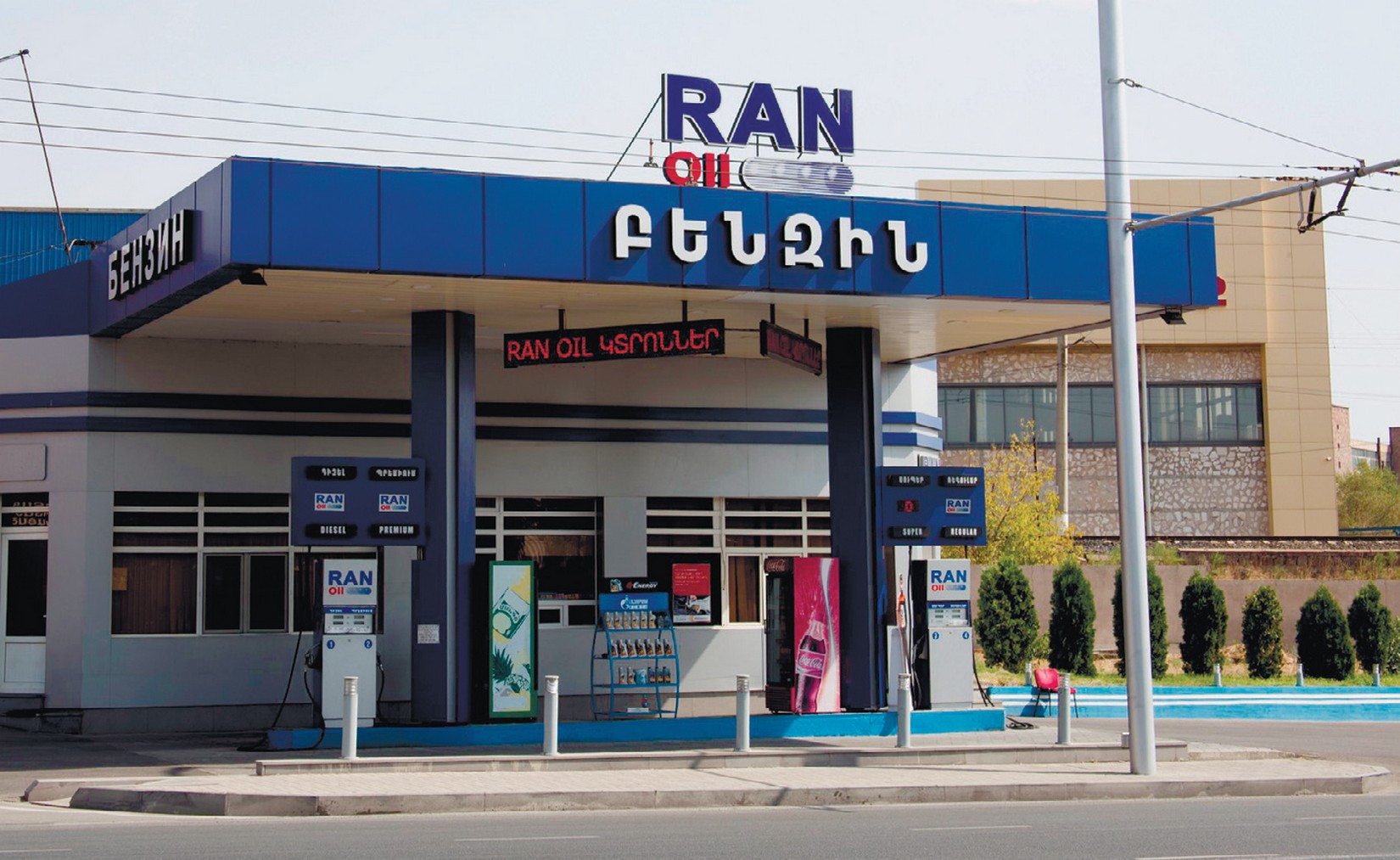
No less significant were the supplies of Azerbaijani petrol to Armenia—the first example in many years of direct energy interaction between the two countries, representing the energy dimension of trust. From the standpoint of classical economic logic, this step was not critical for Armenia’s fuel balance. However, its political and psychological effect proved far more substantial.
Energy cooperation in post-conflict conditions is always perceived as an indicator of the depth of transformation in relations. In this case, it involved dismantling the image of an “existential enemy”, forming an elementary model of mutual responsibility, and gradually shifting relations from the military and ideological planes to a pragmatic one.
The fact that energy supplies were carried out without serious incidents or political crises was interpreted by international observers as a signal of the resilience of the emerging process.
The significance of these confidence-building measures, initiated by Azerbaijan, lies primarily in the symbolic and psychological spheres rather than in economic indicators. Public distrust decreases, elites gain experience of practical interaction, and the rudiments of interdependence take shape—a condition under which a return to confrontation becomes politically and economically less advantageous.
In this sense, the economic and humanitarian measures of 2025 are viewed as a foundation laid by the Azerbaijani side for future, larger-scale projects—from the full opening of transport corridors to regional energy and trade schemes.
Therefore, the Armenian side should pay attention to proposals such as those made in the final days of 2025—concerning supplies of aluminium and agricultural products to Azerbaijan. Baku will not purchase what the country does not need, and charity towards Armenia would not be perceived positively by society at large.
At the same time, Azerbaijan continues serious work on implementing the Zangezur Corridor, which is vital for the entire region, and expects a comparable approach from Yerevan. “Our roads leading to the border with Armenia—both rail and road—can be said to be almost fully ready in the near future. The road is nearly 95% complete. The physical readiness of the railway stands at 70%. We could accelerate the work, but there is no particular need for this, as construction has not yet begun on Armenian territory. There, a 42-kilometre road must be built. In parallel, most of the road on the territory of Nakhchivan is already ready. As you know, its length is about 190 kilometres—most of it has already been completed,” Ilham Aliyev said in an interview.
Trend 2026: from isolated steps to a system
The key challenge of the next stage in 2026 will be the institutionalisation of these practices. If transit, trade and energy interaction are translated into a stable, contractually formalised framework, the South Caucasus will gain a rare opportunity for a post-conflict region to move from “negative peace” (the absence of war) to positive peace based on interests and mutual benefit.
This is why the economic and humanitarian confidence-building measures implemented in 2025 are viewed not as a secondary appendage to political agreements, but as one of the key pillars of the emerging architecture of peace in the South Caucasus.
At the same time, Azerbaijan must play the role—as Ilham Aliyev noted in his interview—of a facilitator, so to speak: a country that contributes to increasing cargo flows, invests in its own infrastructure and that of neighbouring states, and distributes flows based on commercial expediency and a range of other factors. “Therefore, Azerbaijan’s role as a transport hub, moreover one without access to open seas, will naturally continue to grow.”
However, as in any system, movement must be two-sided. Observing how a country that has liberated its territories from Armenian occupation offers the defeated side a long-term peace treaty, systematic economic cooperation and participation in regional projects, one understands that the movement must also be reciprocal.
In this understanding, there are three key points:
1. the removal from Armenia’s Constitution of territorial claims against Azerbaijan;
2. the activation and acceleration of work on implementing the Zangezur Corridor (TRIPP); and
3. repentance by Armenia and Armenian society for the aggression, occupation and crimes committed, thereby creating the necessary foundation for the development of the peace process and convincing Azerbaijan of the sincerity of Armenian intentions.
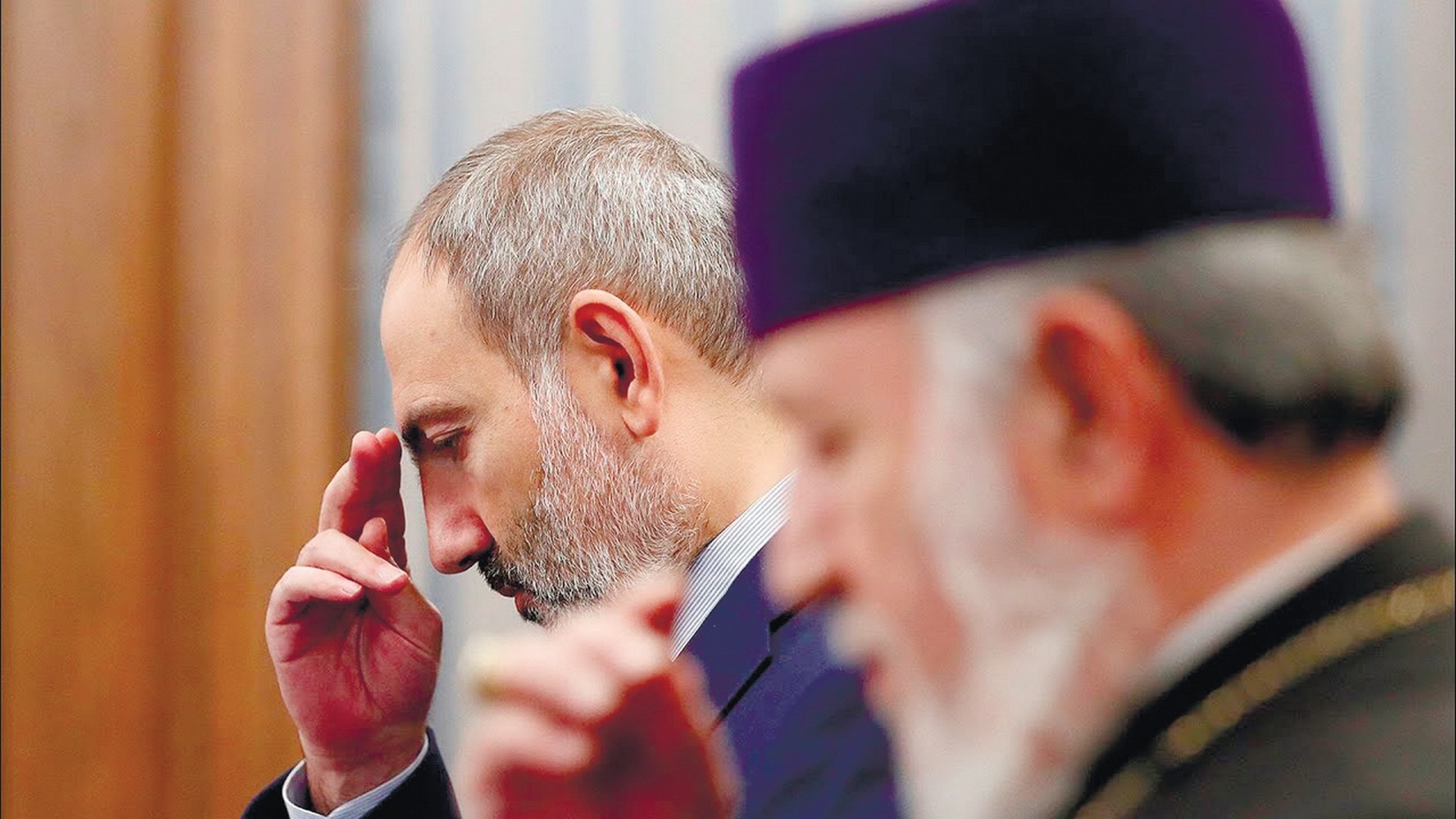
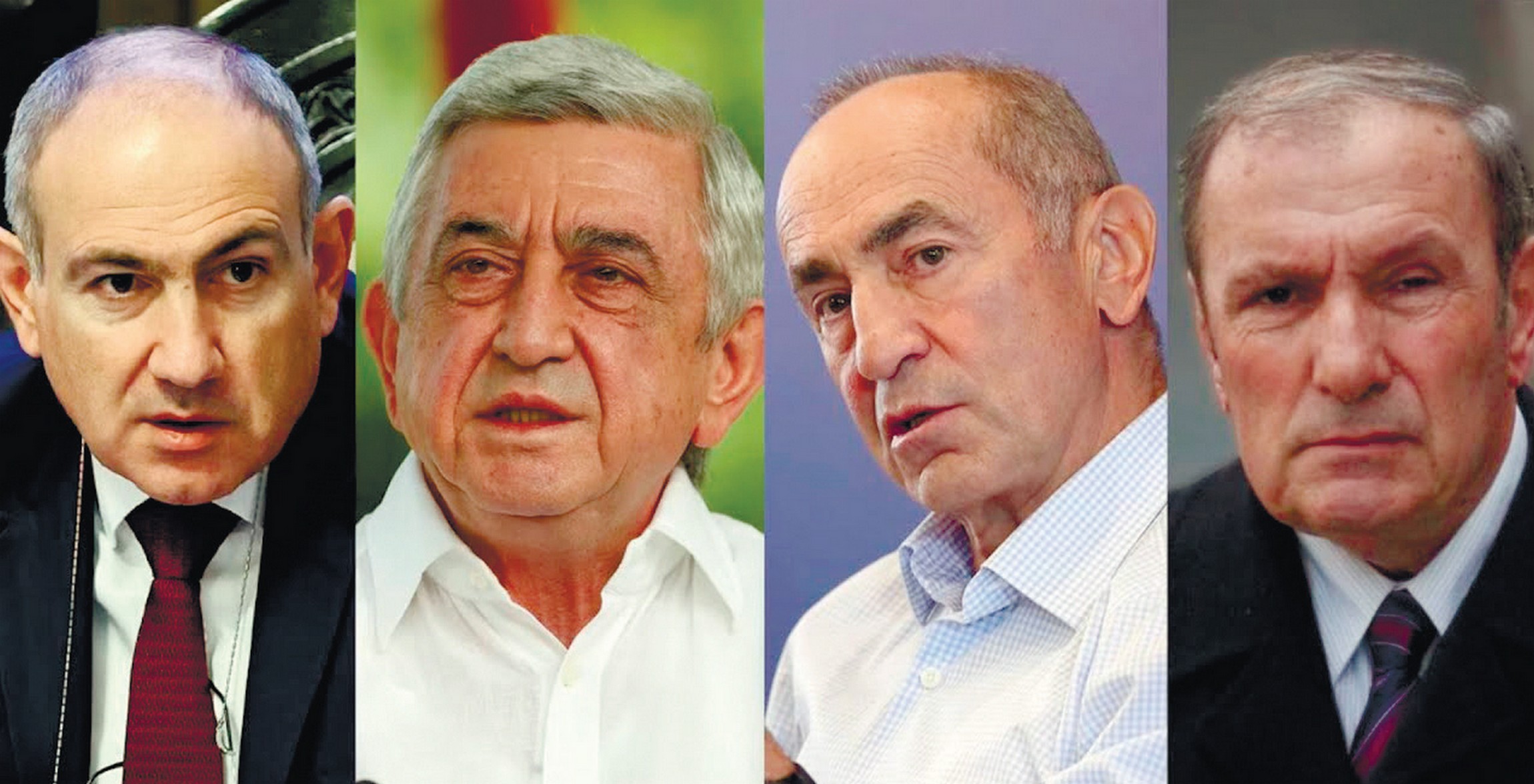
In light of these developments, Nikol Pashinyan is under pressure to "clear the ground". He is challenging revanchist forces, including the Garabagh clan, and mounting pressure on the leadership of the Armenian Apostolic Church (AAC). He is also proposing reforms and seeking to change the Catholicos and the church's governance structure through state mechanisms. Concurrently, questions have been raised concerning the alignment of church regulations with current Armenian legislation and the validity of church influence on political life. In this context, Pashinyan has reportedly announced the establishment of a Council for the Reform of the AAC, comprising a group of bishops who are in opposition to the current Catholicos.
The South Caucasus is currently experiencing a period of managed transformation rather than achieving final stability. The year 2025 saw the establishment of a new regional security framework, the promotion of interstate peace, and the fostering of transport and economic connectivity.
In this process, Azerbaijan not only benefits from the process, but also plays a key role in its initiation and design. The country has managed to preserve and enhance its foreign policy resources in the face of global disorder.
RECOMMEND:
 230
230

