
THE COLLAPSE OF "ROJAVA"
The Syrian government deals a serious blow to Kurdish separatism
Author: Natig NAZIMOGHLU
Syria continues to simmer. The current phase of tension is associated with the confrontation between government forces and Kurdish groups. However, in this conflict, the settlement of which is of extreme importance for the fate of the Syrian state, external factors play a significant role. Above all, the US.
Fighting and ceasefire
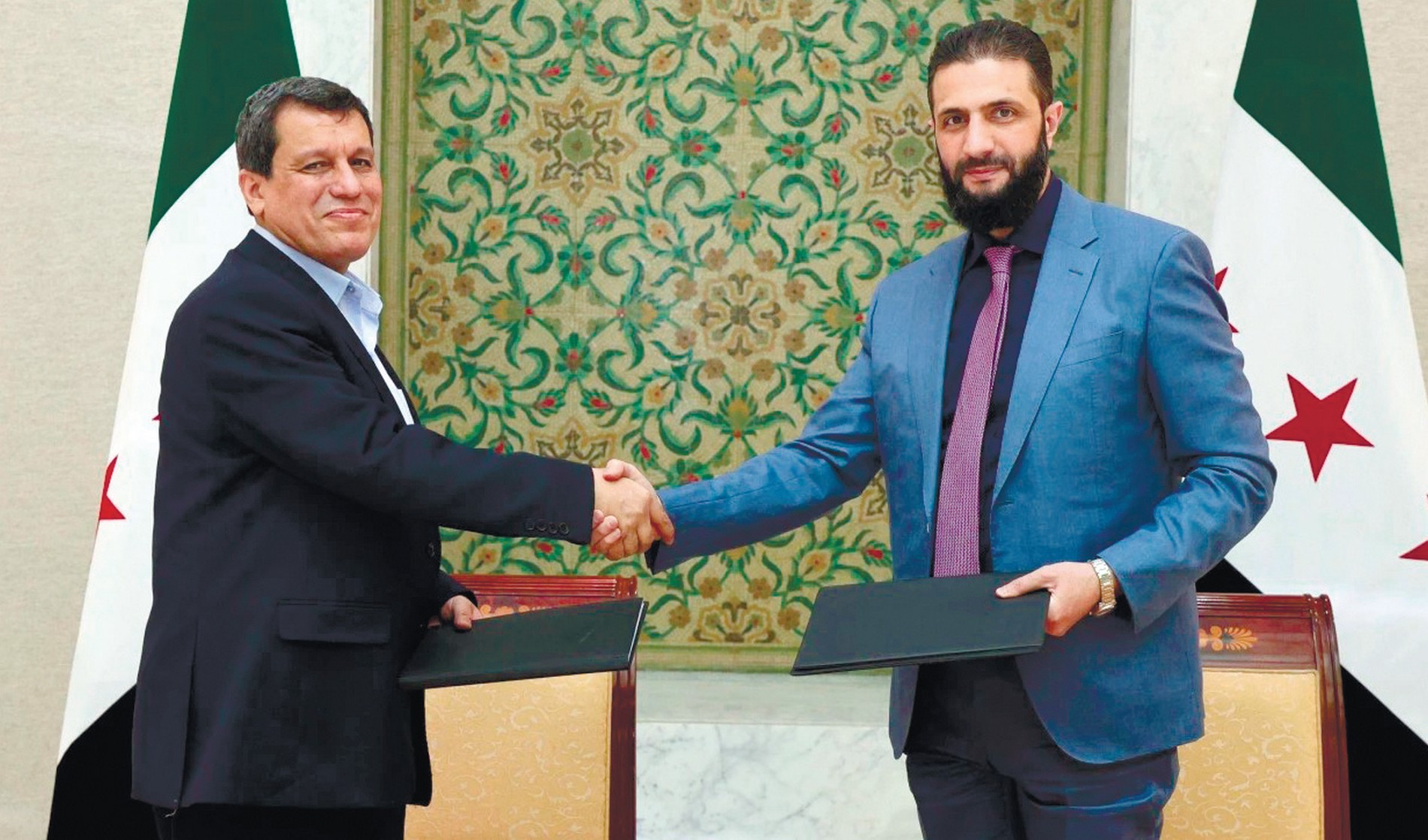
Armed clashes between the new Syrian government, headed by Transitional President Ahmed al-Sharaa, and the Kurdish Syrian Democratic Forces (SDF), erupted at the end of last year. The escalation of the conflict resulted from the failure to implement the agreement signed on March 10, 2025, on the phased integration of Kurdish formations into Syrian state organs and army structures. Damascus accused the SDF of reneging on the agreements and an unwillingness to submit to the country's authorities.
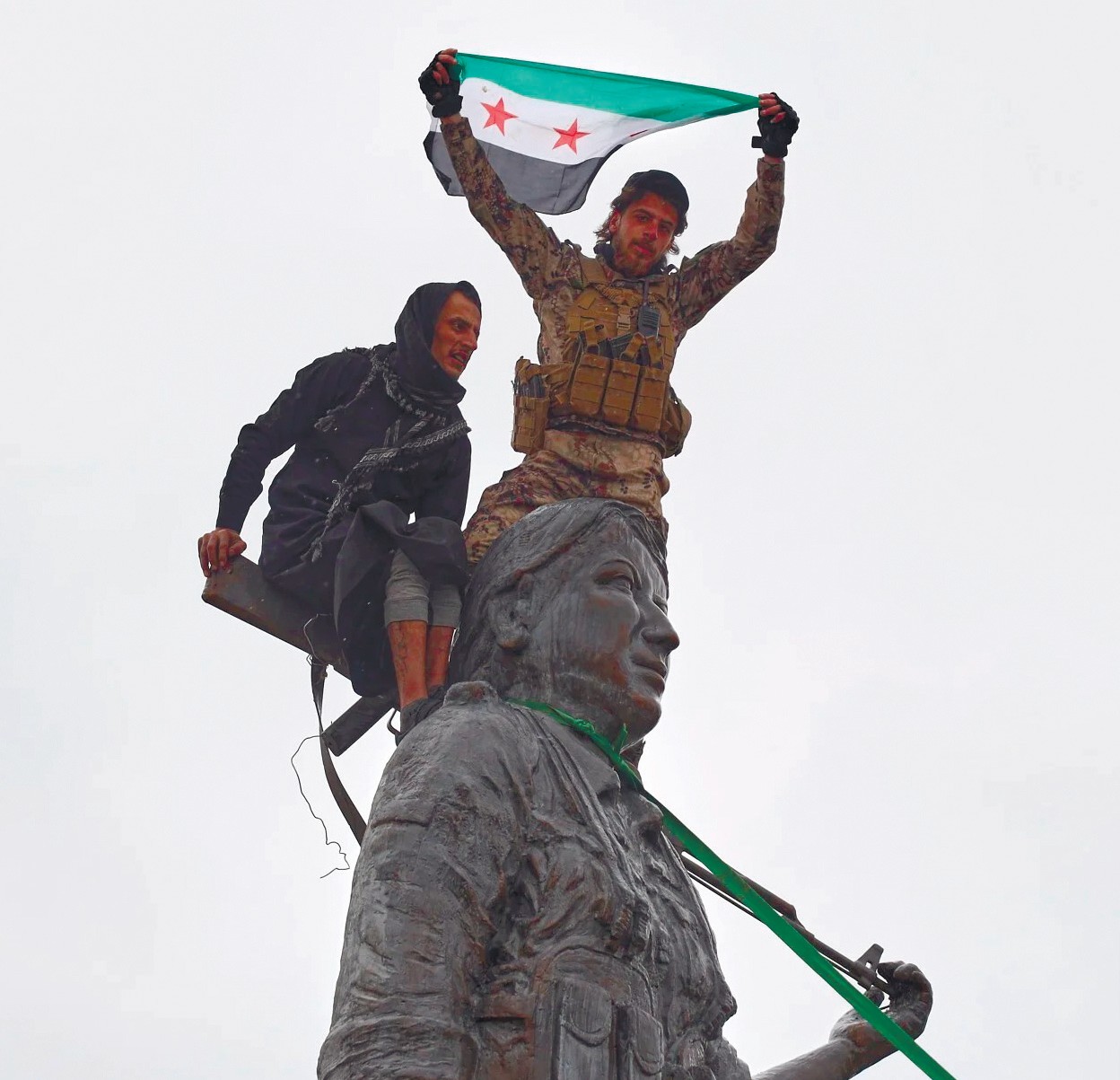
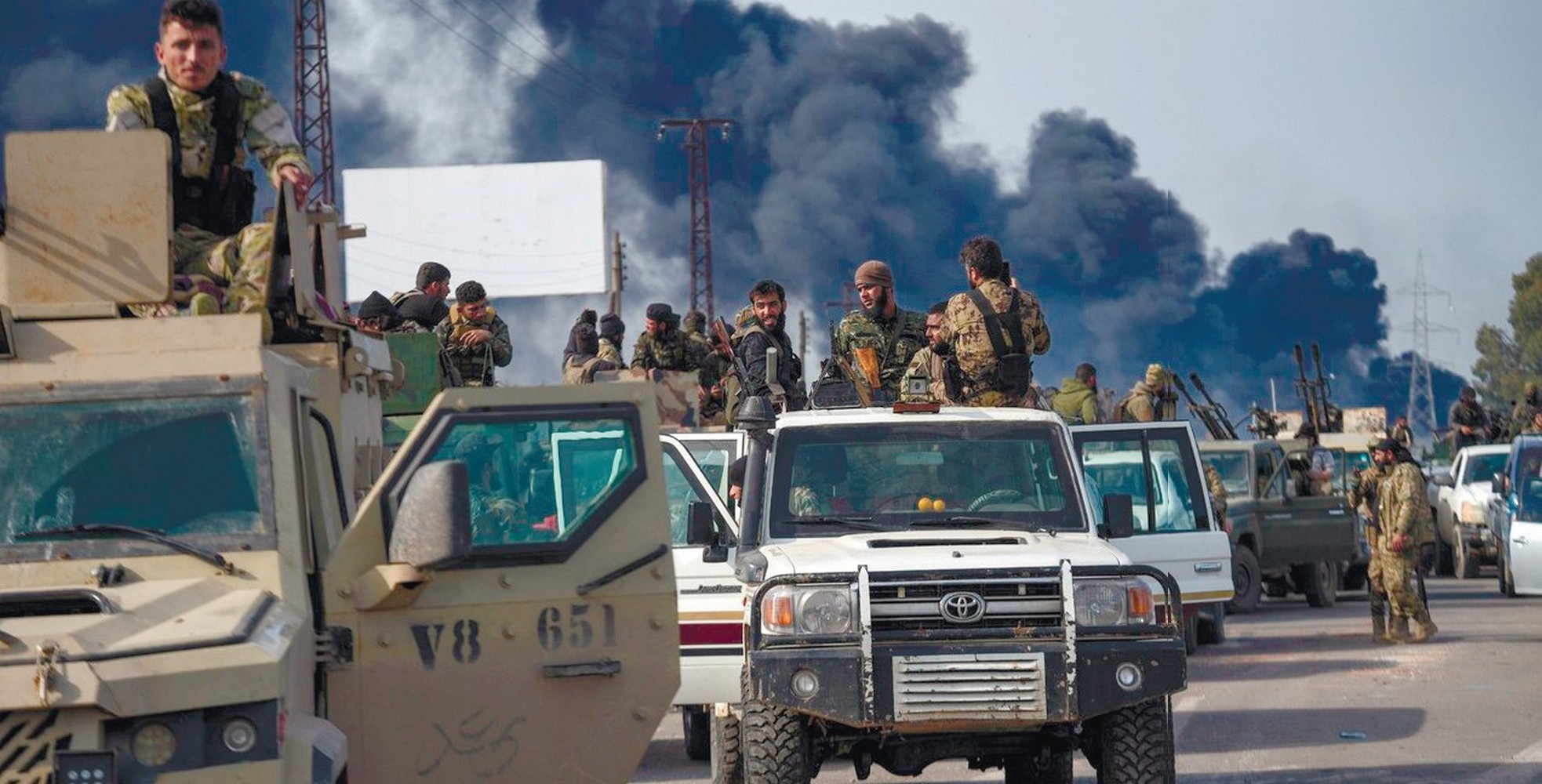
In early 2026, the fighting intensified. By January 10, government troops had taken control of Aleppo—Syria's largest city. A week later, the army occupied a significant part of the predominantly Arab provinces of Hasakah, Raqqah, and Deir ez-Zor. Kurdish formations were forced to withdraw their forces east of the Euphrates. On January 18, the Syrian authorities announced the signing of a ceasefire agreement with the SDF, which provides for the full establishment of Syrian government control over three provinces that had been under Kurdish rule for almost ten years. This includes the city of Ayn al-Arab (Kobani), considered a centre of Kurdish separatism.
On January 20, the Syrian government announced it was giving Kurdish forces a four-day deadline to develop a plan defining the mechanisms for integrating the territories they control into the country's state authority system. In essence, this means the inevitable transfer of all civilian institutions and oil and gas fields in these territories to Syrian government management. This is coupled with presenting the SDF itself with a fateful choice: either its militants voluntarily join the ranks of Syria's security structures, or combat operations against the Kurdish group will resume. That is, the four-day period meant that this was precisely how long the ceasefire would last, with its extension made contingent on the SDF leadership taking radical measures for integration into the Syrian state.
The demand for the swift implementation of such measures is justified, first and foremost, by the very fact of the Kurdish forces delaying the start of the integration process. Furthermore, there exists a serious divergence between how the Syrian government and the SDF leadership envision the proposed integration. In particular, the SDF advocate for the integration of their militants into three armed divisions of the Syrian army under Kurdish command. The government, however, intends to integrate Kurds into security and other state structures through individual recruitment, to prevent the Kurdish element from reorganising in any form. Another sticking point concerns the very structure of authority in northeastern Syria. Kurdish leaders wish to preserve it at the local level, yet the country's government advocates for the comprehensive, full-level return of provinces, managed in recent years by the SDF, to the sovereign control of the Syrian state.
The extension of the ceasefire for another 15 days is linked mainly to the American operation to evacuate several thousand imprisoned militants of the terrorist organisation "Islamic State" (IS) from prisons, previously under SDF control but transitioning to Syrian government jurisdiction under the January 18 agreement, into Iraq. The evacuation of the terrorist prisoners (who, as stated by the head of US Central Command Admiral Brad Cooper, "would pose a direct threat to the security of the United States and the region"), undertaken to prevent their escape amidst ongoing Syrian instability, would have been impossible under conditions of armed escalation. However, the threat of escalation remains even after the ceasefire agreement was reached between the Syrian government and the SDF. This is evidenced by the clashes that took place on January 26, involving the use of artillery and drones by both sides.
It is obvious that the main question—and the fate of the ceasefire depends on it—is how quickly Damascus can actually restore control over the entire territory of Syria. In this regard, the liquidation of the so-called "Rojava" (the Kurdish autonomous administration in northeastern Syria) is necessary. Damascus, for its part, demonstrates a readiness to respect Kurdish rights. President al-Sharaa signed a decree granting the Kurdish language official status, and also declared the Kurdish New Year (Nowruz) a state holiday. This confirms that the new Syrian government recognises Kurds as part of the country, not a separate element entitled to autonomy, even within the Syrian state. Therefore, the Syrian authorities demonstrate a readiness to continue suppressing any manifestations of separatist-oriented Kurdish activity.
Meanwhile, current events in Syria are significantly influenced by another factor—foreign policy. Considering, above all, that the US has for the first time abandoned the practice of full support for Kurdish forces.
On the role of the US and Türkiye
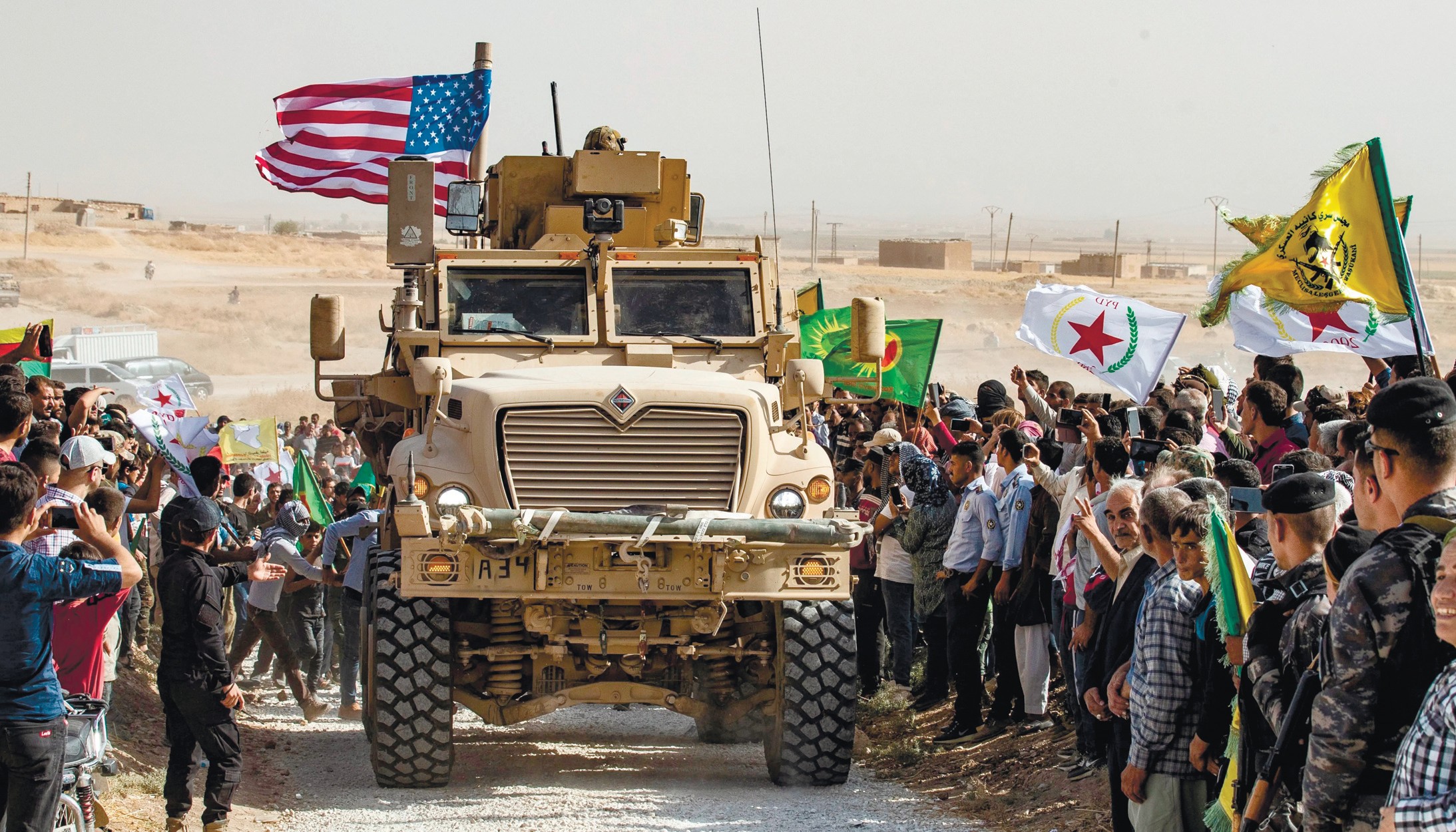
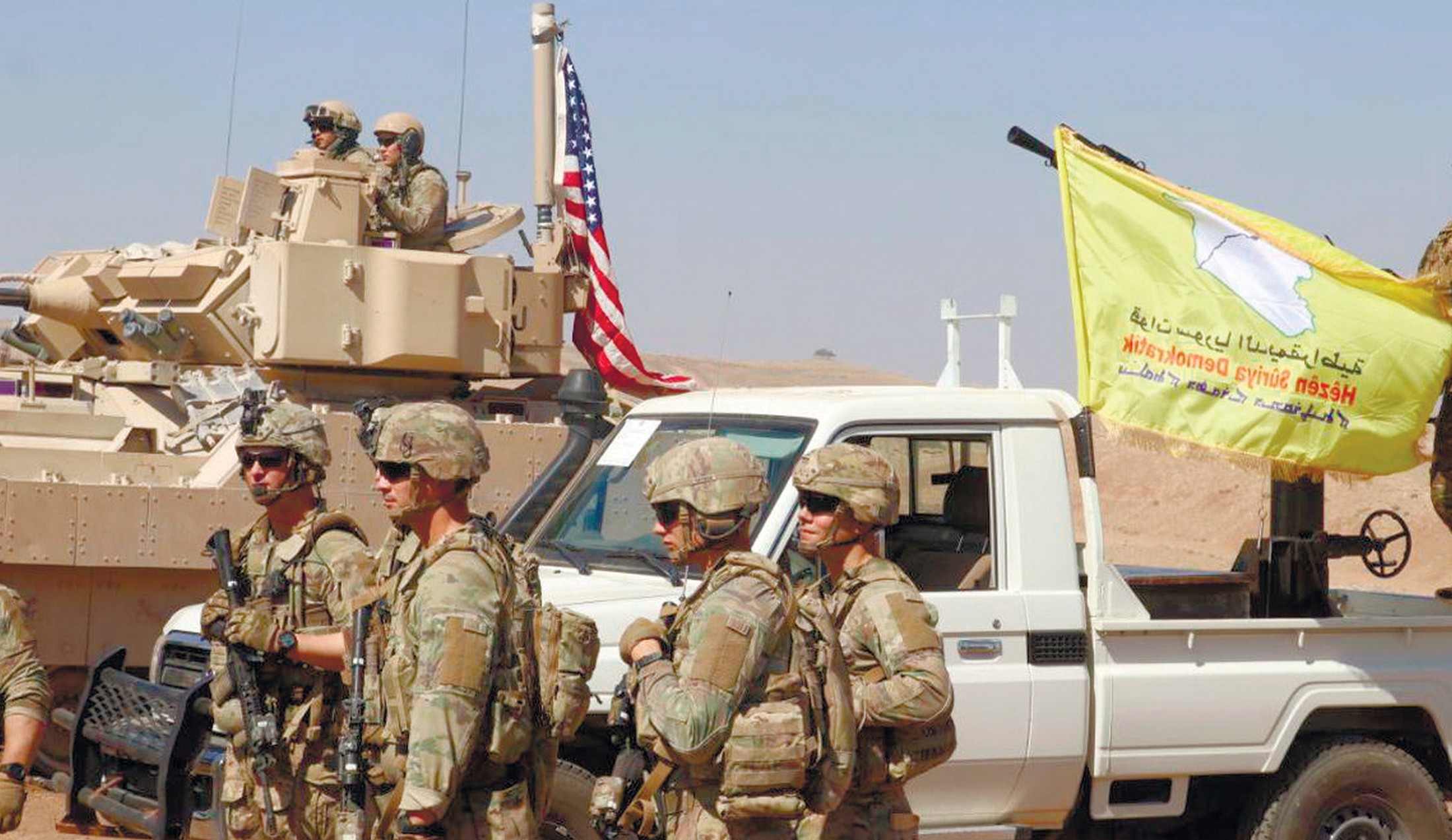
It was thanks to American military aid that the SDF was able to establish control over northeastern Syria during the civil war. However, during the current escalation related to the armed confrontation between the new Syrian government and Kurdish forces, the US chose not to extend a helping hand to the latter. On January 17, a day before the agreement was signed that recorded the victory of Syrian government troops, Brad Cooper merely called on Ahmed al-Sharaa to "cease offensive actions."
The Americans convinced the Kurds that they should not expect help from the US. It is no coincidence that SDF leader Mazlum Abdi explained his agreement to "redeploy east of the Euphrates" as due to corresponding "calls from friendly countries." Then, on January 18, the US Special Representative for Syria, Ambassador to Türkiye Tom Barrack, welcomed the agreement signed by al-Sharaa and Abdi, in the development of which the United States itself undoubtedly played a decisive role.
What is behind such a significant shift in US policy?
The scaling back of support for the Kurds is part of the policy being implemented by the administration of US President Donald Trump to reduce the American military presence in Syria. Back in June 2025, Washington decided to close seven of the eight US bases on Syrian territory. Currently, there is a plan for the complete withdrawal of the US military contingent from Syria, which, judging by analytical reports in the American media, may occur after the completion of the evacuation of imprisoned IS militants to Iraq.
The transformation of US "Syrian" policy is due primarily to a radical change in the political situation in the Arab country itself. With the fall of the Bashar al-Assad regime and the coming to power of new leadership headed by al-Sharaa, Syria has ceased to be perceived as a Middle Eastern country hostile to the United States. This is evidenced by the Trump administration's lifting of all anti-Syrian sanctions. These significant nuances explain the end of American patronage for "Rojava."
The current US policy regarding Syrian Kurds was explained in detail by Tom Barrack. He acknowledged that the main mission for which the SDF was created—namely the fight against IS—has been completed, and for this reason the necessity for a separate, autonomous Kurdish entity has lapsed. Especially since Damascus, as the US special representative emphasised, "is now ready and able to take on the responsibilities for ensuring the security" of the Kurdish population.
"The US has no interest in a long-term military presence in Syria: they prioritise destroying the remnants of the Islamic State, supporting reconciliation and strengthening national unity, not supporting separatism or federalism," stated Barrack. According to him, a "unique opportunity for the Kurds has now been created: integration into the new Syrian state offers them full civil rights, recognition as an integral part of Syria, constitutional protection for the Kurdish language and culture, and full participation in the system of state governance." Barrack added that "integration, carried out with active US diplomatic support, is the most realistic and powerful way for Kurds to ensure long-term security and guaranteed rights within an internationally recognised Syrian state."
The Turkish factor also played a key role in the new American position. Türkiye in previous years sharply criticised US support for Kurdish forces. These forces—both the SDF and the "People's Protection Units" (YPG), which are effectively part of them—were justifiably accused by Ankara of terrorist activity threatening Türkiye's security and close ties with the "Kurdistan Workers' Party" (PKK). Türkiye was and remains a principled opponent of creating a Kurdish autonomy in the Syrian regions bordering it. It views the separatist aspirations of Syrian Kurds as a serious threat not only to Syria's sovereignty and territorial unity but also to itself. This line has only strengthened after the fall of the Assad regime (Türkiye is now one of Syria's key allies), the PKK's announcement of ceasing armed struggle against Türkiye, and the self-dissolution of this terrorist organisation in May 2025. Therefore, Ankara could not accept the intentions of the SDF and YPG, affiliated with the PKK and against which the Turkish army has repeatedly conducted anti-terrorist operations, to continue their activities. Notably, the requirement from Ankara for the expulsion of PKK members from Syria was reflected in the November 18 agreement signed by al-Sharaa and Abdi.
Türkiye firmly makes it clear that it will in every way suppress the activity of Kurdish groups not only in Syria but in the region as a whole. For instance, during unrest in Iran, reports spread about Türkiye preventing an attempt by Kurdish militants to penetrate the territory of the Islamic Republic of Iran. Moreover, the attempt was clearly aimed at supporting separatist sentiments among Iranian Kurds.
As for the US, they proceed, at least at the present moment, from the inexpediency of further contradictions with Türkiye on the Kurdish issue. In the context of large-scale regional changes promoted by the United States, Türkiye is viewed as an indispensable ally for Washington. Furthermore, the US intends to prevent conflict between Türkiye and another of its most important strategic allies—Israel. Whereas the Kurdish factor, relying in part on Israeli support, contributed to deepening the crisis in relations between Ankara and Tel Aviv. In the end, this began to cause discontent among the Americans and played against the separatist-oriented Kurds in the implementation of Washington's current "Syrian" policy.
RECOMMEND:
 173
173