

TRANSIT INSTEAD OF SHELLING
Economic flows is part of the peace deal between Azerbaijan and Armenia
Author: Namig H. ALIYEV
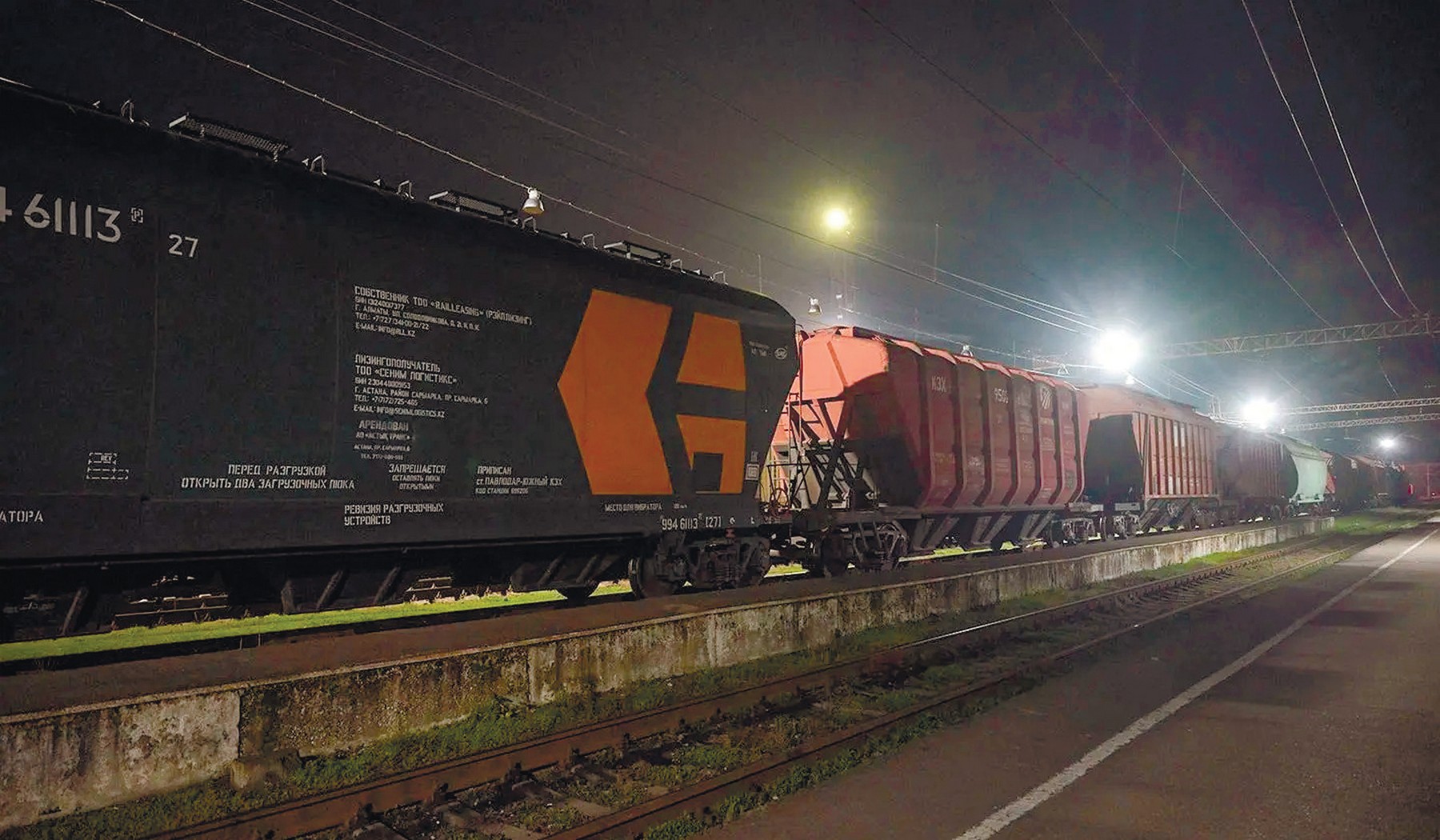
When a shipment of Kazakh grain transited through Azerbaijani territory into Armenia in October 2025—for the first time since the 1990s—it served as a preamble to something far more significant than a mere logistics update. This was a symbol: what once seemed impossible had become reality, and the grain represented much more than a simple commodity.
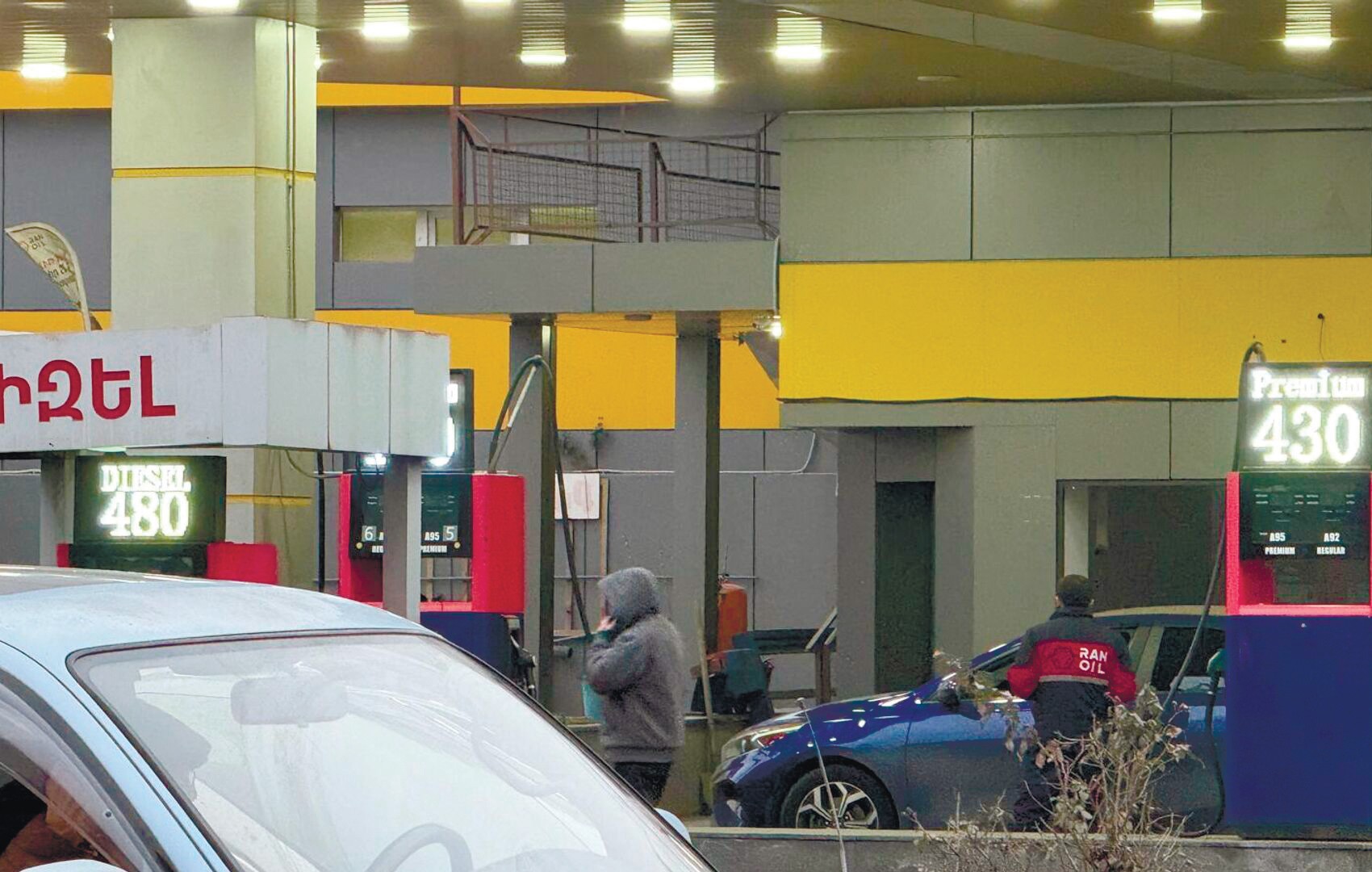
These corridors are now operating even more actively; according to Armenian authorities, over 8,400 tonnes of Russian grain and approximately 7,600 tonnes of Azerbaijani petroleum products have arrived in Armenia via Azerbaijan. New petrol deliveries have led to a tangible decrease in fuel costs in Armenia—reaching 80 drams per litre, according to the Armenian Minister of Economy.
Economy as a bridge, not a lever of pressure
At the World Economic Forum in Davos, President of Azerbaijan Ilham Aliyev clearly outlined the logic behind these developments. "We have de facto opened the corridors," he stated, emphasising that Baku has lifted restrictions on the transit of goods from Russia and Kazakhstan and is now receiving requests from the Armenian side for reverse transit—for example, to Russia.
"While transport currently passes through Georgia, one day the route will run directly through Azerbaijani territory. That day is not so far off," noted Ilham Aliyev.
In other words, transit is becoming a mechanism of interdependence rather than a coercive tool of influence. The economy is not being utilised as a lever of pressure; instead, it is becoming a shared platform for growth, representing a significant step towards stability.
Ilham Aliyev also emphasised that over the years of conflict, international organisations repeatedly attempted to resolve the contradictions between Baku and Yerevan, yet without practical results. Now, according to him, the parties are taking the initiative into their own hands and "closing the chapter of war".
Petrol, grain, and real consequences
The initial batches of Azerbaijani petrol sent to Armenia are not merely a symbolic gesture; they are already impacting consumer prices. Cheaper petrol translates to lower transport costs, cheaper goods, and reduced inflation. For the average driver in Yerevan, this is felt far more acutely than any diplomatic statement.
Grain, in turn, is a vital commodity for the Armenian economy. Its uninterrupted supply strengthens food security and provides a genuine basis for easing the tensions that have lasted for decades.
The opening of transit corridors is perhaps one of the most tangible elements of the peace process. When goods flow back and forth, professional contacts emerge between logistics companies, railway services, and state institutions. This creates a fabric of interaction that is difficult to tear, even if political will wavers.
Azerbaijan has already accomplished much in this regard. Trains are already running to the border town of Aghdam; the Horadiz–Aghbend road has been constructed to the border ; the bridge over the Araz is ready; and Iran is preparing to open the road segment of the Araz corridor. Freight transport reaches the border station of Gumlagh, and tracks have been laid to Aghali, with the project slated for completion in the coming months.
The TRIPP project—the Armenian section of the Zangezur corridor, intended to connect Azerbaijan and Nakhchivan through Armenia's southern regions—is designed to be a key element of the South Caucasus' new regional logistics. This does not diminish the significance or potential of the Baku–Tbilisi–Kars route, into which Azerbaijan has invested billions of dollars and years of effort. Diversifying routes will lead to greater interest in South Caucasian corridors and an increased flow of cargo.
But which path is Armenia following?
According to data from the State Customs Committee, Azerbaijan exported fuel worth $788,800 to Armenia in 2025. No exports from Armenia to Azerbaijan were recorded during that reporting year.
On the Armenian side, there is a readiness to participate in transit—for example, via its own territory between Azerbaijan and Türkiye. However, the proposed paths are economically unviable and unsafe. It is necessary to open routes directly between Eastern Zangezur and Nakhchivan, including TRIPP.
Nevertheless, Yerevan's responsive statements currently appear less consistent than Baku's actions. If one side actively opens corridors and adapts infrastructure while the other is still hesitating and choosing its moment, it creates a sense of progression without symmetry in the normalisation process. Thus, while the general trend is positive, it is not yet fully balanced.
All of this occurs against the backdrop of an expected change to the Armenian Constitution to facilitate the signing of the peace agreement initialled on August 8, 2025.
Geopolitical context and why it matters
Amidst the general energetic and transport restructuring of Eurasia, where countries are seeking paths to bypass traditional routes through Russia or Iran, the South Caucasus could become a powerful logistics hub. Economic transit, especially when mutually beneficial, transforms into a strategic investment in peace.
The interests of major players are a vital factor in the development of communications. The European Union has openly stated its commitment to the Middle Corridor. Clear evidence of this is the funding allocated for road and port modernisation, as well as feasibility studies for new sections. It is essential for the European economy to have a route independent of sanctions and conflicts.
Recognising the risks of excessive dependence on the northern direction, China is also diversifying its routes, and the Middle Corridor provides such an opportunity. Beijing currently cannot utilise the alternative Iranian transit on a large scale, as this would create additional political complications with the West. However, the Southern Corridor also remains of interest to China.
Understanding that the Middle Corridor is a long-term project that has become part of their strategic identity, Türkiye, Azerbaijan, and Kazakhstan are investing billions in infrastructure modernisation. A key element of Armenian and Azerbaijani interests here is that these projects are not currently imposed from the outside; instead, they operate on economic benefit and mutual interest. This makes them sustainable: if people begin to gain more from trade than they suffer from conflicts, it is no longer just diplomacy, but an integrated peacebuilding mechanism.
Prospects: from corridors to full integration
If borders truly open for bilateral transit and cargo flows become regular and predictable, it will signal more than just the end of the war on paper; it will mark a practical transition to peaceful cooperation. As Ilham Aliyev stated in Davos, "We are closing the chapter of war and opening opportunities for peace". These are not merely words, but concrete grain trains and fuel tankers moving along long-closed routes.
RECOMMEND:
 237
237

