

A HISTORIC VISIT
J. D. Vance’s tour demonstrates the strengthening of US influence in the South Caucasus, primarily in Azerbaijan
Author: NURANI
The extent to which visits by high-ranking officials reflect the level of relations between two countries is a complex and delicate matter. In 1992, then-US Secretary of State James Baker visited Azerbaijan to establish diplomatic ties. This was the heyday of "romantic Americanism". In Baku, there were bright hopes for the US, yet things progressed no further than formal procedures. Moreover, Section 907 of the Freedom Support Act was adopted that same year—the US essentially imposed sanctions on a country that had been subjected to aggression.
The next high-ranking American guest was Secretary of Defence Donald Rumsfeld in 2001. Washington needed to reach an agreement with Baku on using Azerbaijani airspace for transit to Afghanistan, where a NATO operation was unfolding. The negotiations were successful. At that time, Washington suspended Section 907. In 2008, US Vice President Dick Cheney visited the region. However, this was purely a mission of "moral support," with no attempts to advance relations in sensitive areas. US Secretary of State Hillary Clinton arrived in Baku in 2010.
Vance’s visit reshapes US policy in Azerbaijan
For 30 years, a rather paradoxical situation persisted. On one hand, Azerbaijan and the US actively cooperated in energy—it is enough to recall the Contract of the Century—as well as in the fight against terrorism and adherence to the non-proliferation of missile and nuclear technologies. On the other hand, Azerbaijan did not receive the expected support from the US on crucial issues, most notably regarding Garabagh.
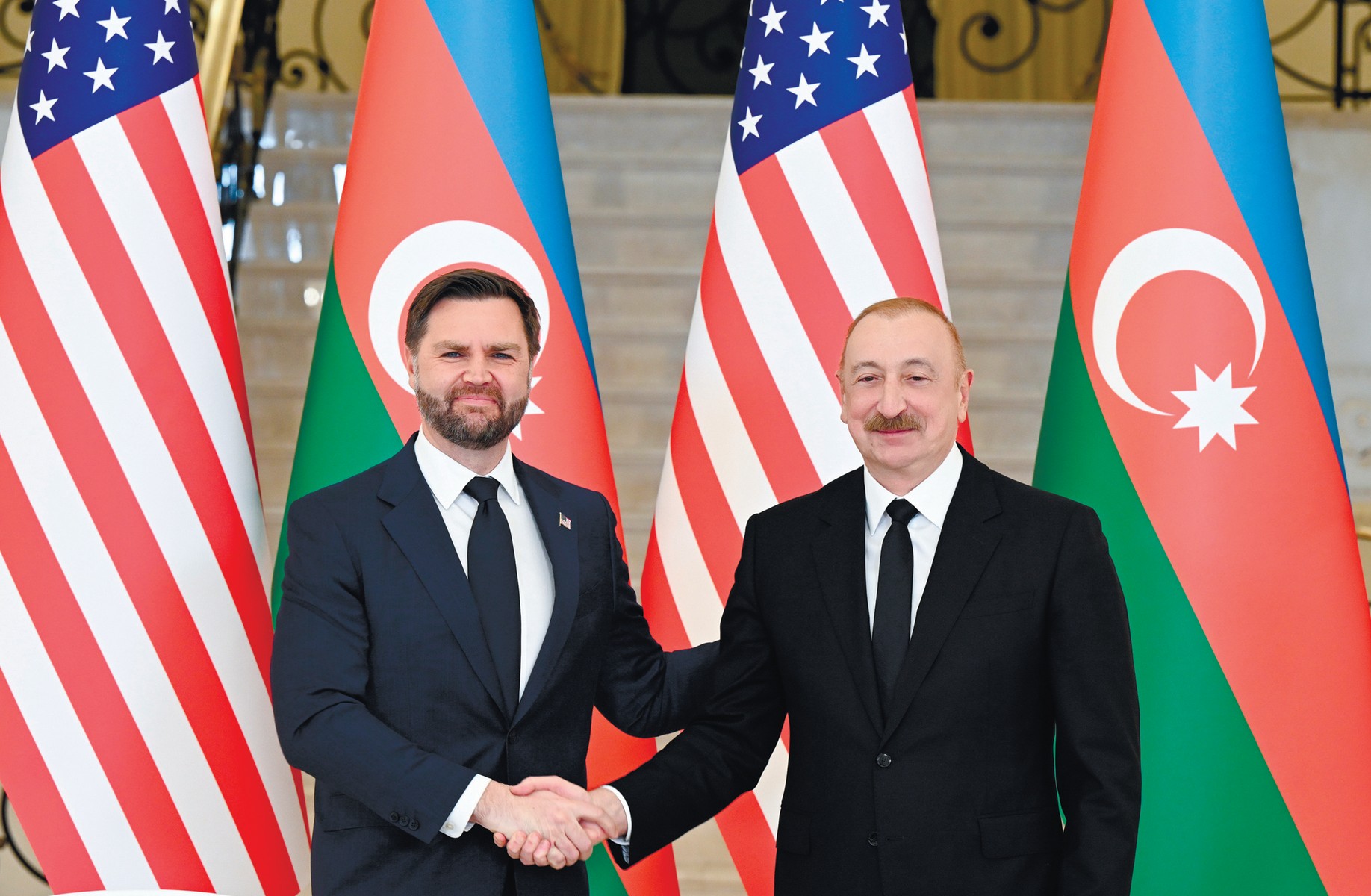
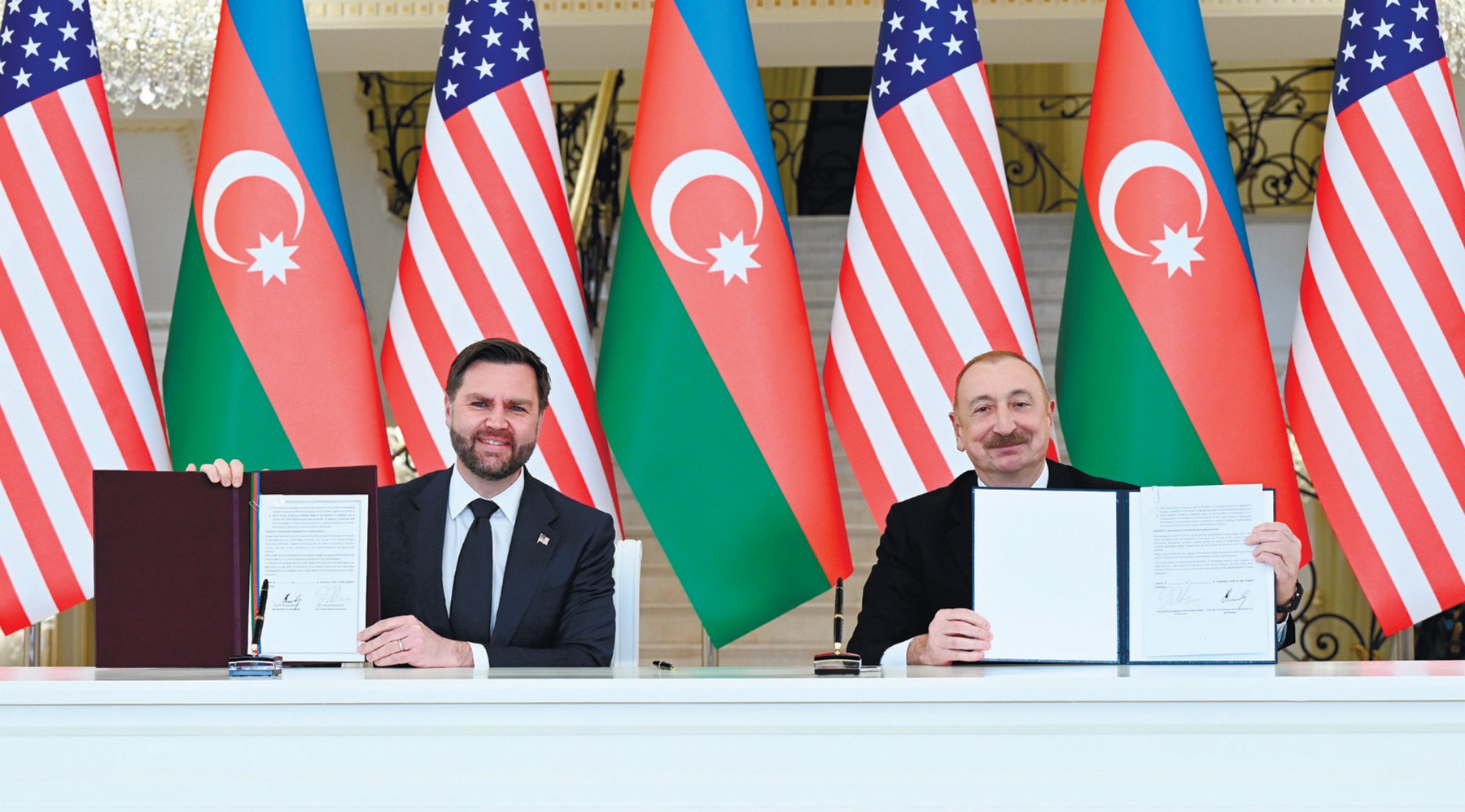
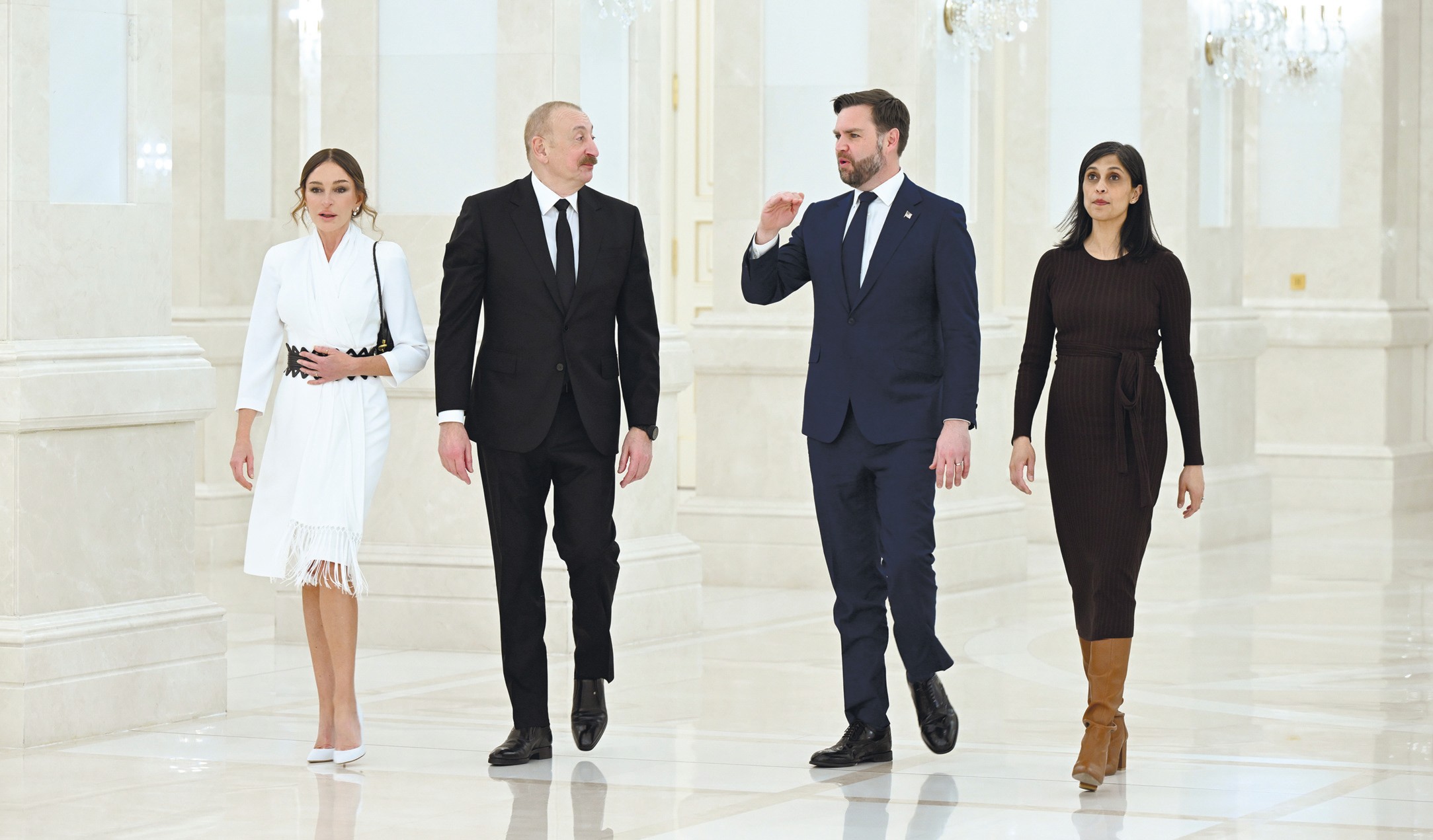
Vance’s visit is fundamentally different. This is not only because the US Vice President acknowledged the previous administration’s mistakes regarding Azerbaijan, which must now be rectified. Vance brought with him the Charter on Strategic Partnership between Azerbaijan and the US. President Ilham Aliyev rightly described it as a historic document. It is neither a declaration of intent nor a mere friendly pat on the back.
This document does more than just outline cooperation in various fields—ranging from energy and digital technologies to cybersecurity. It specifies the creation of concrete working groups with roadmaps. This alone indicates a total overhaul of US policy concerning Azerbaijan.
"We are immensely grateful to the Trump-Vance administration for their highly positive stance towards Azerbaijan. Today’s formal signing of the Strategic Partnership Charter is the culmination of the very strenuous work our teams have undertaken over the last six months. The historic meeting in Washington with President Trump half a year ago, along with the signing of the document to form a working group for the Charter's development, has unlocked new avenues for bilateral cooperation. It is a profound honour for us to serve as a strategic partner to the most powerful country on earth—the United States of America," declared Ilham Aliyev.
The agreement in the military sphere deserves attention, specifically the supply of boats for the Coast Guard. In his press statement, Vance particularly emphasised the cooperation between Azerbaijan and the US in maritime security. In recent years, the militarisation of the Caspian Sea has been growing at an alarming rate. It has reached a point where it threatens the security of oil infrastructure and trans-Caspian trade routes, which are vital for both Azerbaijan and Central Asian countries.
While this was not officially a subject of open discussion, there is no doubt that the US is monitoring the situation in the Caspian. The delivery of the boats is a sure sign that Washington is not merely monitoring the situation but is ready to bolster the security of its strategic partners amidst rising threats. Most importantly, the US is moving from words to action—from declarations and appeals to concrete programmes and "roadmaps".
A fundamental reshaping of US policy towards Azerbaijan is essentially taking place. Undoubtedly, the departure of the "most pro-Armenian administration"—that of Biden and Blinken—was significant. But there is more to it. The role of Azerbaijan itself has also changed. The victory in Garabagh, a truly independent foreign policy course, multilateral diplomacy, and finally—as JD Vance noted—the fact that the US and Azerbaijan are the only countries maintaining good relations with both Türkiye and Israel.
Moreover, this statement followed Azerbaijan’s entry into the Peace Council and Baku’s emergence as a prominent player in the Middle Eastern arena. Such statements are not made by chance. One could list Azerbaijan’s foreign policy successes at length. Today, they are being converted into concrete results on the American front.
And this is likely only the beginning. This is especially true considering that a high-level delegation of major American businesses arrived in Baku on the eve of Vance’s visit. US officials state that such visits will become annual. Since the signing of the Contract of the Century, American business has developed a clear understanding of Azerbaijan's investment environment and is ready to seize these opportunities.
Armenia: bitter pills in a sugar coating
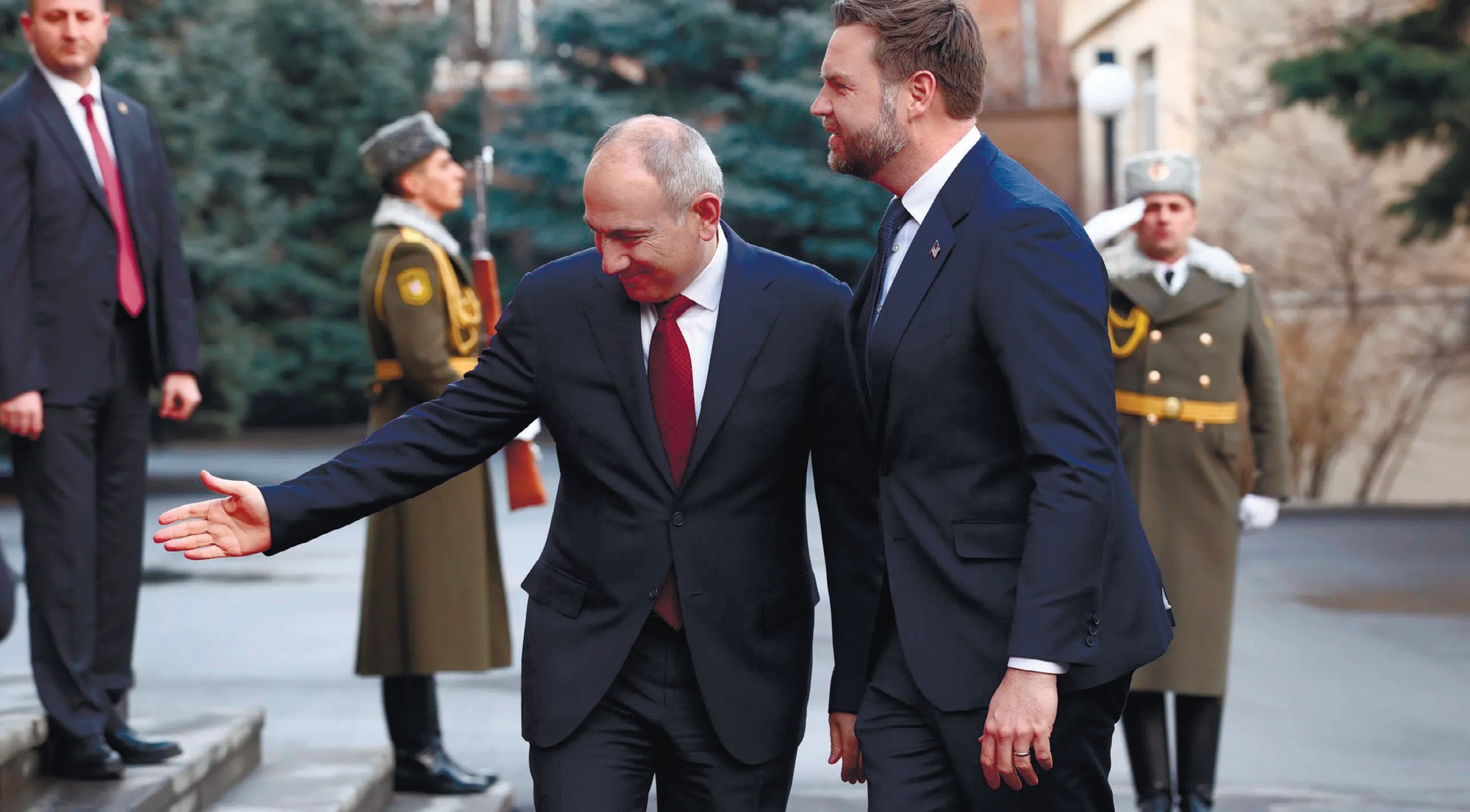
Perhaps it could be said that one of the primary goals of Vance’s visit was to promote the TRIPP project and the peace process in general, within which Azerbaijan has already opened transit for Armenian cargo through its territory. The Vice President’s regional tour began in Armenia. There, Yerevan was offered numerous preferences—from an export licence for NVIDIA chips to the purchase of drones for the Armenian army.
Experts argued that the US intends to "buy out" Armenia from Russia, allocating $9 billion for investment in nuclear energy and the supply of modular reactors to make the country independent of Russian nuclear technology. Indeed, $9 billion sounds impressive, but these are potential investments rather than actual investment agreements. Observers recall how the US previously promised Armenia $8 billion in investment for alternative energy but did not invest a single cent.
Armenia itself was supposed to attract the investment at a time when electricity bills were being paid with chicken eggs and other "in-kind" payments. It is hardly surprising that no investors were found. Vance’s visit prompted a very stern rebuke from Moscow. Yerevan was reminded of its obligations within the EAEU.
This is a serious matter. Lest we forget, Armenia receives oil and gas from Russia at domestic prices due to its EAEU membership. Without such financial "crutches," its economy would simply collapse. Furthermore, loss-making railways, which Moscow maintains at its own expense, as well as gas networks and mobile communications, remain under Russian concession management.
In recent months, Nikol Pashinyan has been attempting to regain control over Armenia’s power grids, but no results have been seen so far. On the contrary, amid talk of freezing Armenia’s CSTO membership, joint ground forces and air defence units with Russia continue to operate. Before the Vice President's plane had even left the Armenian airspace, Nikol Pashinyan began assuring everyone that his country’s policy would by no means be directed against Russia.
This indicates a lack of political will in Yerevan to truly distance itself from the Kremlin. Thus, prising Armenia away from Russia will, in reality, be very difficult indeed. However, the bitterest pill awaited Armenia after the visit concluded. Protocol dictates that foreign delegations visiting Yerevan lay wreaths at the monument to the victims of the 1915 events.
This applies even to representatives of countries that do not consider the events of the early last century a genocide. Vance also visited the memorial and made a post about it on X, using the term "Armenian genocide". Yet, only a few hours later, he removed his posts. An explanation later appeared stating they had been posted "by mistake".
To say this was a serious "punch in the stomach" for Armenia would be an understatement. According to specialists, the signing of the Strategic Partnership Charter between Azerbaijan and the US puts an end to the Armenian lobby’s long-standing efforts to prevent Baku-Washington cooperation from reaching a level that serves both bilateral relations and the interests of both countries. Every tactic was employed: paid lobbying, speculation regarding "human rights," and overt support for separatism in Garabagh.
Now, the rules of the game are changing fundamentally. The era of the Biden administration and its "Armenia-centric" policy has ended. One of the leading Armenian lobbyists, Bob Menendez, along with his wife, Madame Arslanian, is in prison on corruption charges. Another major lobbyist, Adam Schiff, is also in the risk zone. These are not merely isolated court decisions.
It represents a shift in attitude towards the entire system of Armenian political lobbying and its subsequent consequences, which are already affecting policy. By all appearances, the geopolitical reshaping of the region is only just beginning.
RECOMMEND:
 224
224

