

MULTIPOLARITY, ARABIAN STYLE
National ambitions, economic diversification and the risks of strategic reassessment in the Middle East
Author: Irina KHALTURINA
The Greater Middle East region is currently experiencing a period of significant geopolitical transformation. Alliances are being restructured, primarily driven by the diversification of economies and a shift away from dependence on external security guarantors, notably the US, towards an independent, multipolar model of coordinated effort. This has recently become the dominant trend, set against a backdrop of ongoing local conflicts in Syria, Yemen and Gaza, the situation surrounding Iran, periodic tensions between India and Pakistan, and the complex internal conflicts within the countries of the Horn of Africa. The risks of escalation remain high due to internal contradictions and the extremely uncertain global situation. It is evident that this accelerating process cannot be halted at this point.
Saudi Arabia vs UAE
One of the most notable changes pertains to the increasingly competitive relationship between Saudi Arabia (SA) and the United Arab Emirates (UAE). The influential American analytical publication The National Interest recently drew attention to the contradictions between Washington's two key allies. According to Mohammed Ayoub, a senior fellow at the Centre for Global Policy and the article's author, the potential consequences of this competition could, in the long term, be felt far beyond regional politics, directly affecting both US strategic interests and the overall security architecture in this energy-rich zone. This subject has been covered on multiple occasions by other distinguished Western publications.
At present, relations between Riyadh and Abu Dhabi are increasingly defined in expert circles as a mixture of historical partnership and growing competition in economics, for leadership in the Gulf, and so on. It is noteworthy that just ten years ago, the SA-UAE axis, in tandem with Washington, was considered unshakeable, founded on common interests: countering the influence of Iran and its proxies, maintaining stable oil production levels and prices, cooperation in Yemen, and joint resistance to the Muslim Brotherhood. Concurrently, both SA and the UAE initiated ambitious programmes to diversify their economies and pursued expansive foreign policies. Saudi Arabia, with its 'Vision 2030' programme, has focused on reorienting its economy away from oil towards attracting foreign investment and transforming Riyadh into a global business centre. The UAE, for its part, has strengthened and expanded its successful model of a globally open trading hub centred on Dubai and Abu Dhabi.
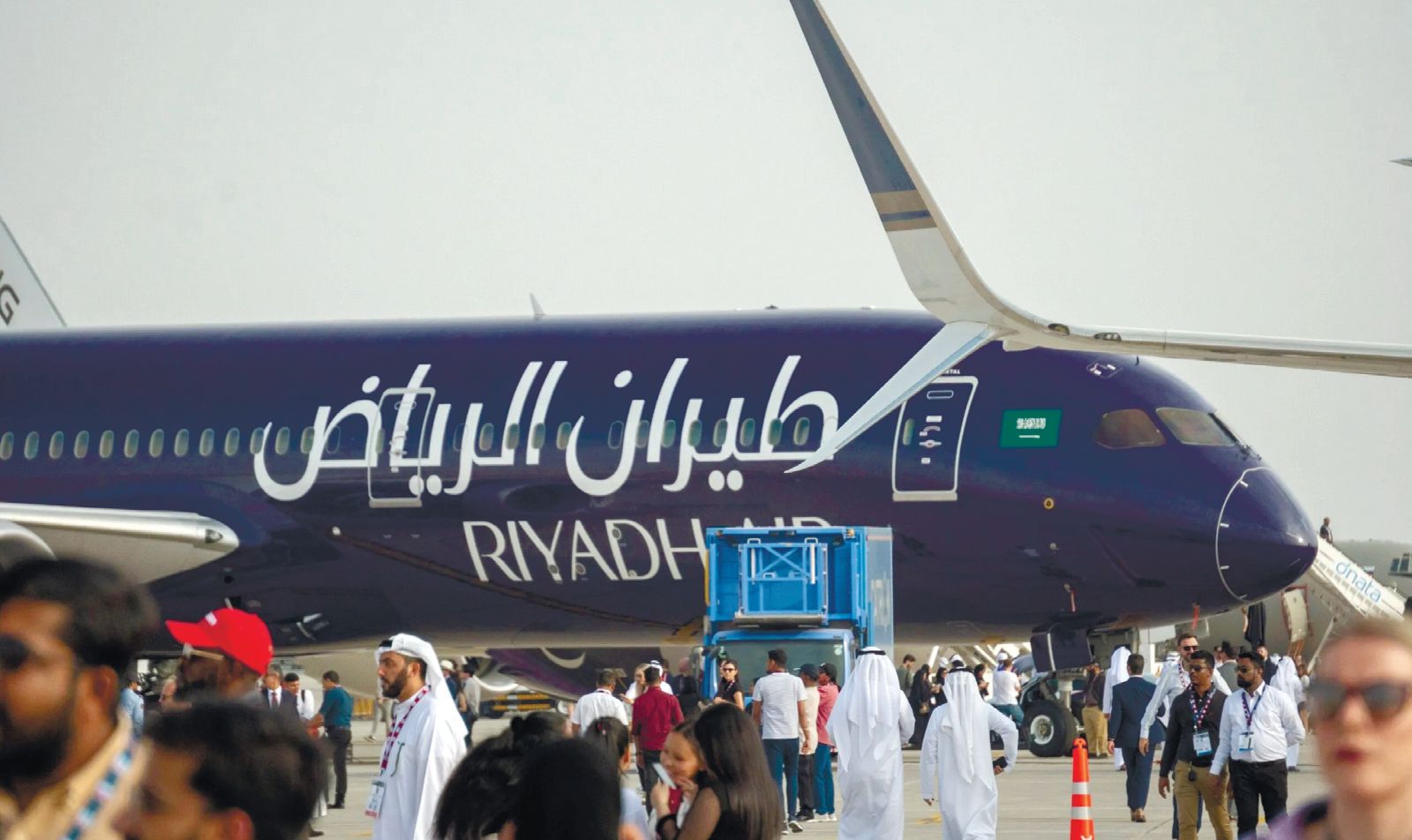
Riyadh has recently been working to position itself as the region's primary gateway for global business, leveraging its strategic role as a major logistical hub and a crucial aviation crossroads. SA's establishment of the airline Riyadh Air and the multi-billion dollar airport expansion project are evidently intended to compete with Emirates, Etihad, and FlyDubai. Saudi Arabia's strategic objective is to position Riyadh and Jeddah as premier aviation hubs, strategically connecting Asia, Europe, and Africa. Similarly, new mega-projects in the tourism sector aim to transform SA into a global tourist destination, again directly challenging the UAE's dominance in this field, particularly concerning elite tourism. Consequently, a structural rivalry has emerged in the fields of finance, logistics and business services.
Geopolitical differences between Riyadh and Abu Dhabi have been particularly evident in Yemen, where the two monarchies initially pursued a strictly coordinated policy and even launched the joint Operation Decisive Storm in 2015. However, it should be noted that their objectives subsequently began to diverge. There are also noticeable differences in relations with Israel: while the UAE has openly strengthened ties with the Jewish state, as evidenced by its involvement in the Abraham Accords, the Saudis have adopted a more cautious approach in this regard.
Sudan, a key strategic hub on the Red Sea, is another significant point of contention, as is the situation surrounding Somalia (and Somaliland).
With regard to Iran, while both countries hold a negative view of Tehran, their approaches to the Islamic Republic are quite distinct. South Africa is of greater importance in this regard, while the United Arab Emirates (UAE), which has a significant Iranian population, especially in Dubai, maintains diplomatic and trade relations with Tehran. The rapprochement between Saudi Arabia and Iran, brokered by China in 2023, was a strategic shift after years of confrontation. However, there are still concerns on both sides. The UAE views the normalisation of relations between Saudi Arabia and Iran with cautious optimism, but also with apprehension that it might diminish their own influence.
It is clear that Riyadh and Abu Dhabi have no interest whatsoever in a serious deterioration of relations, which is smoothed over by mutual dependence, institutional constraints, and the desire to maintain stability within the Gulf Cooperation Council. However, it is also obvious that the very factor of numerous disagreements and rivalry between the two monarchies will increasingly shape regional politics.
Türkiye—Pakistan—Saudi Arabia
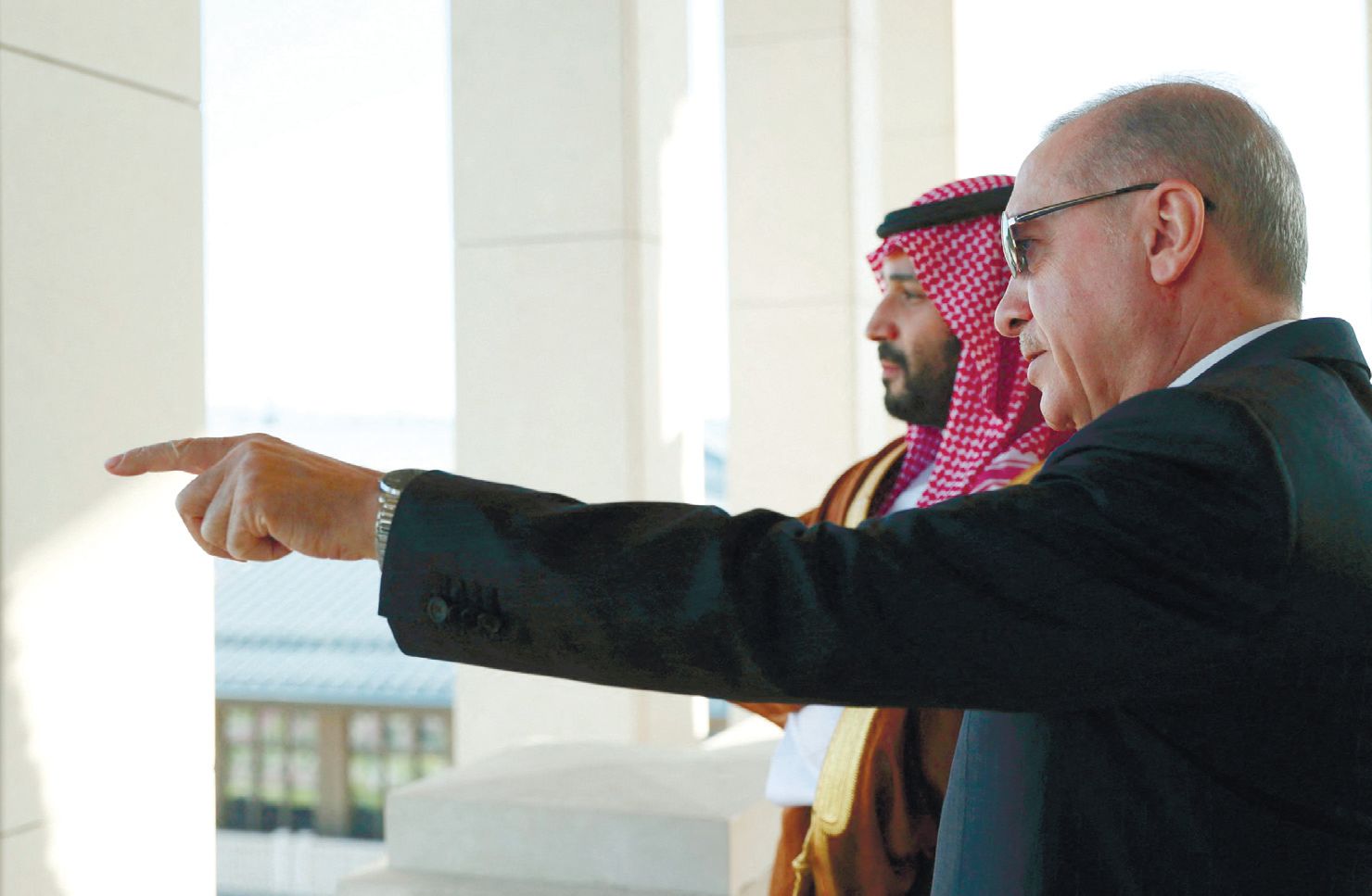
Against this backdrop, the willingness of Türkiye, Pakistan, and Saudi Arabia to unite within a defensive alliance appears noteworthy. Last September, a Saudi-Pakistani defence agreement was concluded, building upon the longstanding, close military-technical cooperation between Islamabad and Riyadh. Over the past five years, Türkiye has almost fully restored ties with Riyadh after a period of sharp cooling. Simultaneously, Islamabad actively cooperates with Ankara in the defence sphere. All that remained was to translate these connections onto a more explicit platform, where each of the three parties can strengthen both their own and collective positions. Türkiye, which possesses the second-largest army in NATO and a developed defence industry, can expand its regional presence and influence in South Asia and Africa. Pakistan—a nuclear power with developed armed forces and a growing defence export sector—will gain additional military-technical advantages, as well as investment and diplomatic benefits. Saudi Arabia derives a powerful impetus for strengthening its regional leadership and reducing dependence on the US. Meanwhile, the countries themselves emphasise that the trilateral defence pact between Türkiye, Saudi Arabia, and Pakistan should not be misinterpreted as the creation of an aggressive bloc or a 'mini-NATO'. Participation in the alliance implies coordinating security interests without abandoning autonomy on a range of issues. The pact treats aggression against one party as a common threat but avoids formulations about the automatic use of military force or the need for integrated command structures. Nevertheless, some observers still believe that the SA–Pakistan–Türkiye axis is specifically directed against the UAE, India, and Israel.
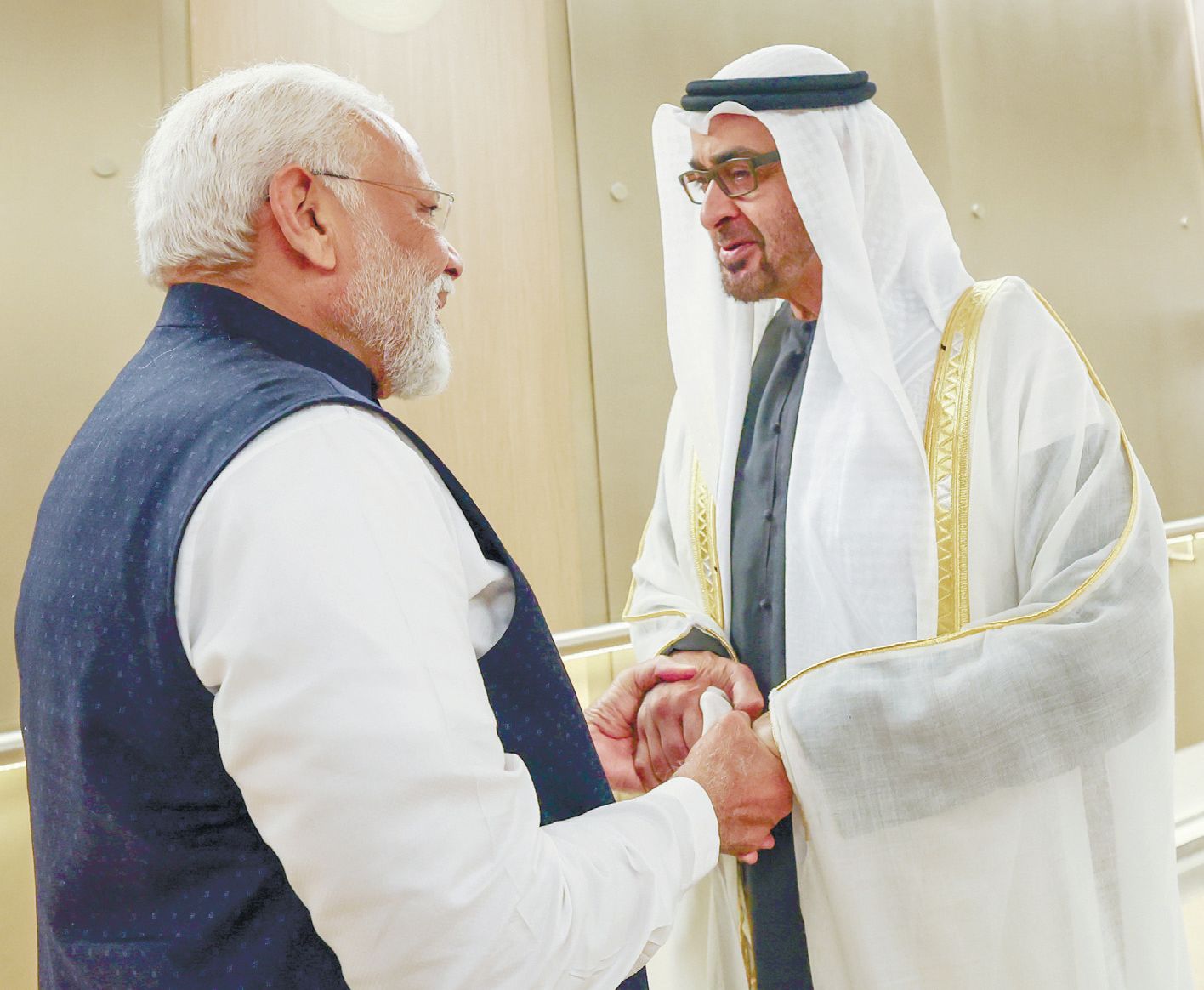
For instance, this January, India and the UAE signed a memorandum of understanding to deepen their partnership in defence and security, including industrial cooperation and maritime security. Another area where clear competition between the two blocs can be traced concerns the 'Road to Development' project—a land transport corridor between Türkiye and Iraq, aiming to connect the ports of Southern Iraq with Turkish infrastructure and onwards to European markets. This initiative is an explicit rival to the IMEC project (India—Middle East—Europe Economic Corridor), designed to link Asia, the Gulf, and Europe through a network of sea and rail routes, involving India, the UAE, Saudi Arabia, Jordan, Israel, and Greece. The initiative is actively supported by the US and EU to bolster their influence in the region and reduce dependence on China. And it, understandably, is directly contingent on stability in Gaza. Incidentally, Saudi Arabia effectively suspended its participation in IMEC after the war began there.
The US factor
It is evident that the US, pursuing its own economic and strategic objectives, has historically influenced, continues to influence, and will continue to influence the geopolitical configurations in the region. There is ample evidence to support this. For instance, at the World Defense Show 2026 in Saudi Arabia, Turkey announced plans to produce the fifth-generation fighter jet TF-X KAAN in collaboration with SA. However, the Americans have expressed their displeasure with this cooperation, as it represents a direct challenge to their long-standing dominance of the Saudi arms market. In November 2025, President Trump announced that Saudi Arabia would receive F-35s under a comprehensive strategic defence agreement. As highlighted by the Middle East Eye news agency, the US adopted a similar approach when SA expressed interest in purchasing Pakistani-Chinese JF-17 multi-role fighters. Riyadh initially appeared reluctant, but it now appears to be taking a more positive stance on the Turkish programme, which involves joint production and technology transfer.
This is occurring against a backdrop where Israel has effectively long possessed a veto right over the sale of advanced American weapons to Middle Eastern states, in order to preserve its 'qualitative military edge' over its neighbours. This is certainly the case for any F-35s supplied to SA. Concurrently, the US expressed its displeasure and simultaneously declared its readiness to conclude a multi-billion dollar civilian nuclear deal with Saudi Arabia, without the stringent restrictions on its nuclear programme that Washington itself had previously insisted upon. Experts have expressed concerns regarding this development, as there is a perception that Riyadh aspires to develop its own nuclear armaments. The United States is pursuing this course of action to prevent a similar agreement between Saudi Arabia and its 'strategic competitors' – Russia and China – which would be a far more serious miscalculation and risk for Washington.
Another significant illustration of US influence pertains to Pakistan. As part of its policy in the fields of extraction, processing, and transport of critical minerals and rare earth elements, Washington approved financing for the Pakistani Reko Diq copper and gold mining project to the value of $1.3 billion. This underscores both the scale of the deposit and Pakistan's growing significance in global supply chains.
However, there are potential drawbacks to consider. Firstly, the deposit is located in the mineral-rich but politically unstable region of Balochistan. Secondly, Pakistan serves as the location for the China-Pakistan Economic Corridor, one of the flagship projects of Beijing's Belt and Road Initiative. As is known, Beijing has already invested significantly in this country and is unlikely to refrain from protecting its investments. This is particularly relevant given that the People's Republic of China (PRC) currently holds a monopoly on the extraction of rare earth metals, a position that gives it a significant advantage over Washington.
The examples cited demonstrate that the current US administration will act in accordance with its interests, even in the context of a multipolar Greater Middle East. At the same time, the intensifying competition between countries in the region leads not only to growing opportunities and manoeuvrability, but also to risks and uncertainty. In the current business environment, there is an increasing trend of interconnected systems, such as logistics, trade and security, which are becoming more complex and interdependent. These systems are influenced by a combination of logistical, trade and security considerations, as well as national interests, rather than being driven solely by ideological principles. The key challenge for the major countries of the Greater Middle East is to transform hopes for long-term regional stability and the diversification of national economies into a powerful driver of development and prosperity, rather than allowing their own ambitions and aspirations to hold them back.
RECOMMEND:
 158
158

